Hunting the Long Island Salt Marshes
Long Island salt marshes offer challenging waterfowl hunting, targeting black ducks, mallards, geese, and diving ducks across tidal environments.
Close the distance.
Archery, muzzleloader, and firearm techniques — calling, stand placement, still-hunting, spot-and-stalk, and the weapon rules that change at the state line.
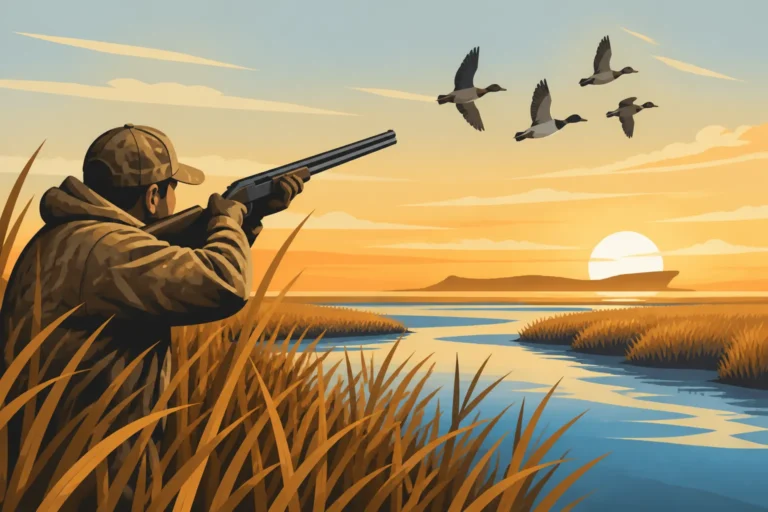
Long Island salt marshes offer challenging waterfowl hunting, targeting black ducks, mallards, geese, and diving ducks across tidal environments.
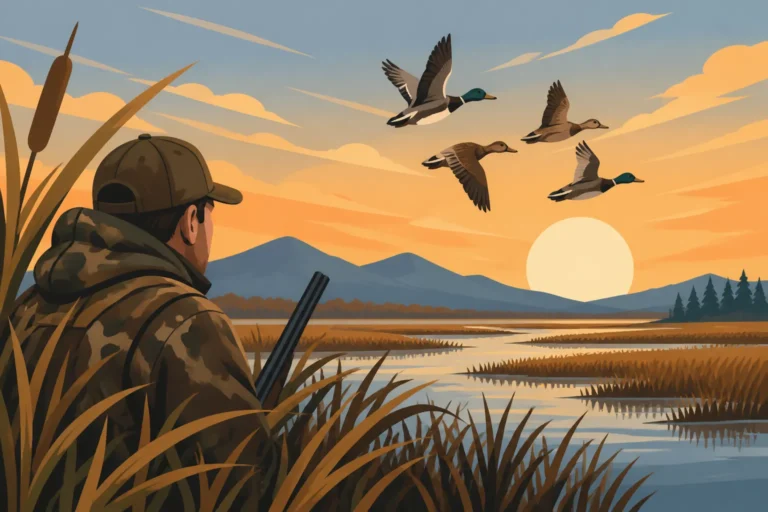
Lake Champlain waterfowl hunting strategies help hunters track changing marsh conditions and target morning flights of dabblers and divers.
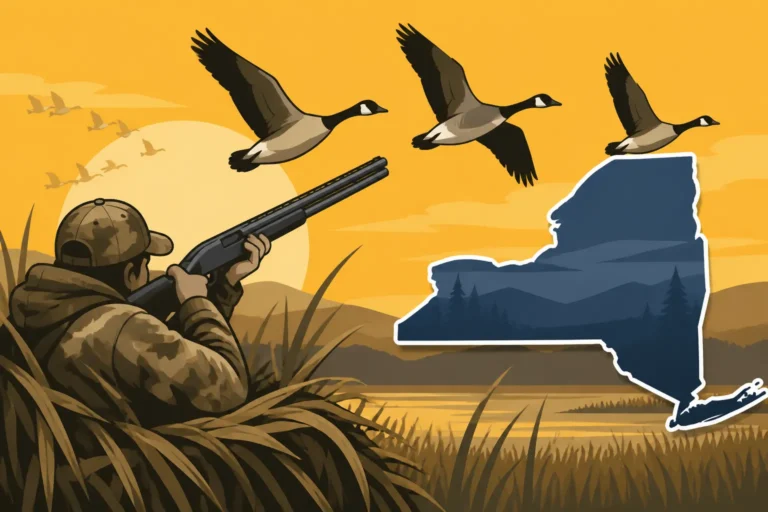
Early goose season tactics in New York explain how resident Canada geese use local roosts, cut corn fields, and predictable daily routines.
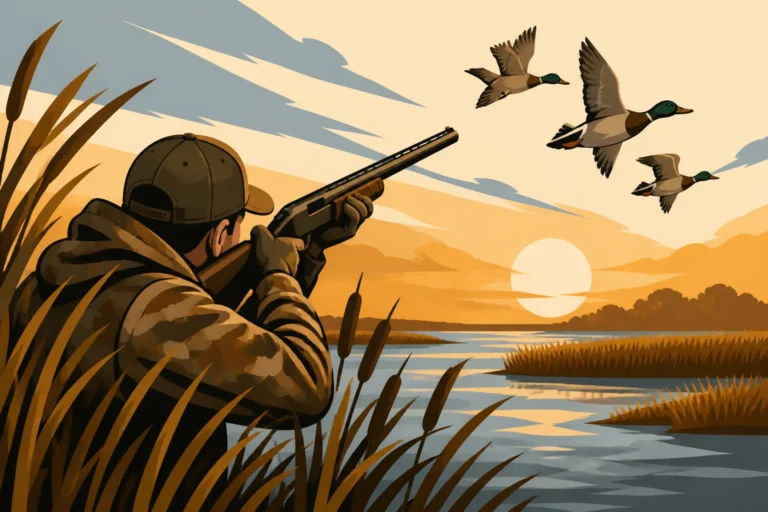
Waterfowl hunting along the St. Lawrence River offers New York sportsmen unique challenges across vast marshes and public wildlife management areas.
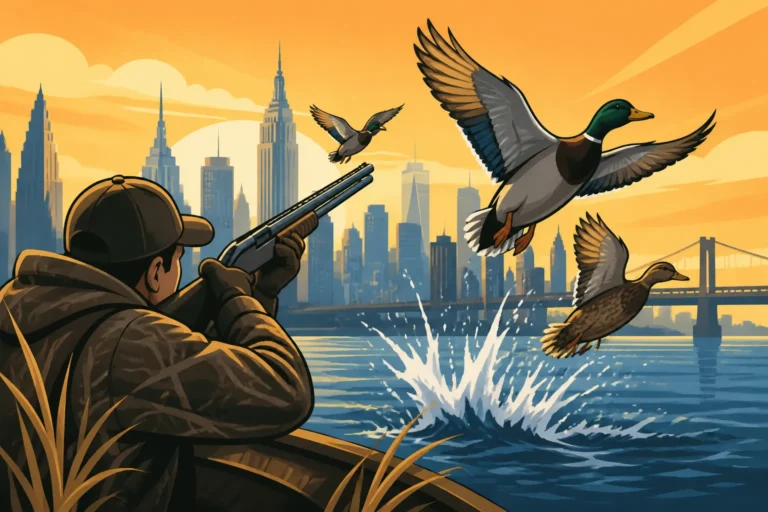
New York river jump-shooting tactics help hunters quietly navigate waterways by boat to flush and shoot resting waterfowl.
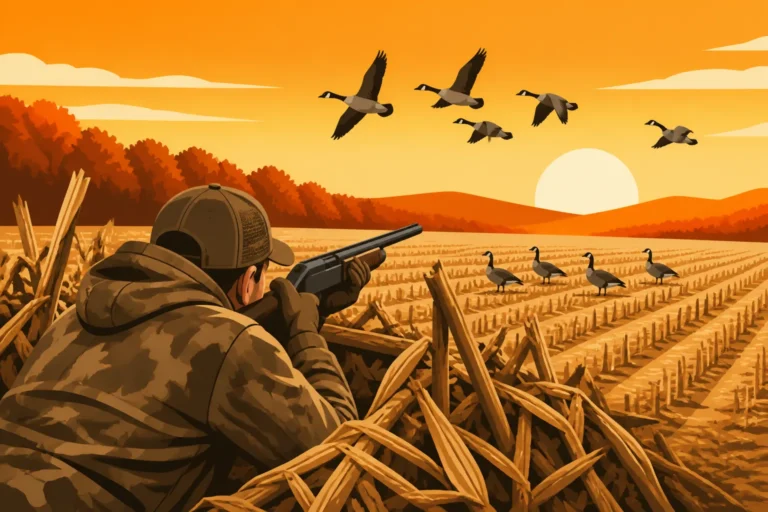
Layout blind concealment techniques explain how hunters target Canada geese and mallards across New York cut cornfields.
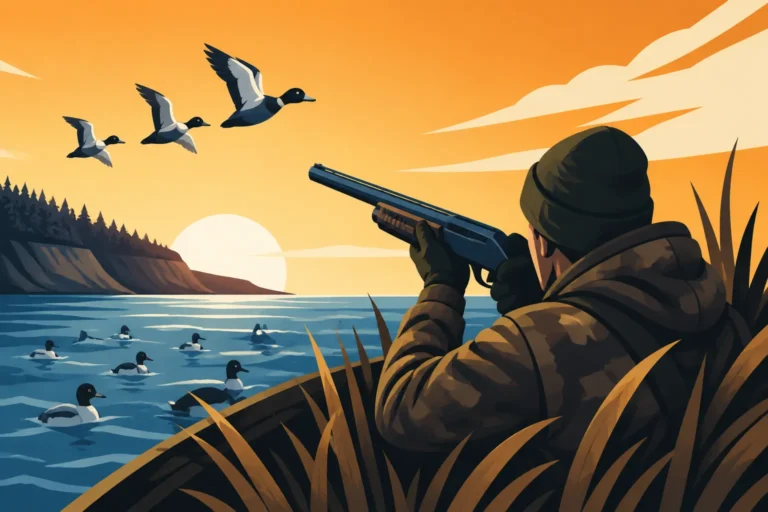
Diver hunting on Eastern Lake Ontario requires navigating volatile weather and understanding the behaviors of scaup, canvasbacks, and goldeneyes.
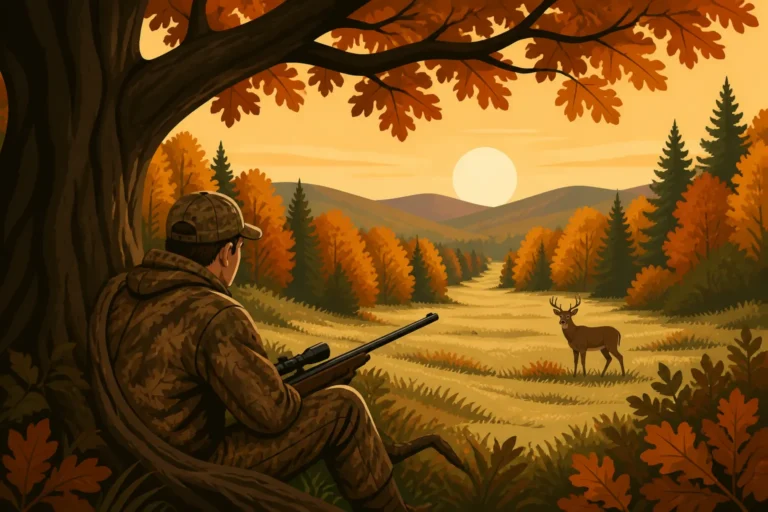
Fresh acorn cuttings under New York oak trees reveal active whitetail deer feeding areas for autumn hunters scouting white oak stands.
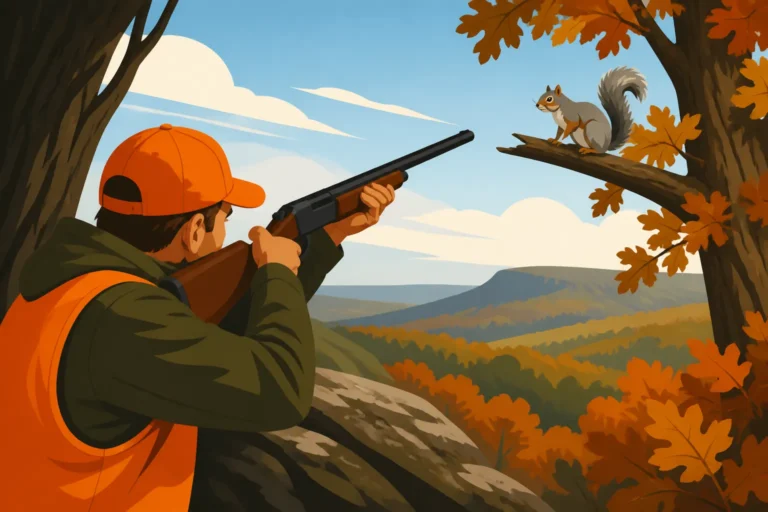
Squirrel hunting on New York oak ridges explains how to locate active feeding zones using fresh red oak and white oak acorn cuttings.

Beagles flushing New York cottontails from thick cover, enabling hunters to anticipate looping rabbit paths and shoot accurately.