Knocking on Doors in Southern Tier Farm Country
Finding quality hunting land in New York, especially prime deer habitat, can feel like an impossible puzzle when public lands are getting hammered, and everyone else seems to already have their spots locked down. It’s a frustrating reality for many hunters, but securing private land access, particularly in the rich Southern Tier farm country, is still very much an option if you approach it the right way. This guide is all about giving you the confidence and practical advice to knock on those doors and forge those valuable landowner relationships.
Understanding the Landscape of Southern Tier Farm Country
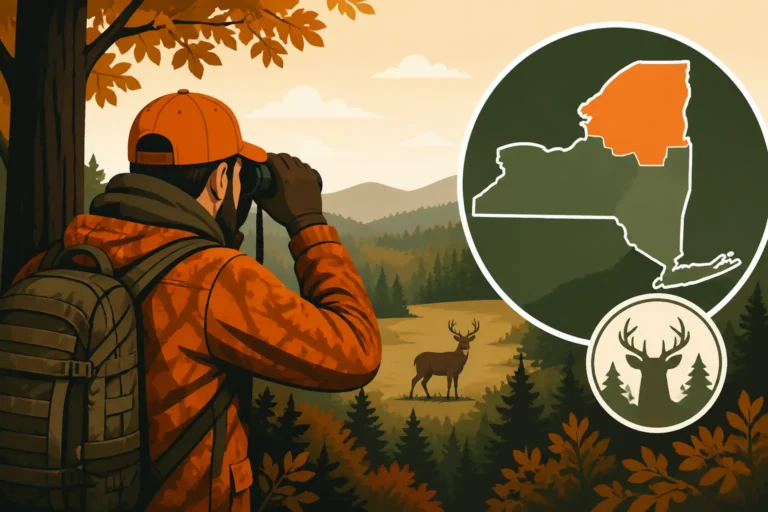
New York's Southern Tier is a mosaic of rolling hills, dense woodlots, and fertile agricultural fields, making it a fantastic draw for whitetail deer. Unlike the vast, rugged wilderness of the Adirondacks or the steep, thick Catskill ridges, the Southern Tier offers a unique blend of cover, food, and relatively accessible terrain that deer absolutely thrive in. But understanding why it's so good and what kind of properties to look for is your first step.
The Allure of Farmland for Deer Hunters
Deer in farm country enjoy a veritable buffet, leading to healthier, larger animals and often higher deer densities. Imagine a sprawling cornfield offering both abundant calories and impenetrable cover during the growing season, or a soybean field providing protein-rich forage. These agricultural lands often butt up against hardwood edges, brushy draws, and small woodlots that serve as bedding areas, creating perfect transition zones for deer movement. When the crops come off, those fields become prime locations for finding waste grain, which can be an absolute magnet for deer, especially as the season wears on. Many seasoned hunters know that hunting a standing cornfield in farm country offers incredible opportunities, from early season archery to the late firearm season. The sheer amount of available food year-round means less pressure on deer to travel long distances, often concentrating them in smaller, more predictable patterns.
Beyond the food, these areas often have less intense hunting pressure than public lands. While some farmers hunt their own land or grant access to family and friends, many are busy with farm operations and welcome responsible hunters who can help manage deer populations that might be impacting their crops. This creates an opportunity for ethical hunters to gain access to areas that might otherwise go unhunted, leading to higher quality experiences and potentially larger bucks.
Identifying Productive Farm Properties
Not all farm country is created equal, of course. When you're scouting from the road or using satellite imagery on tools like GoHunt, look for a few key features that scream "deer habitat." You want a good mix of agriculture and cover. Fields are great, but if they're vast, open, and surrounded by nothing but other open fields, deer might only use them under the cover of darkness. Instead, target properties where fields meet woodlots, thickets, or creek bottoms. These transitions are where deer feel safe traveling and feeding.
Also, pay attention to the type of crops. Corn, soybeans, alfalfa, and winter wheat are all excellent food sources. Apples orchards, even small, unmanaged ones, can be dynamite in the early season. Look for natural funnels – narrow strips of woods connecting two larger blocks of timber, fence lines, or drainages that cut through fields. Deer are creatures of habit and will use the path of least resistance. Identifying these travel corridors is paramount. For example, if you're trying to figure out how deer move from bedding to feeding, learning to read aerial photos for Southern Tier deer will show you these subtle connections. Don't overlook properties with water sources, especially during dry spells; a small creek or pond can be a major draw. Think about what deer need: food, water, and cover, and then identify properties that offer all three in close proximity.
The Art of the Knock: Preparing for Your Ask
Asking for permission can be intimidating. You're putting yourself out there, risking rejection, and trying to convince a stranger to trust you with their property. But with preparation and the right mindset, you can significantly increase your chances of success. It's not just about showing up; it's about making a positive, memorable impression.
Timing and Presentation
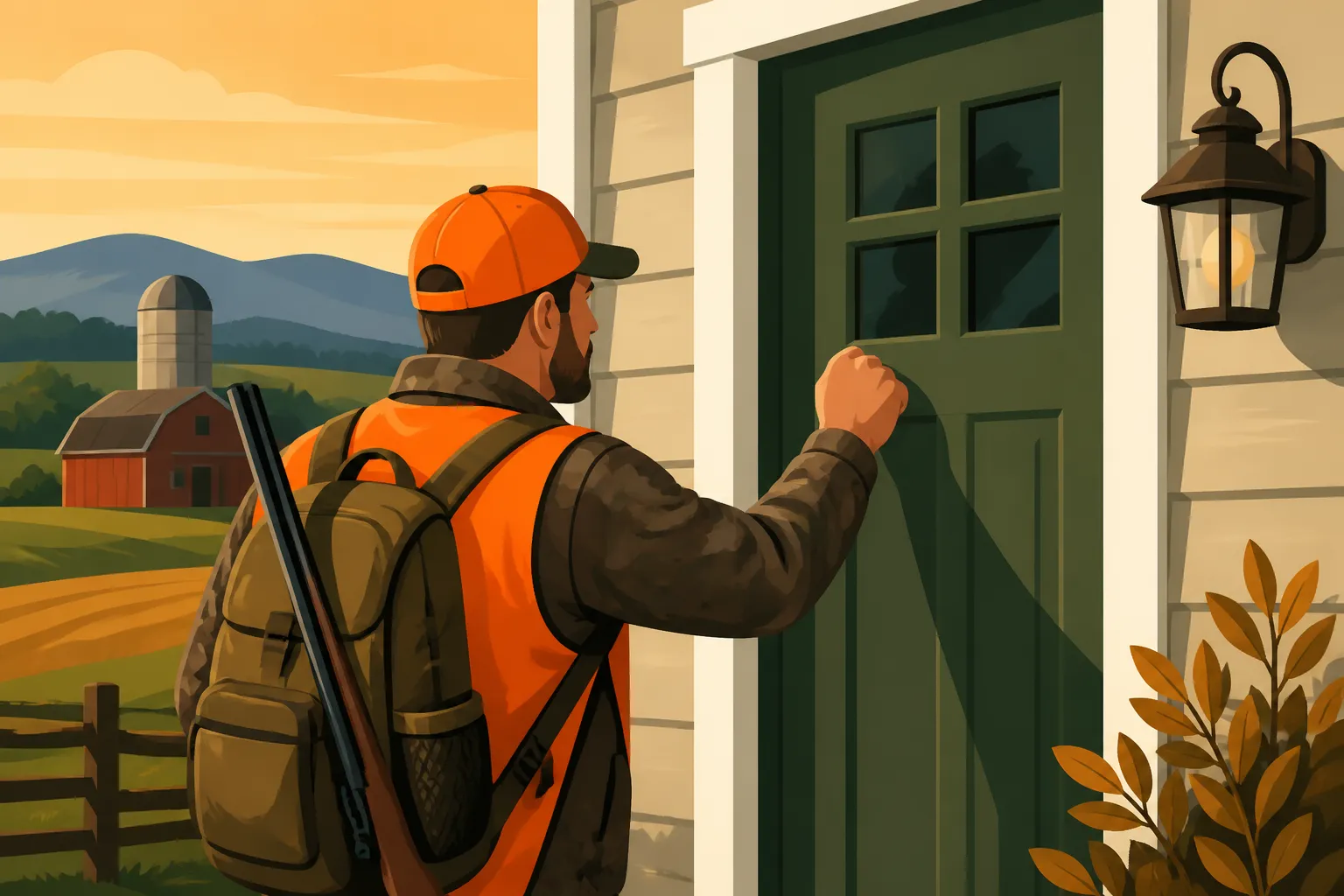
Timing is crucial. Avoid knocking on doors during peak farming hours – when they're planting, harvesting, or baling hay. These are incredibly busy and stressful times for farmers, and the last thing they want is a distraction. Mid-day, after lunch, or in the early evening before supper are often good windows. Weekends can also work, but always be mindful of their routines. Don't show up on a Sunday morning when they might be getting ready for church or having family time. A good rule of thumb is to look for a time when they might be wrapping up a task but aren't rushing off to the next.
Your presentation is equally important. Dress neatly, but practically – no need for a suit, but don't show up looking like you just rolled out of bed after a week in the woods. Clean jeans, a collared shirt, and clean boots are usually appropriate. Make sure your vehicle is presentable, too; a muddy, beat-up truck might send the wrong message. You're essentially interviewing for the privilege of hunting their land, so act like it. A genuine smile, direct eye contact, and a confident but humble demeanor go a long way. Remember, you're asking for a favor and seeking to build a relationship, not making a demand.
What to Bring and What to Say
When you approach a landowner, come prepared. Have a hunting license and a valid New York Driver's License ready to show. Bring a printed map or a satellite image (perhaps from your GoHunt app or other mapping software) of their property with boundaries clearly marked. This shows you've done your homework and are serious. It also allows you to point out specific areas you're interested in, or to ask them about areas they prefer you avoid.
As for what to say, start by introducing yourself clearly and stating your purpose directly. "Hi, my name is [Your Name], and I was wondering if you ever allow respectful hunters on your land for deer hunting?" Be ready to explain why you chose their property (e.g., "I noticed you have some excellent cover along that creek bottom," or "Your cornfields look fantastic for holding deer"). Emphasize safety, respect, and your willingness to abide by their rules. Mention that you're an experienced hunter and understand the importance of landowner relations.
A quick rundown of essentials to have with you:
| Item | Purpose |
|---|---|
| Valid NY Hunting License | Proof of legitimacy and legal right to hunt. |
| Driver's License / ID | Personal identification and contact information. |
| Aerial Map of Property | Shows preparedness; allows for specific discussion of boundaries/areas. |
| Pen and Paper | To jot down notes, rules, contact info, or even a written agreement. |
| Clean, Presentable Attire | Makes a good first impression, shows respect. |
| A Gift (Optional) | Small token of appreciation, like a local pie or a gift card. |
Sometimes, a small, thoughtful gift can make a difference, but it's secondary to your demeanor. A gift card to a local diner, a homemade pie, or something small that shows you appreciate their time can be a nice touch, but it should never feel like a bribe. The best gift is always your respect and responsible conduct. This whole process is often summed up as Asking a New York Farmer for Permission, and it truly is an art form.
Navigating the Conversation and Building Trust
The initial "ask" is just the beginning. The conversation that follows is where you truly build rapport and establish the foundation of trust. It's not just about them saying "yes"; it's about understanding their needs and showing them you're the kind of person they want on their land.
Overcoming Common Farmer Concerns
Farmers often have legitimate concerns when granting hunting access. They worry about safety (especially near homes, barns, or livestock), property damage (gates left open, fences cut, tire ruts in fields), litter, and general disrespect. Many have had bad experiences with hunters in the past, so you'll often be trying to overcome pre-existing skepticism.
Address these concerns head-on and proactively. Talk about your commitment to safety: "I always know my target and what's beyond it, and I'd never shoot near your buildings or livestock." Discuss your respect for their property: "I'll always close gates, avoid driving on wet fields, and leave no trace behind." Emphasize that you understand their property is their livelihood and you treat it as such. Offer to give them your cell number so they can reach you immediately if there's ever an issue. Be specific about the type of hunting you do – if you're a quiet bowhunter, for example, that might appeal more than someone wanting to run deer drives with multiple hunters. For more details on legal requirements, understanding New York Trespass and Permission Law is critical. Many landowners appreciate a hunter who knows the rules and is eager to follow them.
Offering Value and Respect
Think about how you can be a valuable asset to the landowner, not just someone taking from their land. Can you help control deer numbers that are damaging their crops? Offer to remove deer that are causing problems, especially during specific times. Maybe you can help with small tasks around the farm if you have relevant skills – though don't offer services you can't genuinely provide. Sometimes, simply being a reliable, respectful presence is value enough.
Most importantly, show genuine respect. Listen more than you talk. Ask about their concerns, their property, and their rules. Some landowners might have specific areas that are off-limits, or times they prefer you not hunt. They might want you to only take does, or perhaps only certain species. Clearly establish boundaries, both physical and behavioral. If you're going to use any technology like trail cameras, ask about rules for trail cameras on New York public land, and then apply that same courtesy (or more) to private land. Make sure you understand whether you need written permission in New York, as some landowners will prefer a formal agreement, which is always a good idea for both parties. Reiterate that you'll always check in before you hunt and notify them when you're leaving.
Following Up and Maintaining Access
Securing permission is a huge win, but the work isn't over. Maintaining that access for future seasons is about consistent communication, respect, and gratitude. This isn't a one-time transaction; it's an ongoing relationship.
The Importance of Post-Season Gratitude
After the season is over, make sure to follow up. A simple phone call, a thank-you note, or stopping by to chat can go a long way. Share your success if you harvested an animal, and offer to share some of the meat if appropriate. A small gift around the holidays – perhaps a gift basket, a homemade treat, or a gift card to a local store – is always a thoughtful gesture that reinforces your appreciation. Many hunters will drop off a bottle of maple syrup, a nice cut of venison, or a gift card for a local business to thank landowners for the opportunity. This isn't about buying access, but about expressing genuine gratitude.
This post-season contact is also a good time to ask for feedback. "Was everything okay this season? Were there any issues or things I could have done better?" This shows you're committed to being a good steward and values their opinion. It helps solidify your reputation as a responsible and considerate hunter, making it much easier to renew permission for the next year. It's all about building that long-term trust.
Understanding Landowner Expectations
Every landowner is different, and their expectations will vary. Some might be happy if you just remove a few deer; others might be genuinely interested in your hunting stories or seeing your harvest. Be flexible and adaptable to their needs. If they ask you to only hunt specific days or times, respect that. If they ask you to avoid certain fields, make sure you do. Some landowners, especially in more populated areas, might have strong feelings about New York Posted Land Rules, and you need to be very clear on boundaries.
If you harvest a deer, immediately report a New York deer harvest online as required by the DEC. Then, follow up with the landowner to let them know. If you plan on field dressing a deer in cold weather or need to track a deer into a dense part of their property, communicate those plans. Transparency is key. Always remember that it's their land, and you are a guest. Your goal is to be the kind of hunter they want to have back, year after year.
Here's a quick reference for making a lasting positive impression:
| Action | Impact on Landowner |
|---|---|
| Timely, Respectful Approach | Shows consideration for their work and time. |
| Clear Communication | Builds trust, avoids misunderstandings. |
| Adherence to Rules | Demonstrates responsibility and integrity. |
| Proactive Safety Measures | Eases concerns about liability and well-being. |
| Post-Season Thank You | Reinforces appreciation, encourages future access. |
| Sharing Your Harvest | Builds community, offers tangible benefit. |
| Offering Assistance | Shows you're a helpful partner, not just a taker. |
For more insights into managing deer on private land, especially concerning numbers, you might want to look into New York Deer Management Permits Explained, as well as considering why New York loosened antlerless rules in 2026. Hunters who can responsibly help manage the local deer population are often viewed as assets by farmers experiencing crop damage.
Ultimately, knocking on doors in Southern Tier farm country is about building relationships. It's not always easy, and you'll face rejection. But with persistence, respect, and a genuine desire to be a good steward of their land, you can unlock incredible hunting opportunities and foster lasting friendships in the process.
Disclaimer
The information provided in this guide is for general informational purposes only and does not constitute legal advice. Hunting regulations and landowner permissions are subject to change. Always consult the most current New York State Department of Environmental Conservation (DEC) regulations and obtain explicit, clear permission from landowners before hunting on private property.