Layout Blind Hunting a Cut Cornfield
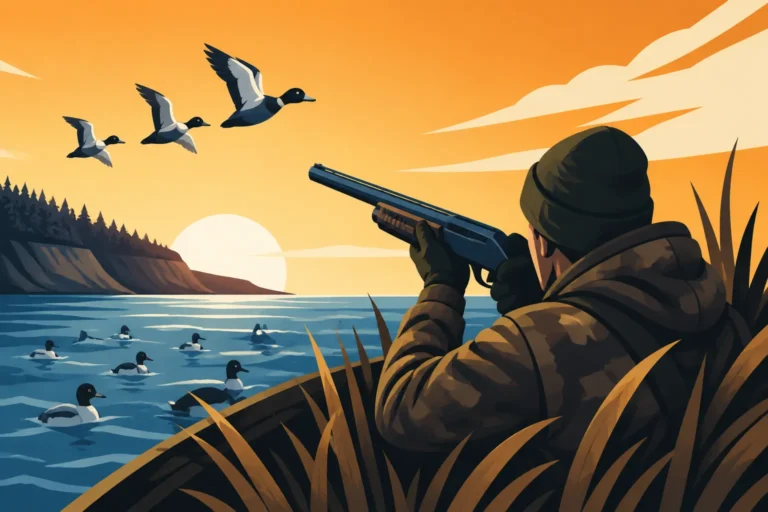
Anyone who's spent hours watching ducks and geese buzz high overhead, seemingly oblivious to their carefully placed spread, knows the frustration. Hunting waterfowl in wide-open agricultural fields, especially cut corn, can feel like trying to catch smoke if you don't master the art of concealment. These birds are incredibly wary, and the lack of natural cover makes it a true chess match. This guide is all about turning those challenging field hunts into successful, memorable experiences by diving deep into the world of layout blind hunting in New York's cut cornfields.
The Irresistible Pull of Cut Cornfields for Waterfowl
When you think about waterfowl hunting, your mind might immediately jump to marshes, lakes, or winding rivers. But if you're overlooking cut cornfields, you're missing out on some of the best opportunities, particularly for Canada geese and mallards, right here in New York. These fields, often found across the Southern Tier, Finger Lakes, and Western New York regions, become absolute magnets for birds, especially as the seasons progress and natural food sources dwindle.
Why Corn is King for Migrating Birds
Imagine flying hundreds or thousands of miles, burning through energy reserves. What's the first thing you'd look for? Fuel. Cut cornfields are precisely that – a buffet of high-energy carbohydrates left behind after harvest. Even with modern harvesting techniques, a surprising amount of waste grain remains on the ground, providing an easy, abundant food source for ducks and geese. This caloric intake is crucial for them to maintain their body weight for migration and to simply survive the cold New York winters. Geese, with their grazing habits, are particularly drawn to these fields, but don't count out mallards, pintails, and even black ducks who will venture into fields to feed, especially if a puddle or low-lying wet spot is present.
Field Dynamics and Waterfowl Habits
Waterfowl, especially geese, often establish predictable patterns between their roosting water bodies and their feeding fields. They'll leave the safety of a large lake or reservoir at first light, fly to a chosen cut cornfield, feed for a few hours, then head back to water to loaf and digest, sometimes returning for an afternoon feed. Understanding these flight lines and routines is paramount. Sometimes, the fields aren't just about food; they're also about safety. A wide-open field offers excellent visibility, allowing birds to spot predators from a distance. A field adjacent to a woodlot or a slough might also offer quick cover or water access. Scouting tools like the GoHunt app can be invaluable for identifying cut cornfields and potential roosting areas, helping you track these patterns before the season even begins. Looking for these consistent patterns is often far more productive than simply picking any old field.
Mastering the Art of Concealment with Layout Blinds
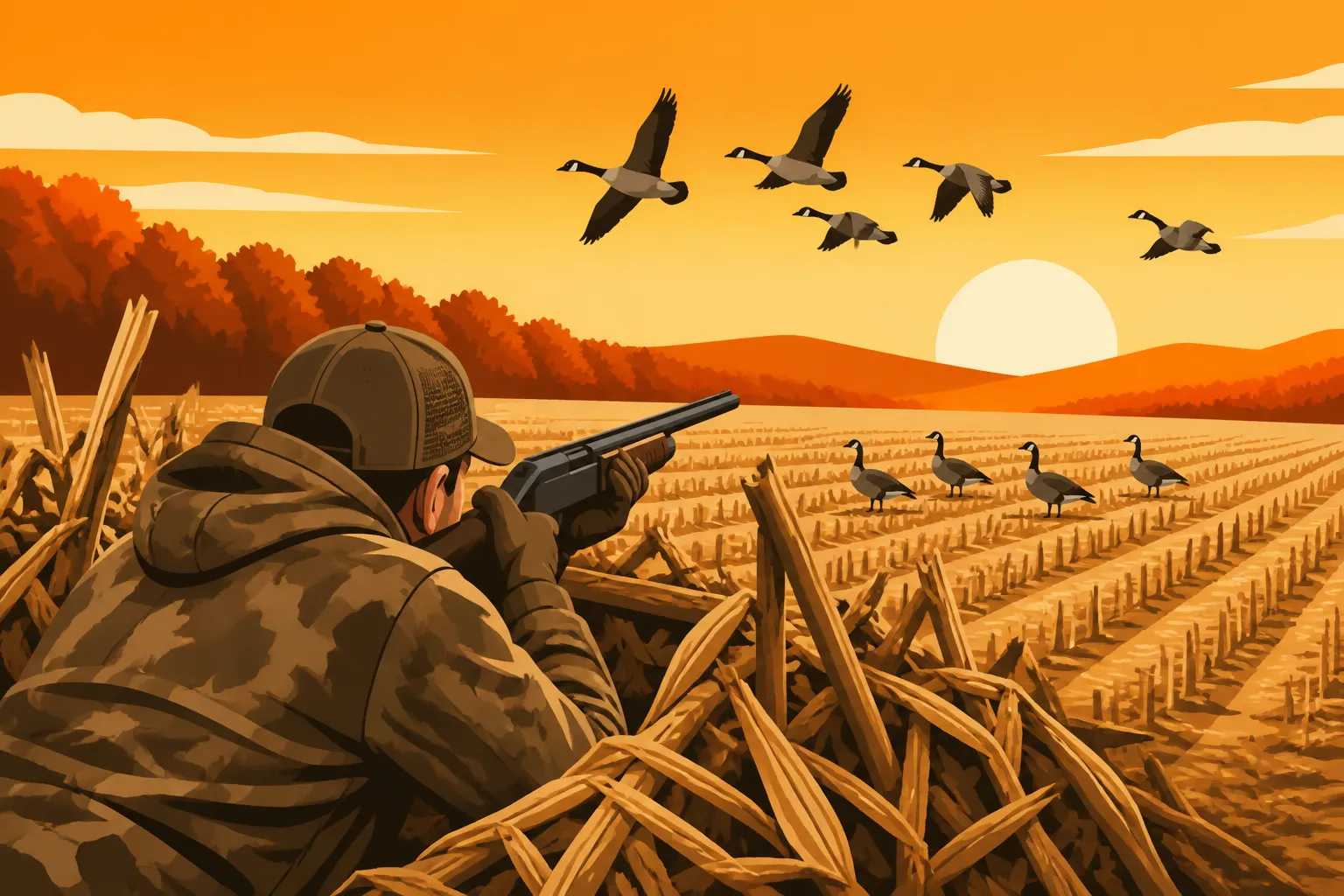
Hunting wary waterfowl in an open field requires absolute stealth, and that's where the layout blind truly shines. These low-profile shelters are designed to make you disappear into the stubble, turning you from a human shape into just another bump in the field. But simply owning a layout blind isn't enough; the real magic is in how you brush it in.
Choosing the Right Blind and Location
First, let's talk about the blind itself. There are many excellent brands out there, from Avery and Final Approach to Rogers and Higdon, all offering various features. Look for a blind that is comfortable for long waits, easy to set up, and most importantly, has enough stubble straps and pockets to hold natural vegetation. The color and pattern of the blind itself should generally match dried grasses and dirt, but the real concealment comes from what you add to it.
Once you've got your blind, selecting the precise location within the cut cornfield is paramount. You need to think like a goose or a duck. Where would they want to land? Often, this is the upwind or crosswind side of your decoy spread, allowing them to cup their wings and float in. Avoid high spots or ridges that will silhouette your blinds. Instead, look for a slight depression, a change in grade, or even a clump of thicker stubble that naturally breaks up your outline. Using mapping applications like GoHunt can help you pinpoint these hidden gems and analyze entry and exit routes, minimizing disturbance. Pay close attention to the prevailing wind direction on the day of the hunt, as this will dictate your setup.
The Indispensable Task of Brushing In
This is where many hunters fall short, and it's the single most critical factor for success. Your layout blind should look like nothing more than a natural part of the field.
- Gather Local Vegetation: Before setting up your blinds, take the time to gather an abundance of cornstalks, dry grasses, and any other local vegetation that matches the field you're hunting. Don't be stingy – you'll need more than you think. In many parts of New York, especially after a good growing season, you'll find plenty of material right there.
- Break Up the Outline: The goal isn't just to cover the blind, but to break up its rectangular shape. Start by weaving cornstalks into the stubble straps. Don't just lay them flat; angle some, stand others up slightly, mimic the natural randomness of the field. Think about the blind from a bird's eye view. Any straight lines or unnatural clumps will stick out like a sore thumb to their keen vision.
- Cover the Edges and Corners: Pay extra attention to the edges and corners of your blind. These are often the hardest parts to hide and the first things wary birds will spot. Build up the cover around these areas, blending the blind into the surrounding stubble.
- Hide the Hunters: Your face and hands are often the brightest spots. Wear a face mask or face paint and dark gloves that blend with the field. Keep movement to an absolute minimum. A slight head turn at the wrong moment can send a whole flock flaring.
- Test Your Concealment: After you think you're done brushing in, walk 30-40 yards away and look back at your blinds from different angles. If you can spot your blind easily, so can the birds. Adjust and add more cover until it virtually disappears. It's time-consuming, but this diligence pays off.
Crafting Decoy Spreads for Cut Corn Success
Once your blinds are perfectly concealed, the next step is building a decoy spread that looks utterly convincing to passing birds. This isn't just about throwing out a bunch of fake birds; it's about creating an illusion of safety, food, and natural behavior. Your spread will often consist of a mix of geese and ducks, depending on what species you're primarily targeting and what's frequenting the field.
Goose Decoy Spreads
Canada geese are masters of the cut cornfield, and your spread needs to reflect their natural feeding and loafing habits.
- Quantity is Key: Geese are social birds, and bigger numbers often attract more attention. While you might start with a couple dozen, serious goose hunters often deploy upwards of 50-100 decoys or more, especially when targeting large flocks of Canada geese in areas like the Finger Lakes or the St. Lawrence River Valley. Don't forget, when hunting New York Canada Goose Bag Limit, knowing your local population helps determine spread size.
- Mix Decoy Types: A combination of full-body decoys, shell decoys, and silhouette decoys works best. Full-bodies offer realism up close, shells provide bulk and profile at a distance, and silhouettes allow you to build out a massive spread without breaking the bank or your back.
- The "J" or "U" Hook: This is a classic spread for a reason. Position the bulk of your decoys upwind, with a natural landing zone (the open part of the "J" or "U") directly in front of and downwind from your layout blinds. Birds want to land into the wind, so this setup funnels them right into your shooting lane. Place some "sentinel" decoys, standing upright, on the outer edges of your spread to mimic birds watching for danger, adding to the illusion of safety.
- Family Groups and Pairs: Avoid placing decoys in perfect rows. Geese feed in family groups or loose pairs. Create small clusters of 3-5 decoys, with some individuals slightly separated, to imitate natural behavior.
- Motion Decoys: While not as common for geese as for ducks, goose flags can be incredibly effective. A hunter operating a flag mimics a goose landing or flapping its wings, adding crucial motion that can draw the attention of distant birds.
Duck Decoy Spreads
While geese might dominate the cut corn scene, ducks, particularly mallards, will readily visit these fields, especially if there's any standing water or a nearby ditch.
- Smaller Numbers, More Motion: You don't need hundreds of duck decoys in a cornfield. A couple of dozen realistic mallard and black duck decoys are usually sufficient. The key difference is motion.
- Spinner Decoys: A spinning wing decoy or "spinner" is almost essential for ducks in a field. The flash of the spinning wings mimics landing birds and can be seen from great distances. Place one or two upwind or at the "head" of your spread, where approaching ducks will see it first.
- Landing Zone: Just like geese, ducks prefer to land into the wind. Create a clear, open landing zone within your spread, again positioning it in front of and downwind from your blinds.
- Feeding Pockets: Create small clusters of duck decoys that look like they're feeding contentedly. You can even add a few full-body field duck decoys designed to lay flat, mimicking ducks resting or feeding.
- Combined Spreads: If both ducks and geese are using the field, you can combine your efforts. Place your goose spread as the main attraction, with a smaller group of duck decoys, including spinners, slightly off to the side, perhaps near any low-lying wet spots. Remember to factor in your location when considering options; different New York Waterfowl Zones and Seasons might see varying concentrations of species.
| Decoy Type | Primary Target (Cut Corn) | Recommended Quantity | Placement Considerations |
|---|---|---|---|
| Full Body Geese | Canada Geese | 1-2 dozen | Upwind, in family clusters, define landing zone |
| Shell Geese | Canada Geese | 2-4 dozen | Bulk up the spread, provide profile at a distance |
| Silhouette Geese | Canada Geese, Snow Geese | 4+ dozen | Fill out large spreads, very portable |
| Full Body Mallards | Mallards, Black Ducks | 1-2 dozen | Small feeding groups, near any wet spots, in landing zone |
| Spinning Wing Decoys | Mallards, Pintails | 1-2 | High visibility, place upwind or at front of spread for flash |
| Goose Flag Decoys | Canada Geese | 1-2 | Operated by hunter, mimics landing/flapping, adds motion |
When setting up your spread, always consider the wind. Birds land and take off into the wind, and your setup should encourage them to fly directly into your kill hole. You might also want to consult specific guides on Decoy Spreads for New York Divers if you're targeting other species that might occasionally use fields.
Calling, Safety, and Final Touches for Cut Corn Hunting
You've scouted the field, perfectly hidden your blinds, and set out a convincing spread. Now it's time for the final elements that turn a good setup into a successful hunt: calling, managing the shot, and ensuring safety.
The Art and Science of Calling Waterfowl
Calling is more than just making noise; it's about communicating with the birds, reassuring them, and drawing them closer.
- Goose Calling: For Canada geese, your calls should sound confident and inviting. Start with low, guttural honks to get their attention, mimicking a distant flock. As they get closer, switch to clucks and murmurs, the contented feeding sounds of geese on the ground. When they commit and start to drop, a lively volley of clucks and honks can help seal the deal, making them feel safe to join their "friends." Don't overcall; let the decoys do most of the work when they're close. Sometimes, less is more, especially with wary birds.
- Duck Calling: Mallards respond well to a variety of calls. An "hail call" (a series of loud, pleading quacks) can get distant birds to look. As they approach, switch to a "comeback call" (shorter, excited quacks). When they're circling, use a "greeting call" (a series of five to seven quacks), and then transition to soft "feed calls" (chattering sounds) to indicate a safe, abundant food source. Just like with geese, if they're committed and coming in, often silence or soft feed calls are best.
- Reading the Birds: This is crucial. Are they looking? Are they circling? Are they flaring? Adjust your calling intensity and type based on their reaction. If they're shying away from your calls, try less or different calls. If they're locking up and coming in, keep doing what you're doing. Experience in the field is the best teacher here. You'll learn to anticipate their moves. For those interested in New York Waterfowl Hunting by Zone, understanding the local bird behavior can significantly influence your calling strategy.
Safety First in the Field
Hunting from layout blinds in an open field comes with unique safety considerations.
- Shooting Lanes and Zones: Before the hunt begins, establish clear shooting lanes and zones for each hunter. In a line of layout blinds, you should never swing your gun past the next hunter in either direction. Communication is vital. "My bird, center!" or "Right side!" helps prevent accidental swings.
- Identifying Birds: Always be 100% positive of your target before pulling the trigger. With multiple species sometimes in the air, rapid identification is crucial. Know your duck and goose species and their legal status.
- Flagging and Visibility: If you're using goose flags, ensure the person flagging knows when to stop as birds get close. A white flag waving at 20 yards will instantly flare birds. Remember, safety should always be your top priority.
- Dog Safety: If you have a retrieving dog, ensure it's trained to remain still in the blind until the "retrieve" command. A dog popping up prematurely can ruin a perfect setup. Having a well-trained retriever is not only a joy but also makes retrieving downed birds in a vast field much more efficient. Many hunters find Waterfowl Gear for New York Marsh and Lake invaluable, and that often includes gear for their canine companions.
The Retrieve and Post-Shot Protocol
Once the shot is made and birds are down, the work isn't over.
- Marking Downed Birds: In a large cornfield, especially one with tall stubble, it's incredibly easy to lose a downed bird. Immediately after the shot, pick out a landmark near where the bird fell – a distinct patch of stubble, a distant tree, a fence post. Yell out "Mark!" so everyone can help fixate on the spot.
- Efficient Retrieval: A well-trained retrieving dog is a game-changer for field hunts. They can quickly find birds that would otherwise be lost. If you don't have a dog, retrieve birds systematically, walking a grid pattern around your marked spot. Never leave a downed bird behind.
- Reload and Reposition: After retrieving, quickly reload your shotgun, reset any decoys that might have been disturbed, and get back into your blinds. Often, successful flocks attract other passing birds, and you want to be ready.
- Reporting: Don't forget New York's reporting requirements for migratory birds.
Hunting cut cornfields with layout blinds offers some of the most exciting and challenging waterfowl hunting experiences in New York. It demands meticulous preparation, patience, and a keen understanding of bird behavior. But when a flock of Canada geese locks their wings and glides right into your spread, or a group of mallards drops in among your spinners, all that hard work and attention to detail becomes incredibly rewarding.
Disclaimer
The information provided in this guide is for informational purposes only and should not be considered a substitute for official New York State Department of Environmental Conservation (DEC) hunting regulations. Always consult the most current DEC hunting guides and laws before heading afield. Hunting regulations, seasons, and bag limits are subject to change. It is the hunter's responsibility to know and obey all applicable laws.