New York Elk History and Extirpation
It’s a natural thing for a New York hunter to wonder: what big game used to roam these woods that we no longer see? While our state offers incredible opportunities for deer, bear, and turkey, there's a certain majesty associated with elk, and many folks might not even realize that these magnificent animals once called New York home. This guide will take a realistic look at the historical presence of elk in our state, explore why they disappeared, and discuss the current situation regarding their potential return.
The Historic Roaming Grounds of New York Elk
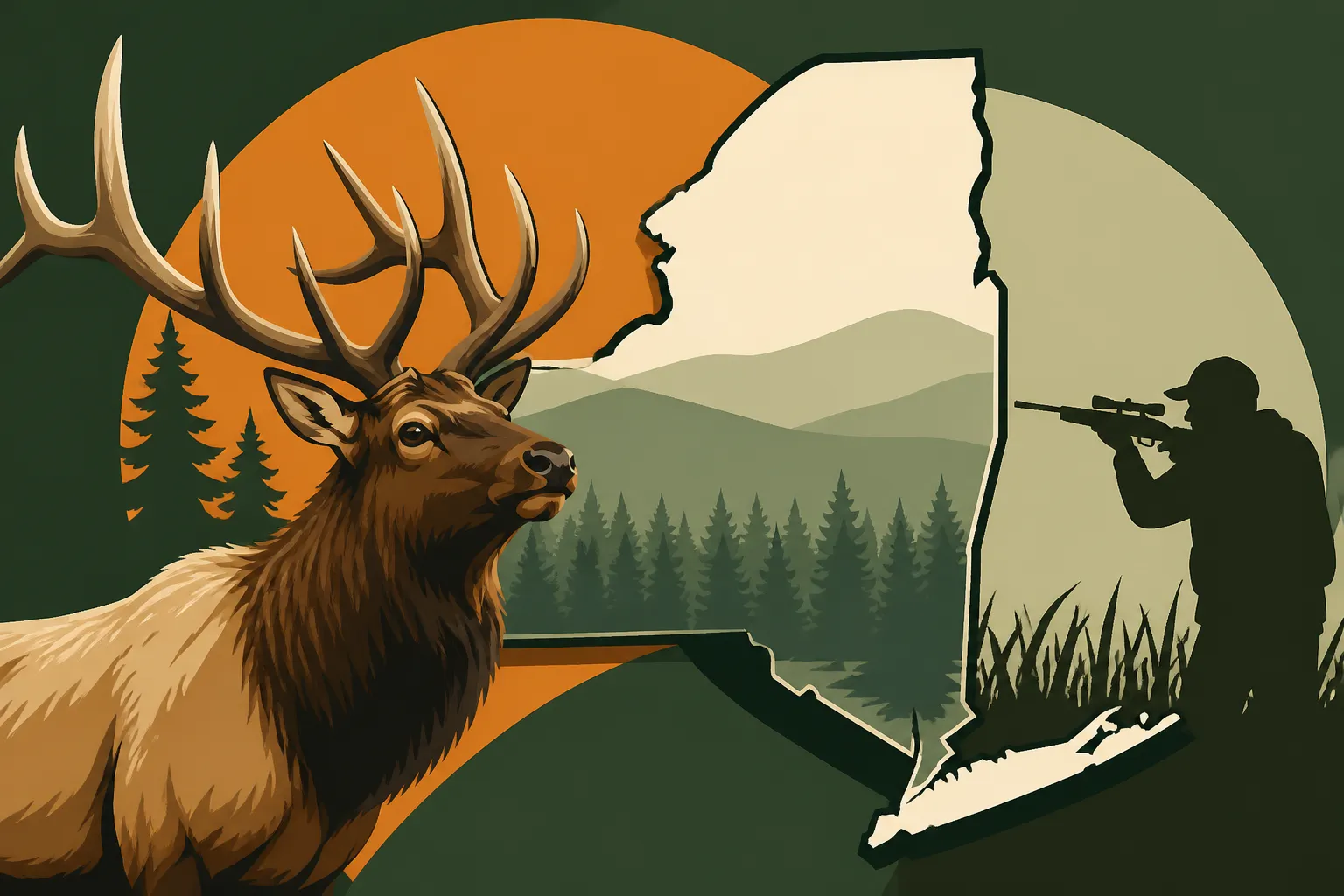
Imagine New York's landscape centuries ago, before sprawling cities and extensive farmland dominated the scene. It was a vast, unbroken expanse of hardwood forests, wetlands, and open meadows – a perfect canvas for a variety of large mammals, including the eastern elk. These were not the Rocky Mountain elk we often picture today, but a distinct subspecies, Cervus canadensis canadensis, known for their impressive size and powerful presence.
Evidence of Their Presence
Historical accounts and archaeological findings paint a clear picture: eastern elk were once widespread across much of New York. From the heavily forested Adirondacks down through the Catskills and even into the more open areas of the Southern Tier, they were a significant part of the ecosystem. Early European settlers, as well as indigenous peoples before them, would have encountered these animals regularly. Their bones have been discovered in ancient village sites, and early colonial records frequently mention them. For hunters today, it’s hard to fathom a time when an elk bugle echoed through the very same hills where we now chase whitetails or call gobblers. It speaks to a very different, wilder New York.
Their Ecological Role
Elk played a crucial role in maintaining the health and diversity of these primeval New York forests. As large herbivores, they browsed on saplings, forbs, and grasses, helping to shape the understory and create openings that benefited other wildlife. Their presence likely influenced plant succession, creating a mosaic of habitats. They were also a significant food source for predators like wolves and mountain lions, both of which are also now extirpated from much of the state. Understanding their historical ecological niche helps us appreciate what was lost when they disappeared and why restoring such large keystone species can be so complex. When you're out there Scouting New York Public Land Before Season with your GoHunt maps, try to envision what these same landscapes might have looked like with herds of elk moving through them.
The Causes of Elk Extirpation from New York
The disappearance of eastern elk from New York wasn't a sudden event, but rather a tragic decline driven by a combination of human activities. By the mid-19th century, the last of New York's native elk were gone, leaving behind a significant void in the state's natural heritage. This period of rapid change deeply impacted not just elk, but many other species as well.
Unregulated Hunting Pressure
Perhaps the most direct and devastating factor in the elk's decline was unregulated hunting. In the early days of European settlement, wildlife was seen as an endless resource, a free larder. There were no seasons, no bag limits, and no real concept of conservation. Elk were hunted year-round for their meat, hides, and antlers. Their large size made them a prime target, especially when settlers were pushing deeper into wilder territories. This relentless pressure, combined with increasingly efficient hunting methods, quickly chipped away at their numbers. It’s a stark reminder of why modern hunting regulations, like those outlined in New York Hunting Licenses and What They Cost and New York Deer Management Permits Explained, are so critical for sustaining game populations today.
Widespread Habitat Loss
Simultaneously, New York was undergoing a dramatic transformation of its landscape. The 18th and 19th centuries saw massive deforestation as land was cleared for agriculture, timber, and new settlements. Elk, being forest-dependent animals, simply had nowhere left to go. Their ancestral ranges were fragmented, their feeding grounds turned into farms, and their escape cover cut down. This loss of contiguous habitat was a death knell, isolating remaining populations and making them even more vulnerable to hunting pressure. Even our majestic The Adirondack Forest Preserve and The Catskill Forest Preserve were heavily logged before the "Forever Wild" designation provided some protection.
Human Expansion and Settlement
Beyond just hunting and logging, the sheer expansion of human populations into what was once wilderness placed insurmountable pressure on elk. As towns grew and transportation networks developed, disturbance increased. Elk require vast, undisturbed areas to thrive, and the relentless march of civilization simply didn't allow for it. The combination of easy access, the economic value placed on their parts, and the destruction of their homes created a perfect storm that led to their eventual extirpation.
Here's a quick look at the major factors:
| Factor | Impact on Elk Population | Result in New York |
|---|---|---|
| Unregulated Hunting | Direct mortality, no recovery | Rapid decline, local extinction |
| Habitat Destruction | Loss of food, cover, range | Fragmentation, starvation, stress |
| Human Settlement | Increased disturbance, conflict | Displaced animals, barriers to movement |
| Lack of Conservation | No protective measures | Inability to rebound |
Modern Status and Reintroduction Efforts in New York
While the idea of elk bugling across the Adirondacks might stir the soul of any New York hunter, the reality of reintroducing a large, extirpated species is incredibly complex. Unlike the successful reintroduction of wild turkeys or the natural resurgence of New York's Black Bear Population, elk present a unique set of challenges that have, so far, kept them from returning to New York's wild lands.
Why No Elk in New York Today?
Despite the vastness of areas like the Adirondack Park, there are no wild, free-ranging elk herds in New York State. Any reports of elk sightings are almost certainly misidentifications of large deer, or more rarely, escapees from private game farms. The primary reasons for this continued absence are multifaceted:
- Limited Suitable Habitat: While some areas of New York look wild, the type of contiguous, high-quality habitat needed to support a self-sustaining elk population (with adequate wintering grounds and minimal human conflict) is not as abundant as it once was. Much of the truly wild land is protected as "Forever Wild," which also limits active habitat management that might benefit elk.
- Disease Concerns: The threat of Chronic Wasting Disease (CWD) is a major deterrent. New York has been incredibly vigilant in preventing CWD from taking hold in its wild deer herd, and introducing elk from other states could inadvertently introduce the disease. New York's Chronic Wasting Disease Containment Area in Herkimer County, though currently stable, serves as a stark reminder of the devastating potential of this illness.
- Human-Wildlife Conflict: Elk are large animals that require significant forage. They could pose problems for agriculture (crop damage), forestry operations, and even increase vehicle collisions. Managing public perception and mitigating these conflicts would be a monumental task. The memory of nuisance deer issues in some areas gives an idea of the scale of potential problems.
- Cost and Logistics: Reintroduction is an incredibly expensive and logistically challenging endeavor, requiring years of planning, habitat assessment, disease testing, animal acquisition, and ongoing monitoring. There are significant resources dedicated to managing our existing game, such as White-Tailed Deer Across New York and New York's Emerging Moose Population, and shifting focus to elk would require massive political and financial support.
Comparing New York to Other States
Many states in the eastern US, such as Pennsylvania, Kentucky, and Virginia, have successfully reintroduced elk. These states often had larger, more suitable contiguous blocks of habitat, fewer CWD concerns at the time of reintroduction, and strong public and political will to make it happen. Their reintroduction stories are often inspiring, but they also highlight the significant investment and unique circumstances required for success. When you're researching potential elk hunting trips out west using GoHunt, you'll see the sheer scale of the landscape and the robust management programs that make those herds possible. It’s a very different world from our current New York landscape.
While the dream of elk bugling through New York's forests remains, the practical realities and the potential risks currently outweigh the benefits for wildlife managers. Our focus remains on sustaining healthy populations of our current game species, ensuring that future generations can enjoy the incredible hunting opportunities that New York already provides. Perhaps one day, the conditions will be right, but for now, the eastern elk remains a magnificent part of New York's past.
Disclaimer
This article is for general informational purposes only and does not constitute professional advice. Laws, prices and regulations vary by location and change over time. Consult a qualified professional for guidance on your specific situation.