White-Tailed Deer Across New York
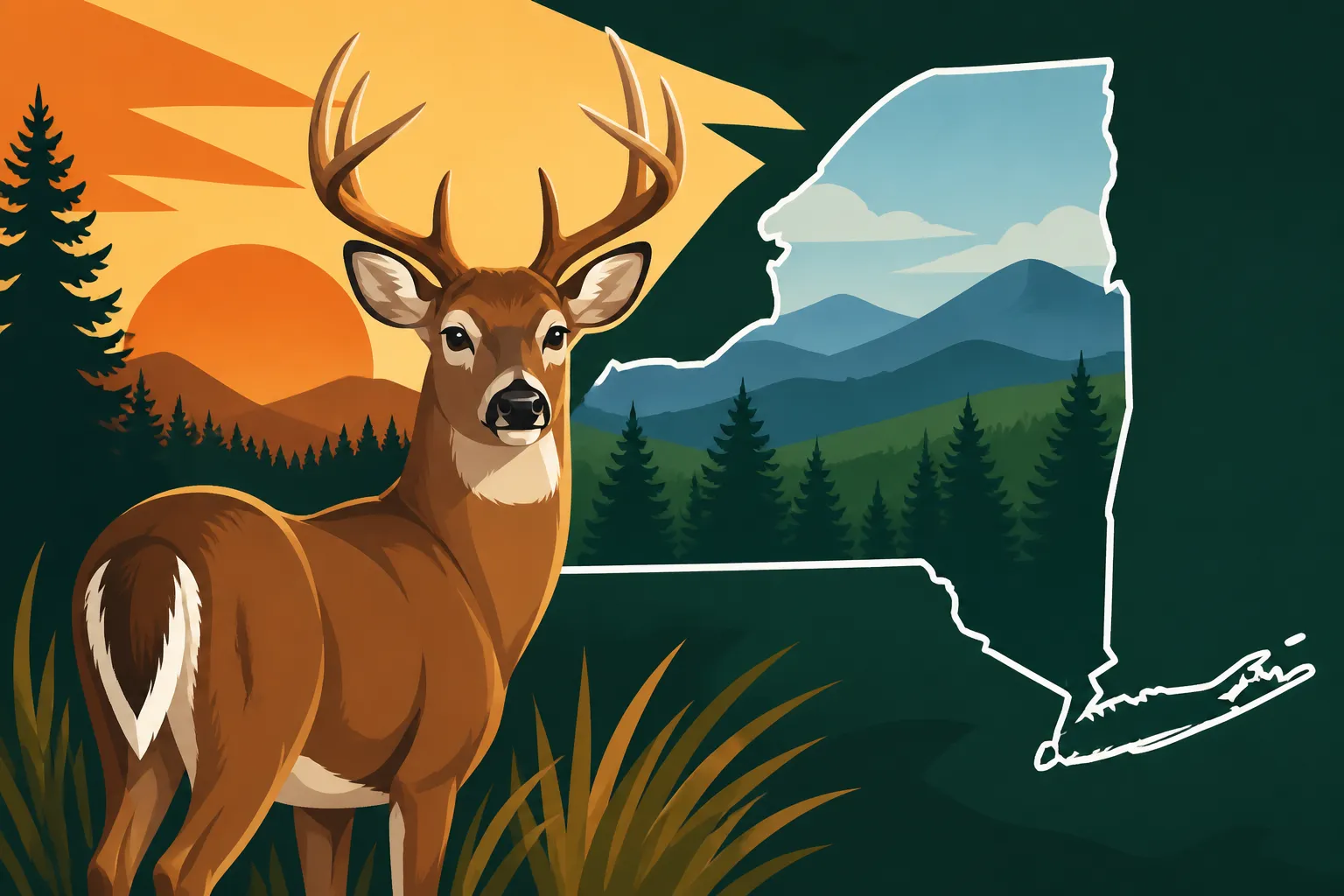
For hunters and wildlife enthusiasts alike, few animals define the landscape of New York quite like the white-tailed deer. While these adaptable creatures offer incredible hunting opportunities, they also present unique management challenges across the state's incredibly diverse terrain, from bustling suburban fringes to remote Adirondack peaks. This guide delves deep into everything you need to know about New York's whitetails, helping you understand their behavior, population dynamics, and how to successfully pursue them.
The Ubiquitous Presence of New York's Whitetails
It's almost impossible to live in New York State without encountering a white-tailed deer. They're as much a part of the natural fabric here as the autumn leaves or the spring gobblers. Whether you're driving through a rural landscape at dusk, hiking in a state forest, or even tending to your garden in a suburban neighborhood, the chances are high that a whitetail has either been there recently or is just around the bend. This widespread presence is a testament to their incredible adaptability and the rich, varied habitats New York offers.
A Statewide Phenomenon
From the dense, coniferous forests of the Adirondacks to the rolling agricultural fields of the Southern Tier and the Finger Lakes, white-tailed deer thrive in almost every corner of New York. Their ability to adapt to such a wide array of environments is truly remarkable. They can navigate the harshest winters in the Tug Hill Plateau just as effectively as they can find refuge and food in the fragmented woodlots near bustling Long Island communities. This widespread distribution means that no matter where you live or hunt in New York, understanding the local deer population is crucial.
The state's diverse geography provides a mosaic of ecosystems, each supporting deer in slightly different ways. In the Catskills, you might find deer browsing on beech nuts and acorns on steep mountain slopes, while in Western New York's fertile farmlands, they'll be feasting on corn and soybeans. This varied diet and habitat selection are key to their success and contribute to the overall health and size of the New York deer herd. It's a truly amazing species that has carved out a niche for itself everywhere, offering different challenges and rewards to those of us who pursue them.
Deer and Human Interaction
With such a widespread population, human interaction with deer is inevitable and often complex. For hunters, it's a cherished tradition, a source of sustenance, and a connection to the wild. But for others, deer can be a nuisance, damaging crops, gardens, and landscaping, or worse, posing a significant safety hazard on roadways. Each year, thousands of deer-vehicle collisions occur across New York, especially during the rutting season when deer movement is at its peak.
Managing this interaction is a delicate balance. The New York State Department of Environmental Conservation (DEC) works tirelessly to maintain healthy deer populations while mitigating these conflicts. This involves careful regulation of hunting seasons, issuing Deer Management Permits (DMPs) to allow for antlerless harvest, and educating the public on how to coexist with deer. It's a continuous effort that requires understanding, cooperation, and a realistic approach to living with abundant wildlife.
Understanding New York's Deer Population Dynamics
The health and size of New York's deer population are constantly shifting, influenced by everything from hunting pressure and habitat quality to severe winters and disease outbreaks. As hunters, understanding these dynamics helps us appreciate the challenges facing deer and better plan our seasons. The DEC plays a critical role in monitoring these populations through various surveys and harvest reports, providing valuable insights into the state of the herd.
Historical Trends and Current Estimates
New York's deer population has undergone significant changes over the centuries. In the colonial era, unregulated hunting and habitat destruction nearly wiped out whitetails in many areas. Thankfully, conservation efforts, habitat recovery, and scientific management in the 20th century allowed the population to rebound dramatically. Today, New York boasts a robust and healthy deer herd, though numbers fluctuate annually based on a variety of factors.
The DEC uses a combination of data, including hunter harvest reports, deer sightings, and winter severity indices, to estimate the statewide deer population. While precise numbers are difficult to pinpoint, current estimates suggest a thriving population, though some regions see higher densities than others. These numbers are crucial for setting seasons and tag allocations, ensuring sustainable hunting opportunities while managing impacts on agriculture and ecosystems. Keeping tabs on these trends is vital for responsible management, and resources like GoHunt can sometimes provide additional insights into regional patterns if you're looking for supplementary data.
Regional Differences in Deer Density
One of the most fascinating aspects of deer in New York is the stark difference in population density across its various regions. The state is broadly divided into two main deer hunting zones: the Northern Zone and the Southern Zone, each with its own distinct characteristics and deer populations.
-
Northern Zone: This vast area, encompassing the Adirondack Park and its surrounding counties, is characterized by extensive forests, harsher winters, and typically lower deer densities. Here, deer survival is often directly linked to winter severity. While trophy bucks can be found, they are often hard-earned, requiring hunters to cover vast tracts of wild land. Deer in the Northern Zone tend to be more spread out, and their movements are heavily dictated by available food sources and protection from the elements. If you're planning a hunt here, understanding Where Adirondack Bucks Bed can be key to locating them.
-
Southern Zone: This zone covers the rest of the state, including the Catskills, Southern Tier, Finger Lakes, and Western New York farmlands. Here, deer densities are generally much higher due to richer soils, more diverse habitat (a mix of agriculture, woodlots, and suburban areas), and milder winters. This region offers more liberal bag limits and longer seasons, providing ample opportunity for both antlered and antlerless deer. Areas like the Finger Lakes region are particularly known for producing larger-bodied deer and impressive antlers, thanks to excellent nutrition.
Factors Influencing Herd Health
Several factors constantly influence the overall health and vigor of New York's deer herd. Beyond habitat and hunting pressure, nutrition, disease, and predation all play significant roles. A mild winter, for instance, can lead to higher fawn survival rates and better antler growth the following year, while a harsh, prolonged winter can take a heavy toll, particularly on fawns and older deer.
Food availability is paramount. Areas with diverse mast crops (acorns, beechnuts) and agricultural fields tend to support healthier deer with better body condition. Conversely, areas with depleted food sources due to overbrowsing can lead to smaller deer and reduced reproductive success. Predators, primarily coyotes, also impact fawn survival, especially in regions with higher predator populations. The DEC constantly monitors these factors to make informed decisions about deer management, aiming for a balance that ensures a healthy ecosystem and sustainable hunting.
Key Deer Management Zones and Their Impact on Hunting
New York's approach to deer management is carefully tailored to its diverse geography and deer populations. The state is divided into specific Deer Management Units (DMUs) and broader hunting zones, each with its own set of regulations designed to achieve specific population goals. Understanding these zones is fundamental to being a successful and compliant hunter in New York. The nuances between zones, especially regarding New York Deer Seasons by Zone, can significantly impact when and where you hunt.
The Northern Zone: Wilds and Challenges
The Northern Zone, encompassing the vast Adirondack Park and portions of surrounding counties, presents a unique set of challenges and rewards for deer hunters. This is big, wild country – truly wild in many parts, with expansive forests, rugged terrain, and often sparse human population. Deer densities are generally lower here compared to the Southern Zone, and the deer tend to be more spread out.
Hunting in the Northern Zone often means covering a lot of ground, utilizing still-hunting techniques, or setting up stands on travel corridors between feeding and bedding areas. Success often hinges on scouting before the season, understanding deer movement patterns in vast timber, and being prepared for the elements. The season dates are also typically shorter, reflecting the lower deer density and the need for careful management. Hunters pursuing deer here are often seeking the challenge of a truly wild deer hunt, where the reward is often less about antler size and more about the experience of deep woods hunting.
The Southern Zone: Diverse Habitats and Opportunities
The Southern Zone is where the majority of New York's deer hunters pursue their quarry, and for good reason. This expansive region, stretching from the Catskills west through the Southern Tier, Finger Lakes, and up to Western New York, offers incredibly diverse habitats and, consequently, a robust and healthy deer population. Here, you'll find everything from mature hardwood forests and reclaimed farm fields to suburban woodlots and intensive agriculture.
Hunting opportunities in the Southern Zone are plentiful, with longer seasons for archery, muzzleloader, and firearms. The mix of cover, food sources, and relatively milder winters allows deer to thrive. Hunters often employ a variety of tactics, from setting up on a Southern Tier Farmland Deer field edge to climbing a ridge in the Catskills to catch deer moving through saddles. The availability of Deer Management Permits (DMPs) also allows for significant antlerless harvest, helping to keep populations in check where they are most abundant. Understanding The New York Southern Zone Calendar is critical for planning your hunts.
Special Management Areas and Their Rules
Beyond the broad Northern and Southern Zones, New York also implements specific management strategies in various areas, often defined by individual Wildlife Management Units (WMUs). These areas might have unique regulations, such as antler restrictions or specific DMP quotas, to achieve localized management goals. For example, some WMUs might have antler point restrictions to encourage older bucks, while others might have unlimited DMPs to reduce overabundant deer populations, especially near agricultural areas or suburban communities.
It's absolutely crucial for hunters to check the specific regulations for the WMU they plan to hunt each year, as these can change. The DEC’s annual hunting guide is the definitive source for this information. These special management areas are a testament to the DEC's adaptive approach, responding to local conditions and concerns to ensure sustainable deer populations and minimize human-deer conflicts. Using the New York DEC's online map tools or apps like GoHunt can be invaluable for pinpointing WMU boundaries and understanding local rules.
The Life Cycle of a New York Whitetail
To truly understand white-tailed deer, and especially to hunt them effectively, you need to appreciate their annual life cycle. Every season brings different behaviors, challenges, and opportunities. From the vulnerability of a newborn fawn to the majestic intensity of a buck in the rut, each stage is a critical piece of the whitetail puzzle.
From Fawn to Mature Buck: Growth and Survival
The journey of a New York whitetail begins in late May or early June with the birth of fawns. Does typically give birth to one or two fawns, sometimes three in areas with excellent nutrition. These spotted, vulnerable youngsters spend their first few weeks hidden in dense cover, relying on camouflage and their mother's watchful eye for protection. Fawn survival is critical for herd recruitment and is influenced by factors like predator pressure, habitat quality, and weather.
As fawns grow, they gradually lose their spots and become more independent. Bucks begin to grow their first antlers in their yearling year, typically small spikes or forks. Antler growth is directly tied to age, nutrition, and genetics. A buck in a high-quality habitat with good browse will generally develop larger antlers more quickly than a buck of the same age in a poorer habitat. As bucks mature, their antlers typically increase in size and mass each year, reaching their peak around 4.5 to 6.5 years of age. This entire growth process highlights the importance of habitat in producing impressive deer, something many hunters observe when Why the Finger Lakes Region Grows Big Bucks.
Rutting Behavior and Breeding Season
Perhaps no other period captures the imagination of deer hunters more than the rut – the annual breeding season. In New York, the peak of the rut typically falls in early to mid-November, though significant deer activity related to breeding can be observed for several weeks before and after. During this time, bucks become highly active, driven by hormones to find and breed receptive does. This is when the classic behaviors like scraping, rubbing, and sparring become prevalent.
Does also exhibit changes in behavior, becoming more vocal and receptive to bucks. The rut is characterized by increased daytime movement from both sexes, making it a prime time for hunters. Bucks will travel widely, following doe scent trails, checking scrape lines along a logging road, and sometimes engaging in territorial disputes with rival bucks. For hunters, understanding Hunting the New York Rut in November and predicting these movements is key to success, as bucks become less cautious and more focused on breeding. This is when vocalizations like rattling and grunting can be particularly effective.
Winter Survival and Food Sources
As the rut winds down and colder weather sets in, the focus for deer shifts dramatically to winter survival. This is a critical period, especially in the Northern Zone and other areas with deep snow and severe cold. Deer need to build up fat reserves in the fall to sustain them through the lean winter months. Their diet shifts from lush green browse to dormant woody browse, acorns, and agricultural residues.
Deer often congregate in "deer yards" or sheltered areas, typically dense stands of conifers, that offer protection from wind and deep snow. These areas allow them to conserve energy. The severity of winter directly impacts deer mortality, with fawns and older deer being the most vulnerable. A hard winter can reduce the population significantly, particularly in areas like the Adirondacks. Understanding Late-Season Food Sources for New York Whitetails and wintering habits is not only crucial for late-season hunting but also for appreciating the resilience of these animals.
Hunting Opportunities and Strategies for New York Deer
New York offers a wealth of deer hunting opportunities, catering to various preferences and skill levels. With distinct seasons for archery, muzzleloader, and firearms, along with options for public and private land, there's truly something for every deer hunter. The key to success often lies in understanding the regulations, scouting diligently, and adapting strategies to the specific conditions of your hunting area.
Archery, Muzzleloader, and Firearm Seasons
New York's hunting calendar is structured to provide extensive opportunities across different methods:
- Archery Season: Kicking off in the fall, often in late September, the archery season offers some of the first chances to pursue deer. This early season usually means more leaves on the trees, providing excellent cover, but also warmer temperatures which require careful meat handling. Archery hunters must complete a New York Bowhunter Education Requirement and adhere to specific equipment regulations, including Crossbow Rules During New York Archery Season. This season is fantastic for patterning deer before they become heavily pressured.
- Muzzleloader Season: Typically following the regular firearms season, New York's muzzleloader season often extends into December. This late season presents unique challenges, with colder weather and often snow, but it can also be incredibly rewarding. Muzzleloaders offer a primitive hunting experience, and understanding Muzzleloader Tactics in December Cold is essential. Deer are often concentrated on specific food sources, making careful scouting vital.
- Firearm Season: The general firearm season is the most popular period for deer hunting. It kicks off in mid-November in the Southern Zone, coinciding with the peak of the rut, and earlier in the Northern Zone. This is when the majority of deer are harvested. Hunters need to be aware of New York's Southern Zone Firearm Season dates and understand regulations regarding legal firearms and ammunition, which can vary by WMU.
Public vs. Private Land Tactics
New York provides extensive public lands for hunting, including State Forests, Wildlife Management Areas (WMAs), and portions of the Adirondack and Catskill Forest Preserves. Hunting public land often means dealing with more pressure from other hunters, especially on opening day. Strategies here often involve deep woods penetration, finding overlooked pockets of habitat, or hunting mid-week when crowds are thinner. Consulting resources like Public Hunting Land in New York and using tools like the GoHunt app for satellite imagery and property boundaries can give you a significant advantage in identifying less-pressured areas.
Private land, while requiring permission, often offers different dynamics. With less hunting pressure, deer may exhibit more natural movement patterns. Securing permission on private land, especially in agricultural areas, can lead to excellent hunting. Tactics might include setting up on known travel corridors between bedding areas and food plots, or even organizing controlled deer drives with a small group of hunters, using safe and coordinated methods. Learning Getting Private Land Permission in New York is an invaluable skill for any hunter.
Maximizing Success with Deer Management Permits
Deer Management Permits (DMPs), often called antlerless tags, are a cornerstone of New York's deer management strategy. These permits allow hunters to harvest antlerless deer (does or fawns) in specific WMUs, helping to manage local populations and achieve herd goals. DMPs are crucial for balancing the deer population with available habitat and reducing conflicts.
Hunters can apply for DMPs during a specific application period, and those who are successful receive a permit for a particular WMU. In some WMUs with high deer densities, additional DMPs may become available later in the season through the instant lottery. Understanding New York Deer Management Permits Explained and knowing How Many DMPs You Can Apply For in 2026 can significantly increase your harvest opportunities, especially if your goal is to fill the freezer or help manage local populations. Using all available tags responsibly contributes directly to the DEC's management efforts.
Navigating Disease and Environmental Challenges
Deer health is intrinsically linked to ecosystem health, and New York's whitetails face ongoing challenges from diseases and environmental changes. For hunters, being aware of these issues is not just about understanding the game we pursue, but also about responsible stewardship and ensuring the long-term health of the herd.
Chronic Wasting Disease CWD Surveillance and Prevention
Chronic Wasting Disease (CWD) is a fatal neurological disease that affects deer, elk, and moose. While New York has been fortunate to avoid widespread CWD in its wild deer population, the threat is ever-present, especially after cases have been identified in captive deer facilities within the state. The DEC takes CWD extremely seriously, implementing robust surveillance programs and strict regulations to prevent its spread.
A key part of this strategy is mandatory CWD testing in certain areas, particularly around any known CWD containment zones like the one established after The Herkimer County Captive CWD Case. Hunters are often required to submit samples from harvested deer in these areas. Additionally, strict New York Carcass Transport Restrictions are in place to prevent the movement of potentially infected animal parts. As hunters, it's our responsibility to be informed about New York's Chronic Wasting Disease Containment Area and comply with all CWD-related regulations to protect New York's wild deer herd.
EHD and Other Health Concerns
Beyond CWD, New York's deer can also be affected by other diseases, such as Epizootic Hemorrhagic Disease (EHD) and Blue Tongue Virus (BT). These diseases, often transmitted by biting midges (no-see-ums), can cause significant localized deer die-offs, particularly in late summer and early fall, and are more prevalent during drought conditions. While EHD is not typically fatal to humans, it can be devastating to deer populations.
The DEC monitors these outbreaks closely and often asks hunters and the public to report any sick or dead deer. Understanding how these diseases manifest (e.g., deer appearing lethargic, drooling, or having swollen tongues) helps in early detection. While these outbreaks are usually localized and temporary, they underscore the importance of maintaining a healthy deer population and being vigilant for unusual animal behavior.
Habitat Changes and Their Effects
New York's landscape is constantly evolving due to human development, changing land use practices, and natural succession. These habitat changes have profound effects on deer populations. Urban and suburban sprawl can fragment critical deer habitat, pushing deer into smaller woodlots and increasing human-deer conflicts. Conversely, the abandonment of agricultural land can lead to forest regeneration, creating new habitat over time.
Forest management practices, such as timber harvests, also play a crucial role. Properly managed timber cuts can create early successional habitat, which provides excellent browse and cover for deer, boosting local populations. However, the lack of such management in some areas can lead to mature, dense forests with little undergrowth, which are less productive for deer. The availability of Habitat Work on New York WMAs aims to enhance deer populations. These ongoing changes mean that deer populations are never static, requiring continuous adaptation in management and hunting strategies.
Contributing to Conservation and Responsible Hunting
As hunters, we are not just consumers of a resource; we are active participants in conservation. Our actions, from following regulations to advocating for wildlife, directly impact the future of New York's white-tailed deer and the hunting tradition itself. Responsible hunting is ethical hunting, ensuring a sustainable future for both the game and the sport.
The Role of Hunter Reporting
One of the most vital contributions hunters make to deer management is through accurate and timely harvest reporting. In New York, it is mandatory to report any deer harvested within 48 hours of taking the animal. This data, collected by the DEC, is absolutely critical for estimating deer populations, assessing herd health, and informing future hunting regulations. Every single report helps paint a clearer picture of the statewide deer population and its trends.
The reporting process is straightforward, often done online through the Reporting a New York Deer Harvest Online system or via the HuntFishNY mobile app. Without this data, the DEC would be flying blind, unable to make informed decisions about bag limits, season lengths, or DMP allocations. By simply taking a few minutes to report your harvest, you become an indispensable part of New York's wildlife conservation efforts.
Ethical Hunting Practices and Fair Chase
Ethical hunting and the principle of fair chase are cornerstones of the hunting tradition. This means respecting the animal, the land, and other hunters. It includes knowing your limits as a shooter, ensuring quick and humane kills, and making every effort to recover any game you harvest, even if it means Blood Trailing After Dark in New York. It also means adhering to all hunting laws and regulations, understanding that these rules are in place for the good of the resource and the safety of all.
Fair chase also implies that hunters should not take undue advantage of an animal. This means avoiding tactics that remove the element of skill and challenge inherent in hunting, such as shooting an animal in an enclosed space or using artificial means to attract it beyond reasonable limits. Our commitment to ethical practices not only ensures the welfare of the animals but also upholds the positive image of hunting in the eyes of the non-hunting public.
Supporting Deer Research and Management
Beyond reporting harvests, hunters can further contribute to deer conservation by supporting research and management initiatives. This might involve participating in voluntary surveys, submitting biological samples (like bear teeth for the bear population study, or potentially deer teeth for aging studies if requested), or getting involved with local conservation groups. These efforts provide valuable scientific data that helps wildlife biologists better understand deer populations, disease dynamics, and habitat needs.
Financial contributions, such as purchasing New York Habitat and Access Stamp Cost stamps or other conservation licenses, directly fund wildlife management programs. Advocating for sound wildlife management policies and educating others about the role of hunting in conservation are also powerful ways to support the future of New York's white-tailed deer. Our passion for hunting goes hand-in-hand with our responsibility to be stewards of the land and its wildlife, ensuring that future generations can experience the thrill of chasing whitetails across New York.
Deer Population and Harvest Data Overview
To give you a clearer picture of New York's deer hunting landscape, here's a snapshot of typical harvest and population metrics. Keep in mind that these numbers can vary significantly year to year and by specific WMU.
| Metric | Northern Zone (Typical) | Southern Zone (Typical) | Notes |
|---|---|---|---|
| Deer Density | Lower (5-15 deer/sq mile) | Higher (20-40+ deer/sq mile) | Reflects habitat quality and winter severity. |
| Annual Buck Harvest | Lower overall | Higher overall | Southern Zone accounts for the vast majority of statewide buck harvest. |
| Antlerless Harvest Ratio | Lower (more restrictive DMPs) | Higher (more liberal DMPs) | Southern Zone DMPs are crucial for population management. |
| Average Field-Dressed Weight (Buck) | Slightly lower | Higher | Better nutrition in Southern Zone often leads to larger body size. |
| Hunter Success Rate | Lower | Higher | Reflects deer density and hunting pressure dynamics. |
| Primary Food Sources | Woody browse, conifers | Agriculture, acorns, woody browse | Drives deer movement and concentrations. |
This table illustrates the fundamental differences between hunting in New York's two primary deer zones. The Southern Zone, with its richer habitats and higher densities, consistently provides more harvest opportunities, especially for antlerless deer. The Northern Zone offers a different kind of challenge, with fewer deer but the potential for truly remote and wild hunting experiences. These numbers, combined with the comprehensive information in this guide, should help you strategize your New York deer hunting adventures.
Disclaimer
Please note: Hunting regulations and seasons are subject to change. Always consult the most current New York State Department of Environmental Conservation (DEC) hunting and trapping guide for the official and most up-to-date information before planning your hunt. This article is for informational purposes only and should not be considered legal advice.