New York Nonresident Hunting License Options
If you're an out-of-state hunter dreaming of chasing whitetails in the Catskills, calling in a gobbler in the Southern Tier, or stalking a black bear in the Adirondacks, the first hurdle often feels like a bureaucratic nightmare: figuring out New York's nonresident hunting license options. It’s easy to get lost in the sea of permits, privileges, and varying regulations that seem designed to confuse. But don't let that deter you; this comprehensive guide will break down everything you need to know about securing your New York hunting license as a nonresident, so you can confidently plan your next adventure.
Understanding the Foundation: Why New York Beckons Nonresidents
New York State offers an incredible diversity of hunting opportunities, from vast tracts of public land in the Adirondack and Catskill Forest Preserves to prime farmland in the Finger Lakes and Southern Tier. This variety attracts hunters from all over the country, eager to experience everything from big woods whitetail hunting to excellent waterfowl and turkey seasons. However, the first step for any nonresident is understanding the basic requirements and how they differ from those for residents.
Why Nonresidents Look to New York's Hunting Grounds
Many hunters are drawn to New York for its sheer variety of game and terrain. Imagine tracking a mature buck through snow-covered hardwoods in Allegany State Park, or calling a spring gobbler off the roost in a hidden valley. The state boasts a robust deer population, healthy numbers of black bears, and flourishing wild turkey populations across much of its landscape. Plus, with a significant amount of public hunting land in New York, there are ample opportunities for those who don't have access to private property. The sheer challenge and beauty of hunting in such diverse environments is a huge draw, making the effort to navigate the license system well worth it for many.
Beyond the major game species, New York also offers fantastic small game and upland bird hunting. From flushing grouse in dense aspen cuts to pursuing pheasants on agricultural fields, the state provides a broad spectrum of experiences that cater to different hunting preferences. This rich tapestry of opportunities often makes New York a prime destination for hunters looking to expand their horizons beyond their home states. However, before you even start packing your gear, understanding the initial steps to legally hunt here is paramount to a successful and enjoyable trip.
Initial Requirements for All Hunters
Regardless of whether you're a resident or nonresident, certain foundational requirements must be met before you can purchase any New York hunting license. The most critical of these is successfully completing a hunter education course. New York's requirements are designed to ensure safety and responsible hunting practices for everyone in the field. If you've completed a hunter education course in another state or province, good news: New York generally recognizes hunter education certificates from other jurisdictions, provided they meet IHEA-USA (International Hunter Education Association-USA) standards. Make sure to carry proof of your certification with you, as you'll need it when purchasing your first New York license.
Another fundamental step is understanding the difference between a general hunting license and any additional privileges or permits. A basic hunting license gives you the right to hunt small game. To pursue big game like deer or bear, you'll need to purchase a specific big game license, often referred to as a "Big Game Hunting" license or having "Big Game" privileges added to your general license. This layered approach is common and ensures hunters are properly licensed for the species they intend to pursue. It's a system that, while seemingly complex at first glance, helps manage wildlife populations effectively and ensure hunters are prepared for their chosen quarry.
Core Nonresident Hunting License Options
Once you've got your hunter education squared away, you'll need to select the specific license type that aligns with your hunting goals. New York offers distinct licenses for big game, small game, and turkeys, each with its own set of regulations and costs for nonresidents.
Nonresident Big Game Hunting License for Deer and Bear
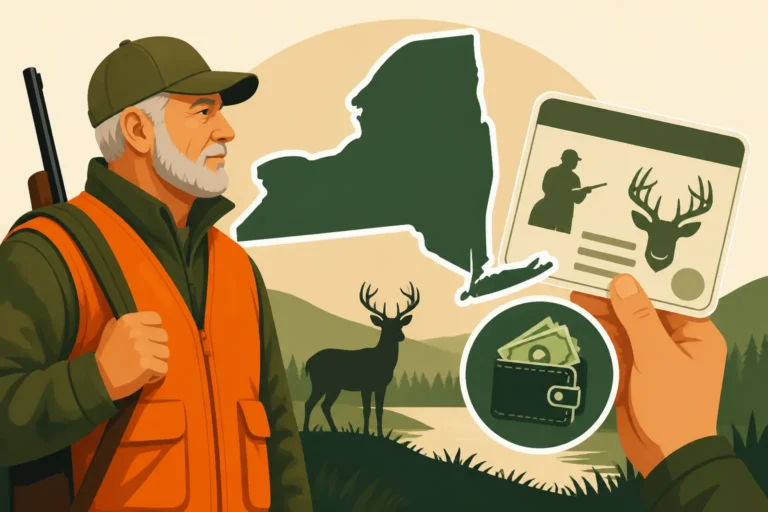
If your sights are set on a New York whitetail or a black bear, the Nonresident Big Game Hunting License is your primary requirement. This license allows you to hunt deer and bear during their respective open seasons, provided you adhere to all regulations regarding hunting methods, seasons, and bag limits. The cost for this license is significantly higher for nonresidents compared to residents, reflecting the state's prioritization of its resident hunters and generating revenue for conservation efforts from out-of-state visitors. For many, the chance to hunt New York's Black Bear Population or pursue big woods deer justifies the investment.
It's important to remember that this license covers the opportunity to hunt, but you'll still need to be aware of the specific New York Deer Seasons by Zone and New York Bear Season by Zone. These seasons vary greatly between the Northern and Southern Zones, and sometimes even within Wildlife Management Units (WMUs). For instance, the Southern Zone typically has a longer archery season and a distinct firearm season that differs from the Northern Zone's schedule. Always consult the most current New York State hunting regulations guide, easily accessible through the NYS DEC website or the HuntFishNY app, to ensure you're hunting within legal dates and areas.
Nonresident Small Game and Upland Bird License
Perhaps you're more interested in the thrill of flushing grouse or chasing rabbits and squirrels. For these pursuits, you'll need the Nonresident Small Game Hunting License. This license typically covers a wide array of species, including cottontail rabbits, squirrels, pheasants, ruffed grouse, and woodcock, during their respective seasons. It's a great option for hunters looking for a different kind of challenge, or those who enjoy combining a deer hunt with some upland bird action.
Keep in mind that while this license covers many species, some migratory birds, like ducks and geese, require additional stamps and certifications. We'll delve into those separately. The seasons for small game and upland birds can be quite generous, offering opportunities from early fall into late winter. Many of these hunts also take place on some fantastic public lands, especially New York State Forests and Wildlife Management Areas, providing accessible options for nonresidents who don't have private land connections. Make sure you're familiar with New York Small Game and Upland Bird Seasons before heading afield.
Nonresident Turkey Permits: Spring vs. Fall
Turkey hunting in New York is an incredibly popular pursuit, and for good reason—the state boasts a healthy and widespread wild turkey population. Nonresidents can participate by purchasing a separate Turkey Permit in addition to their general hunting license. New York offers both a spring and a fall turkey season, each with its own permit and regulations. The spring season is typically a gobbler-only affair, while the fall season often allows for the harvest of either sex, though bag limits and rules can vary significantly by zone.
The cost for a nonresident turkey permit is an additional fee on top of your general hunting license, but it grants you the ability to pursue these wary birds. Understanding New York Spring Turkey Season Rules is vital, as opening dates, bag limits (often one bird in spring, but always check current regs), and shooting hours are strictly enforced. Fall turkey hunting offers different tactics, often involving breaking up flocks and calling birds back in. Regardless of the season you choose, make sure your turkey permit is secured and you've read up on the specific rules for the zone you plan to hunt.
Add-On Privileges and Specialized Permits
Beyond the core hunting licenses, New York requires several additional privileges and permits for specific hunting methods or to harvest extra deer. These are crucial for nonresidents to understand, as they can significantly impact your hunting plan and budget.
Bowhunting and Muzzleloading Privileges
If you plan to hunt deer or bear with a bow or crossbow during the New York's Long Archery Season, or with a muzzleloader during the dedicated Muzzleloader Deer Hunting in New York, you'll need to purchase additional "privileges" or stamps. These are essentially add-ons to your Big Game Hunting License. For example, the Bowhunting Privilege allows you to hunt during the archery seasons, while the Muzzleloading Privilege grants you access to the muzzleloader seasons.
These privileges are separate fees and are mandatory. It's not enough to simply have a Big Game License; you must possess the specific privilege for the weapon type you intend to use. This system ensures that hunters using these specialized methods have demonstrated proficiency (via bowhunter education, for instance) and are aware of the unique regulations associated with them. Make sure to check New York Crossbow and Bow Regulations and understand the specific requirements for these weapon types, including minimum draw weights and broadhead rules. Similarly, familiarize yourself with New York Muzzleloader-Only Weeks and related gear.
Deer Management Permits DMPs
New York's Deer Management Permits, or DMPs, are a critical component for most nonresident deer hunters aiming to harvest antlerless deer. Unlike the general big game license, which typically covers one antlered deer, DMPs allow you to take additional antlerless deer in specific Wildlife Management Units (WMUs). The availability of DMPs is determined annually based on deer population goals in each WMU. For nonresidents, applying for DMPs is the same process as for residents, though the odds of selection can vary significantly by WMU.
DMPs are allocated through a lottery system, and while some WMUs might have generous quotas, others are much harder to draw. It's imperative to apply early, usually in July or August, for the best chance. You can typically apply for multiple DMPs in different WMUs, ranking them by preference. Some WMUs may even offer "instant issue" DMPs later in the season if quotas haven't been met, providing additional opportunities. Understanding New York Deer Management Permits Explained is vital for maximizing your deer harvest opportunities, especially if you're hoping to fill the freezer or manage local deer populations. Many hunters utilize tools like GoHunt to look up WMU-specific draw odds and deer densities before applying.
Federal and State Migratory Bird Stamps
For nonresidents pursuing migratory game birds like ducks, geese, woodcock, snipe, or coots, additional stamps and certifications are required. First, a federal Migratory Bird Hunting and Conservation Stamp (often called a "Duck Stamp") is mandatory for anyone 16 years or older hunting waterfowl. This stamp is purchased separately and must be signed across its face. In addition to the federal stamp, New York requires hunters to register with the Harvest Information Program (HIP). This is a free registration, but it's crucial for migratory bird hunters as it helps wildlife agencies gather vital harvest data.
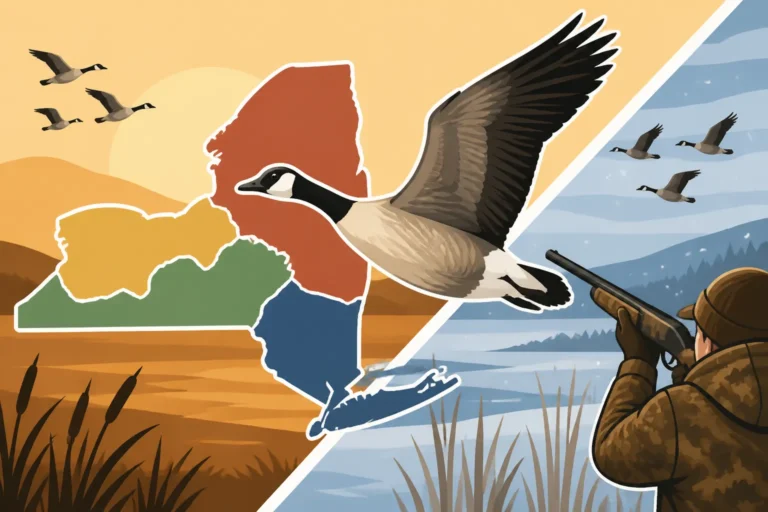
You'll complete your HIP registration when you purchase your New York hunting license. Without both the federal duck stamp (if hunting waterfowl) and HIP registration, you cannot legally hunt migratory birds in New York. While the Nonresident Small Game license covers birds like woodcock and snipe, the federal duck stamp and HIP are specifically for migratory birds regulated at a federal level. Always double-check the specific New York Waterfowl Hunting by Zone regulations, as seasons and bag limits for ducks and geese can vary considerably across the state's different waterfowl zones.
Costs, Purchasing, and Important Considerations
Let's talk about the practicalities: how much these licenses cost and where you can get them. Nonresident fees are often a point of frustration for out-of-state hunters, but it's important to understand these fees directly fund New York's wildlife conservation and management efforts.
Detailed Breakdown of Nonresident License Costs
The cost of New York hunting licenses for nonresidents can be a significant investment, especially when compared to resident fees. It's not just a single "hunting license" but often a combination of a general license, big game privilege, and any additional stamps. Here’s a general idea of what nonresidents might expect to pay, though always verify current prices on the official NYS DEC website, as they can change annually.
| License/Privilege Type | Estimated Nonresident Cost (Annual) | What it Covers |
|---|---|---|
| Annual Small Game Hunting License | $100 – $125 | Small game animals (rabbits, squirrels), upland birds (grouse, pheasant, woodcock) |
| Annual Big Game Hunting License | $140 – $175 | One antlered deer, one bear (requires Small Game License first) |
| Annual Bowhunting Privilege | $30 – $50 | Hunt deer/bear during archery seasons (requires Big Game License) |
| Annual Muzzleloading Privilege | $30 – $50 | Hunt deer/bear during muzzleloader seasons (requires Big Game License) |
| Annual Turkey Permit | $20 – $30 | Spring and Fall Turkey seasons (requires Small Game License) |
| Annual Trapping License | $200 – $250 | Trapping furbearers |
| Federal Migratory Bird Stamp (Duck Stamp) | ~$25 | Waterfowl (ducks, geese, etc.) – purchased separately, federal requirement |
| Habitat & Access Stamp | ~$5 | Optional, but contributes to habitat and public access (highly recommended) |
(Note: These are approximate costs and can change. Always check the official NYS DEC website for the most current pricing.)
It's common for nonresidents planning a deer and bear hunt with both bow and gun to combine several of these. For example, a nonresident might purchase an Annual Small Game License, then add an Annual Big Game Hunting License, a Bowhunting Privilege, and a Muzzleloading Privilege. This can quickly add up, so budgeting for these fees is an important part of your trip planning. You can find more details on New York Hunting Licenses and What They Cost directly on the DEC's platform.
Where and How to Purchase Licenses
New York has made purchasing hunting licenses relatively straightforward, with several convenient options for nonresidents. The most common and easiest method is often through the New York State Department of Environmental Conservation's (DEC) online licensing system, called HuntFishNY. This portal allows you to purchase licenses and permits from the comfort of your home, print them out, or store them digitally on your smartphone. Many hunters find using HuntFishNY without cell service helpful when in remote areas, as you can still view your purchased licenses.
Alternatively, you can purchase licenses in person at various license issuing agents located throughout New York State. These agents include sporting goods stores, bait and tackle shops, and some town clerks. This can be a good option if you prefer a physical license or have questions you'd like to ask in person once you arrive in the state. Finally, licenses can sometimes be purchased over the phone by calling the DEC's license sales unit, though online is often the fastest. Whichever method you choose, make sure you have your hunter education certificate handy, as you'll likely need to provide the certificate number.
Youth and Senior Nonresident Options
New York offers some fantastic opportunities for youth hunters, including a special New York Youth Deer Weekend and youth turkey hunts. While the general nonresident fees apply, there are specific rules and mentoring requirements that make it accessible for younger hunters. Nonresident youth typically need to complete hunter education and must hunt under the direct supervision of a licensed adult mentor. The "Mentored Youth Hunter" program is a great way to introduce the next generation to hunting, allowing youth as young as 12 to hunt certain species under strict guidelines. You can read up on New York Mentored Youth Hunting Rules for more information.
For senior nonresidents, unlike for New York residents, there are generally no specific discounts on nonresident hunting licenses. The standard nonresident fees apply regardless of age. While this might be a slight disappointment for some, the opportunities for a quality hunting experience in New York remain available to hunters of all ages who meet the licensing requirements.
Essential Regulations and Safety Considerations
Getting your license is just the beginning. As a nonresident, it's particularly important to be intimately familiar with New York's hunting regulations, which can differ significantly from your home state. Safety, conservation, and ethical practices are paramount.
New York Hunter Education Requirements and Reciprocity
As mentioned earlier, completing a hunter education course is non-negotiable for most hunters in New York, resident or nonresident. New York Hunter Education Requirements dictate that anyone born after January 1, 1949, must show proof of completion of a hunter education course. This applies to both firearm and bowhunting courses if you plan to use those methods. Luckily, New York recognizes hunter education certificates from other states, provinces, or countries that meet IHEA-USA standards.
When you go to purchase your license, you'll need to provide your hunter education certificate number. If you've never taken a course, or if your state's course isn't recognized, you'll need to complete a New York-approved course. These are offered both in-person and, in some cases, online followed by a field day. Don't wait until the last minute; plan ahead to ensure your certification is in order, as you won't be able to purchase a license without it. This ensures that every hunter afield understands the critical aspects of firearm safety, wildlife identification, and ethical hunting practices.
Chronic Wasting Disease CWD Restrictions
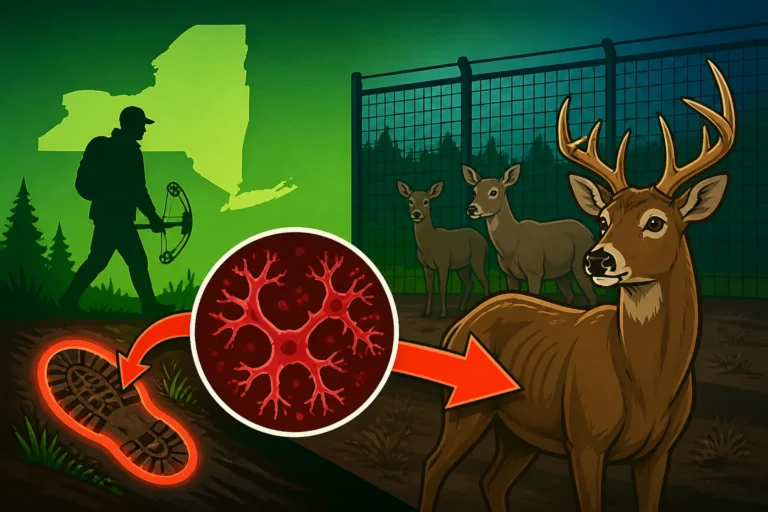
Chronic Wasting Disease (CWD) is a serious neurological disease affecting deer, elk, and moose. While New York has largely remained free of CWD in its wild deer population, there was a captive deer facility case in Herkimer County. As a result, the state has implemented strict CWD Carcass Transport Restrictions to prevent its spread. Nonresident hunters must be acutely aware of these rules, especially regarding the movement of deer carcasses across state lines.
Generally, you cannot bring whole deer or certain high-risk parts (brain, spinal cord, lymph nodes) from outside New York into the state, or vice versa, from certain designated areas. Only deboned meat, clean antlers, hides, and certain taxidermy-ready parts are typically allowed. If you harvest a deer in New York, particularly near or within the former CWD Containment Area (Herkimer County), you need to know what you can legally transport home. The DEC offers free CWD Testing for Hunters in affected areas and provides clear guidelines on how to handle and transport your harvest. Always check the latest CWD regulations before your hunt to avoid potential legal issues.
Blaze Orange Requirements
Safety is always the priority, and New York, like many other states, has blaze orange requirements for certain hunting seasons. Specifically, during the firearm deer and bear seasons, all hunters are required to wear a minimum of 250 square inches of blaze orange or fluorescent pink material, or a cap or hat with at least 185 square inches of such material, visible from all directions. This applies to both public and private land.
While blaze orange is not required during the archery-only seasons, many bowhunters choose to wear it when walking to and from their stands, especially if they are sharing the woods with small game hunters. During the designated Holiday Deer Season, which occurs after the regular firearm season in parts of the Southern Zone, blaze orange rules also apply. Always err on the side of caution and wear sufficient blaze orange to ensure you are highly visible to other hunters. Understanding these rules is a critical part of a safe and successful hunting trip.
Planning Your New York Nonresident Hunt
With your licenses in hand and regulations understood, it's time to fine-tune your hunting plans. Nonresidents often face unique challenges in unfamiliar territory, so thorough preparation is key.
Scouting and Research Tools for Success
Effective scouting is crucial for any hunting trip, but especially so when you're traveling from out of state and may not have intimate knowledge of the local terrain. Fortunately, modern technology has made scouting from afar much more feasible. Digital mapping apps like GoHunt are invaluable resources, allowing you to study topography, identify potential bedding areas, locate pinch points and funnels, and mark stand locations or glassing points. They provide detailed satellite imagery, public land boundaries, and even landowner information that can be vital for securing permission on private tracts. Many hunters rely on these tools for scouting New York Public Land Before Season.
Beyond mapping apps, the NYS DEC website is a treasure trove of information. You can find Wildlife Management Unit (WMU) specific deer and bear harvest data, turkey population estimates, and details about specific State Forests and Wildlife Management Areas. Forums and online hunting communities can also provide local insights, though always be wary of outdated information. Don't underestimate the power of a phone call to a local DEC biologist or conservation officer if you have specific questions about an area or regulations.
Accommodation and Logistics for Your Trip
As a nonresident, planning your accommodation and logistics is just as important as your hunting strategy. New York offers a wide range of lodging options, from rustic cabins in the Adirondacks to hotels in smaller towns near prime hunting areas, or even campgrounds within State Forests. Consider what type of hunt you're planning. A multi-day backcountry deer hunt in the Catskills might necessitate camping, while a weekend turkey hunt might be better served by a nearby hotel or rental.
Factor in travel time to your hunting spot each day, especially if you plan to hunt public land that requires a significant walk-in. Consider fuel costs, vehicle accessibility (some public land roads are seasonal), and whether you'll need a four-wheel drive. If you're bringing a dog for upland birds or tracking, ensure your accommodation is dog-friendly. The more planning you put into these logistical details beforehand, the smoother your actual hunting trip will be, allowing you to focus on the hunt itself rather than unexpected hassles.
Respecting Private Land and Local Communities
While New York boasts extensive public lands, a vast amount of prime hunting ground is privately owned. As a nonresident, gaining access to private land can be a game-changer, but it requires respect and diligence. Always secure written permission before stepping foot on private property. "Knocking on Doors in Southern Tier Farm Country" with a polite demeanor and a clear request can sometimes yield results, especially if you offer to help with deer management.
Beyond private land, it's important to be a good steward of the land and a respectful visitor to local communities. Pack out all your trash, be mindful of noise, and always follow all hunting regulations. Support local businesses, from gas stations to diners, as this fosters positive relationships between hunters and residents. A positive image of hunters helps ensure access and goodwill for everyone. Remember, you're not just representing yourself, but the entire hunting community, and a little courtesy goes a long way in making a positive impression.
Disclaimer
Please remember that hunting regulations, license costs, and season dates are subject to change. Always consult the official New York State Department of Environmental Conservation (DEC) website or the most current New York Hunting and Trapping Regulations Guide before planning or embarking on any hunting trip. This guide is intended for informational purposes only and should not be considered a substitute for official legal documents.