Wild Turkeys in New York
The distinctive gobble echoing through a crisp New York spring morning is an experience unlike any other, yet understanding the ins and outs of chasing wild turkeys across our diverse landscapes can feel like navigating a complex maze. From deciphering seasonal regulations to locating birds in vast public lands or private woodlots, hunters often face a steep learning curve. This comprehensive guide aims to demystify wild turkey hunting in New York, offering insights into their populations, behaviors, and the best strategies to make your next hunt a success.
A Deep Dive into New York's Wild Turkey Population
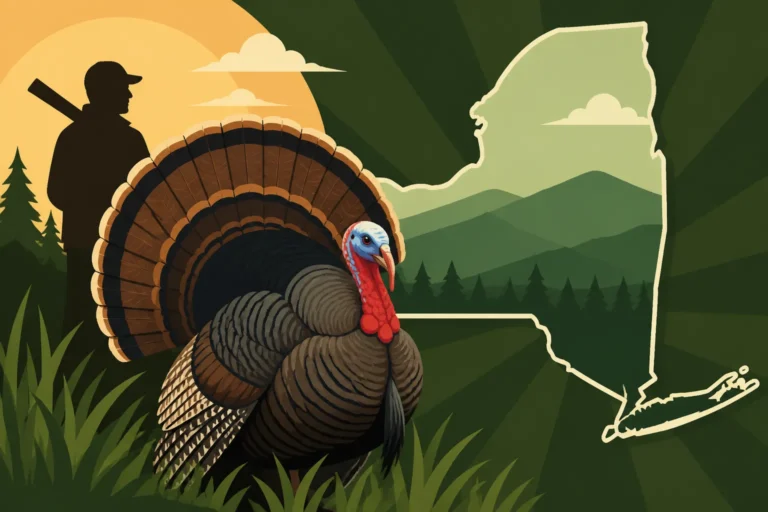
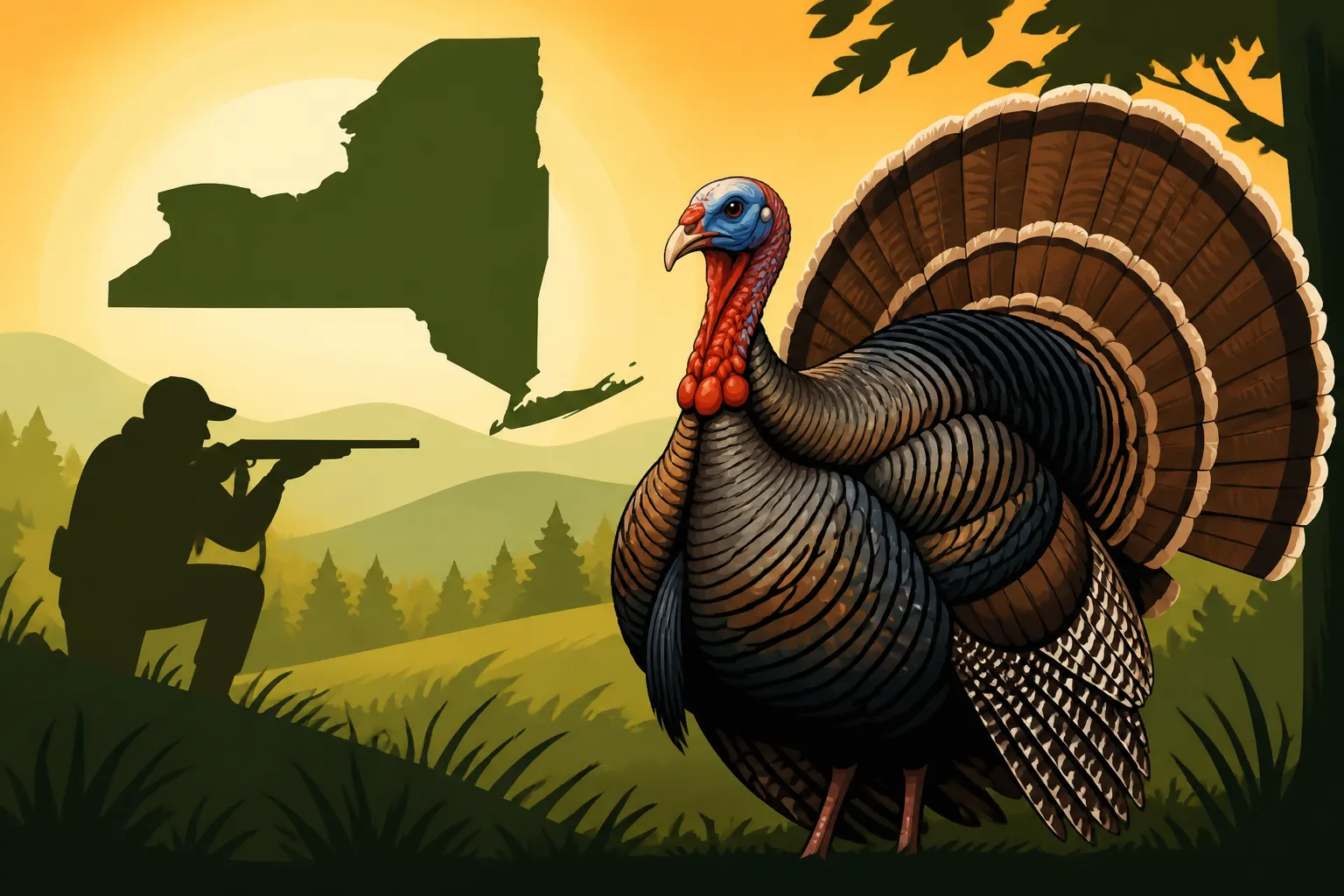
New York's wild turkey population is a true conservation success story, a testament to dedicated management efforts and reintroduction programs. It wasn't always this way; by the mid-1800s, wild turkeys were completely extirpated from the state due to unregulated hunting and extensive deforestation. Fast forward to today, and these magnificent birds thrive across much of the state, offering fantastic hunting opportunities.
The Remarkable Comeback Story
The journey of the wild turkey from extinction in New York to a flourishing population began in earnest in the 1950s. The New York State Department of Environmental Conservation (DEC), in collaboration with other states, embarked on a strategic trap-and-transfer program. This wasn't about releasing pen-raised birds, which proved ineffective in past attempts. Instead, wild-trapped turkeys from states like Pennsylvania were released into suitable habitats across New York. These resilient birds, possessing their innate wild instincts, were able to adapt, reproduce, and establish new populations. This monumental effort, combined with habitat improvements and careful regulation, allowed the population to grow exponentially, spreading from the Southern Tier across the state. It's a prime example of how Turkeys Were Restored to New York, and it's something we can all be proud of as hunters and conservationists.
Current Population Status and Distribution
Today, New York boasts a robust wild turkey population, estimated to be well over 100,000 birds, though these numbers fluctuate based on annual reproduction and winter severity. You can find turkeys in nearly every county, from the dense hardwoods of the Southern Tier to the farmlands of Western New York, and even in parts of the Adirondacks where suitable habitat exists. The success has been so widespread that finding a flock isn't as daunting as it once was, though some areas naturally hold higher densities than others. While they are adaptable, turkeys still prefer a mosaic of mature forests for roosting and security, mixed with open fields and agricultural areas for feeding. Understanding the New York Turkey Population Trends involves looking at things like annual harvest reports and poult-to-hen ratios, which provide crucial insights into how well the birds are reproducing each year.
Factors Influencing Turkey Numbers
Several factors constantly influence the health and density of New York's wild turkey populations. Weather plays a significant role, especially during the critical nesting and brood-rearing periods. Cold, wet springs can lead to poor nesting success and high poult mortality, while mild winters help adult birds survive. Predation from coyotes, bobcats, and even domestic animals can also impact turkey numbers, particularly on vulnerable nests and young poults. Habitat availability and quality are paramount; areas with diverse food sources, good roosting cover, and brood-rearing areas will consistently hold more birds. Disease outbreaks, though less common, can also affect localized populations. The DEC closely monitors these factors, using data from hunter surveys and field observations to guide management decisions, including setting season dates and bag limits.
Where to Find New York's Turkeys: Regional Distribution
While wild turkeys are broadly distributed across New York, their concentrations and the specific types of terrain they inhabit vary significantly by region. Knowing these regional nuances can drastically improve your scouting and hunting success, helping you focus your efforts on areas with the highest potential.
Southern Zone Hotspots
The Southern Zone, particularly the Finger Lakes, Southern Tier, and Catskill regions, is often considered the heartland of New York's wild turkey hunting. These areas are characterized by extensive hardwood forests, rolling hills, and a mix of agricultural fields. Turkeys thrive here due to the abundance of mast crops like acorns and beechnuts, which provide critical food sources, especially in fall and winter. Farmers' fields, whether corn, soybeans, or hay, offer prime feeding grounds and bugging areas for hens and poults in spring and summer. Wildlife Management Units (WMUs) in counties like Steuben, Allegany, Chautauqua, and Delaware consistently show high harvest numbers. When considering Hunting Finger Lakes Region Deer, remember that the same diverse habitat that holds big whitetails often holds healthy turkey populations. Early morning roost hunts are particularly effective in these broken timber areas, especially when you know Where New York Gobblers Roost.
Northern Zone and Adirondack Fringe Opportunities
The Northern Zone, encompassing the vast Adirondack Park and its surrounding foothills, presents a different challenge and opportunity for turkey hunters. While the dense, higher-elevation wilderness areas of the Adirondacks might not hold the same turkey densities as the Southern Zone, the fringes and lower elevation mixed-forest/farm country can be surprisingly productive. Counties like St. Lawrence, Jefferson, and Clinton, especially those bordering agricultural areas, offer good spring hunting. Here, turkeys often utilize riparian corridors, old logging cuts, and mixed hardwood-conifer stands. The birds here can be more spread out, making diligent scouting even more crucial. Hunters using the GoHunt app often find success by overlaying public land maps with aerial imagery to identify these transitional zones and potential food sources within the broader forested landscape.
Long Island and Hudson Valley Surprises
Even closer to more populated areas, the Hudson Valley and Long Island offer legitimate, albeit unique, turkey hunting opportunities. The Hudson Valley, with its mix of suburban sprawl, historic farms, and woodlots, can hold surprising numbers of birds. Access might be more challenging due to private land ownership, but knocking on doors and securing permission can open up some excellent hunting. Long Island, specifically Suffolk County, also has a huntable turkey population, though the seasons and regulations might differ slightly due to the specific management needs of a more densely populated area. These areas often require a stealthier approach and careful attention to legal hunting hours and discharge setbacks. Knowing the specific rules for Hunting the Long Island Fall Turkey Window is critical here.
Public Land Access and Management Areas
New York offers a wealth of public land for turkey hunting, from State Forests to Wildlife Management Areas (WMAs) and portions of the Adirondack and Catskill Forest Preserves. These lands are managed to provide diverse habitats, often including food plots, controlled burns, and timber stand improvements that benefit turkeys. Utilizing resources like the DEC's HuntFishNY app or premium mapping services like GoHunt is invaluable for identifying accessible public tracts, understanding boundary lines, and scouting potential roosting and feeding areas from home. WMAs like Connecticut Hill or Mongaup Valley offer varying terrain and cover, making them popular choices. Always check specific WMA regulations, as some may have unique rules regarding vehicle access, blinds, or even hunting methods.
Understanding New York Turkey Behavior and Habitat
To consistently find and harvest wild turkeys in New York, you really need to get inside their heads – or at least understand their daily rhythms and habitat preferences. Turkeys are creatures of habit, driven by instinct, food availability, and the breeding cycle.
Daily and Seasonal Movements
Wild turkeys are dynamic in their movements, constantly adjusting to food availability, weather, and pressure. In the spring, gobblers are focused on breeding, often traveling significant distances to find hens. They'll fly down from their roosts at dawn, strutting and gobbling to attract mates. Hens, after breeding, will seek out secluded areas for nesting. During the summer, hens and poults form large flocks, often spending their days in grassy fields, pastures, or along field edges, where they can find insects and escape predators. As fall approaches, turkeys shift their focus to mast crops like acorns and beechnuts in the hardwoods. Large mixed-sex flocks will roam extensively, covering many miles in a day to forage. Winter sees them congregating in larger groups, often near reliable food sources like agricultural fields or sheltered evergreen stands for protection from snow and wind.
Roosting Habits and Importance
Understanding where turkeys roost is arguably one of the most critical pieces of information a turkey hunter can possess. Turkeys fly up to roost in trees just before dark, seeking safety from ground predators. They prefer tall, sturdy trees with horizontal branches that offer clear flight paths, often near a water source or on a ridge line. In the Southern Tier, this might mean a large oak or maple, while in the Adirondack foothills, it could be a towering white pine or hemlock. Knowing a turkey's roost tree allows you to position yourself strategically before first light, increasing your chances of a close encounter when the birds fly down. This is where pre-season scouting really pays off, listening for evening gobbles or looking for droppings and feathers under potential roost trees. For more detailed strategies, you might want to look into Roost Hunting New York Gobblers, as it's a tactic that can be extremely effective.
Feeding Patterns and Food Sources
Turkeys are omnivores with a diverse diet that changes with the seasons. In spring and summer, insects, tender greens, and small fruits make up a large portion of their intake, especially for growing poults. You'll often find them bugging in open fields, hay pastures, or along woodland edges. As fall arrives, their diet shifts heavily towards hard mast like acorns, beechnuts, and hickory nuts. These high-energy foods are crucial for building fat reserves for winter. Soft mast like berries, wild grapes, and apples are also important when available. Agricultural fields, particularly those with waste grain from corn or soybeans, become magnets for large flocks in late fall and winter. Recognizing these key food sources in your hunting area is vital for predicting turkey movement and setting up ambushes. After a poor acorn year, turkeys may rely more heavily on other food sources or move to areas with alternative mast crops.
Breeding Behavior and Strutting Zones
The spring gobbler season is all about the breeding ritual. Male turkeys, or gobblers, spend their days displaying for hens. They gobble loudly, fan their tails, drag their wings, and puff up their feathers in an elaborate show designed to attract mates. These displays often occur in specific "strutting zones" – open areas like field edges, logging roads, or ridgetops where they have good visibility and feel secure. Hens will visit these areas to choose a mate. Understanding these behaviors is key to spring hunting. Your calling should aim to mimic the sounds of a receptive hen, drawing a lovesick gobbler into range. Identifying these strutting zones during scouting or even during the hunt by observing turkey sign (drag marks, droppings) is paramount to successful spring turkey hunting.
Key Seasons and Regulations for New York Turkey Hunters
Navigating the various turkey seasons and regulations in New York can sometimes feel overwhelming, but understanding the basics is crucial for a legal and successful hunt. The state offers distinct spring and fall seasons, along with special youth opportunities.
Spring Gobbler Season Rules
New York's Spring Turkey Season is arguably the most anticipated by turkey hunters. It's a true test of calling and woodsmanship. The season typically opens around May 1st across most of the state and runs for about a month. The focus during this season is strictly on bearded birds – adult gobblers or jakes. The bag limit is generous: two bearded turkeys per hunter per season, but only one can be taken per day. This "one per day" rule is important to remember; even if you have two tags, you can't double up on the same morning hunt. Legal hunting hours typically begin 30 minutes before sunrise and end at noon in the Southern Zone, with slightly different hours in the Northern Zone. Understanding these New York Spring Turkey Season Rules is your first step to a successful hunt.
Fall Turkey Season Nuances
The Fall Turkey Season offers a completely different hunting experience. Instead of calling in lovesick gobblers, fall hunting often revolves around locating and breaking up flocks, then calling individual birds back together. The fall season dates and bag limits vary significantly by management zone and even by county. For instance, the Northern Zone Fall Turkey Window is usually shorter and has a stricter bag limit (often one bird of either sex) compared to parts of the Southern Zone, which can have longer seasons and sometimes a higher bag limit. Long Island even has its own unique, often later, fall season. Always consult the current New York State Hunting, Trapping & Fishing Regulations Guide for the precise dates and bag limits for your specific Wildlife Management Unit (WMU) before heading afield. The bag limit in fall can be one or two birds of either sex, depending on the WMU, highlighting the importance of checking local rules.
Youth Turkey Hunting Weekend
New York is committed to fostering the next generation of hunters, and the Youth Spring Turkey Weekend is a shining example of this. Typically held a week before the regular spring season opener, this special weekend allows junior hunters (ages 12-15) to hunt bearded turkeys under the direct supervision of an experienced, licensed adult mentor. The mentor cannot carry a firearm or bow, allowing the youth to have the full experience. This provides a fantastic, less-pressured opportunity for young hunters to learn the ropes and experience the thrill of a spring gobbler hunt. It's an invaluable program for mentoring new hunters and introducing them to the traditions of the sport, much like the broader New York Youth Deer Hunt Rules aim to do for deer hunting.
Bag Limits and Reporting Requirements
The maximum number of turkeys you can take, or "bag limit," is strictly enforced. As mentioned, it's generally two bearded birds in spring (one per day) and one or two birds of either sex in fall, depending on the WMU. Once you harvest a turkey, it is absolutely critical to report your harvest to the DEC. This can typically be done online through the GoHunt app's integrated reporting features (if enabled by DEC), the official HuntFishNY app, or by phone. This data is vital for wildlife biologists to monitor turkey populations, assess harvest rates, and make informed management decisions for future seasons. Failing to report a harvest is a violation and deprives the DEC of crucial data.
Here's a quick comparison of Spring and Fall Turkey Hunting in New York:
| Feature | Spring Gobbler Season | Fall Turkey Season |
|---|---|---|
| Target Birds | Bearded Gobblers and Jakes | Turkeys of either sex (gobblers, jakes, hens, poults) |
| Primary Method | Calling in gobblers with hen yelps, strutting decoys | Breaking up flocks, calling birds back together, still-hunting, ambushing |
| Typical Dates | Early May for about a month | Varies significantly by zone/WMU (late Sept – early Nov) |
| Bag Limit | Two bearded turkeys (one per day) | One or two birds of either sex (varies by WMU) |
| Focus | Breeding behavior, vocalizations, strutting | Flocking behavior, food sources, reassembly calls |
| Gear Nuances | Decoys (strutters, hens), specialized calls | locator calls, different camouflage for stalking |
Essential Gear and Tactics for New York Turkey Hunting
A successful turkey hunt in New York isn't just about knowing the regulations; it's about having the right gear and employing effective tactics tailored to the season and terrain. From firearms to calls, every piece of the puzzle plays a role.
Shotguns, Ammunition, and Chokes
For most New York turkey hunters, a 12-gauge shotgun is the firearm of choice, though 20-gauge shotguns are increasingly popular, especially with modern loads. The key is to pattern your shotgun thoroughly before the season. This means shooting at a paper target at various distances (20, 30, 40 yards) to see how your chosen ammunition and choke perform. A dense, even pattern is crucial for ethical kills. Turkey chokes are specifically designed to constrict the shot column more tightly than a standard full choke, extending your effective range. Common loads include #4, #5, or #6 shot, with newer tungsten super shot (TSS) options gaining popularity for their incredible density and range, though they come at a higher cost. Understanding Turkey Shotguns and Chokes is fundamental to ensuring your setup delivers lethal patterns.
Calls and Decoy Strategies
Turkey calls are the heart of spring hunting. There's a vast array to choose from: diaphragm calls for hands-free calling, slate calls for realistic hen yelps, and box calls for ease of use. Mastering a few basic hen vocalizations – yelps, clucks, purrs – is far more important than owning every call on the market. For fall hunting, locator calls like owl hoots or crow calls can help pinpoint roosted birds or elicit shock gobbles. Decoys, especially lifelike strutter and hen decoys, can be incredibly effective in spring, drawing gobblers into close range. Placement is key: position decoys so an approaching gobbler presents a broadside shot at your comfortable range, usually 15-25 yards. Be mindful of decoy safety, particularly on public land, and use blaze orange when carrying them. For insight into which ones work, check out Decoy Placement for Pressured Birds.
Camouflage, Blinds, and Concealment
Turkeys have incredibly keen eyesight, especially in the spring woods. Full camouflage, from head to toe, is non-negotiable. This includes gloves, a face mask or paint, and camo clothing that breaks up your outline. Many hunters use portable ground blinds, especially in open fields or on public land where natural cover might be sparse. A blind offers excellent concealment and allows for more movement, which can be a huge advantage when dealing with wary birds. When hunting without a blind, always set up with your back against a wide tree trunk, allowing you to break up your outline and minimize detection. Movement is a turkey hunter's biggest enemy, so once you're set up, stay still.
Spring vs. Fall Turkey Hunting Tactics
Spring turkey hunting is generally a game of calling and patience. You're trying to convince a gobbler that a receptive hen is waiting, or to challenge a dominant bird. Often, it involves setting up before daylight, listening for roosted birds, and calling them off the roost, or engaging birds you hear gobbling later in the morning. When Calling a New York Gobbler Off the Roost, remember that less is often more with calling once he's committed. Run-and-gun tactics, where you move and call frequently to locate birds, can also be effective on public land. Fall turkey hunting is a different beast. It often involves finding flocks, trying to "scatter" them to break up their social structure, and then waiting a short while before using "assembly calls" (like kee-ke-runs) to draw scattered birds back to your position. Still-hunting through prime fall habitat, such as oak ridges or cornfields, is also a productive method, especially when you're focusing on hunting a standing cornfield in farm country.
Scouting and Locating Turkeys Before the Season
Effective scouting is the bedrock of successful turkey hunting. You can have the best gear and calling skills in the world, but if you're not where the birds are, it's all for naught. Pre-season preparation gives you a significant edge.
Off-Season Reconnaissance and Sign Reading
Scouting doesn't just happen the week before the season; it's an ongoing process. During the off-season, take walks in your hunting areas. Look for old droppings, tracks, shed feathers, and dusting bowls – shallow depressions where turkeys dust bathe to rid themselves of parasites. These signs indicate that turkeys use the area. Identify potential roosting trees, strutting zones, and travel corridors between feeding and roosting areas. Pay attention to changes in habitat, like recent logging or new agricultural crops. Using an app like GoHunt to mark these locations as waypoints on your map can be incredibly helpful for planning future hunts, especially for things like Scouting New York Public Land Before Season.
Listening for Roosted Birds
A classic and highly effective scouting technique is to listen for roosted turkeys at dawn and dusk. Drive or walk through your intended hunting areas just before sunset, stopping frequently to listen for gobblers flying up to roost or giving a final gobble before dark. In the morning, be in position before first light to listen for "shock gobbles" elicited by owl hoots, crow calls, or even coyote howls. Knowing where a gobbler is roosted the night before is invaluable for planning your morning setup. This pinpointing of specific birds is the first step in executing a successful hunt, and it’s how many hunters get their chance.
Utilizing Topographic and Aerial Maps
Modern mapping tools are revolutionary for turkey scouting. Topographic maps help you understand the terrain – ridges, valleys, and water sources – which influence turkey movement. Aerial imagery, available through many online mapping services and apps like GoHunt, allows you to identify different cover types, field edges, logging roads, and potential food sources from the comfort of your home. You can often spot subtle features like old logging roads that act as natural travel corridors or small clearings that might serve as strutting zones. By combining map study with physical scouting, you can develop a comprehensive understanding of your hunting area's turkey habitat and potential hotspots. This digital reconnaissance is an absolute game-changer for efficiently narrowing down productive areas.
Identifying Food Sources and Water
Turkeys, like all wildlife, need food and water. As you scout, focus on identifying key food sources relevant to the upcoming season. In spring, this might be freshly greening fields or areas with an abundance of insects. In fall, locate oak ridges with a good acorn crop or standing agricultural fields. Water sources are also important, especially in drier periods. Turkeys will often travel to drink, and these areas can be ambush points. Recognizing how these elements are distributed across your hunting grounds helps you predict where turkeys will be and when. Don't forget to look for scratch marks in the leaves, indicating birds have been foraging.
Challenges and Conservation Efforts for New York Turkeys
While New York's wild turkey population is generally healthy, challenges persist, and ongoing conservation efforts are vital to maintain their numbers and ensure future hunting opportunities. Hunters play a crucial role in these efforts.
Predation and Nest Success
Predation is a natural part of the ecosystem, but an imbalance can impact turkey populations, particularly nest success. Raccoons, opossums, skunks, foxes, and coyotes are common predators of turkey eggs and poults. Adult turkeys can fall prey to coyotes, bobcats, and even eagles. While predators are always present, factors like habitat quality directly influence how well turkeys can evade them. Areas with dense undergrowth offer better nesting cover, helping hens conceal their nests. The availability of diverse forage helps poults grow quickly, making them less vulnerable. Monitoring Poult-to-Hen Ratios and What They Mean provides key insights into reproductive success and potential issues from nest predation.
Habitat Loss and Fragmentation
Habitat loss and fragmentation, primarily due to human development, remain long-term threats to wild turkeys. While turkeys are adaptable, they still require specific habitat components: mature forests for roosting, open areas for feeding and breeding, and dense cover for nesting and brood-rearing. As forests are clear-cut for development or agricultural lands are converted, the contiguous habitat turkeys need shrinks and becomes broken up. This forces birds into smaller, more isolated pockets, increasing their vulnerability to predators and reducing genetic diversity. Conservation programs that protect and manage large tracts of forest and farmland, like those supported by hunting license fees, are critical to preserving suitable turkey habitat.
Disease Monitoring and Management
Diseases can occasionally impact local turkey populations. Avian pox, mycoplasmosis, and histomoniasis (blackhead disease) are some of the ailments that can affect wild turkeys. The DEC actively monitors wildlife health and encourages hunters to report any sick or unusually behaving birds. While widespread outbreaks are rare, localized disease issues can occur. Keeping turkey populations healthy often comes back to habitat management and minimizing stress on the birds. Thankfully, New York has maintained a strong biosecurity protocol, and Chronic Wasting Disease (CWD), a major concern for deer, has not been found in wild turkeys.
Hunter Contributions to Conservation
Hunters are, and always have been, key to turkey conservation. Through the purchase of hunting licenses and turkey permits, hunters directly fund the DEC's wildlife management programs, habitat restoration projects, and research efforts. The mandatory harvest reporting provides invaluable data on population trends, sex ratios, and distribution, which biologists use to make informed management decisions. Adhering to regulations, practicing ethical hunting, and advocating for habitat preservation are all ways hunters contribute to the continued health of New York's wild turkey resource, ensuring that future generations can also enjoy the thrill of a gobble in the spring woods.
Field Care and Processing Your New York Gobbler
Congratulations on your harvest! The work isn't over yet. Proper field care and processing are essential to ensure you get the best possible meat and can preserve your trophy if desired.
Immediate Field Care After the Shot
As soon as you recover your turkey, the first step is to tag it immediately according to New York DEC regulations. This means attaching your carcass tag to the bird. If you plan to mount the bird, or even just save the fan and beard, handle it carefully. Avoid dragging the bird by the tail, which can damage the fan feathers. For warm weather, or if you have a long walk out, it's wise to field dress the bird to cool it down. This involves carefully removing the entrails to allow the body cavity to cool more rapidly, preserving the meat. Placing the bird in a game bag can protect it from dirt and insects during transport.
Transporting and Cooling Your Harvest
Once field dressed (or not, if temperatures are very cool), transport your turkey safely. Avoid placing it in direct sunlight or in the trunk of a hot car. An insulated cooler with ice is ideal for longer drives or warmer conditions. If you're planning to take it to a taxidermist, keep the bird cool but not frozen, and ensure it's protected from further damage. If you're just processing for meat, getting it into a cooler or refrigerator as soon as possible is paramount. The faster you cool the meat, the better the quality will be. Remember, the New York Deer Reporting Deadline also applies to turkeys – make sure you report your harvest!
Processing for the Table
Processing a turkey for the table is straightforward. Most hunters opt to breast out the bird, meaning they remove the large breast muscles. You can also save the legs and thighs, which are excellent for slow-cooking or grinding. The wings, while not offering much meat, can be saved for stock. Use a sharp knife to carefully separate the meat from the bone. Once the meat is removed, trim away any silver skin, tendons, or fat. The meat can then be portioned, vacuum-sealed, and frozen for later use. Wild turkey meat is lean and delicious, perfect for a variety of recipes.
Saving a Fan, Beard, and Spurs
Many hunters like to preserve a memento of their turkey hunt. The fan, beard, and spurs are the most common trophies. To save the fan, carefully cut around the base of the tail feathers, ensuring you get all the skin and muscle. You can then clean off any remaining flesh, spread the fan, and dry it with borax or salt. The beard is easily removed by cutting it at the base where it emerges from the breast. Spurs are typically removed with the leg bone attached and can be cleaned and polished. If you plan a full mount, contact your taxidermist immediately after the harvest for specific instructions on how they want the bird prepared.
Disclaimer
Please remember that hunting regulations, season dates, and bag limits are subject to change. Always consult the most current New York State Department of Environmental Conservation (DEC) hunting regulations guide before heading afield to ensure you are in full compliance with all laws. This article is for informational purposes only and should not be considered a substitute for official DEC publications.