New York Bear Cub Survival Rates
It's easy to admire a strong, mature black bear roaming our New York forests, but have you ever stopped to think about what it takes for those majestic animals to get to that point? The journey for a tiny bear cub, from its vulnerable birth in a winter den to navigating the big, wide world, is fraught with challenges. Understanding the complex factors that influence New York bear cub survival rates gives us a crucial insight into the health and future of our beloved black bear population, highlighting just how resilient these creatures truly are and what hurdles they overcome.
The Tender Beginnings: New York Bear Cub Life in the Den
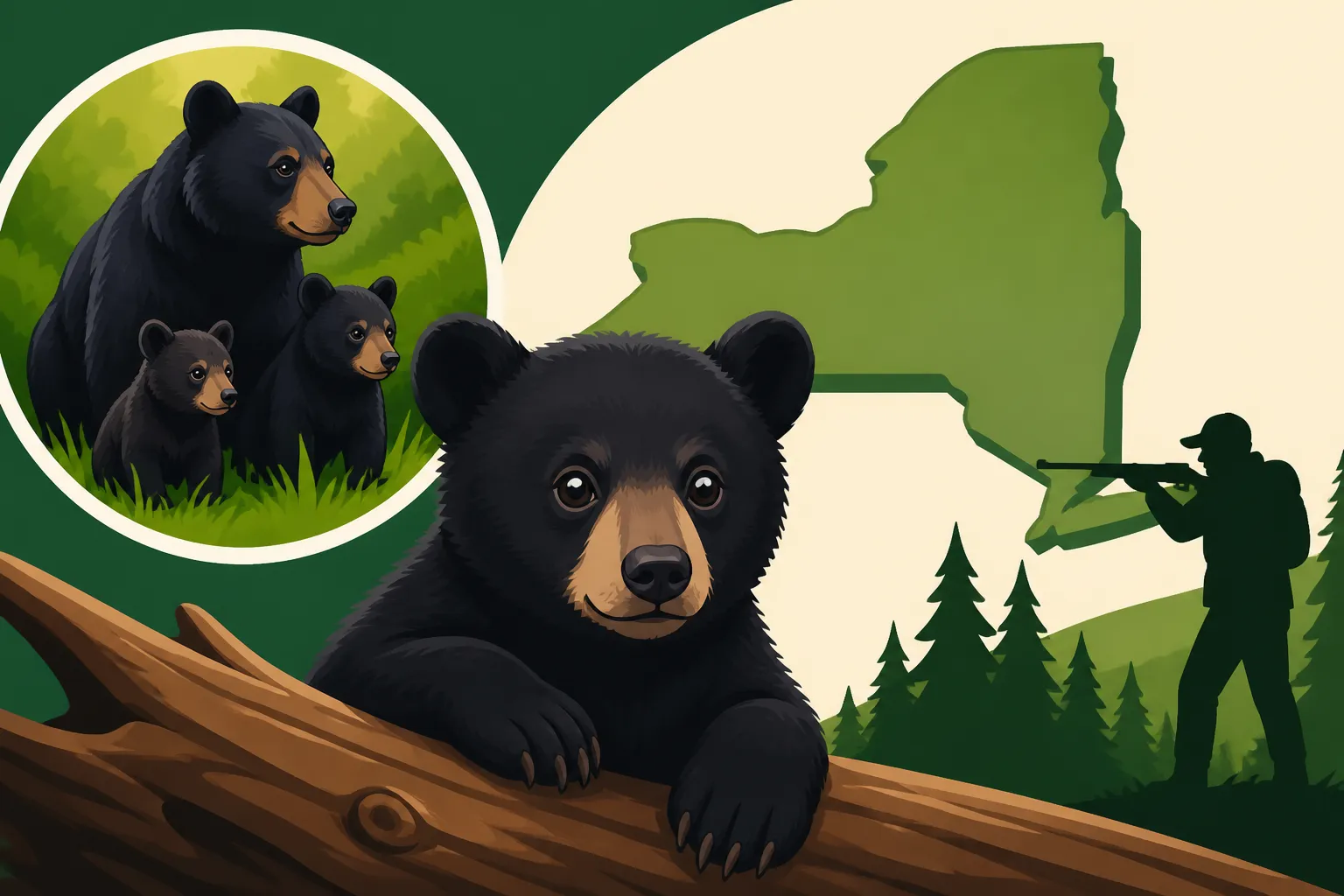
Imagine being born in the dead of winter, tucked away in a dark, quiet den, completely reliant on your mother for warmth, food, and protection. That's the reality for New York's black bear cubs, and these initial months are absolutely critical for their survival.
Denning and Early Vulnerabilities
Black bear cubs are typically born in January or February while their mothers are still in a deep denning state. They're incredibly tiny at birth, weighing only about half a pound, blind, toothless, and covered in fine hair. This stage is arguably their most vulnerable, as they are utterly dependent on the sow. The choice of den site, often a hollow log, a rock cavity, or a dense thicket, provides a crucial layer of protection from the harsh winter elements and potential predators. A well-insulated, secure den means less energy expenditure for the mother to keep her cubs warm, which directly translates to more milk production and healthier cubs.
The mother's body condition going into denning is paramount. If she entered the den exceptionally lean due to a poor mast crop year or other stressors, her ability to produce enough milk for a litter of two or three cubs could be compromised. This foundational period sets the stage for everything that follows, as the cubs grow rapidly, fueled solely by their mother's rich milk. Any issues during these first few weeks can significantly impact their chances of making it to spring.
The Mother's Role in Early Survival
The sow (female bear) is the ultimate protector and provider during these early months. While she might appear to be hibernating, her body is actively sustaining her cubs. She'll awaken to clean them, reposition them for nursing, and generally keep them safe and warm. Her milk is incredibly nutritious, allowing the cubs to gain weight quickly. By the time they emerge from the den in April or early May, they've grown to several pounds, are mobile, and have a thick coat of fur.
Beyond nourishment, the mother teaches her cubs everything they need to know to survive. From identifying edible plants and berries to understanding danger and climbing trees for safety, her lessons are vital. A strong, experienced sow increases her cubs' chances of survival dramatically, not just through direct protection but by imparting the critical skills they will need as they mature. This bond is intense, and the cubs will stay with their mother for about 18 months, often denning with her for a second winter. This extended family unit is a cornerstone of New York's Black Bear Population stability.
Challenges Beyond the Den: Factors Affecting Cub Survival
Once those fuzzy bundles of fur leave the den, a whole new world of challenges opens up. Spring and summer bring abundance, but also new threats that test the resilience of both the cubs and their attentive mother.
Environmental Pressures
The natural world is unpredictable, and environmental factors play a huge role in bear cub survival. A severe late winter or an unusually cold, wet spring can reduce the availability of early forage, impacting the mother's milk production and overall health. But the biggest environmental impact often comes down to food. Bears are opportunistic omnivores, and a strong mast crop year (abundant acorns, beechnuts, or other hard mast) is a game-changer. When natural food sources are plentiful, sows are healthier, their milk is richer, and cubs can pack on crucial weight. This means they're better prepared for their next denning period and generally more robust.
Conversely, a poor food year can lead to leaner mothers, smaller litters, and increased cub mortality. In lean times, sows might have to travel further to find food, exposing their cubs to more risks. We often see fluctuations in New York Bear Harvest Numbers that correlate with these food availability cycles, indirectly reflecting cub recruitment from prior years. Hunters who understand these patterns, perhaps by utilizing scouting tools like GoHunt to analyze habitat and potential food sources, get a better grasp of the local bear population dynamics.
Predation and Accidents
While large predators that would typically target a black bear cub, like wolves or cougars, are not a significant factor in New York (reports of Cougar Reports in New York are rare and unconfirmed), other dangers exist. Coyotes could potentially prey on a very young, unattended cub, though a mother bear is a formidable defender. More common causes of cub mortality include accidents. A fall from a tree, getting separated from the mother during a panicked retreat, or succumbing to illness can all take a toll. Cubs are naturally curious and sometimes their inexperience can lead them into precarious situations.
Sometimes, a cub might simply be abandoned if the mother herself is severely stressed or injured, though this is rare. The strength of the maternal bond means a sow will typically fight tooth and nail to protect her offspring. However, when you're thinking about the sheer size of the How Many Black Bears New York Has, these individual tragic incidents, while infrequent, do contribute to the overall cub mortality statistics.
Human-Wildlife Interactions
Perhaps one of the most significant and increasing threats to bear cub survival rates, especially as Bears Moving Into the Hudson Valley and other suburban fringes, comes from human activity. Road mortality is a serious concern. A sow leading her cubs across a busy road puts the entire family at risk. Cubs, being smaller and less experienced, are especially vulnerable to vehicle collisions. As human development encroaches on Where New York Bears Range, these interactions become more frequent.
Another factor is human conflict. While intentional harm to bears is illegal and widely condemned, interactions can lead to cubs being orphaned if the mother is killed or relocated due to nuisance behavior. Bears that become habituated to human food sources, like garbage or bird feeders, are more likely to encounter people and face negative consequences. This habituation often starts with the mother teaching her cubs to forage in these "easy" spots. This is why proper waste management in bear country is so important, to teach bears to stay wild and for their own safety. If you're hunting bears, being aware of areas with higher human presence can inform your approach, especially during seasons like the New York Southern Zone Bear Opener.
The Journey to Independence: Yearling Survival and Beyond
The goal for every bear cub is to eventually become an independent, breeding adult. But even after surviving their first year, the road to full independence brings its own set of trials.
Dispersal and New Dangers
After spending approximately 18 months with their mother, the cubs, now yearlings, are typically "kicked out" as the sow prepares to breed again. This dispersal phase, usually in late spring or early summer, is another critical period. These young bears must now navigate the world entirely on their own, finding their own food, establishing a home range, and avoiding dangers. They are often smaller and less experienced than established adult bears, making them more susceptible to competition for resources and potential aggression from older males.
During dispersal, yearlings often undertake significant journeys, sometimes traveling many miles to find suitable, unoccupied territory. This increased movement means a higher risk of encountering roads, crossing paths with other bears (which can lead to injury or displacement), and struggling to find consistent food sources. It's a tough rite of passage, and not all yearlings make it through this vulnerable time. Understanding where young bears might be moving is part of effective Scouting New York Public Land Before Season for any hunter.
Monitoring and Management Efforts
The New York Department of Environmental Conservation (DEC) works hard to monitor and manage the state's black bear population to ensure healthy survival rates across all age classes. They collect a wealth of data, often relying on hunters for critical information. For example, hunters who harvest a bear are asked to Submitting a Bear Tooth Sample. These teeth provide invaluable data on the bear's age, which helps biologists understand population demographics, including cub recruitment and overall longevity. This helps them track trends in cub survival and adjust management strategies if needed.
Research and field studies also involve tracking sows with cubs to directly observe survival rates, denning behavior, and foraging success. By understanding the intricate lives of these animals, especially during their most vulnerable stages, the DEC can implement policies that support robust bear populations, ensuring that future generations of hunters and wildlife enthusiasts can continue to appreciate New York's black bears for years to come. Whether you're interested in Hunting Bears Over Natural Food Sources or simply observing them, these management efforts are vital.
Here's a look at some of the key factors influencing bear cub survival rates in New York:
| Factor | Impact on Cub Survival | Critical Period | Management/Mitigation |
|---|---|---|---|
| Mother's Body Condition | Directly affects milk quality & quantity, cub birth weight | Denning | Habitat management for abundant natural food |
| Natural Food Availability | Influences sow's health, cub growth, energy reserves | Post-Denning | Forest management (mast crops), minimize human food |
| Winter Severity | Den insulation, sow's energy for warmth, early spring forage | Denning | Healthy habitat allows for better den selection |
| Den Quality/Security | Protection from elements and predators | Denning | Habitat protection, minimizing disturbance |
| Human-Caused Mortality | Vehicle collisions, conflicts over food, illegal take | Year-round | Education, waste management, enforcement |
| Predation/Accidents | Rare for predation, but falls, disease, abandonment possible | Post-Denning | Healthy populations reduce individual vulnerabilities |
| Dispersal Challenges | Risk of starvation, conflict with other bears, road mortality | Yearling | Ensuring contiguous habitat, reducing fragmentation |
The journey from a tiny, blind cub to a robust, independent black bear is a testament to the resilience of nature and the dedication of New York's wildlife management efforts. Each factor, from the abundance of acorns to the careful choices we make as humans, plays a part in determining how many of those precious cubs will ultimately survive and contribute to the magnificent New York's Black Bear Population we cherish across the state.
Disclaimer
This article is for general informational purposes only and does not constitute professional advice. Laws, prices and regulations vary by location and change over time. Consult a qualified professional for guidance on your specific situation.