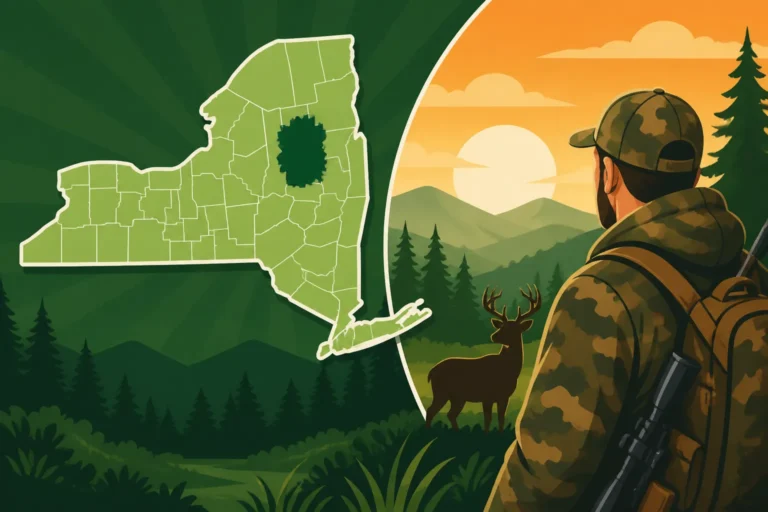
New York Deer Camps and Cabins
For many New York hunters, the dream of a deer camp is a powerful one, often conjuring images of camaraderie, rustic simplicity, and deep woods pursuits. However, turning that dream into a reality, whether it's finding a place to lease, rent, or even set up a primitive camp on public land, can be far more complex than the campfire stories suggest. This guide aims to break down the ins and outs of New York deer camps and cabins, helping you navigate the options and make your hunting season a success, no matter your budget or preferred level of comfort.
The Allure of the New York Deer Camp Tradition
There's something almost sacred about the idea of a deer camp. It’s a concept steeped in generations of hunting lore, a place where stories are told, skills are honed, and bonds are forged over crackling fires and shared meals. For many, it's not just about the hunt itself, but the entire experience surrounding it.
More Than Just a Place to Sleep: The Experience
A deer camp, in its truest form, is a temporary home away from home, a base of operations for a season or a specific hunt. It's where you gather before dawn, shivering excitedly as you pull on cold boots, and where you return after dark, tired but often invigorated, to share the day's tales. This shared experience creates a unique culture. From the early morning coffee brewing to the late-night card games, every moment contributes to the camp's character. It's a place where you can disconnect from the daily grind and immerse yourself fully in the natural world, surrounded by like-minded individuals who understand the pursuit.
Beyond the hunting itself, these camps often become focal points for scouting, processing game, and even just simple relaxation. They provide a vital space for reflection and preparation, allowing hunters to analyze sign, strategize for the next day, and fine-tune their gear. The experience extends beyond the boundaries of the camp itself, bleeding into the woods and back again, creating a continuous narrative throughout the hunting season.
The Role of Tradition in New York Hunting Culture
New York has a rich hunting heritage, and deer camps are a cornerstone of that tradition. Whether it's an old family cabin passed down through generations in the Catskills or a newly established lease in the Southern Tier, these camps are places where traditions are upheld and new ones are born. From specific opening day meals to the way game is processed and shared, every camp develops its own unique customs. These traditions often serve to reinforce the values of ethical hunting, respect for wildlife, and stewardship of the land.
Think of the annual pilgrimage to a cabin in the Adirondacks, where the same group of hunters has gathered for decades, sharing stories of past seasons and teaching younger generations the ropes. This isn't just about killing a deer; it's about continuity, passing on knowledge, and fostering a deep appreciation for the outdoors. These traditions can be incredibly powerful, providing a sense of belonging and connection to a larger community of hunters across the state, from the rugged mountains to the sprawling farmlands. New York Deer Camp Costs can vary wildly, but the value of these traditions is often immeasurable.
Different Flavors of "Camp": From Rustic to Refined
When we talk about "deer camp," it's important to realize that it's not a one-size-fits-all concept. On one end of the spectrum, you might have a truly rustic setup – a canvas tent on public land, a primitive lean-to, or a bare-bones cabin with no running water or electricity. This is often the choice for those seeking a pure, unadulterated wilderness experience, where every comfort is earned. It emphasizes self-reliance and a deep connection to the raw elements of the environment.
On the other end, "camp" could mean a well-appointed lodge with all the amenities, including hot showers, a fully equipped kitchen, and even Wi-Fi. Many hunters, especially those with families or who prefer more comfort after a long day in the woods, opt for these more refined accommodations. There are also many options in between, from small, shared cabins with basic utilities to rented houses in rural areas. The "flavor" of your camp ultimately depends on your personal preferences, budget, and the type of hunting experience you're after.
Finding Your Base: Types of Hunting Lodging in New York
Deciding on the right type of hunting lodging is a crucial step in planning your New York deer season. Each option comes with its own set of advantages and challenges, dictating everything from your daily routine to the overall cost of your hunt.
Rustic Cabins and Seasonal Leases
For many, the classic New York deer camp involves a rustic cabin, whether owned, leased, or rented for a season. These cabins often strike a balance between comfort and ruggedness. They might have a wood stove for heat, a propane cooktop, and perhaps a hand pump for water, embodying the spirit of traditional hunting life. Finding one to lease can be a great option for a group of hunters who want a consistent base of operations year after year without the commitment of ownership. These leases are often secured directly with private landowners and can offer exclusive access to hunting grounds.
When pursuing a seasonal lease, word-of-mouth is often king, but tools like onX Hunt can be incredibly valuable for identifying potential landowners and understanding property boundaries. You can use its satellite imagery to scout potential hunting areas near a cabin, identify promising funnels or food sources, and even pinpoint potential access points. Remember, a good lease is about more than just the cabin; it's about the quality of the hunting land surrounding it and the relationship you build with the landowner. Getting Private Land Permission in New York is always key, whether leasing or just asking for day access.
Commercial Hunting Lodges and Guided Experiences
If you prefer a more curated experience, or if you're new to hunting in New York and want to maximize your chances, commercial hunting lodges and guided trips are an excellent choice. These operations typically offer comfortable lodging, home-cooked meals, and experienced guides who know the local terrain and deer patterns inside out. Many lodges cater to specific types of hunts, whether it's early season archery, the peak of the rut, or a late-season muzzleloader hunt. They handle many of the logistics, allowing you to focus solely on the hunt.
While often a more expensive option, commercial lodges provide convenience and expertise that can be invaluable. They can offer insights into Deer Density by New York Wildlife Unit and often have established relationships with private landowners for exclusive access. Some lodges even provide services like game recovery, processing assistance, and dog training areas. Before booking, research thoroughly, read reviews, and clarify what's included in the package – transportation, meals, guiding services, and processing options. This is a great way to experience premier hunting in areas like the Finger Lakes or Southern Tier without needing to secure your own private land access or long-term lease.
Public Land Camping and Remote Backcountry Sites
For the true adventurer and budget-conscious hunter, camping on New York's vast public lands offers an unparalleled opportunity to create your own deer camp experience. This could range from established campgrounds with some amenities to primitive backcountry sites where you carry everything in on your back. The Adirondack and Catskill Forest Preserves, State Forests, and certain Wildlife Management Areas (WMAs) all offer opportunities for camping, though rules and regulations vary. Camping Rules on New York State Forest Land often include specifics on how long you can stay and what structures are allowed.
Setting up a remote camp requires careful planning, especially regarding water, food, and waste management. Using apps like onX Hunt to identify public land boundaries and potential camp spots that are far from common access points can be a game-changer for avoiding Opening Weekend Crowds in the Southern Zone and other heavily trafficked areas. It's a fantastic way to immerse yourself in the wilderness and experience hunting in its most primal form. You'll need reliable gear, a good understanding of navigation, and a strong sense of self-reliance, but the rewards of a truly wild camp can be immense, offering solitude and a deep connection to the landscape.
Navigating the Costs and Logistics of a New York Deer Camp
The financial and logistical aspects of a deer camp can be daunting, but with careful planning, it's entirely manageable. Understanding these factors upfront will help you choose the right type of camp for your situation and avoid unwelcome surprises.
Understanding Lease Agreements and Shared Expenses
If you're considering a private land lease for a cabin or hunting ground, the agreement itself is paramount. Lease terms can vary widely, from a simple handshake deal to a formal, legally binding contract. Key elements to clarify include the duration of the lease, the specific boundaries of the land, what activities are permitted (hunting, camping, ATV use, timber stand improvements), and the number of hunters allowed. It's crucial to understand payment schedules and any clauses regarding liability or insurance.
For groups, shared expenses are a major consideration. This includes the lease fee itself, utilities (if applicable), maintenance costs, and shared supplies like firewood or propane. Clear communication and a formal agreement among camp members about how these costs will be split and managed can prevent disputes down the line. Many camps establish a "camp fund" where each member contributes annually to cover these collective expenses.
Renting vs. Owning: The Long-Term Investment
Deciding between renting/leasing and owning a hunting cabin is a significant financial decision, much like buying a home. Renting or leasing offers flexibility; you're not tied to one location, and you can try out different areas or types of hunting without a long-term commitment. It generally involves lower upfront costs and fewer responsibilities for maintenance and property taxes. This is often an ideal solution for younger hunters or groups just starting out, allowing them to test the waters before diving into ownership.
Ownership, on the other hand, is a long-term investment. While it comes with substantial upfront costs and ongoing expenses (mortgage, taxes, insurance, maintenance), it also offers complete control over the property. You can make improvements, manage the habitat for deer, and build a lasting legacy. For some, owning a piece of New York wilderness, whether it's a cabin in The Catskill Forest Preserve or a small tract adjacent to New York State Forest Hunting land, is the ultimate dream. Consider your financial situation, your hunting goals, and your desired level of commitment when weighing these options.
Essential Camp Amenities and Necessities
Regardless of whether your camp is rustic or refined, certain amenities and necessities are universal for a successful and comfortable hunting experience. A reliable heat source, whether it's a wood stove, propane heater, or electric baseboard, is vital, especially during late-season hunts when Muzzleloader Tactics in December Cold are in play. Cooking facilities, even if just a camp stove, are a must. Water sourcing and storage are critical; for primitive camps, this means having a plan for bringing in potable water and managing greywater.
Consider your lighting, sleeping arrangements, and basic sanitation. A good first-aid kit is non-negotiable, particularly for remote camps. Communication devices, like a satellite messenger if you're truly off-grid, are important safety tools. Finally, a robust plan for game care, including butchering tools and a way to cool or freeze meat, is essential, especially during warmer early archery seasons. Even simple things, like comfortable chairs and a good table for planning hunts, can significantly enhance the camp experience.
Legalities and Regulations for Hunting Camps in New York
Hunting in New York, and particularly establishing a camp, comes with a set of legal and regulatory considerations. Understanding these rules is not just about compliance, but about being a responsible and ethical hunter.
Permitting and Land Use Rules on Public Lands
Camping on public lands in New York, whether in the Adirondacks, Catskills, or State Forests, is generally permitted but often comes with specific rules. For example, within the Forest Preserve, there are regulations about how far you must be from roads or water sources, the duration of your stay, and whether you can construct permanent structures. Many areas have "primitive camping" rules, meaning no permanent structures and a Leave No Trace ethic is paramount. It’s critical to check with the specific land management agency (e.g., DEC for State Forests, Adirondack Park Agency for certain areas) for the exact rules for your chosen location.
For public land camping, understanding where you can legally set up a tent or temporary shelter is key. Mapping tools like GoHunt can show public land boundaries, which is invaluable for ensuring you're not inadvertently trespassing or violating specific land use regulations. These tools can also highlight designated camping areas or areas where dispersed camping is permitted. Always practice Leave No Trace principles: pack out everything you pack in, minimize campfire impacts, and properly dispose of human waste.
Private Land Leases and Trespass Laws
When leasing private land for a hunting camp, it's essential to have a clear understanding of New York's trespass laws. Even if you have a verbal agreement, written permission is always best, outlining the specific individuals allowed to hunt and camp, and the dates of access. New York law is quite clear: hunting on posted private land without permission is illegal, and retrieving game from posted land often requires landowner consent. A lease agreement typically grants you this permission, but it should be explicit.
Furthermore, hunters leasing land should be aware of their responsibilities regarding other users of the property, such as hikers or trappers, if those activities are also permitted. Clarify with the landowner what, if any, improvements you can make to the land (e.g., food plots, new stands), and what the expectations are for leaving the property at the end of the lease term. Clear boundaries, well-marked by signs, are also important, not just for your own security, but to prevent accidental trespass by others. Make sure you understand the nuances of New York Trespass and Permission Law.
Addressing Waste, Water, and Wildlife Interactions
Operating a hunting camp, especially in remote areas, demands careful consideration of waste management, water sourcing, and how your presence impacts local wildlife. For primitive camps, a plan for human waste disposal (e.g., catholes dug well away from water sources) is crucial. All trash, including food scraps, must be packed out. Improper waste disposal can attract nuisance wildlife like bears or coyotes, creating dangerous situations and violating regulations against feeding wildlife.
Water safety is another vital aspect. If you're relying on natural water sources, bring a reliable water filter or purification tablets. Never assume stream water is safe to drink untreated. Finally, understand that establishing a camp, even temporarily, means you're entering wildlife habitat. Store food securely, well away from sleeping areas, in bear-resistant containers or hung from trees if in bear country. Be mindful of your noise levels and respect wildlife space, especially during sensitive times like breeding seasons. This responsible approach ensures minimal impact on the environment and a safer experience for all.
Making the Most of Your Camp: Pre-Season Prep and In-Season Living
A deer camp is more than just a place to stay; it's a strategic hub. To truly maximize your hunting success and overall experience, you need to integrate your camp into your pre-season preparation and your in-season routines.
Pre-Season Scouting and Habitat Improvement from Camp
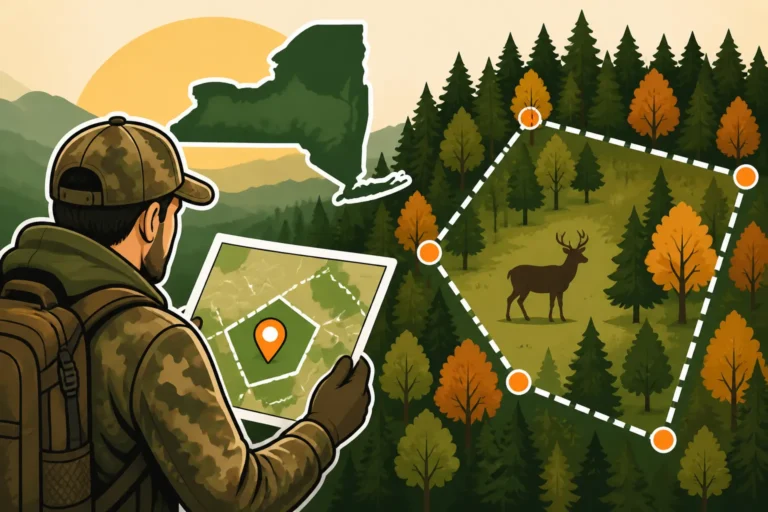
One of the greatest advantages of having a dedicated deer camp, especially a leased or owned property, is the ability to conduct extensive pre-season scouting and even implement habitat improvements. Instead of just flying in and hunting blind, you can spend weekends throughout the spring and summer exploring the land, identifying deer trails, rub lines, and historical bedding areas. Using mapping apps like onX Hunt or GoHunt to drop waypoints for deer sign, potential stand locations, and access routes can turn your phone into an invaluable scouting tool. This detailed knowledge of the terrain gives you a significant edge when the season opens.
Beyond scouting, a camp provides a base for habitat work. This could include hinge-cutting for bedding cover, planting small food plots, clearing shooting lanes, or setting up mineral sites (where legal). Even on public lands, a well-placed primitive camp can serve as a base for Scouting New York Public Land Before Season, allowing you to spend more time in the woods without daily travel. The more effort you put in pre-season, the more intimately you'll understand the land, and the more rewarding your actual hunt will be.
Managing Game and Meat Care at Camp
The moment of truth arrives when you successfully harvest a deer, and your camp becomes critical for proper game and meat care. Having a clean, organized space for field dressing, skinning, and butchering is essential, particularly if you're not taking your animal directly to a processor. A dedicated area, possibly with a hoist or gambrel, makes the process much more efficient. In warmer early season conditions, quick cooling of the carcass is paramount to prevent spoilage. This might involve large coolers filled with ice or specialized game bags designed to breathe. Our article on Field Dressing a Deer in Cold Weather offers some great tips.
For those who prefer to process their own game, having the right tools and a clean workstation at camp is a huge advantage. This includes sharp knives, a bone saw, and plenty of clean towels. A good camp will also have a plan for meat storage, whether it’s a dedicated freezer, a large cooler rotation, or even arrangements with a local butcher for quick processing. Proper handling at camp ensures high-quality venison for your table. For hunters interested in Butchering a Deer at Camp, having the space and tools can save time and money.
Fostering Community and Camp Etiquette
Finally, the success of any deer camp, especially one shared among friends or family, hinges on fostering a strong sense of community and adhering to unspoken (or spoken) camp etiquette. Respect for others' space, gear, and hunting styles is crucial. Shared responsibilities, whether it's cooking, cleaning, or gathering firewood, help keep the camp running smoothly and prevent resentment. Open communication about hunting plans, areas to be hunted, and safety protocols is paramount for a harmonious and safe environment.
A good camp is a place of mutual support, where triumphs are celebrated and frustrations are understood. It's where seasoned hunters mentor newcomers, and everyone contributes to the collective good. Table manners, keeping noise down at appropriate hours, and respecting personal boundaries all contribute to a positive atmosphere. Ultimately, a successful deer camp isn't just about bagging an animal; it's about the enduring friendships and memories made around the campfire, year after year.
Here’s a quick overview of different lodging options:
| Lodging Type | Typical Cost (Relative) | Amenities | Privacy/Exclusivity | Work Involved (Hunter) | Ideal For |
|---|---|---|---|---|---|
| Rustic Private Cabin Lease | Medium | Basic (wood stove, no running water) | High | Medium (maintenance, shared chores) | Groups seeking tradition, consistent access, shared costs |
| Commercial Lodge/Outfitter | High | Full (hot showers, meals, guides) | Medium (shared facility) | Low (focus on hunting) | New hunters, time-constrained hunters, comfort seekers |
| Public Land Primitive Camp | Low | None (tent, lean-to) | High (can be very remote) | High (pack in/out, self-sufficient) | Adventurous hunters, budget-conscious, pure wilderness experience |
| Rented Private Home | Medium-High | Varies (usually modern) | High | Low (cleaning, basic upkeep) | Families, mixed groups, comfort-oriented, short stays |
Disclaimer
This article is for general informational purposes only and does not constitute professional advice. Laws, prices and regulations vary by location and change over time. Consult a qualified professional for guidance on your specific situation.