Nonresident Access to New York Public Land
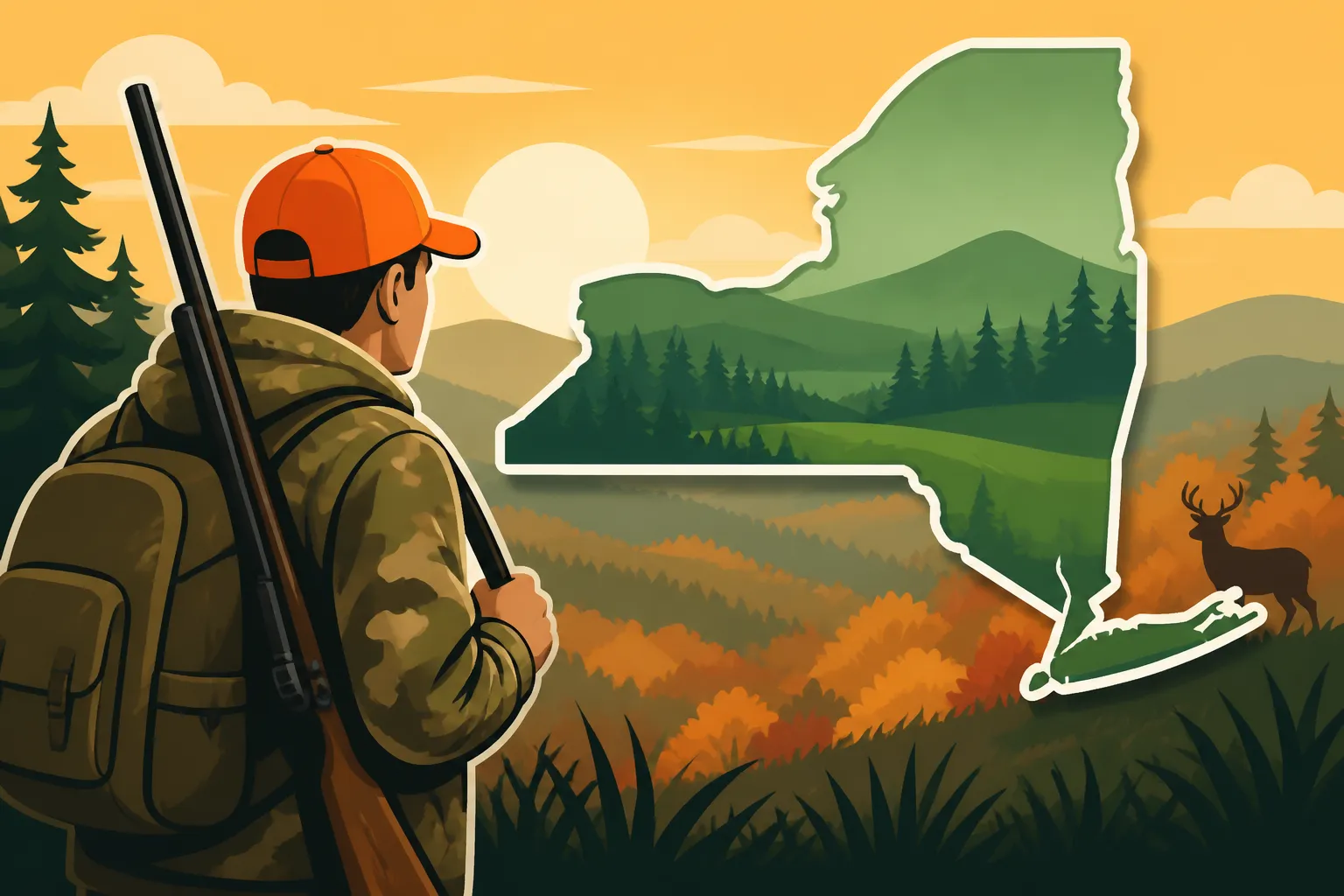
It’s a common question I hear from folks outside New York: "Can I even hunt your public land as a nonresident? Is it going to be a bureaucratic nightmare, or are there special restrictions I don't know about?" The good news is, New York absolutely welcomes nonresident hunters to its public lands, offering incredible opportunities from the vast Adirondack wilderness to rolling Southern Tier state forests. This guide will walk you through everything you need to know to confidently plan your nonresident hunting adventure in the Empire State.
Understanding New York's Public Land Landscape for Nonresidents
When you're coming from out of state, the sheer volume and variety of New York's public land can feel a little overwhelming. But rest assured, once you understand the different categories and what they offer, you'll see that there's a place for every type of hunter. Nonresidents generally have the same access rights to these public lands as residents, provided they have the proper licenses and permits.
Types of Public Land Available
New York boasts a diverse array of public hunting grounds, each with its own character and opportunities. The two crown jewels, in many hunters' eyes, are the Adirondack and Catskill Forest Preserves. These are vast tracts of constitutionally protected "Forever Wild" land, meaning they are largely untouched by commercial logging and offer truly wild hunting experiences. Imagine deep woods, rugged mountains, and the chance to chase deer and bear in solitude. While they demand more physical effort and navigation skills, the rewards can be immense. For a deeper dive into the specifics, check out The Adirondack Forest Preserve and The Catskill Forest Preserve.
Beyond the preserves, you'll find numerous State Forests. These lands are actively managed for timber and wildlife, often featuring a mix of mature hardwoods, regenerating clearcuts, and established trail systems. They can be fantastic for deer, turkey, and grouse, especially in the Southern Tier and central regions. New York State Forest Hunting can give you a better idea of what to expect.
Then there are the Wildlife Management Areas (WMAs). These are properties specifically acquired and managed by the New York State Department of Environmental Conservation (DEC) for wildlife habitat and public recreation. WMAs are often strategically located in prime habitat areas and can offer excellent hunting for a variety of species, though they might see higher hunting pressure due to their accessibility and known game populations. Each WMA might have specific rules, so always do your homework before heading out. To learn more about these areas, see New York Wildlife Management Areas.
Lastly, don't forget the Finger Lakes National Forest, a unique expanse offering diverse habitat and hunting opportunities, or the various county forests and regulated access areas that can also provide fantastic hunting.
Key Differences from Resident Access
When it comes to actually using the public land, there are very few functional differences between residents and nonresidents. Once you've secured your New York hunting license and any necessary permits, you operate under the same rules and regulations as a resident hunter. You can set up your treestand in a state forest, hike miles into the Adirondacks, or hunt a WMA field edge with the same privileges.
The primary difference, as you might expect, lies in the cost of licenses and permits. Nonresident licenses are typically more expensive than those for New York residents. This is pretty standard across most states and helps fund wildlife conservation efforts within the state. Another subtle difference might be the process of familiarization. Residents often grow up with the system, understanding local nuances or preferred permit application methods. As a nonresident, you'll just need to be a bit more diligent in your research and planning to ensure you're squared away on all the paperwork before you arrive. This slight hurdle is easily overcome with a bit of online research and perhaps a call to the DEC if you have specific questions.
Navigating Regulations and Requirements
The biggest hurdle for any nonresident hunter in a new state is usually understanding the licensing structure and specific regulations. New York's system is fairly straightforward, but it requires careful attention to detail. Don't let the paperwork intimidate you; it's a necessary step to ensure you're hunting legally and ethically.
Licensing and Permits for Out-of-Staters
To hunt in New York, every nonresident needs a New York nonresident hunting license. This is your basic entry ticket. On top of that, you'll likely need specific privileges depending on what you intend to hunt. For example, if you plan to bowhunt for deer, you'll need a Bowhunting Privilege. If you want to use a muzzleloader, you'll need a Muzzleloading Privilege. And of course, if you're chasing gobblers in the spring, a Turkey Permit is essential. You can usually purchase all these components through the New York DEC's online licensing system, over the phone, or at authorized license issuing agents across the state. For a comprehensive overview of costs and options, check out New York Nonresident Hunting License Options and New York Hunting Licenses and What They Cost.
A critical component for deer hunters is the Deer Management Permit (DMP), often referred to as an antlerless tag. Nonresidents are absolutely eligible to apply for DMPs. The application process is generally the same as for residents, though selection odds can vary by Wildlife Management Unit (WMU). It's crucial to apply within the specified application periods. Some WMUs have "unlimited" DMPs, while others are "limited" and allocated via a lottery system. This means you need to research your chosen WMU's specific DMP availability before applying. You can often apply for additional DMPs as the season progresses, especially in WMUs with low harvest pressure, so keep an eye on the DEC's updates throughout the fall.
Specific Rules for Public Land Use
Beyond your basic license and permits, New York has specific rules that apply to all hunters, and some that are unique to public lands.
- Blaze Orange/Pink: For instance, during the firearm deer season, hunters are required to wear specific amounts of blaze orange or pink. This is a non-negotiable safety rule. To be sure you're compliant, check out New York Blaze Orange Requirements.
- Legal Shooting Hours: There are strict legal shooting hours that vary throughout the season based on sunrise and sunset, which you'll need to adhere to.
- Firearms Discharge Setbacks: You cannot discharge a firearm within a certain distance of occupied buildings, a rule designed to protect properties and people.
- Treestands and Ground Blinds: On public lands, there are usually specific regulations regarding the use and placement of treestands and ground blinds. For example, many state forests and WMAs prohibit the use of screw-in steps or damaging trees, requiring portable stands that leave no trace. It's also common for stands to need to be removed by a certain date after the season. For detailed information, review Treestand Rules on New York Public Land and Ground Blind Rules on New York WMAs.
- Trail Cameras: If you like to scout with trail cameras, be aware that there are rules governing their use on public land as well, particularly concerning their identification and removal. Learn more at Trail Camera Rules on New York Public Land.
- Camping and Vehicle Access: Camping is often permitted on state forests and preserves, but typically with restrictions on duration, location, and fire use. Vehicle access on public land roads can also be limited, with many roads gated seasonally or permanently. Always consult the specific land manager's rules before planning an overnight stay or driving off main roads.
It might seem like a lot to remember, but a good strategy is to focus on the general state hunting regulations first, then layer on any specific rules for the particular public land area you plan to hunt. The DEC website is your best friend here, and mapping apps like onX Layers for New York Land Status can often show specific WMA boundaries and regulations.
Finding and Accessing Public Hunting Opportunities
Okay, you've got your license and you know the rules. Now for the fun part: finding that perfect spot! As a nonresident, you might not have the advantage of local knowledge, but modern tools and smart planning can level the playing field significantly.
Utilizing Mapping Tools and Resources
In today's hunting world, digital mapping tools are absolutely indispensable, especially for nonresidents exploring new territory. Applications like onX Hunt and GoHunt have revolutionized how hunters scout and navigate public land. These platforms provide detailed satellite imagery, topographic maps, and crucial property line overlays, allowing you to instantly distinguish public land from private and avoid accidental trespass. They can also show you features like logging roads, trails, water sources, and changes in elevation that are vital for understanding deer movement and finding secluded pockets of habitat. Being able to "walk" the property virtually before you even leave home is a massive advantage. I can't tell you how many times I've found hidden access points or promising funnels using these tools from my couch.
The New York DEC also offers its own online resources, including the HuntFishNY app and map tool. This official resource can provide up-to-date information on public land boundaries, specific WMU regulations, and even harvest reporting requirements. It’s a great companion to the more detailed commercial mapping apps. For help getting started, consider reading Scouting With the New York HuntFishNY App and Using the New York HuntFishNY Map Tool.
When using these tools, look for:
- Remote Access: Areas that require a longer walk or are further from main roads often receive less pressure. Mark potential parking spots and then look for natural funnels, ridges, and cover further in.
- Habitat Diversity: Seek out areas with a mix of mature timber, thick bedding cover, and potential food sources.
- Topographic Features: Steep ridges, deep ravines, saddles, and creek bottoms can all funnel deer movement, especially in mountainous regions like the Catskills.
Strategies for Successful Nonresident Hunts
Success as a nonresident often boils down to thorough pre-season preparation and a willingness to adapt. Since you might not know the land intimately, a flexible approach is key.
- Do Your Homework: Start your research months in advance. Identify potential WMUs or state forests that align with your hunting goals (e.g., specific species, type of terrain). Look at historical harvest data if available, and research the local deer densities or turkey populations in those areas.
- Focus on Less Pressured Areas: On public land, especially during peak seasons like the firearm opener, popular spots near easy access points can get crowded. As a nonresident, consider targeting areas that require more effort to reach. This might mean a longer walk, navigating rougher terrain, or hunting areas that are simply overlooked. While everyone else is driving down the same main road, you could be slipping into a secluded pocket via a lesser-known trail or an old logging road. Remember, Hunting Pressure on New York Public Land is a real factor, but there's always ground others walk past.
- Scout Digitally, Then Physically (if possible): Use your mapping apps to identify promising spots. If you can, plan a pre-season scouting trip. Even a day or two walking the ground can give you invaluable insight into terrain, sign, and potential setups. If a physical scout isn't feasible, spend extra time with your digital maps, really trying to visualize the landscape.
- Be Prepared for the Elements: New York weather can be unpredictable, especially in the fall and early winter. As a nonresident, you don't want to lose a day of hunting because you're unprepared for rain, snow, or cold. Pack appropriate gear for all conditions, and have a backup plan if the weather turns truly foul.
- Talk to Locals (Respectfully): While not everyone will give up their honey holes, a friendly chat with a local bait shop owner, diner waitress, or fellow hunter can sometimes provide useful general information about game movement, current conditions, or areas to focus on (or avoid). Just remember to be respectful and don't push for specific spots.
| Public Land Type | Hunting Focus | Nonresident Advantage | Potential Challenge |
|---|---|---|---|
| Adirondack/Catskill Preserves | Bear, deer (trophy potential), small game | Vast, low pressure in remote areas, true wilderness experience | Rugged terrain, difficult navigation, long drags, very sparse game density in some areas |
| State Forests | Deer, turkey, grouse, small game | Good balance of access and solitude, managed habitat often holds good numbers | Can experience pressure, rules vary by specific forest, need to scout for current conditions |
| Wildlife Management Areas (WMAs) | Deer, turkey, waterfowl, pheasants, small game | Excellent habitat management, often good game numbers, easy to locate | Higher hunting pressure, specific WMA rules and access points, competition for prime spots |
| Finger Lakes National Forest | Deer, turkey, grouse, small game | Unique mixed habitat, good for diverse hunting experiences, less overwhelming than larger preserves | Can be fragmented, watch for mixed-use areas with hikers/equestrians |
Respecting the Land and Local Customs
As a nonresident hunter, you are an ambassador for all hunters from outside the state. Your actions reflect on the entire hunting community, so it's vital to operate ethically, respectfully, and with a strong conservation mindset.
Ethical Hunting and Conservation
Always practice Leave No Trace principles. This means packing out everything you pack in, including spent shell casings, food wrappers, and anything else you bring. If you use a treestand or ground blind, ensure it's removed according to regulations and leaves no lasting impact on the trees or environment. Respect private property boundaries meticulously; New York Trespass and Permission Law is clear on this. Even retrieving a wounded animal from posted land requires landowner permission, so always know where you stand.
Moreover, true conservation isn't just about following the law; it's about being a steward of the land and its wildlife. This includes making ethical shot choices, properly field dressing and caring for your game meat, and reporting your harvest as required by law. Reporting your deer harvest through the HuntFishNY app or online system is not just a rule; it's crucial data for wildlife biologists to manage populations.
Finally, show respect for other public land users. New York's public lands are often shared by hikers, campers, bird watchers, and other outdoor enthusiasts. Be courteous, give others space, and always prioritize safety. This often means being aware of your surroundings, especially near trails or popular recreational areas.
Building Good Relationships
While you might not be a "local," you can still contribute positively to the local community and the perception of nonresident hunters.
- Support Local Businesses: Stop at the gas station, eat at the local diner, buy supplies from the small-town hardware store. Your spending helps these communities thrive, and a positive interaction can go a long way. Many small towns in New York rely on the influx of hunters during the season.
- Know the Regulations and Follow Them: Nothing sours relationships faster than a nonresident hunter ignoring local rules or state laws. Do your homework, understand the nuances, and follow every regulation to the letter. If you have questions, call the DEC. It’s far better to ask than to assume and risk a violation.
- Be a Good Neighbor: If you're staying in a rental cabin or hotel, be mindful of noise and property. If you happen to interact with local landowners or other hunters, a friendly demeanor and shared respect for the outdoors will serve you well. Many lifelong friendships and even hunting opportunities have started with a simple, respectful conversation.
New York's public lands offer an incredible and often overlooked hunting experience for nonresidents. With a bit of planning, a solid understanding of the rules, and the right tools, you can enjoy some fantastic hunting in the Empire State. Happy hunting!
Disclaimer
This article is for general informational purposes only and does not constitute professional advice. Laws, prices and regulations vary by location and change over time. Consult a qualified professional for guidance on your specific situation.