Lake Champlain Wildlife Management Areas
It's incredibly frustrating when you're itching to get out into the woods or marshes, but feel like you're constantly fighting for access or struggling to find reliable information about where to go. New York offers some fantastic public hunting opportunities, especially around the unique ecosystem of Lake Champlain, but knowing which areas are best, what to expect, and how to navigate them can feel like a full-time job. This guide is going to break down the Wildlife Management Areas (WMAs) along Lake Champlain, helping you understand their character, the game they hold, and how to plan a successful hunt in this beautiful, wild corner of New York.
Understanding Lake Champlain's Unique Hunting Environment
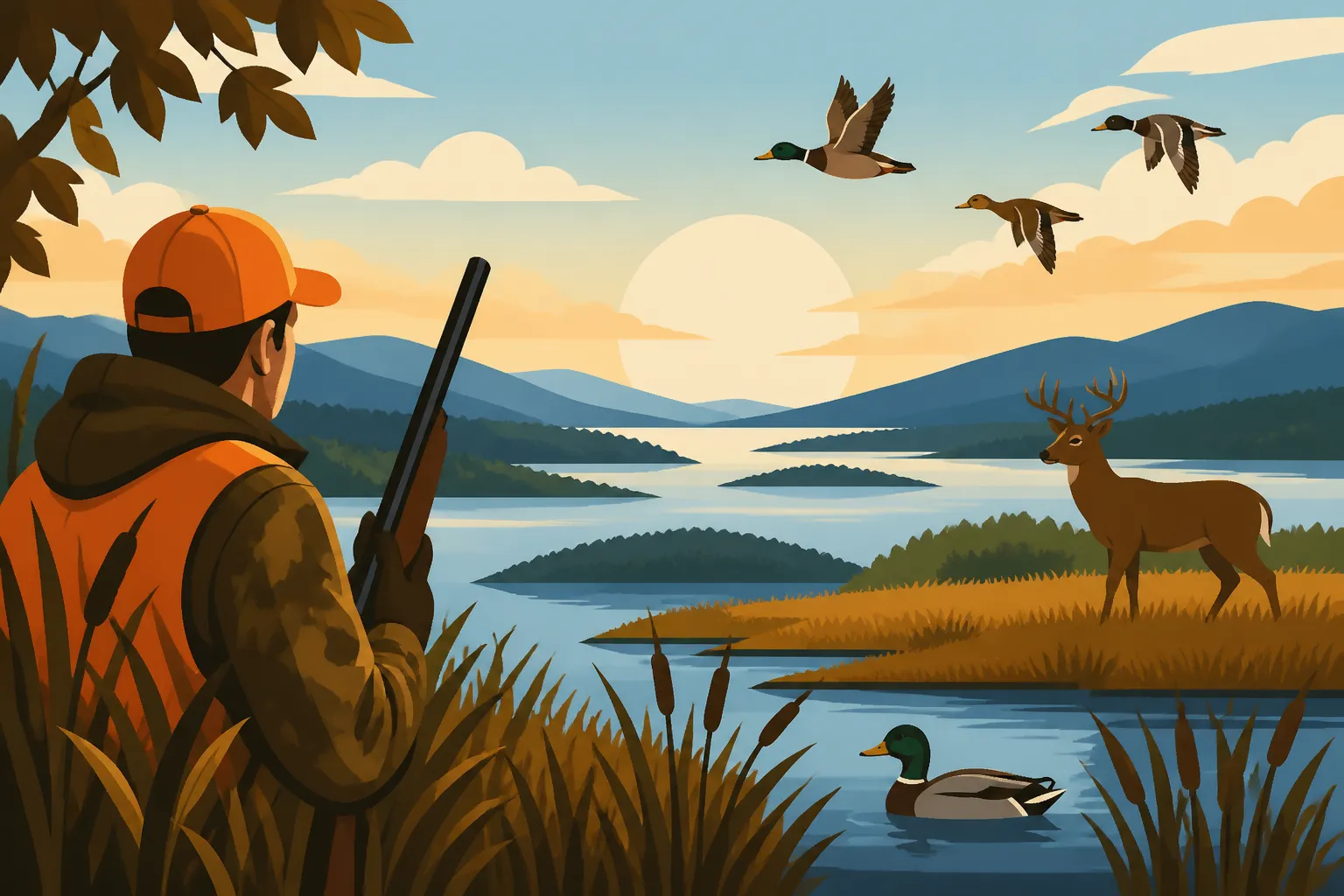
Lake Champlain isn't just a large body of water; it's a vital part of the Atlantic Flyway and a diverse landscape that offers a different kind of hunting experience than the deep woods of the Adirondacks or the farmlands of the Southern Tier. The WMAs here are characterized by a mix of wetlands, marshes, shoreline habitat, and often forested uplands, making them incredibly attractive to a wide array of game. This ecological diversity means that a single WMA might offer fantastic waterfowl hunting in its marshy sections, while also holding deer in the thicker woods bordering the water. It's a place where the wind off the lake, the freeze-thaw cycles, and the seasonal migrations play a huge role in how and what you hunt.
The Influence of Water and Migration
The sheer presence of Lake Champlain dominates the hunting narrative in these WMAs. Waterfowl, of course, are a primary draw. The lake acts as a major corridor for ducks and geese migrating along the Atlantic Flyway, making these WMAs crucial stopovers and wintering grounds. But it’s not just about birds; the lake influences deer movement, too. Deer often use the edges of marshlands and dense shoreline cover as bedding areas and travel corridors, particularly when seeking refuge from hunting pressure in more accessible upland areas. Understanding the dynamics of water levels, ice conditions, and migratory patterns is key to successful hunting here. You might find yourself setting decoys in icy conditions one week and still-hunting a snow-covered cedar swamp for deer the next.
Diverse Habitats Within the WMAs
Unlike a vast, uniform forest, Lake Champlain WMAs often present a mosaic of habitat types within relatively small footprints. You might have open water and emergent marsh vegetation, cattail stands that stretch for acres, dense shrubby thickets, cedar swamps, and then transition into mixed hardwoods or conifer stands further from the water's edge. This means your scouting needs to be diverse, too. Look for cattails that offer excellent cover for pheasants or rabbits, thick willow and alder runs for woodcock, or secluded pockets of hardwoods that produce acorns for deer and turkey. Each WMA has its own personality, and understanding these micro-habitats within the broader landscape is what separates a hopeful hunter from a successful one.
Key Wildlife Management Areas Along Lake Champlain
New York boasts several excellent WMAs along the Lake Champlain corridor, each offering its own unique hunting opportunities and challenges. While they all share the common thread of being influenced by the lake, their specific configurations of habitat, access, and primary game species can vary quite a bit. It’s always a good idea to research the specific WMA you plan to visit, perhaps using a detailed mapping application like onX Hunt, which can show you property boundaries, topography, and even recent satellite imagery to help you scout from home.
Kings Bay WMA
Located on the northeastern shore of Lake Champlain, Kings Bay WMA is perhaps one of the most renowned waterfowl destinations in the region. It’s a classic example of a large, shallow bay with extensive cattail marshes, emergent vegetation, and open water areas. This makes it an absolute magnet for ducks, especially divers and dabblers, as well as geese. Access often involves navigating boat launches or specific footpaths into the marsh.
Hunting here is primarily focused on migratory birds, but don't overlook the upland fringes for other opportunities. There are often pockets of wooded cover that hold deer, especially early in the season or during the Northern Zone's extended archery periods. Waterfowl hunting often means setting up decoys from a boat or blind, requiring careful consideration of wind direction and currents. It's an immersive experience that puts you right in the heart of the action when the birds are flying. New York Waterfowl Hunting by Zone can give you more insights into the specific seasons.
Putnam Creek WMA
Further south along the lake, Putnam Creek WMA offers a slightly different blend of habitat. While it still features significant marshland and shoreline, it also includes more upland forest and brushy areas, particularly where Putnam Creek meanders through the property. This diversity broadens the hunting prospects beyond just waterfowl.
Deer hunting can be quite good here, especially in the transition zones between the dense uplands and the marsh. Look for deer trails that parallel the water or funnel through thicker cover. Small game, like rabbits and squirrels, can also be found in the brushier sections and hardwoods. For those interested in pheasants, some WMAs are part of the state's pheasant stocking program, so it’s worth checking if Putnam Creek is one of them, though these programs are more common in farmland areas further west. Turkey can also be present in the more wooded areas, especially during the fall season.
Wickham Marsh WMA
Nestled on the western shore of Lake Champlain, Wickham Marsh WMA is another excellent example of diverse wetland habitat. It's known for its extensive marsh, swamp forests, and some upland woods. This WMA provides critical habitat for both resident and migratory birds, including a variety of waterfowl and wading birds.
Hunting at Wickham Marsh often requires navigating wet terrain, so appropriate footwear and perhaps even waders are essential. Waterfowl hunting is popular, but the mix of swamp and upland provides opportunities for deer and furbearers like coyotes and foxes. Given its diverse cover, you might even find grouse or woodcock in the right pockets of young forest or alder runs, though these species are generally more associated with specific timber management further inland. When you're trying to figure out exact access points and boundaries, a detailed map from a service like GoHunt or onX Hunt can be indispensable for avoiding private land.
Dead Creek WMA
While not directly on the main lake, Dead Creek WMA, slightly inland but still very much part of the Champlain drainage, deserves mention for its significant waterfowl habitat. It’s a large complex of wetlands, open water, and surrounding uplands. It’s a prime spot for both migrating ducks and geese.
Hunting here involves similar challenges to other marsh WMAs – knowing water levels, understanding bird behavior, and being prepared for wet conditions. The upland areas around Dead Creek also offer opportunities for deer, particularly in thicker cover adjacent to water sources. These areas can be excellent for late-season deer when natural food sources on dry land become scarce and deer seek refuge in dense swamps. New York Waterfowl Zones and Seasons can provide the latest information on specific dates for duck and goose hunting here.
Hunting Opportunities and Species
The Lake Champlain WMAs are a bounty for hunters willing to adapt to the unique landscape. While waterfowl often steal the spotlight, a variety of other game species call these areas home. Successful hunting here means understanding the specific behaviors of these animals within a wetland-dominated environment.
Waterfowl Hunting: The Jewel of Champlain WMAs
Without a doubt, waterfowl hunting is a primary draw to these WMAs. The sheer volume of ducks and geese that move through the Lake Champlain corridor during migration is impressive. You can expect to encounter various dabblers like mallards, black ducks, wood ducks, and teal, as well as divers such as bluebills, ringnecks, and canvasbacks. Canada geese are also abundant, both resident populations and migratory birds.
Hunting methods vary, but often involve decoys, blinds (whether portable or pre-existing natural hides), and sometimes a boat for access or retrieving downed birds. Early season hunts can be quite warm, so proper gear for managing heat and mosquitoes is crucial. Later in the season, particularly during the late November and December splits, ice can become a major factor. You need to be aware of regulations regarding non-toxic shot, which is always required for waterfowl. Remember, Hunting Western Zone Diver Ducks might offer different tactics than those for the Eastern Lake Ontario, but many principles for diver hunting can apply across large water bodies.
| WMA Name | Primary Habitat Types | Key Game Species (Primary Focus) | Other Huntable Species | Typical Access Challenges |
|---|---|---|---|---|
| Kings Bay WMA | Large, shallow bay, cattail marsh, emergent veg. | Waterfowl (ducks, geese) | Deer, furbearers | Boat required for best access, wet footing |
| Putnam Creek WMA | Marshland, upland forest, brushy areas, creek | Deer, waterfowl | Small game, turkey, furbearers | Mixed, some wet, some drier paths |
| Wickham Marsh WMA | Extensive marsh, swamp forest, upland woods | Waterfowl, deer | Furbearers, small game | Very wet, waders often necessary |
| Dead Creek WMA | Extensive wetlands, open water, surrounding uplands | Waterfowl (ducks, geese) | Deer, furbearers | Boat, wet walking, remote areas |
Deer Hunting: Adapting to Wetland Terrain
Deer in Lake Champlain WMAs often utilize the unique cover these areas provide. Dense cattail marshes, cedar swamps, and thick shoreline brush offer excellent bedding areas and escape routes, especially when pressure builds on drier ground. During Hunting the Rut in the Northern Zone, bucks will often cruise these thicker edges looking for does.
Still-hunting the edges of swamps and marshlands can be highly effective, as deer will often parallel these natural barriers. Look for subtle elevation changes that offer drier bedding spots within the wet environment. Using an elevated stand on a hardwood ridge overlooking a swamp or a narrow land bridge can also be productive. Tracking deer in these areas can be challenging due to varied terrain and potential water crossings, so shot placement and quick recovery are paramount. Many successful hunters utilize applications like onX Hunt to mark blood trails and plan retrieval routes.
Small Game and Furbearers: Underrated Opportunities
Don't overlook the potential for small game and furbearers in these WMAs. The thick cover that benefits deer and waterfowl also provides excellent habitat for cottontail rabbits, snowshoe hare (in the denser conifer stands), and various squirrel species in the hardwoods. Rabbit and Hare Hunting in New York can be a blast, especially after a fresh snow, when tracks are easy to follow.
Furbearers like coyotes, foxes, mink, and muskrat are also abundant. Coyote calling can be particularly exciting in the more open, brushy areas, especially during the late fall and winter months. Trapping is also permitted in many WMAs, but requires specific licenses and knowledge of regulations regarding trap types and placement. Always check the specific WMA regulations for small game and furbearer seasons and methods, as some areas may have unique restrictions.
Planning Your Hunt and Navigating Access
Hunting Lake Champlain WMAs can be incredibly rewarding, but it requires diligent planning and an understanding of the specific challenges these areas present. From navigating varied terrain to understanding local regulations, being prepared is half the battle.
Mapping and Scouting Tools
Before you ever set foot in a Lake Champlain WMA, a good mapping tool is your best friend. Services like onX Hunt are invaluable for overlaying property boundaries, showing topography, and even highlighting different habitat types from satellite imagery. This allows you to identify potential bedding areas, travel corridors, and access points from the comfort of your home. You can mark waypoints for potential stand locations, observe pinch points between water features, or locate subtle ridges that might funnel deer movement.
While less directly applicable for specific WMA navigation, broader scouting platforms like GoHunt can provide useful insights into seasonal patterns or overall habitat considerations across a wider region, helping you understand the "why" behind game movement. Always cross-reference any digital maps with official WMA maps, which are often available from the DEC website, to ensure you have the most up-to-date information on rules and specific access points. Understanding Scouting New York Public Land Before Season is crucial, and these digital tools are a huge part of that process.
Access Points and Terrain Challenges
Access to Lake Champlain WMAs can range from easy roadside parking to requiring a boat or extensive walking through wet, dense cover. Many WMAs have designated parking areas and footpaths, but some of the best hunting spots might be deep within the marsh, requiring waders, a canoe, or a layout blind for optimal setup. Be prepared for mud, standing water, and dense vegetation, especially in the wetlands.
In winter, ice conditions can both aid and hinder access. Frozen marshes can make traversing easier, but thin ice can be incredibly dangerous. Always prioritize safety. Vehicle use on WMAs is typically restricted to designated roads and parking areas, so be prepared to walk or paddle to your desired hunting location. Before heading out, review the specific WMA’s map for designated non-motorized zones or areas with restricted access.
Regulations and Safety Considerations
Hunting in New York, especially on public land, comes with a set of important regulations. Familiarize yourself with the statewide hunting regulations, as well as any specific rules for the individual WMA you are visiting. This includes legal shooting hours, blaze orange requirements (which differ between firearm and archery seasons, but are generally a good idea for visibility), and specific rules for tree stands or ground blinds on public land. For example, Treestand Rules on New York Public Land stipulate that stands must be removed at the end of the season.
Safety is paramount, particularly when hunting near water or in dense cover. Always tell someone where you are going and when you expect to return. Carry a map, compass, or GPS device, and a fully charged cell phone (though service can be spotty in some remote areas). Dress in layers suitable for changing weather conditions, and wear a life vest if you're using a boat for access. Remember, you'll be sharing these areas with other hunters, bird watchers, and outdoor enthusiasts, so always be respectful and aware of your surroundings.
Disclaimer
This article is for general informational purposes only and does not constitute professional advice. Laws, prices and regulations vary by location and change over time. Consult a qualified professional for guidance on your specific situation.