New York’s Northern Zone Firearm Season
Hunting New York's Northern Zone during firearm season can feel like stepping into a different world compared to the Southern Zone. The vast, rugged wilderness presents unique challenges and rewards, often leaving hunters feeling overwhelmed by the sheer scale of the landscape and the subtle behavior of its deer. This guide will meticulously break down everything you need to know to successfully navigate and hunt the majestic Northern Zone firearm season, from understanding the terrain to mastering effective strategies and essential gear.
Understanding the Northern Zone Distinction
The Northern Zone isn't just a line on a map; it's a completely different hunting experience defined by its unique geography, climate, and deer population dynamics. Many hunters who are used to the agricultural fields and fragmented woods of the Southern Zone find themselves initially bewildered by the endless timber and vast public lands characteristic of the North.
Geographical Boundaries and Unique Rules
New York's Northern Zone encompasses a significant portion of the state, primarily dominated by the sprawling Adirondack Park and its surrounding forests. The demarcation line generally follows the southern borders of Oswego, Oneida, Herkimer, Fulton, Saratoga, and Washington counties, moving east to Lake Champlain. This region is characterized by immense tracts of public land, including the famed Adirondack Forest Preserve, vast State Forests, and numerous Wildlife Management Areas. Unlike the Southern Zone, which often sees fragmented private parcels, the Northern Zone offers a true wilderness hunting experience.
This geographic distinction comes with its own set of unique rules and season dates. The firearm season in the Northern Zone typically starts earlier than in the Southern Zone, often in late October, and runs through the first weekend of December. This earlier start aligns with the colder weather patterns and earlier rut activity often observed in the North. Understanding these specific dates is crucial, as the regular big game license covers both deer and bear in the Northern Zone, a distinct advantage for those hoping to fill two tags. While the Southern Zone allows hunters to participate in the Bowhunting New York's Long Archery Season and then transition to firearms, the Northern Zone's seasons are structured differently, often providing a more consolidated firearm window. Hunters need to pay close attention to the specific regulations for the Wildlife Management Unit (WMU) they plan to hunt, as rules can vary slightly even within the broader Northern Zone.
Deer Behavior and Population Dynamics
Deer in the Northern Zone, particularly in the deep woods of the Adirondacks, behave very differently from their Southern Zone counterparts. They are generally more nomadic, moving silently through vast territories and often relying on thick cover for security rather than the small woodlots or hedgerows common in farming country. The deer population density is typically lower in the Northern Zone compared to the Southern Tier or Finger Lakes regions, making success often contingent on covering more ground and adapting to a less concentrated deer presence.
These deer face harsher winters, which naturally keep populations in check. This means that mature bucks can be found, but they are often ghosts, incredibly wary and masters of their expansive domain. Their survival depends on their ability to evade pressure in an environment where natural predators like coyotes are more prevalent. You won't find them habitually hitting the same small food plots or field edges day after day as you might in agricultural areas. Instead, they focus on diverse natural food sources such as beechnuts, acorns (when available), browse, and specific conifer stands for winter cover. Understanding the nuances of Adirondack Deer Density Compared to the Southern Tier is key to setting realistic expectations and planning effective hunts. For many, simply seeing a deer, let alone a buck, in the vast Northern Zone timber is a victory in itself. The challenge is immense, but the reward of harvesting a Northern Zone deer, forged by the wilderness, is deeply satisfying.
Key Dates and Calendar Overview
Timing is everything in Northern Zone firearm season. The calendar dictates not just when you can hunt, but also the prevailing weather conditions, the deer's behavior, and the amount of hunting pressure you're likely to encounter. Missing a critical date or misunderstanding a season overlap can cost you a hunting opportunity.
General Season Dates and Permit Specifics
The New York Northern Zone Firearm Dates for deer and bear usually open in late October and extend into early December. This approximately five-week season provides ample opportunity, but it also means hunters must contend with a wide range of weather conditions, from crisp autumn days to heavy early winter snows. For specific dates, always consult the official New York DEC hunting guide, as they can shift slightly year to year.
One of the significant advantages for many Northern Zone hunters is that the regular big game license typically covers both deer and bear during this firearm season. This means you don't always need a separate bear tag if you're hunting within the regular deer firearm season. However, bear hunting without bait in New York is the only legal method, so strategies must reflect this. Deer Management Permits (DMPs), often called "doe tags," are available in the Northern Zone, though the availability and application process might differ from the Southern Zone. WMUs in the Northern Zone often have more limited DMP quotas due to lower deer densities, making it more challenging to secure multiple antlerless tags. Hunters should always apply for DMPs during the summer application period and check the instant lottery availability in their chosen WMU. Understanding The New York Northern Zone Calendar thoroughly before planning your trip is paramount to avoid any surprises.
Crossbow and Muzzleloader Overlaps
The Northern Zone offers an extended hunting period that includes opportunities for crossbow and muzzleloader hunters, often overlapping with the regular firearm season or immediately preceding it. Historically, crossbow hunting had specific regulations, but more recent changes have often integrated crossbow use more broadly into the regular archery and firearm seasons, sometimes with specific open periods. It's crucial to check the most current regulations regarding Crossbow Rules During New York Archery Season and firearm seasons to ensure compliance.
Similarly, Muzzleloader Deer Hunting in New York in the Northern Zone can coincide with the regular firearm season, providing a unique challenge for those who prefer the traditional single-shot approach. Muzzleloader hunters in the Northern Zone often share the woods with rifle hunters, requiring extra vigilance and adherence to blaze orange requirements. Some specific muzzleloader-only periods might exist, typically either before the general firearm season opens or during the late December holiday hunt in certain areas, though the Northern Zone generally does not have the same late-season opportunities as the Southern Zone. For example, while the Southern Zone has a robust late-season muzzleloader period, the Northern Zone typically does not feature a dedicated holiday hunt. Always double-check the DEC regulations for specific dates and any special restrictions on weapon types in your chosen WMU, as these can be critical for planning a successful hunt.
Navigating Northern Zone Terrain and Habitat
Hunting the Northern Zone means confronting a landscape that is both breathtaking and brutally unforgiving. The vastness of the Adirondack and Catskill Mountains, coupled with extensive state forests, demands a different approach to scouting and navigation than you might find in other regions.
Adirondack Wilderness and State Forest Challenges
The Adirondack Forest Preserve alone accounts for millions of acres, much of which is open to public hunting. This is truly big woods hunting, characterized by mature hardwood forests, vast conifer swamps, rugged mountains, and countless lakes and streams. Unlike the comparatively smaller, often fragmented State Forest Hunting in New York in the Southern Zone, the Adirondacks present truly expansive, unbroken tracts of timber. This can be exhilarating but also incredibly challenging.
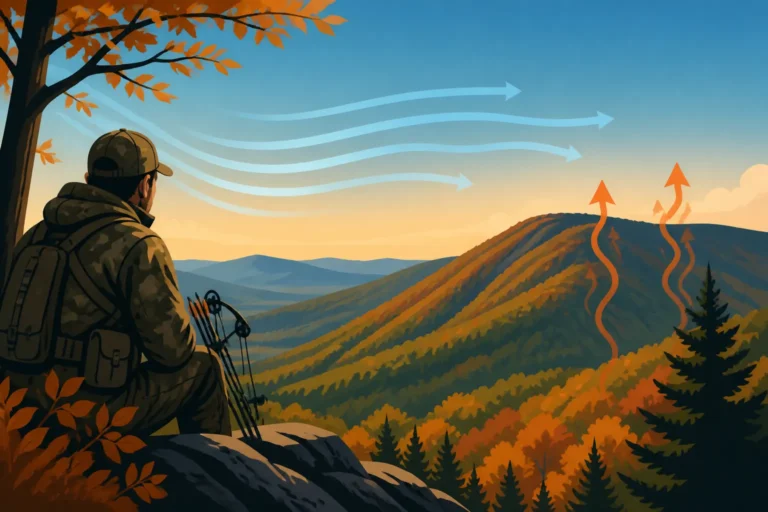
One of the biggest hurdles is simply knowing where to start. Deer densities are lower, and deer tend to be more spread out. You won't find many "easy" spots; success comes from meticulous scouting and understanding subtle habitat changes. Elevation changes can be dramatic, leading to complex wind and thermal currents that constantly shift. Treestand Setups in Adirondack Hardwoods need to account for prevailing winds, but also the daily thermal drafts that can carry your scent down into ravines or up ridge lines. The sheer scale means that still-hunting is often a primary tactic, requiring immense patience and stealth. Logging roads and old skidder trails can offer relatively easier travel but also funnel other hunters. Learning to read the subtle changes in topography, vegetation, and deer sign in such a vast landscape is a skill that takes years to hone, and a reliable mapping tool like the one found on GoHunt can be invaluable for pinpointing specific features and avoiding getting lost.
Reading Sign in Big Timber and Remote Areas
In the vastness of the Northern Zone, reading sign becomes an almost instinctual art form. Forget the easily identifiable rubs and scrapes you might find concentrated along field edges in farm country. Here, deer sign is often more subtle and scattered. You're looking for indicators of consistent travel, feeding, and bedding in an environment where deer leave fewer obvious clues.
Focus on finding natural pinch points, benches on steep hillsides, and saddles between ridges. These are classic travel corridors where deer might be funneled. Look for old, faint deer trails that might not be visible from a distance but become apparent upon closer inspection. Pay close attention to subtle browse lines on young saplings, indicating where deer have been feeding, particularly in wintering areas where conifers provide both food and cover. Shed Hunting on New York Public Land in the off-season can also be an excellent way to learn travel patterns and identify buck bedding areas. Water sources, especially during dry periods, can also concentrate activity. Instead of obvious scrape lines, you might find isolated rubs on smaller trees, indicating a buck passing through rather than establishing a territory. Understanding Where Adirondack Bucks Bed often involves identifying thick conifer stands, especially hemlocks or cedars, on north-facing slopes or in dense swamps that offer thermal protection and visual cover. Learning to interpret these small clues in the context of the larger landscape is what separates successful Northern Zone hunters from those who simply wander aimlessly.
Effective Hunting Strategies for Northern Zone Firearm Season
Hunting the Northern Zone demands a flexible, adaptive mindset and a willingness to embrace diverse tactics. The traditional sit-and-wait methods that work well in more confined areas might not be enough here. Success often hinges on a combination of patient observation and strategic movement.
Still-Hunting and Ground Blind Tactics
Still-hunting is perhaps the quintessential Northern Zone firearm season strategy. Given the vastness and the often lower deer densities, covering ground slowly and deliberately, constantly scanning and listening, can be incredibly effective. This isn't about covering miles; it's about covering yards with extreme caution. You're trying to integrate yourself into the deer's world, moving only when conditions (like wind or sound-masking snow) are favorable, and pausing frequently to observe. Pay particular attention to dense cover, blowdowns, and thickets where deer will bed, especially after feeding in more open timber.
When the conditions are right, setting up a ground blind can also be highly productive, particularly near known bedding areas, pinch points, or late-season food sources. This could involve using a portable pop-up blind or simply brushing in a natural hide along a logging road or a key travel corridor. For hunters who prefer to stay mobile, a lightweight ground blind that can be quickly deployed can offer flexibility. When using a Ground Blind on New York Public Land, remember to check specific WMA rules regarding temporary structures. The key to successful still-hunting or ground blind use in the Northern Zone is patience and a deep understanding of deer movement patterns in relation to the prevailing wind and thermal currents, which are often complex in mountainous terrain.
Deer Drives and Group Hunting Considerations
Deer drives are a time-honored tradition in many Northern Zone hunting camps, particularly on public lands where coordinating multiple hunters can be effective in moving deer out of thick cover. This method requires careful planning, clear communication, and a strong emphasis on safety. Drives are most effective when hunters understand the terrain, know where deer are likely to bed, and can position standers to intercept deer moving along natural escape routes or funnels.
A well-executed drive can push deer from a dense conifer swamp or a thick ridge into a waiting hunter's shooting lane. Typically, a small group of "drivers" walks slowly through a designated area, pushing deer towards "standers" positioned strategically on natural escape routes or known crossing points. Communication is crucial, often using two-way radios, and every participant must be acutely aware of their surroundings, shooting lanes, and the location of other hunters. For larger blocks of public land, Deer Drives With Three or Four Hunters can be highly efficient. This method is particularly popular during the middle and late parts of the firearm season when deer are more likely to be bedded down tight and less inclined to move on their own. It's a social aspect of hunting that many Northern Zone camps cherish, often blending strategy with camaraderie.
Post-Rut Behavior and Late-Season Food Sources
While the Northern Zone firearm season often starts before or during the peak rut, much of the season, especially in November, involves hunting deer in their post-rut phase. After the intense energy expenditure of the rut, bucks will be focused almost entirely on replenishing their body fat reserves before winter. This means their behavior shifts, making finding reliable food sources absolutely critical.
Late-season food sources become magnets for deer. This could include pockets of hard mast like acorns or beechnuts that haven't been fully depleted, regenerating clear-cuts offering fresh browse, or remaining agricultural fields (though these are less common in the deep Northern Zone wilderness). Identifying these localized food sources and their adjacent bedding cover is paramount. Deer will move less during daylight hours unless pushed, preferring to feed heavily during the night and early morning, then bedding down in thick thermal cover during the day. Targeting these concentrated feeding areas, especially during cold snaps, can be highly effective. Understanding what constitutes Late-Season Food Sources for New York Whitetails in a given year, which can fluctuate based on mast crops, is crucial. If there was a poor acorn year, for instance, deer might be more concentrated on browse or conifer regeneration. Hunters might also find success by focusing on areas with less pressure, as deer become increasingly wary as the season progresses.
| Northern Zone Hunting Strategy | Best Time to Employ | Key Considerations |
|---|---|---|
| Still-Hunting | All season | Wind, thermals, stealth, vast areas, low deer density |
| Ground Blind | Anytime near sign | Cover, scent control, minimal disturbance, WMA rules |
| Deer Drives | Mid-to-late season | Group size, communication, safety, escape routes |
| Targeting Post-Rut Food | Late November-Dec. | Mast crops, browse, low-pressure food sources, cold |
Gear and Equipment Essentials for the Northern Zone
The Northern Zone's challenging environment demands robust and reliable gear. From your firearm to your boots, every piece of equipment plays a vital role in your safety, comfort, and ultimately, your success. Skimping on quality here can lead to a miserable, or even dangerous, experience.
Rifle Choices and Ammunition Considerations
Choosing the right rifle for New York's Northern Zone involves balancing power, accuracy, and maneuverability in thick cover. While many calibers will work, a rifle chambered in a cartridge like .270 Winchester, .30-06 Springfield, or .308 Winchester offers ample power for both deer and the occasional black bear, which is legal to harvest during the deer firearm season. These calibers provide a good balance of flat trajectory for potential longer shots across clearings or valleys, and sufficient energy for close-range timber encounters. For dense woods, a shorter barrel (20-22 inches) can be an advantage for quick handling.
New York's Legal Rifle Rules in New York's Deer Zones allow for a wide range of centerfire rifles, but hunters should be aware of specific local regulations if they venture close to certain areas. Ammunition choice is also critical. High-quality hunting bullets designed for controlled expansion are recommended, ensuring humane kills on both deer and bear. Consider bullet weights on the heavier side for your chosen caliber to maximize energy transfer in situations where deer might be quartering away or behind light cover. For example, a 150-grain .308 or a 165-grain .30-06 is a solid choice. Always zero your rifle precisely and practice shooting from various field positions to be confident when that fleeting shot opportunity arises.
Clothing and Layering for Extreme Weather
Northern Zone weather can be incredibly unpredictable, often swinging from mild autumn days to bitter winter conditions with heavy snow, all within a single hunting trip. Layering is not just a suggestion; it's an absolute necessity. Start with a moisture-wicking base layer to manage sweat, followed by insulating mid-layers like fleece or wool, and topped with a waterproof and windproof outer shell. Wool is a fantastic material for this environment, offering warmth even when wet and excellent breathability.
Your outer layer must incorporate the required blaze orange or blaze pink for visibility and safety. How Much Blaze Orange New York Requires is typically a minimum of 250 square inches, visible from all sides. A vest and hat are common, but a full blaze orange jacket offers maximum visibility. Don't forget quality insulated and waterproof boots; cold, wet feet will quickly end a hunt. Consider options like Schnee's or Lacrosse boots designed for rugged, cold, and wet conditions. Warm gloves or mittens, and a facemask or balaclava, are also essential, especially when sitting for extended periods in freezing temperatures. Having extra layers packed in your hunting pack is always a good idea, as conditions can change rapidly.
Navigation and Safety Tools
Getting lost in the vastness of the Northern Zone is a very real concern. Cell phone service is spotty at best in many remote areas, so relying solely on your smartphone for navigation is a dangerous gamble. A dedicated GPS unit or a robust hunting app like GoHunt on a fully charged phone (with downloaded offline maps) is an absolute must. Familiarize yourself with how to use your chosen device before heading into the woods. Mark your truck, your stand locations, and any significant landmarks.
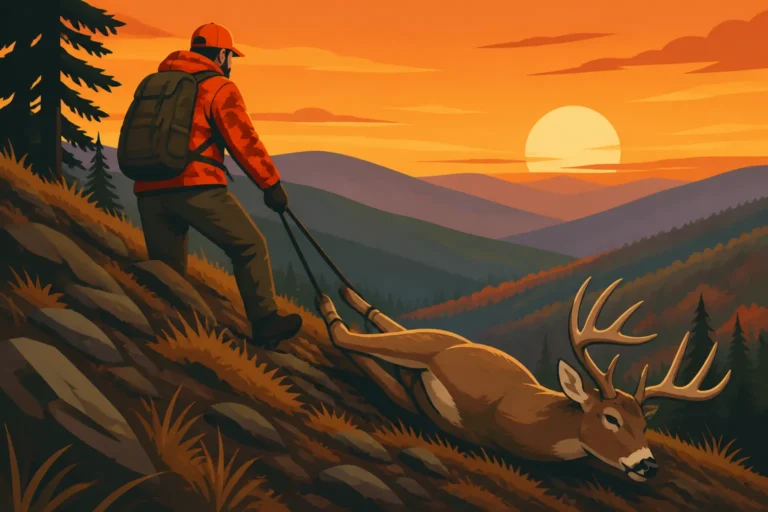
Beyond navigation, a comprehensive safety kit is non-negotiable. This includes a compass and paper map (and knowing how to use them as a backup), a headlamp with extra batteries, a fire starter, a whistle, a first-aid kit, and high-energy snacks. A personal locator beacon (PLB) or satellite messenger like a Garmin InReach or Zoleo can literally be a lifesaver, allowing you to send emergency messages even without cell service. Don't forget a sharp knife for field dressing, game bags for meat care, and a reliable drag rope or deer sled for getting your harvest out of the woods. For those deeper into the backcountry, a sturdy pack frame might be needed to quarter and carry out an animal.
Common Challenges and How to Overcome Them
Hunting the Northern Zone isn't without its unique set of frustrations and difficulties. From navigating crowded public lands to battling Mother Nature, success often comes down to anticipating these challenges and having a solid plan to overcome them.
Dealing with Hunting Pressure and Finding Solitude
One of the most common complaints, especially during opening weekend, is the sheer volume of hunters on public land. Even in the vast Northern Zone, popular trailheads and easily accessible areas can see significant pressure. This pressure can push deer into even thicker, more remote cover, making them incredibly wary and difficult to find.
To overcome this, a willingness to walk further than most is often key. While many hunters stick close to roads and trails, the deer often retreat deep into the woods. Study topo maps and aerial photos using tools like those found on GoHunt to identify remote ridges, hidden benches, or dense swamps that are a mile or more from the nearest access point. These "tough-to-get-to" spots often hold less-pressured deer. Consider hunting during weekdays after the initial opening weekend rush when many fair-weather hunters have gone home. Additionally, scouting areas before the season begins to find Ground Others Walk Past can give you a significant advantage, identifying those overlooked pockets of habitat where deer feel safe. Sometimes, simply altering your entry and exit routes to be less obvious can make a difference, avoiding the main trails where most hunters tread.
Tracking in Snow and Recovering Game
When the snow falls in the Northern Zone, it can be both a blessing and a curse. Fresh snow offers excellent tracking conditions, allowing you to follow deer sign directly. However, deep or crusted snow can make tracking incredibly difficult, and recovering a downed animal in rugged terrain with heavy snow can be an exhausting ordeal.
If you make a shot and believe the deer is hit, take a moment to compose yourself and mark the location. Then, carefully examine the blood trail, paying attention to the color, consistency, and presence of bone fragments or hair, which can tell you a lot about the shot placement. Even light snow can quickly obscure a faint blood trail, so move slowly and methodically. If the snow is deep, it can make blood trailing more challenging as blood might sink or be diluted. In these scenarios, focusing on tracks, broken twigs, and disturbed snow can be more productive. Having a good headlamp and the ability to Blood Trailing After Dark in New York is essential, as many recoveries stretch into the evening. Don't be afraid to enlist help from hunting partners or even a tracking dog (where legal) for difficult recoveries. Always be prepared for a long, arduous drag out, especially if you're deep in the wilderness.
Extreme Weather and Logistical Hurdles
Hunting the Northern Zone firearm season often means contending with severe weather. Early snowstorms can blanket the region, making travel difficult. Freezing rain can coat everything in ice, turning an already challenging landscape into a treacherous one. Temperatures can plummet well below freezing, and strong winds can create brutal wind chills.
The logistical hurdles are numerous. Roads into remote public lands can become impassable after heavy snow, requiring four-wheel drive or even snowmobiles in some instances. Keeping your gear dry is paramount; waterproof bags for optics, ammunition, and electronics are a must. Keeping a Muzzleloader Dry in Lake-Effect Snow, for example, requires diligence and protective measures. Cold weather can drain battery life from GPS units and phones rapidly, emphasizing the need for backups and portable chargers. Plan for longer travel times, both into and out of your hunting area, and be prepared to spend extra time drying out gear at camp. A good quality, insulated tent or cabin with a reliable heat source can be a true luxury after a long, cold day in the woods. Always check the forecast leading up to and during your hunt, and be ready to adapt your plans or even postpone a hunt if conditions become too dangerous.
Safety Considerations in the Northern Zone
Safety is paramount when hunting in the Northern Zone. The remote nature of the terrain, combined with the presence of other hunters and unpredictable wildlife, means taking every precaution seriously. A safe hunt is a successful hunt, regardless of whether you harvest an animal.
Blaze Orange Requirements and Visibility
New York State law mandates specific blaze orange requirements for hunters during firearm season, and adhering to them is non-negotiable, especially in the Northern Zone where visibility can be limited by dense cover, fog, or snow. Hunters are typically required to wear a minimum of 250 square inches of solid or patterned blaze orange or blaze pink material, with at least 100 square inches on the head and 100 square inches on the back, visible from all directions.
This requirement is not just a rule; it's a critical safety measure designed to prevent hunting accidents. In the vast timber of the Adirondacks, where deer often move stealthily, it's easy for hunters to mistake movement or sound for game. Maximizing your visibility to other hunters is your best defense. Don't just meet the minimum; exceed it. Wearing a full blaze orange vest over your jacket, coupled with a hat, ensures you stand out. While Archery Hunters often don't have the same blaze orange requirements, during the overlap with firearm season, it's always wise for archers to also wear blaze orange when moving to and from stands for safety. Always assume there are other hunters in the woods, even if you don't see them, and use your blaze orange as a constant reminder of safe firearm handling.
Staying Found and Emergency Preparedness
Getting lost in the Northern Zone is a very real danger, especially in the vast, unbroken wilderness of the Adirondack and Catskill Forest Preserves. The terrain can be disorienting, and dense cover combined with inclement weather can quickly lead to disorientation. This underscores the importance of being prepared to stay found and handle emergencies.
Always carry multiple navigation tools: a reliable GPS unit with pre-loaded maps, a compass, and a physical paper map of your hunting area. Learn how to use them before you go. Inform someone of your exact hunting location and your expected return time. If you hunt with a partner, always know their location and have a communication plan, whether through radios or pre-arranged meeting points. In case of an unexpected overnight stay due to getting lost or an injury, a small survival kit can be a lifesaver. This should include a fire starter, emergency shelter (like a space blanket or lightweight tarp), high-energy food, and extra warm layers. Should you become truly lost, remember the "STOP" acronym: Stop, Think, Observe, Plan. Don't panic, stay calm, and use your resources.
Firearm Safety in Group Hunts
Group hunting, particularly deer drives, is a popular and effective tactic in the Northern Zone, but it introduces additional firearm safety considerations. The potential for multiple hunters operating in close proximity, often moving through dense cover, demands strict adherence to safety protocols.
Before embarking on any group hunt, everyone involved must agree on and understand a set of clear safety rules. This includes establishing designated shooting lanes, identifying safe zones of fire, and ensuring every hunter knows the location of others at all times. Never shoot at sound or movement alone; always positively identify your target and know what is beyond it. Loaded firearms should be carried safely, typically with the muzzle pointed in a safe direction, and unloaded when crossing obstacles or entering vehicles. Communication is crucial in group hunts; using two-way radios to announce movements, deer sightings, and your position helps prevent accidents. When Deer Drives With Three or Four Hunters are conducted, it's especially important for the drivers to know where the standers are and for standers to understand the direction of the drive. The universal rules of firearm safety – treat every firearm as if it's loaded, always point the muzzle in a safe direction, keep your finger off the trigger until ready to shoot, and be sure of your target and what's beyond it – become even more critical in a group setting.
Reporting Your Harvest and What Comes Next
Successfully harvesting a deer or bear in the Northern Zone is a significant achievement, but the hunt isn't truly over until you've fulfilled your legal obligations and properly cared for your game.
Mandatory Reporting Procedures
In New York, reporting your deer or bear harvest is not just a good practice; it's a mandatory legal requirement. Every hunter who harvests a big game animal must report it to the DEC within seven days of taking the animal. This data is critical for wildlife managers to monitor populations, assess harvest rates, and make informed decisions about future hunting seasons and regulations.
The easiest way to fulfill this obligation is by Reporting a New York Deer Harvest Online through the DEC's HuntFishNY system. You'll need your customer ID and the tag number from your license. Alternatively, you can report by phone. When you report, you'll provide details about the animal, such as species, sex, and the WMU where it was harvested. This reporting system helps the DEC track various metrics, including deer density by New York Wildlife Unit and the success rates of hunters, ensuring sustainable wildlife management. Failure to report a harvest can result in fines, so don't let the excitement of a successful hunt overshadow this important final step. For bears, there's an additional step: submitting a bear tooth sample for age and health analysis, which further aids in understanding New York's Black Bear Population.
Meat Care and Processing in Cold Conditions
Once you've made a successful harvest, especially in the often-cold conditions of the Northern Zone firearm season, proper meat care is paramount to ensure a high-quality table fare. Cold weather can be your friend here, but you still need to act quickly and efficiently.
Field dressing the animal immediately after the kill is crucial to cool the carcass down and prevent spoilage. Remove all internal organs, and if possible, wipe out the cavity with clean snow or rinse with clean water if available, then pat dry. In cold temperatures, you often have more time than during early archery season, but don't dawdle. Hang the deer or bear to allow air circulation around the entire carcass, which further aids in cooling. If you plan to quarter the animal and pack it out, ensure you have clean game bags to protect the meat from dirt, insects, and debris. For extended trips or very cold conditions, Aging Venison in Cold Weather at camp can actually improve tenderness and flavor, but this requires a consistently cold, dry environment. If you're quartering the animal for a long pack out, especially a bear, refer to guidelines for Handling Bear Meat Safely to avoid contamination and ensure proper preservation. Whether you butcher the deer at camp yourself or take it to a professional processor, prompt and hygienic handling will ensure your hard-earned venison is delicious and safe to eat.
Disclaimer
The information provided in this guide is for general informational purposes only and is not a substitute for official regulations. Always consult the current New York State Department of Environmental Conservation (DEC) hunting regulations guide before heading afield, as rules and seasons can change. It is every hunter's responsibility to know and abide by all applicable laws and regulations.