Hunting Wild Forest Land Near a Trailhead
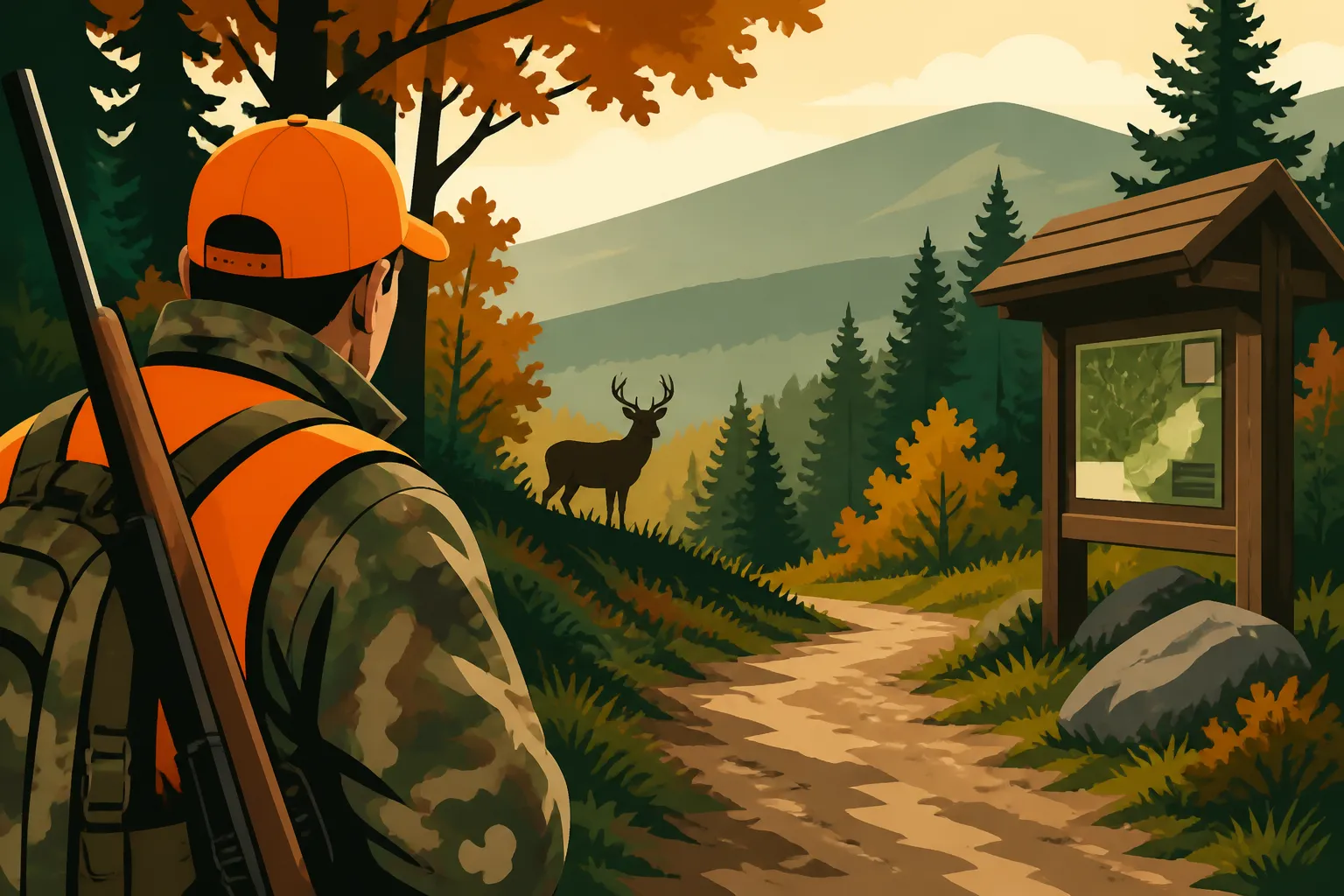
It's a common dilemma for hunters: you pull into a public land trailhead, see half a dozen other trucks, and your heart sinks. The immediate assumption is that any deer within a mile have been pushed out or are long gone, leading many to pack up and drive to the next spot or simply walk for miles to "get away from the crowds." But what if I told you that by strategically hunting the edges of these seemingly pressured areas, you could uncover overlooked pockets where deer actually seek refuge? This guide will help you decipher the patterns of trailhead hunting and equip you with tactics to find success even in areas that others dismiss as "shot out."
The Trailhead Paradox: Why Hunters Avoid (and Why You Shouldn't Entirely)
We've all been there: the early morning chill, the excitement building, only to be met with a packed parking lot at the entrance to your favorite piece of Wild Forest. The natural instinct is to assume the worst, to believe that any decent buck has already heard a thousand footsteps and is now miles deep in unpressured timber. While there's certainly truth to the idea of deer moving away from direct pressure, the "trailhead paradox" suggests that many hunters overlook opportunities precisely because of this widespread assumption.
Understanding the Pressure Points Near Access
Most hunters, especially those on a day hunt or who aren't in peak physical condition, won't venture much further than a mile or two from their vehicle. They'll follow the most obvious trails, hit the most accessible terrain features, and essentially funnel their pressure into predictable corridors. Think about it: if you always walk the main hiking trail for a mile before veering off, then every other hunter doing the same is creating a predictable disturbance zone. Deer, being incredibly adaptable creatures, quickly learn these patterns. They might not flee the entire area, but rather shift their activity times or find incredibly dense, often overlooked, cover very close to where humans are.
For instance, consider a popular trail that parallels a steep, rocky ravine. Most hunters will stick to the relatively flat trail or the easier-to-traverse high ground. They might never bother to drop into that thick, thorny ravine, assuming it's too difficult for deer to navigate or too small to hold them. However, a mature buck, accustomed to human scent and noise on the trail above, might bed down right in that unmolested ravine, letting hunters walk right past him all day. The key is understanding where the pressure is concentrated and where it isn't.
The Advantages of Starting Close
While the idea of venturing deep into the backcountry holds romantic appeal, there are tangible benefits to focusing your efforts closer to access points, provided you hunt smart. Firstly, the sheer ease of access is a huge plus. You don't need a massive backpack full of gear for a multi-day expedition. Shorter walks mean you can be more agile, making quick morning or evening hunts feasible, even on busy weekdays when you only have a few hours. This is particularly valuable when you're trying to fit hunting into a busy schedule.
Imagine a situation where you only have two hours before work or after dropping the kids off at school. Instead of driving an hour to a remote spot, you can hit a local trailhead, slip into a pre-scouted pocket, and be back before anyone else is even out of bed. These closer areas also offer fantastic opportunities for frequent scouting trips. You can quickly get in, check for fresh sign, monitor deer movement, and adjust your strategy without committing to an all-day ordeal. For hunters with physical limitations or those just starting out, this accessibility can be a game-changer, allowing them to participate in the sport more often.
Devising a Strategy for Pressured Wild Forest Edges
Success near a trailhead isn't about luck; it's about a calculated approach that counters typical hunter behavior and capitalizes on deer's adaptive nature. It requires keen observation, smart use of technology, and a willingness to be patient and unconventional.
Mapping for Hidden Pockets and Escape Routes
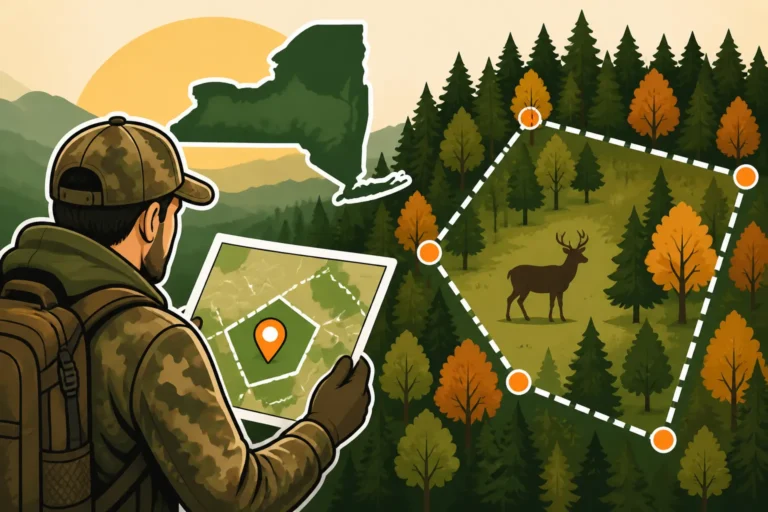
In today's hunting world, digital mapping tools are your absolute best friend, especially when dissecting pressured public land. Tools like onX Hunt allow you to meticulously study topography, vegetation changes, and even historic aerial imagery from the comfort of your home. Your goal isn't just to see the obvious; it's to identify the unobvious. Look for abrupt changes in elevation, small isolated swamps or dense thickets, drainage ditches, old logging roads that have grown over, or even subtle benches on hillsides that are too small or steep for most hunters to consider. These are the places deer will use as hidden pockets or quick escape routes.
For example, on a map, you might spot a small, dark green patch of conifers nestled between two higher hardwood ridges. Most hunters might walk the ridge tops. But zoom in, look at the contours, and you might see a slight depression leading to that conifer stand – a perfect bedding area offering thermal cover and security, just a quarter-mile off a main trail. Understanding Reading Aerial Photos for Southern Tier Deer is an invaluable skill here, even if you're not in the Southern Tier, as the principles of identifying cover and terrain apply across New York's diverse landscapes. Don't just look at the trail; analyze everything around it, assuming a smart buck is looking for the path of least resistance away from human traffic.
Timing Your Hunts to Avoid the Rush
While you might share the parking lot with other hunters, you don't have to share the woods with them at the same time. One of the most effective strategies for hunting pressured areas is simply to choose your timing wisely. Weekdays, especially Tuesday through Thursday, see significantly less hunter traffic than weekends. If you have the flexibility, these days can be golden. Similarly, consider hunting during midday hours. Most hunters are out at dawn and dusk, then head back to their vehicles. A quiet mid-day stroll or a sit in a secluded spot, when most people are eating lunch or back at camp, can be incredibly productive.
Another powerful tactic is to embrace challenging weather conditions. A steady drizzle, light snow, or even high winds will deter many hunters, leaving the woods quieter for those willing to brave the elements. Deer often move during these conditions anyway, seeking shelter or food when human activity is minimal. Picture this: opening morning, and it's raining steadily. Most hunters might huddle in their trucks or choose not to go out. But you, dressed in good rain gear, slip into that overlooked thicket near the trailhead. The woods are silent except for the rain, and deer, feeling secure, begin to move. Mastering Cold-Weather Sitting Strategy in New York can be a major advantage.
Silent Entry and Exit Strategies
This cannot be stressed enough: how you get in and out of your hunting area can make or break your hunt, particularly in pressured zones. Avoid walking directly down main hiking trails, especially if they're well-used. Even if you don't see anyone, the scent you leave and the noise you make can alert deer. Instead, use mapping tools to find less-used logging paths, old skidder trails, or simply pick a quiet, indirect route through the woods parallel to the main thoroughfare.
Park your vehicle a little further down the road from the main lot if possible, or on a less conspicuous side road. Wear quiet clothing – wool or fleece are excellent choices – and move slowly and deliberately. When using a headlamp in the dark, keep the beam low and pointed at your feet. The goal is to be a ghost, a presence that deer don't detect until it's too late. Practice Scouting New York Public Land Before Season to establish these quiet routes long before you hunt. Being discreet about your presence is paramount.
| Aspect of Trailhead Hunting | Pros | Cons |
|---|---|---|
| Accessibility | Easy, quick access; less gear hauling | Higher human traffic; less "wilderness" feel |
| Deer Activity | Deer adapt, using close, thick cover | Deer can be more nocturnal, wary, or pushed deeper |
| Competition | Most hunters don't go far or hunt smart | More immediate competition for prime, obvious spots |
| Scouting | Frequent, quick trips are feasible | More human sign to interpret (old tracks, discarded items) |
| Success Potential | Overlooked opportunities for observant hunters | Requires patience and unconventional tactics |
Tactical Approaches for Close-Proximity Deer
Once you've mapped out potential hidden pockets and timed your approach, it's time to refine your actual hunting tactics. Deer near trailheads are often more highly educated, more nocturnal, and more prone to using very specific, secure cover. Your methods need to reflect this.
Identifying and Hunting Subtle Cover
The "subtle cover" concept is critical. These aren't the expansive mature hardwood forests where you might expect to see deer cruising. Instead, think about those thick, gnarly areas that most hunters deem too inconvenient to enter: small, dense cedar swamps, brushy regenerating clearcuts (even if they're only an acre or two), patches of blowdowns from an old storm, or areas with incredibly thick multiflora rose or thorn apple. These micro-habitats, though small, offer incredible security. Deer know hunters will usually skirt these spots.
Imagine a small, half-acre thicket of dense evergreens or a cluster of downed tops just 200 yards off a well-used hiking trail. Most people would walk right past, dismissing it as "too close" or "too small." Yet, a wise old buck might bed down directly in the center of that tangle, listening to every step on the trail, knowing he's practically invisible. Learning Finding Ground Others Walk Past is about looking for these spots. Your job is to meticulously check these overlooked tangles, moving slowly and deliberately, almost still-hunting your way through, always ready for a close encounter.
Utilizing Wind and Thermals to Your Advantage
Wind and thermals are always important in hunting, but they become absolutely paramount when you're hunting close to pressure. In areas where deer are constantly being bumped, their reliance on their nose for safety is heightened. You must play the wind flawlessly. This means not just checking the general wind direction, but understanding how topography influences it. Ridges, ravines, and even subtle dips and rises can create micro-thermals and swirling winds.
For example, in hilly Wild Forest land, morning thermals generally rise, carrying your scent uphill. Evening thermals typically fall, carrying your scent downhill. If you're hunting a small bench or pocket on a hillside near a trailhead, position yourself so that rising morning thermals carry your scent away from where deer are likely to be bedding lower down, or so falling evening thermals keep your scent from drifting into a feeding area above. Always have multiple approach and exit routes planned based on prevailing wind and thermal patterns. For more on this, consider learning about Wind and Thermals on a Catskill Ridge.
Adapting Your Hunting Style
Traditional treestand setups, while effective in many scenarios, can be challenging near trailheads where deer are hyper-alert. If you do use a stand, consider a mobile setup that allows you to quickly adjust to changing conditions. A lightweight saddle hunting system or small climbing stand can be perfect for setting up quickly and quietly in a new location based on fresh sign or wind changes. Refer to Treestand Rules on New York Public Land to ensure your setup complies with regulations.
However, often the most effective approach in these high-pressure, close-proximity spots is a ground-based strategy. Still-hunting, where you move incredibly slowly, taking one or two steps, then pausing to observe for several minutes, can be incredibly productive. You're essentially moving through the deer's bedding and travel areas at their pace, allowing you to spot them before they spot you. Alternatively, utilizing a well-brushed-in ground blind, especially in areas with very thick cover that deer are already using, can be highly effective. A well-placed ground blind can offer fantastic concealment and allow you to remain still for extended periods, waiting for a wary deer to make a mistake. Remember to follow ground blind rules on New York public land to avoid issues. Your ability to adapt and be less predictable than the average hunter will pay dividends.
Disclaimer
This article is for general informational purposes only and does not constitute professional advice. Laws, prices and regulations vary by location and change over time. Consult a qualified professional for guidance on your specific situation.