Finding Ground Others Walk Past
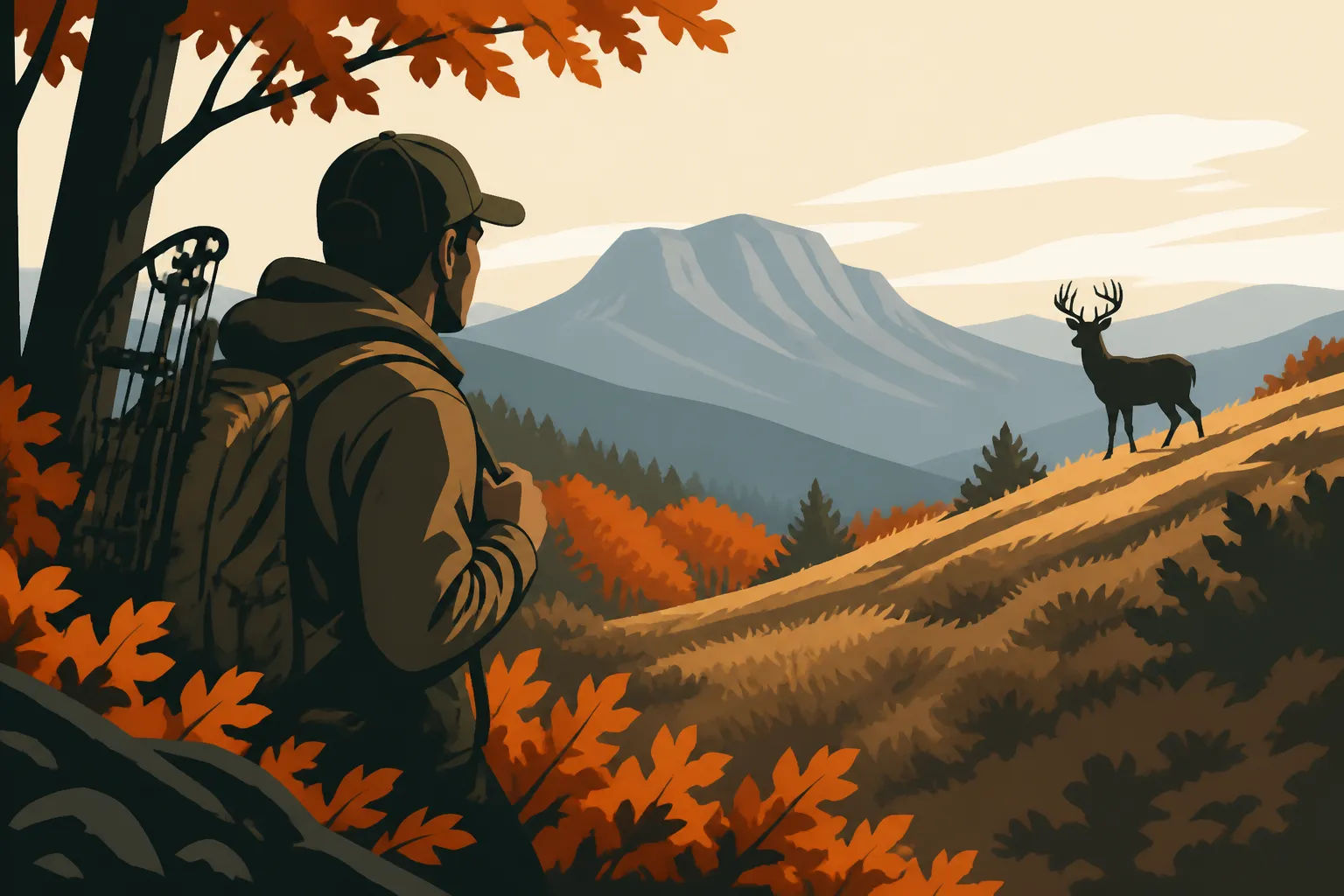
It’s a common frustration in New York, especially on public land: you've put in the scouting, found what looks like perfect deer sign, only to arrive opening morning and find another hunter's truck parked right where you planned to go. Or worse, you spend a day hunting a seemingly remote area only to cut tracks of other hunters all day. This guide will dive deep into strategies for finding those overlooked pockets of public land where deer feel safe and unmolested, helping you escape the crowds and find success.
Deconstructing Hunter Psychology and Pressure Patterns
Understanding why certain areas get more hunting pressure is the first step in avoiding them. It’s not just about finding deer; it’s about finding deer that haven’t been pushed, prodded, and made nocturnal by constant human presence. Hunters, by nature, often follow predictable patterns, and savvy whitetails quickly learn to exploit this.
The Trailhead Effect and Common Access Points
Think about the busiest trailheads or parking areas you know on public land. When you drive up, how many other vehicles do you see? This isn't just an indicator of how many people are hunting that day; it's a testament to the "trailhead effect." Most hunters, especially those on a day hunt or less familiar with the area, tend to stick close to easy access points. They might walk a mile or two down a well-worn path, but rarely do they venture deep into the truly remote stuff.
Deer, being incredibly intelligent and adaptable creatures, pick up on this quickly. They learn that the first mile or so from any road, parking lot, or established trail is a high-risk zone during hunting season. This means that while you might find tracks and even scrapes near these areas, the chances of encountering a mature buck during daylight hours are significantly reduced. Your focus should be on getting beyond this initial ring of pressure, pushing past where most people stop. This requires a different mindset and often a bit more physical effort, but the rewards are often worth it. If you want to dive deeper into how human activity impacts deer, you might find insight in articles like Hunting Pressure on New York Public Land.
Understanding Human Activity Zones Beyond Hunting
Hunting season isn't the only time the woods see human traffic. Many public lands in New York are multi-use areas, meaning hikers, dog walkers, mountain bikers, and even cross-country skiers frequent them. While these activities might seem benign compared to hunting, they still contribute to overall human presence and can influence deer behavior. A popular hiking trail, even if it's not a primary hunting access point, can serve as a de facto "boundary" that deer prefer to cross only under the cover of darkness or avoid entirely.
Consider state parks that allow hunting in certain sections, or large state forests crisscrossed by recreational trails. Deer in these areas often become nocturnal, or they will move to dense, undesirable cover during daylight hours. Your job is to identify these human activity zones—whether they're official trails, popular fishing spots along a river, or even areas known for mushroom foraging—and then look for pockets of habitat away from them. This often means embracing the less scenic, harder-to-reach spots that aren't on anyone's weekend hike itinerary. Thinking about how far you typically walk from the truck is a good starting point, and you can explore this further in How Far to Walk From a Trailhead.
Identifying Overlooked Terrain and Habitat Features
Deer don't think like people. What looks like a difficult, unappealing piece of ground to us often looks like a five-star hotel to a whitetail buck seeking security. These overlooked areas are often characterized by their difficulty of access or their "unattractive" appearance to the casual observer.
Hidden Benches, Points, and Ravines
Many hunters stick to flat ground or gentle slopes because it's easier to walk, easier to see, and easier to recover a deer. This leaves vast stretches of broken, rugged terrain relatively untouched. In New York, especially in places like the Catskills or sections of the Southern Tier, this means steep ravines, sharp ridges, hidden benches, and rock outcroppings become prime candidates for unpressured deer.
Deer use these features for a variety of reasons. Benches on steep hillsides offer excellent bedding areas where deer can catch thermals rising or falling, providing early warning of approaching danger. Deep ravines provide shaded travel corridors and escape routes, allowing deer to move unseen. Points jutting off a main ridge often offer commanding views while remaining relatively inaccessible from multiple directions. When scouting maps, look for areas where contour lines are tightly packed and then suddenly spread out, indicating a bench. Identify sharp changes in elevation, and don't be afraid to zoom in and imagine how a deer might navigate that terrain versus a human. Sometimes, these are the only places a buck feels safe to move during the day, and understanding Reading a Ridge for Catskill Deer Movement can be invaluable.
Swamp Edges, Thickets, and Nasty Cover
Let's be honest, few hunters enjoy busting through dense thickets of multiflora rose, battling through tangles of grapevines, or slogging through knee-deep muck in a beaver swamp. This is precisely why these areas are deer magnets. Deer prioritize security above all else, and nothing provides more security than impenetrable cover that hunters actively avoid.
Swamp edges are particularly notorious for holding deer that have been pushed. The thick vegetation around a wetland offers bedding, escape routes into the water, and often a consistent food source. Likewise, old clearcuts that are now choked with saplings, briars, and low-growing vegetation are ideal. These areas might not be glamorous, and they'll likely tear up your hunting clothes, but they consistently hold deer that have learned to evade pressure. Prepare for the challenge with appropriate gear—tough pants, waterproof boots, and plenty of patience. Think about how difficult it is for you to move through, and you'll understand why deer feel safe there. Hunting in a dense swamp can be a unique experience, as detailed in Hunting a Funnel Between Two Swamps. For a glimpse into the kind of dense cover that smaller game, and often deer, seek out, check out Rabbit Hunting Thick New York Brush.
Isolated Pockets of Food and Water
While large agricultural fields or extensive oak stands are obvious food sources, they are also obvious hunter magnets. To find unpressured deer, you need to look for the less obvious food and water sources that are harder to find and further off the beaten path. This could be a small stand of crabapple trees deep in a state forest, an overlooked hawthorn bush, or even a single, forgotten apple tree on an old homestead site that has been reclaimed by the forest.
Similarly, consistent water sources can draw deer, especially during dry periods or in areas where natural springs are rare. A small, hidden seep on a hillside, a trickle of water flowing into a remote drainage, or even an isolated puddle that retains water after a rain can concentrate deer activity away from larger, more accessible ponds or streams. These subtle resources might not sustain an entire herd, but they can be crucial for an individual buck seeking refuge. Learning to identify these can be key, especially when considering Hunting After a Poor Acorn Year where deer might rely on less conventional food. Even during late season, understanding Late-Season Food Sources for New York Whitetails can help you pinpoint these hidden gems.
Leveraging Technology and Deep Scouting
In today's hunting world, technology is your best friend for identifying those hidden gems. Gone are the days of blindly walking into the woods hoping to stumble upon a good spot. Modern mapping tools empower you to scout from your living room, dramatically increasing your efficiency and success rate.
Aerial Imagery and Topographical Maps
This is where the magic truly begins. Platforms like GoHunt (and others like onX Hunt) have revolutionized how hunters approach scouting. Start by pulling up high-resolution aerial imagery of the public land you intend to hunt. Look for changes in vegetation: darker areas often indicate thicker, denser cover (like pine stands or thick briars), while lighter green might be younger growth or more open hardwoods. Identify natural funnels, pinch points, and corridors that deer would use to travel between bedding and feeding areas, especially those that skirt the edges of those "nasty" covers mentioned earlier.
Next, overlay topographical maps. These are critical for understanding the lay of the land without setting foot on it. Look for those hidden benches (where contour lines spread out on a steep slope), saddles (dips in a ridge line), and points that offer strategic advantages. The combination of aerial and topo maps allows you to virtually "walk" the terrain, identifying potential bedding areas, secure travel routes, and optimal stand locations that other hunters might overlook. This virtual scouting is an absolute game-changer, helping you narrow down vast areas into actionable hunting spots. For more on digital scouting, check out Scouting With the New York HuntFishNY App or even Reading Aerial Photos for Southern Tier Deer for specific regional tips. Understanding how different layers can enhance your scouting is covered in onX Layers for New York Land Status.
In-Season Ground Truthing and Adjustments
While digital scouting is powerful, nothing replaces boots on the ground. Once you've identified promising areas on your maps, you need to verify them. This doesn't necessarily mean heavy pre-season scouting, which can disturb deer. Instead, consider lighter, more focused scouting trips. Look for fresh sign: rubs, scrapes, tracks, and droppings. But critically, also look for human sign: old boot prints, discarded wrappers, or obvious game trails pounded by other hunters. If you find heavy human sign in your "secret spot," it might not be so secret after all.
During the season, especially after the initial rush of opening day, pay attention to where you don't see other hunters. Use fresh snow to your advantage; it reveals not only deer tracks but also hunter tracks. If you're seeing a lot of deer sign but no human tracks in a particular area, you've likely hit the jackpot. Be prepared to adjust your plans. The deer might shift due to pressure, weather, or changing food sources. The ability to adapt and move to a newly discovered unpressured spot is a hallmark of a successful hunter. Don't be afraid to abandon a pressured area for a quieter one you've identified through your scouting. If you're concerned about finding unpressured ground, you might want to look into Finding Ground That Sees Fewer Hunters. Tracking a deer in the snow can tell you a lot about its habits, as detailed in Tracking a Deer in Fresh New York Snow.
Strategic Approach to Hunting Overlooked Areas
Finding these hidden pockets is only half the battle. Successfully hunting them requires a strategic approach that minimizes your impact and maximizes your chances of encountering relaxed, unpressured deer.
Quiet Entry and Exit Strategies
You've done the work to find an untouched piece of ground. Don't ruin it with a careless entry or exit. The most remote spot can be blown if you barge in noisily, silhouetted against the morning sky, smelling like last night's campfire. Planning your route to your stand or hunting area is as important as the location itself. Use natural terrain features to your advantage: walk in low-lying areas, follow creek beds (if practical and legal), or move along the base of ridges to mask your approach.
Always pay attention to the wind and thermals. In hilly terrain, thermals often drop down into valleys in the morning and rise up the slopes in the afternoon. Plan your route so that your scent isn't blowing into your hunting area. Move slowly, deliberately, and quietly. Avoid snapping twigs or scraping branches. Dress in quiet fabrics like wool or fleece. Your goal is to be a ghost, appearing and disappearing without the deer ever knowing you were there. A silent, scent-free approach is critical, particularly when dealing with wary, mature deer. Understanding Wind and Thermals on a Catskill Ridge is paramount here. For more specific tactics on navigating challenging terrain quietly, consult Entry Routes on Steep Catskill Ground.
Patience and Persistence in Remote Spots
Hunting these overlooked, unpressured areas often requires more physical and mental effort than setting up near a well-traveled trail. You might have to walk further, climb steeper hills, or navigate denser cover. But the payoff is significant: deer in these spots are often less skittish, more likely to move during daylight, and more predictable in their patterns because they haven't been constantly harassed.
Once you're in an unpressured spot, exercise patience. These areas aren't always teeming with deer, but the deer that are there are usually the ones you're looking for. Settle in for a long sit. Trust your scouting and the reason you chose that particular remote spot. The true reward of finding and hunting these less-pressured areas isn't just about bagging a deer; it's about the experience of hunting truly wild, unmolested whitetails in an environment where they feel safe. This kind of hunting connects you more deeply with the natural world and the challenge of the pursuit. Embrace the solitude and the challenge, and you'll often be rewarded. Extended sits, especially in cold weather, require preparation, which you can learn more about in Cold-Weather Sitting Strategy in New York. These remote hunts also often create lasting memories, becoming part of your New York Deer Camp Traditions.
Disclaimer
Hunting is an inherently risky activity. Always prioritize safety, understand and adhere to all New York State Department of Environmental Conservation (DEC) hunting regulations, and obtain appropriate licenses and permits. The information provided in this guide is for informational purposes only and should not replace professional guidance or personal judgment. Be aware of your surroundings, hunt ethically, and respect private property.