Cold-Weather Sitting Strategy in New York
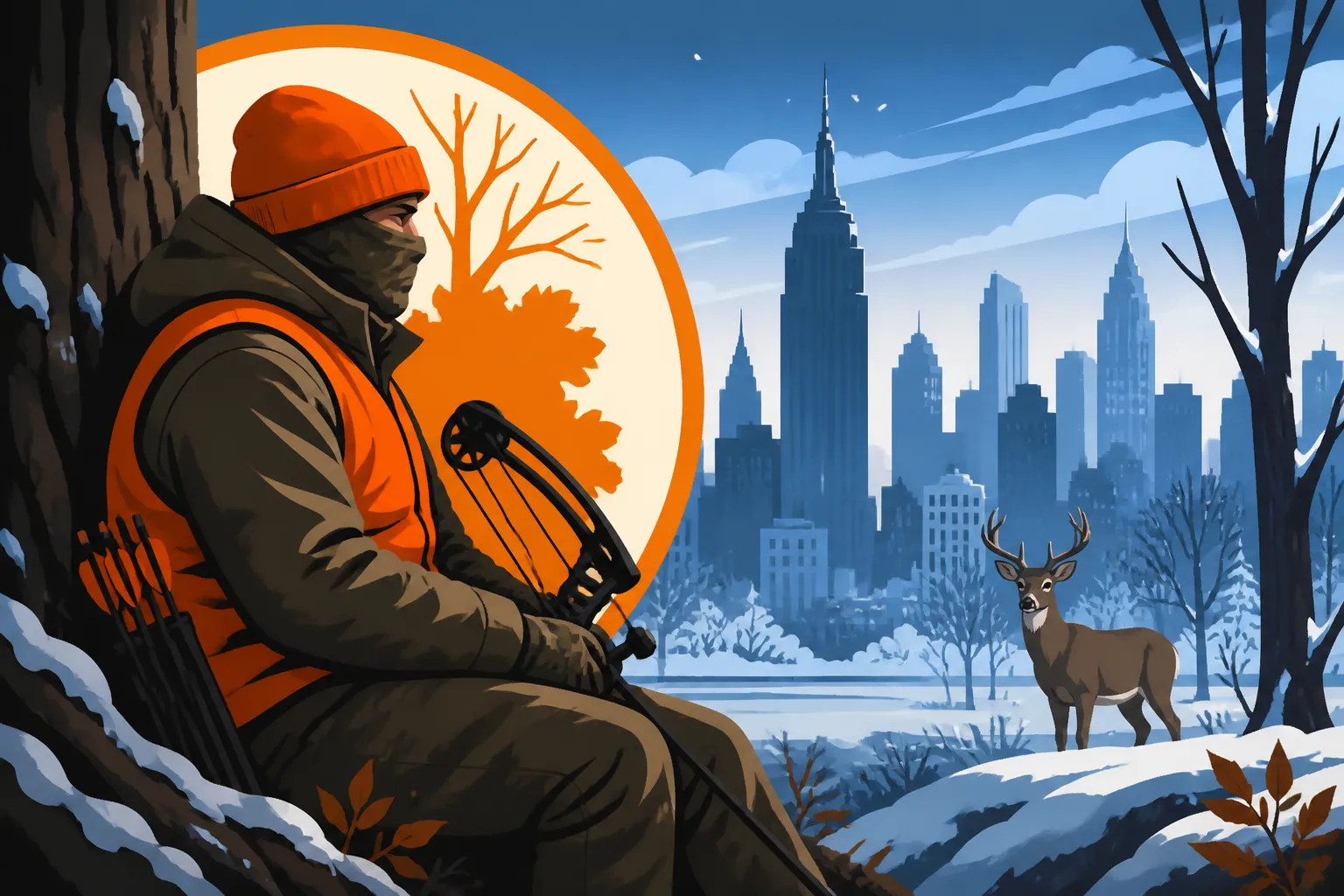
There's nothing quite like the crisp air of a New York deer woods in late fall or early winter, but let's be honest, those beautiful, frosty mornings can quickly turn into bone-chilling misery if you're not prepared. Sitting on a stand for hours when the mercury drops, especially when you factor in wind or dampness, can make even the most dedicated hunter question their sanity. This guide is all about helping you beat the cold, stay comfortable, and remain effective in the woods, ensuring your hunts are productive, not just endured.
Understanding New York's Winter Conditions
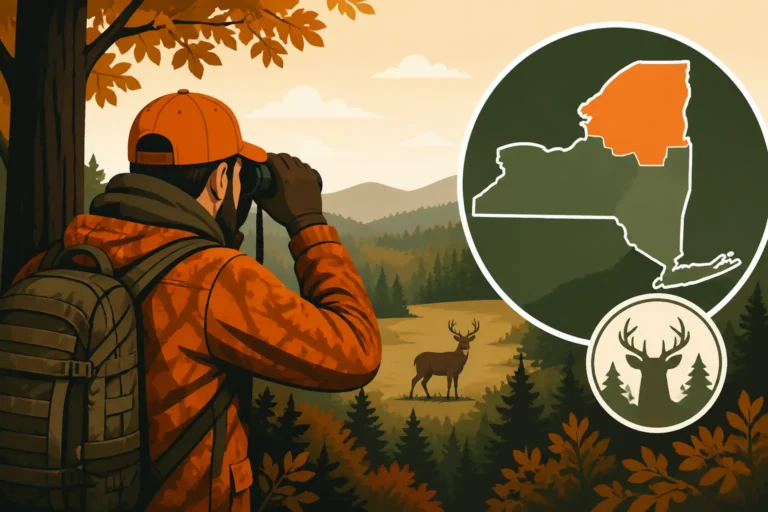
New York's weather is notoriously fickle, and while a November firearm season might start mild, it can quickly transition into true winter conditions by December, especially during the special New York's Southern Zone Firearm Season or the New York's Northern Zone Firearm Season. Understanding the specific challenges of these cold fronts is crucial for developing an effective sitting strategy.
The Reality of Northern Zone Blasts
Upstate and in the Northern Zone, winter can descend with a vengeance. Lake-effect snow off Lake Erie and Lake Ontario can blanket areas like the Tug Hill Plateau with feet of snow, and even the Adirondacks regularly see bitter cold snaps with temperatures well below freezing. The wind here, especially cutting through vast tracts of timber or across open fields, can turn a 20-degree day into something that feels like zero. This isn't just about feeling uncomfortable; it's about real risks like frostbite and hypothermia if you're not properly insulated and protected. The air is often dry, but the cold itself penetrates deep, affecting your dexterity, focus, and overall ability to hunt effectively. You're not just fighting the temperature; you're fighting the constant drain on your body's resources trying to stay warm.
Southern Zone Chill and Dampness
While the Southern Zone might not get the same extreme snow depths as the Northern Zone, it has its own unique cold-weather challenges. Think about those drizzly, damp late-season days in the Catskills or the Southern Tier. A temperature of 30 degrees with a persistent mist or light rain feels far colder than 20 degrees with dry, still air. The humidity, combined with a biting wind, strips heat from your body much faster. You'll find that even if the thermometer isn't showing single digits, the penetrating dampness can make you shiver uncontrollably. This is especially true during the Hunting the Southern Zone Holiday Hunt, when December rolls around and precipitation often takes the form of freezing rain or heavy, wet snow. Being able to keep gear dry and prevent your core from getting chilled is paramount in these conditions.
Layering for Success: The Art of Staying Warm
The key to surviving and thriving in a New York cold-weather stand isn't about one giant parka; it's about a strategic layering system that allows you to adapt to changing conditions and maintain optimal body temperature without overheating or getting sweaty. Sweat, in cold weather, is your enemy.
Base Layers: The Foundation
Your base layer is the first line of defense against the cold, sitting directly against your skin. Its primary job is to wick moisture (sweat) away from your body, preventing that clammy, chilled feeling that can quickly lead to hypothermia. Forget cotton – it holds moisture like a sponge. Instead, invest in high-quality synthetics or, even better, merino wool. Merino wool is a superstar because it wicks moisture, retains warmth even when damp, and is naturally odor-resistant, which is a huge plus for multi-day hunts. For truly frigid conditions, opt for a heavy-weight base layer. A good set of Base Layers for a New York November can make all the difference, providing a warm, dry foundation that sets the stage for comfort. Brands like Sitka, Kuiu, or even budget-friendly options from Minus33 offer excellent performance.
Mid-Layers: Insulation is Key
The mid-layer is where you build your primary insulation. These layers trap warm air close to your body, providing the bulk of your warmth. Depending on the expected temperatures, you might wear one or multiple mid-layers. Common choices include fleece jackets, down or synthetic insulated vests, or even heavier wool sweaters. The beauty of multiple thinner mid-layers is that you can add or subtract them as needed. Hiking into your stand, you might shed one to avoid sweating, then add it back once you're settled and your body cools down. For a stationary hunt, a thick fleece or a puffy jacket filled with synthetic insulation (which performs better than down when wet) is ideal. Always keep an extra mid-layer stashed in your pack, especially if you're using a scouting tool like GoHunt to analyze thermal images of potential stand locations and anticipate colder temps in specific spots.
Outer Shells: Blocking Wind and Wet
Your outer shell is your fortress against the elements. It needs to be windproof and, ideally, waterproof or at least highly water-resistant. In New York, where wet snow, freezing rain, and biting winds are common, a good outer shell is non-negotiable. Look for jackets and pants made from Gore-Tex, eVent, or similar proprietary waterproof/breathable membranes. These fabrics will keep you dry while allowing some body vapor to escape, again, helping manage sweat. Make sure your shell layers are generously sized to fit comfortably over your base and mid-layers without compressing them, which would reduce their insulating properties. Many dedicated hunting brands incorporate quiet fabrics into their outer shells, which is crucial for not spooking deer. When the wind howls on an exposed ridge, a robust outer shell will be your best friend.
Extremities: Head, Hands, and Feet
Neglecting your extremities is a surefire way to get cold quickly. A significant amount of body heat escapes through your head, so a warm hat is essential. For hands, a layering approach often works best: thin, sensitive gloves for dexterity when shooting or handling gear, paired with a larger, insulated mitten or a hand muff for warmth. You can slip your gloved hands into the muff when not actively engaged, keeping them toasty. As for feet, quality socks are paramount. Again, merino wool is king. Pair them with properly fitted, insulated, and waterproof boots. Many hunters swear by pack boots or boots with a high gram-rating of Thinsulate for all-day sits in deep cold. Remember to size your boots up slightly to allow for thicker socks and adequate blood circulation, as tight boots will restrict blood flow and lead to cold feet. Investing in quality Insulated Boots for All-Day Sits can truly extend your comfort.
Strategic Stand Placement for Cold Weather
Choosing where to sit in cold weather is just as critical as what you wear. Deer behavior changes when the temperatures plummet, and understanding these shifts, along with leveraging natural features, can significantly increase your odds of success and your personal comfort.
Sun Exposure and Thermal Advantage
When it's cold, deer are just like us—they seek warmth. South-facing slopes receive more direct sunlight throughout the day, making them warmer than north-facing slopes. Setting up on a sun-drenched, south-facing hillside, especially during the morning or late afternoon, can be a game-changer. Not only will deer often prefer to bed and travel along these warmer routes, but you'll also benefit from the sun's radiant heat, making your sit much more tolerable. Furthermore, understanding thermals becomes even more critical. Cold air sinks into valleys, and as the sun rises, warm air begins to rise up the slopes. Knowing how these air currents move allows you to position yourself so your scent is carried away from approaching deer, rather than directly to them. This might mean starting on a ridge line and moving lower as the day progresses, or vice-versa. Utilizing a mapping tool like GoHunt or the New York HuntFishNY App can help visualize terrain and sun exposure.
Wind Breaks and Natural Shelters
Wind is an exponential factor in cold weather, dramatically increasing the rate of heat loss from your body (the "wind chill" effect). When selecting a stand location, actively look for natural windbreaks. Thick conifer stands (pines, hemlocks, spruces) offer excellent protection, as do steep ridges, rock outcroppings, or even dense brush lines. Positioning your stand on the leeward side (downwind) of these features can block the prevailing winds, providing a pocket of relative calm. Not only will this make you more comfortable, but deer will also utilize these sheltered areas to escape the wind, especially if they are moving between bedding and feeding areas. A stand tucked into a thick cedar swamp or on the downwind side of a mature hemlock grove can feel 10-15 degrees warmer than an exposed perch. This tactic is especially helpful when dealing with the persistent winds often found near lakes, for example, if you're Hunting Finger Lakes Region Deer.
Proximity to Late-Season Food Sources
As winter tightens its grip, food becomes the primary driver for deer movement. Unlike the rut when bucks are cruising for does, in deep cold, deer are focused on conserving energy and finding calories. Setting up close to reliable, high-energy food sources is paramount. Think about standing cornfields, oak ridges with remaining acorns, or brassica food plots on private land. Natural browse, like regenerating clearcuts or areas with persistent green forage, also draws deer. A detailed understanding of Late-Season Food Sources for New York Whitetails is essential. Deer will minimize travel during cold weather, so locating their primary food source and setting up along a likely travel corridor between that food and thick bedding cover will put you in the best position. Often, this means being willing to sit closer to these hot spots, knowing deer will be arriving later in the morning and earlier in the afternoon.
Mindset and Movement: Enduring the Cold
Even with the best gear and the smartest stand placement, cold-weather hunting in New York demands a certain mental fortitude and strategic approach to managing your body's energy and warmth throughout the day.
Managing Body Heat on the Stand
The biggest challenge with cold-weather sitting is staying warm without moving excessively or generating sweat. Before you even get to your stand, avoid overheating during the walk-in. Dress in layers you can easily shed and put back on. Many hunters carry their heaviest outer layers in a pack and don them only once they reach their stand and cool down. Once on stand, minimize unnecessary movement, but don't become completely stiff. Gentle wiggling of toes and fingers can help maintain circulation. Consider using chemical hand warmers or foot warmers; a good set of Hand Warmers That Last a Full Sit can be a game-changer for extending your comfort. A portable seat pad or insulated cushion will also prevent cold from seeping up from your stand platform. If you feel yourself getting too cold, stand up slowly, stretch, and perhaps do some light knee bends to get the blood flowing, all while staying silent and concealed.
Staying Hydrated and Fueled
It's easy to forget about hydration in cold weather, but your body still needs water to function optimally and regulate temperature. Carry a thermos of hot tea, coffee, or broth; the warmth from the inside out can be incredibly comforting and energizing. Avoid excessive caffeine or sugary drinks, which can lead to energy crashes. Just as important as hydration is fueling your body. Pack high-energy, easy-to-eat snacks that don't freeze solid. Trail mix, protein bars, cheese sticks, or even a pre-made sandwich can provide the necessary calories to keep your internal furnace burning. A good rule of thumb is to snack regularly throughout your sit, rather than waiting until you're ravenous. These small, consistent inputs of energy are critical for your body to generate and maintain heat.
The Mental Game of Cold-Weather Hunting
Ultimately, success in cold weather often boils down to your mental game. It's easy to get discouraged when you're shivering, but a positive and persistent attitude can make all the difference. Remind yourself why you're out there, appreciate the stark beauty of the winter woods, and focus on the small details: that rustle in the leaves, the distant crow, the way the snow clings to the branches. Using a high-quality mapping tool like GoHunt can help here too, allowing you to review your planned routes, identify new potential hotspots, or even just daydream about future hunts, keeping your mind engaged. Knowing that deer are forced to move in predictable patterns to find food and shelter in extreme conditions should be your constant motivation. Pack a book or some podcasts for quiet moments, but always remain vigilant. Sometimes, the coldest, most miserable days are the ones when a big buck, forced to feed, finally makes a mistake. Dressing properly, fueling your body, and maintaining a strong resolve are what will keep you on stand when others head for the truck. And when it comes time to drag out that deer, a sturdy Deer Sleds for Snow Country will be a welcome sight.
Disclaimer
Hunting is an inherently dangerous activity. Always prioritize safety, understand and follow all New York State Department of Environmental Conservation (DEC) regulations, and ensure you have the proper training and equipment for your chosen method and conditions. This guide provides general information and recommendations and should not replace official safety guidelines or expert instruction.