Meat Care Gear for New York Hunters
You've just put in the hard work, made the shot, and now the real work begins: caring for your hard-earned game meat. Many New York hunters, especially those new to the game or venturing into different seasons, underestimate just how crucial proper meat care is from the moment an animal hits the ground. Neglecting this step can quickly turn a successful hunt into a heartbreaking loss of valuable food. This guide is here to walk you through the essential gear, techniques, and considerations for ensuring your venison, bear, or other game makes it from the field to your freezer in the best possible condition, no matter what Mother Nature throws at you in the Empire State.
The Critical Importance of Rapid Meat Care in New York
The moment an animal expires, a race against time begins. The clock starts ticking on bacterial growth and potential spoilage, and how you manage those initial hours can make or break the quality of your harvest. In New York, with our wild swings in weather and diverse terrain, this challenge is amplified. It's not just about getting the meat out; it's about preserving its quality every step of the way.
Understanding New York's Variable Weather Challenges
New York's hunting seasons stretch across months, encompassing everything from the sweltering heat of early archery to the bitter cold and deep snow of late muzzleloader season. Each of these conditions presents unique challenges for meat care. In the warmer days of September and October, bacterial growth can accelerate rapidly, demanding immediate and aggressive cooling strategies. A deer left for even a few hours on a warm afternoon can begin to spoil, especially if the internal body heat isn't dissipated quickly.
Conversely, the deep freezes of November and December bring their own set of problems. While cold helps preserve meat, extreme cold can "case freeze" the exterior before the internal heat has fully escaped. This can lock in heat, leading to spoilage inside, or cause surface damage that affects tenderness and flavor. Understanding these variables and adapting your approach is paramount, whether you're hunting the mild Southern Zone or the frigid Adirondack interior. The weather is truly your biggest ally or adversary in meat preservation.
Why Field Dressing Is Just the First Step
Field dressing, the process of removing the animal's internal organs, is undoubtedly the most immediate and critical step in meat care. It serves several vital functions: it rapidly dissipates a significant amount of body heat, removes potential sources of bacterial contamination (like stomach contents and intestines), and lightens the load for transport. However, it's a common misconception that once an animal is field-dressed, all the work is done. This couldn't be further from the truth.
While field dressing gets the ball rolling, it doesn't instantly cool the entire carcass to safe temperatures, especially on warmer days. Large muscle groups retain heat, and simply opening the cavity isn't enough to counteract ambient temperatures. Furthermore, external factors like dirt, insects, and rain can still compromise the meat. Think of field dressing as setting the stage for proper meat care; the subsequent steps—cooling, protecting, and transporting—are what truly ensure a high-quality product. Without a comprehensive approach, that initial effort can be quickly undone.
Essential Field Dressing Tools for Every New York Hunter
Having the right tools at hand when you recover your animal makes the field dressing process efficient, safe, and clean. There's nothing worse than being caught unprepared, fumbling with a dull knife or lacking the necessary items to get the job done right. A small, well-stocked kit can be the difference between a pristine carcass and one that's been compromised by unnecessary delays or inadequate technique.
Knives: The Workhorses of the Woods
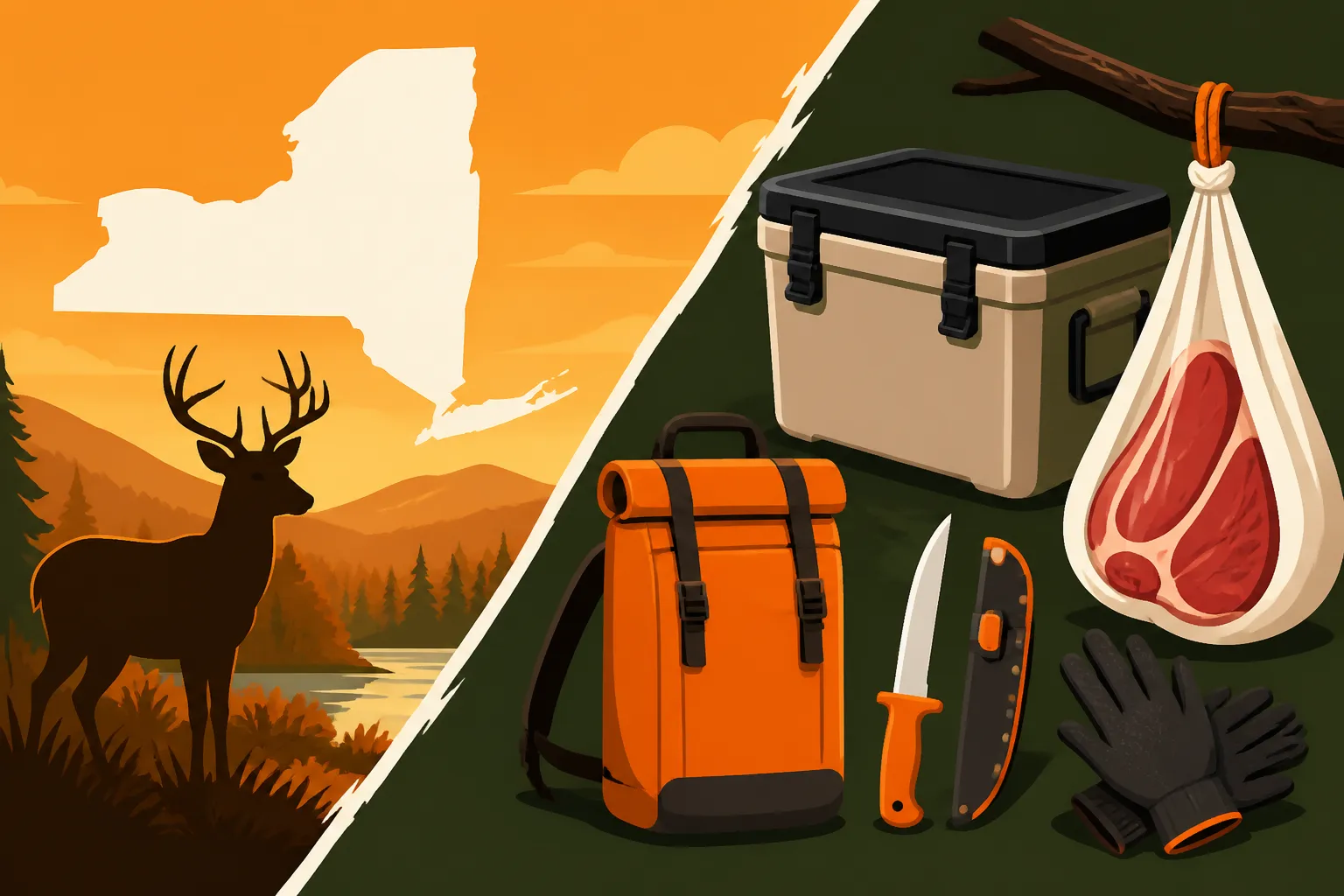
Your field dressing knife is perhaps the most personal and critical tool you'll carry. For many New York hunters, a good fixed-blade knife with a sturdy, comfortable handle and a blade length between 3 to 5 inches is the go-to. Fixed blades offer superior strength and are easier to clean thoroughly than folding knives, which can harbor bacteria in their mechanisms. When choosing a blade, look for stainless steel. It might not hold an edge quite as long as some carbon steels, but its rust resistance and ease of cleaning in the field are invaluable when dealing with blood and moisture.
The sharpness of your knife cannot be overstated. A razor-sharp edge makes clean cuts, reduces effort, and minimizes the risk of slipping, which is a significant safety concern. Many hunters also appreciate a gut hook on their blade, or even a separate gut hook tool, as it allows you to open the abdominal cavity cleanly without piercing the intestines, reducing the chance of contamination. Ergonomics are also key; you'll be making precise cuts, sometimes with cold or wet hands, so a non-slip grip that fits your hand well is paramount. A good knife is an investment, but a worthwhile one that will serve you for many seasons. Field Dressing Knives Worth Carrying are often those that prioritize sharpness, hygiene, and ergonomic design.
Bone Saws and the Gutless Method
While a sharp knife handles most of the field dressing tasks, a bone saw can be incredibly useful, especially for larger deer or black bears. A small, compact game saw, often folding for easy carry, allows you to quickly and cleanly cut through the sternum to open the chest cavity wider for better cooling, or to split the pelvis if you intend to remove the entrails in one piece and facilitate thorough cleaning. Trying to force a knife through bone is not only dangerous for you and your blade but also risks contaminating the meat with bone fragments or by-products.
However, many backcountry hunters, or those dealing with particularly large animals far from a vehicle, prefer to employ the "gutless method." This technique involves skinning and quartering the animal before removing the internal organs, often leaving the gut pile largely intact. The meat is meticulously deboned and packed out in pieces, significantly reducing weight and avoiding the messy process of splitting the sternum or pelvis in the field. This method is excellent for minimizing contamination and making extraction from remote areas, like the deep woods of the Adirondacks or steep Catskill terrain, much more manageable. When you need to get the meat off the mountain quickly and efficiently, understanding Bone Saws Versus the Gutless Method can help you decide which approach is best for your situation.
Gloves and Sanitation Supplies
Hygiene is often an overlooked aspect of field dressing, but it's critical for both your health and the quality of the meat. Nitrile or latex gloves are absolutely essential. They act as a barrier, protecting you from potential pathogens in the animal's blood and fluids, and equally important, they prevent you from contaminating the meat with bacteria from your hands. Carry several pairs, as they can tear or become excessively soiled. You'll want to change them if you move from handling intestines to touching edible muscle.
Beyond gloves, a small kit of sanitation supplies will serve you well. A roll of paper towels or a dedicated pack towel, some alcohol wipes, and a small bottle of hand sanitizer are invaluable for cleaning your hands and knife before and after the process. Some hunters even carry a small spray bottle filled with a mixture of water and a little white vinegar to spray down the cavity after evisceration. This mild acidic solution can help inhibit bacterial growth and clean any lingering debris. Think of it as investing in food safety – your future self enjoying that venison steak will thank you.
Handling and Transporting Your Harvest from the Field
Once your animal is field-dressed, the next challenge is getting it out of the woods and to a place where it can be further processed or cooled. This stage is where many hunters face their biggest logistical hurdles, especially in New York's varied and often challenging landscapes. From dense brush to steep inclines or deep snow, moving a deer or bear requires forethought and the right gear to protect your hard-won meat.
Game Bags: Your First Line of Defense
Game bags are, simply put, a non-negotiable item for any serious hunter, especially in New York. While field dressing removes the internal heat source, the exposed meat is still vulnerable to dirt, leaves, insects, and scavengers. High-quality game bags provide a breathable barrier that protects the meat while still allowing it to cool. Unlike plastic bags or tarps which trap heat and moisture, proper game bags are made from materials like cotton, synthetic blends, or specialized fabrics that promote air circulation, crucial for preventing bacterial growth and forming a protective "crust" on the meat.
When selecting game bags, consider the size of the animals you hunt. You'll want bags large enough to hold quarters or boned-out meat without stuffing them. Many hunters prefer a set that includes separate bags for each quarter, the backstraps, and other prime cuts. Brands like GoHunt often feature durable, lightweight, and reusable options that can withstand the rigors of the field. Investing in a good set of game bags is a small price to pay for the peace of mind that your meat will stay clean and cool, free from flies and debris, during the sometimes-long journey out of the woods.
Deer Drags, Sleds, and Carts for New York Terrain
Getting a deer out of the woods can be the most physically demanding part of the hunt, and choosing the right method depends heavily on the terrain and distance. For shorter distances over relatively flat, open ground, a simple deer drag rope can suffice. Attaching it securely to the antlers or head and pulling can work, but it's physically taxing and can abrade the hide and meat if the ground is rough.
When you encounter snow, mud, or slightly rougher terrain, a deer sled becomes invaluable. These plastic sleds allow the animal to glide more easily over obstacles, significantly reducing friction and making the pull much less strenuous. For example, trying to drag a mature buck through deep Tug Hill snow without a sled is a monumental task, but a sled can make it manageable. Deer Sleds for Snow Country are a game-changer for late-season hunts. For longer hauls over forest roads, open fields, or even well-maintained trails, a deer cart can save your back. These two-wheeled carts, often collapsible, allow you to roll the animal out, distributing the weight and making it much easier than dragging. They're perfect for hunting Southern Tier farmland where you might have a long walk from a woodlot to your truck, and Deer Carts on Forest Roads are a common sight after opening day.
Frame Packs and Boning Out in the Backcountry
For true backcountry hunts, especially in vast public lands like the Adirondack Forest Preserve or parts of the Catskills, where a long, difficult extraction is anticipated, boning out your animal and packing it out on a frame pack is often the most practical and ethical solution. Trying to drag a whole deer or, even more so, a black bear, several miles through dense timber or over steep, rocky terrain is not only incredibly difficult but can also lead to spoilage if the process takes too long.
A sturdy frame pack designed for hauling heavy loads is essential. After carefully field dressing and skinning your animal, you meticulously debone all the muscle meat, separating it into manageable chunks. These pieces are then placed into individual game bags, which are then loaded into your frame pack. This method significantly reduces the overall weight you need to carry, as you're leaving behind bones, hide, and guts. It allows for faster cooling of the individual meat portions and makes navigating challenging terrain much safer and more efficient. For a successful bear hunt deep in the Adirondacks, for instance, a Packs Built for a Multi-Day Backcountry Hunt becomes an indispensable tool, ensuring you can bring all that precious meat home without spoilage.
Cooling and Protecting Your Meat for the Journey Home
Getting the meat out of the woods is only half the battle; ensuring it cools rapidly and remains protected during transport and storage is equally vital. Temperature management is the single most critical factor in preventing spoilage and ensuring the tenderness and flavor of your harvest. New York's dynamic weather means you'll need versatile strategies to adapt to conditions ranging from mild to extreme.
Coolers and Ice Management for Warmer Days
When hunting in warmer temperatures, particularly during early archery season in September and October, getting the internal temperature of your game meat down quickly is paramount. This is where a good cooler, filled with ice, becomes your best friend. For smaller game like turkeys, a standard insulated cooler might suffice. For deer or bear, you'll need larger, high-quality roto-molded coolers that offer superior insulation and can keep ice for extended periods. Brands specializing in robust outdoor gear are highly recommended for this.
Once your game is quartered or boned out and in game bags, get it into the cooler with ice as soon as possible. Don't just layer ice on top; surround the meat with it. Many experienced hunters use frozen gallon jugs of water or two-liter bottles of frozen soda as ice packs. They last longer than cubed ice and prevent your meat from sitting directly in melted water. Block ice is also superior to cubed for longevity. Remember, the goal is to get the meat's internal temperature below 40 degrees Fahrenheit as quickly as possible. For that vital first stage of preservation, Coolers for an Early Archery Kill are essential for keeping your meat safe and cool.
Avoiding Freezing Damage in Late Season
While cold weather might seem like a blessing for meat preservation, extreme cold can present its own challenges. On bitter cold days during late November or December firearm seasons, especially in the Northern Zone or high elevations, it's possible for the exterior of a carcass or quartered meat to "case freeze" before the deep internal muscle heat has dissipated. This forms an insulating layer of ice on the outside, potentially trapping residual heat inside, which can still lead to spoilage closer to the bone.
To avoid this, aim for slow, gradual cooling when it's extremely cold. If you're quartering meat, try to keep the pieces from freezing solid immediately. You might need to cover them with a blanket, sleeping bag, or even a tarp to protect them from direct exposure to sub-zero winds, allowing them to cool down gradually without freezing too quickly on the outside. The ideal scenario is to bring the internal temperature down to around 35-40 degrees Fahrenheit. This allows for natural enzymatic processes that tenderize the meat to begin, which is a key part of Aging Venison in Cold Weather. If the meat freezes solid immediately, these beneficial aging processes cannot occur, potentially resulting in tougher meat.
Protecting Meat from Contamination and Pests
Even after field dressing and initial cooling, your meat remains vulnerable until it's properly secured. Critters, large and small, are attracted to a fresh kill. Flies and other insects can quickly lay eggs, leading to maggots, and scavengers like coyotes, raccoons, or even domestic dogs can quickly ruin an exposed carcass. This is why good game bags are so important; they are your primary barrier against these threats.
Beyond game bags, consider elevating your meat off the ground if it's going to be hanging or sitting for any length of time. A tarp or ground cloth placed beneath the game can help keep it clean from dirt and debris. If you're hanging quarters at camp, consider a secondary barrier like cheesecloth or even old bed sheets draped over the game bags for added protection against persistent insects. This is an area where investing in quality, purpose-built gear, like that often found through outdoor retailers such as GoHunt, can save you from a ruined harvest. Proper protection isn't just about cleanliness; it's about respecting the animal and ensuring every edible pound is preserved.
Processing Your Harvest: From Field to Freezer
Bringing your game home is a triumph, but the journey isn't over yet. The final stages of processing, from breaking down the carcass to packaging the meat for long-term storage, are where you truly transform your wild harvest into delicious, wholesome food for your table. This is where patience, attention to detail, and the right tools make all the difference.
Butchering Tools for Home Processing
Deciding to butcher your own game at home is a rewarding experience that offers immense satisfaction and significant cost savings over commercial processors. To do it effectively, you don't need a professional setup, but a few key tools will make the job much easier and safer. A set of sharp butchering knives is essential, including a boning knife for separating meat from bone, a breaking knife for larger cuts, and a skinning knife if you still need to remove the hide. Keep a steel or sharpening stone nearby to maintain a razor edge throughout the process.
A large, sturdy cutting board is also crucial, ideally one that can be easily sanitized. For larger bones or when separating primal cuts, a meat saw (either a hand saw or a small electric saw) can be invaluable, especially if you opted not to use the gutless method in the field. Many hunters also invest in a meat grinder, which is fantastic for turning trim into ground meat, sausage, or burger. Learning basic butchering cuts and techniques takes practice, but there are countless resources available. Mastering Butchering a Deer at Camp allows you to customize your cuts, ensuring you get exactly what you want from your harvest.
Packaging for Long-Term Storage
Once your meat is butchered into cuts, proper packaging is critical to prevent freezer burn and maintain quality for months, or even over a year. Freezer burn occurs when meat is exposed to air, causing dehydration and a loss of flavor and texture. The most effective method for long-term storage is a vacuum sealer. These machines remove all air from around the meat, creating an airtight seal that dramatically extends freezer life and preserves freshness.
If a vacuum sealer isn't an option, freezer paper is a good alternative. It's thick, wax-coated, and designed to protect meat. When using freezer paper, wrap the meat tightly, ensuring no air pockets, and then secure it with freezer tape. Double-wrapping can add an extra layer of protection. Heavy-duty freezer-grade zip-top bags can also work, especially for ground meat, but try to press out as much air as possible before sealing. Regardless of the method, always label each package clearly with the type of meat (e.g., "deer backstrap"), the date, and the year. This helps you rotate your stock and ensures you know what you're pulling from the freezer. Proper packaging ensures that when you're ready to cook, your meat is as fresh as possible, whether it's been in the freezer for a few weeks or a few seasons. If you're considering Freezing and Shipping Game Meat, professional packaging techniques become even more critical.
Proper Aging Techniques (When Applicable)
Aging game meat, particularly venison, is a time-honored practice that can significantly improve its tenderness and flavor. This process involves holding the meat at a cool, consistent temperature (ideally between 35-40 degrees Fahrenheit) for a period after the animal has been harvested and field dressed. During aging, natural enzymes within the meat begin to break down connective tissues, making the meat more tender. It also allows some moisture to evaporate, concentrating the flavor.
The duration of aging depends on several factors: the age of the animal (older animals generally benefit from longer aging), the species (deer typically age well, while bear meat is often processed immediately), and the ambient conditions. A general rule of thumb for deer is 7-14 days, but some hunters go longer if conditions are perfect. The key is maintaining a consistent cool temperature and good air circulation to prevent spoilage. This is where a walk-in cooler, a dedicated refrigerated space, or even a professional locker comes into play. Trying to age meat in a standard household refrigerator can be challenging due to space and temperature fluctuations. If you plan to age your deer, ensure you have the means to keep it cold and clean for the entire period.
Beyond the Basics: Advanced Meat Care Considerations
While the core principles of field dressing, cooling, and processing apply to most game, some species and situations demand specific considerations. Being prepared for these nuances ensures not only the quality of your harvest but also your safety and compliance with New York's regulations.
Handling Bear Meat Safely
Black bears are a prized harvest in New York, offering a significant amount of delicious meat. However, bear meat requires extra vigilance due to the potential for Trichinella parasites, which can cause trichinosis in humans. While not every bear carries these parasites, it's impossible to tell by looking, so treating all bear meat as if it could be infected is the safest approach. The primary defense against Trichinella is thorough cooking. All bear meat, including roasts, steaks, and ground meat, must be cooked to an internal temperature of at least 160 degrees Fahrenheit (71 degrees Celsius) to kill any potential parasites.
Beyond cooking, prompt and thorough cooling of bear meat is even more critical than with venison due to bears' thicker layer of fat, which can retain heat. Quarter the bear quickly, get the hide off, and cool the meat rapidly. If you're not planning to render the fat, remove as much of it as possible before freezing, as bear fat can go rancid more quickly than deer fat. When preparing bear sausage or jerky, ensure that any curing processes are followed meticulously and that the meat still reaches the required internal temperature during cooking or smoking. For detailed guidelines, make sure you're familiar with Handling Bear Meat Safely and always prioritize thorough cooking.
Wild Game Donations and Reporting Requirements
New York hunters have a proud tradition of giving back, and donating venison to those in need is a wonderful way to utilize your harvest. Many food banks and charitable organizations across the state participate in venison donation programs, accepting legally harvested and properly processed deer meat. These programs often have specific requirements for how the meat must be processed (e.g., ground and packaged by a certified processor) to ensure food safety standards are met. If you plan to donate, check with your local food bank or a venison donation program beforehand to understand their guidelines and ensure your efforts contribute positively to the community.
Regardless of whether you keep or donate your meat, New York State has mandatory harvest reporting requirements for big game. Every deer and bear harvested must be reported to the Department of Environmental Conservation (DEC) within a specific timeframe, usually within 7 days. This can often be done online through the HuntFishNY system, by phone, or at a license issuing agent. Reporting your harvest is crucial for wildlife management, providing the DEC with vital data on population trends and harvest success, which helps set future seasons and bag limits. It's your ethical and legal responsibility as a hunter. Make sure you're clear on Reporting a New York Deer Harvest Online after a successful hunt.
Cleaning and Maintaining Your Meat Care Gear
Just like your firearms or archery equipment, your meat care gear needs proper cleaning and maintenance to ensure it's ready for the next hunt and remains hygienic. After each use, all knives, saws, game bags, and coolers must be thoroughly cleaned and sanitized. For knives and saws, wash them with hot, soapy water, rinse well, and dry immediately to prevent rust. Applying a light coat of food-grade oil to carbon steel blades is a good practice.
Game bags should be washed, ideally in unscented detergent, and thoroughly dried to prevent mildew. Check for tears or holes, and repair or replace them as needed. Coolers should be scrubbed out with a bleach-and-water solution or a commercial cooler cleaner, rinsed thoroughly, and left open to air dry completely to prevent mold and odors. Store all your meat care gear in a clean, dry place, ensuring it's easily accessible and in working order for your next outing. Investing in quality gear, such as the durable options often highlighted by GoHunt, means it will last longer with proper care. A well-maintained kit not only prolongs the life of your equipment but also safeguards the quality and safety of your future harvests.
Meat Transport Method Comparison
Choosing the right method to transport your game meat from the kill site to your vehicle or processing station can significantly impact the effort involved and the quality of the meat. Here's a quick comparison of common methods used by New York hunters:
| Method | Terrain Suitability | Distance | Effort Level | Meat Protection | Best Use Case |
|---|---|---|---|---|---|
| Drag Rope | Flat, open woods; minimal obstacles | Short (under 0.5 miles) | High | Low (meat exposed to dirt/abrasion) | Quick recovery of smaller deer on easy ground. |
| Deer Sled | Snow, mud, thick brush, rocky ground | Medium (0.5 – 2 miles) | Medium | Moderate (meat contained, but can shift) | Winter hunts, muddy conditions, denser cover. |
| Deer Cart | Forest roads, open fields, well-maintained trails | Long (1+ miles) | Low | Moderate (meat secured, less abrasion) | Farmland hunts, accessible public land with trails. |
| Frame Pack | Steep, rugged, remote backcountry; dense timber | Very Long (multiple miles, multi-day) | Medium-High | High (boned-out, bagged meat protected) | Adirondack bear hunts, remote Catskill deer. |
This table helps illustrate why having a versatile set of meat care gear, and knowing when to deploy each piece, is crucial for success in New York's diverse hunting environments.
Disclaimer
This article is for general informational purposes only and does not constitute professional advice. Laws, prices and regulations vary by location and change over time. Consult a qualified professional for guidance on your specific situation.