Legal Rifle Rules in New York’s Deer Zones
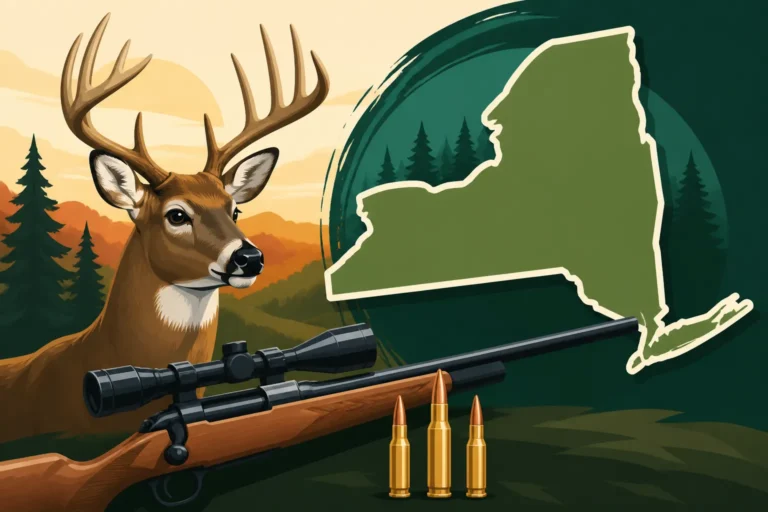
Hunting deer in New York can be an incredible experience, but the myriad of regulations, especially concerning firearms, can feel like navigating a legal minefield. Many seasoned hunters and newcomers alike struggle to keep track of what’s permissible where, leading to frustration and sometimes even missed opportunities. This comprehensive guide is designed to cut through that confusion, clearly outlining the legal rifle rules across New York's distinct deer hunting zones so you can hunt confidently and legally.
The Fundamental Split: Southern vs. Northern Zone
New York State is a land of diverse landscapes, from the rolling farmlands of the Southern Tier to the vast wilderness of the Adirondacks. It only makes sense that hunting regulations would reflect these differences. One of the most fundamental distinctions for deer hunters lies in the division of the state into the Northern and Southern Zones, a split that dictates everything from season dates to, critically, what types of firearms you can legally use for deer. Understanding this basic geographic and regulatory divide is your first step to being a compliant and effective hunter.
Understanding the Geographic Divide
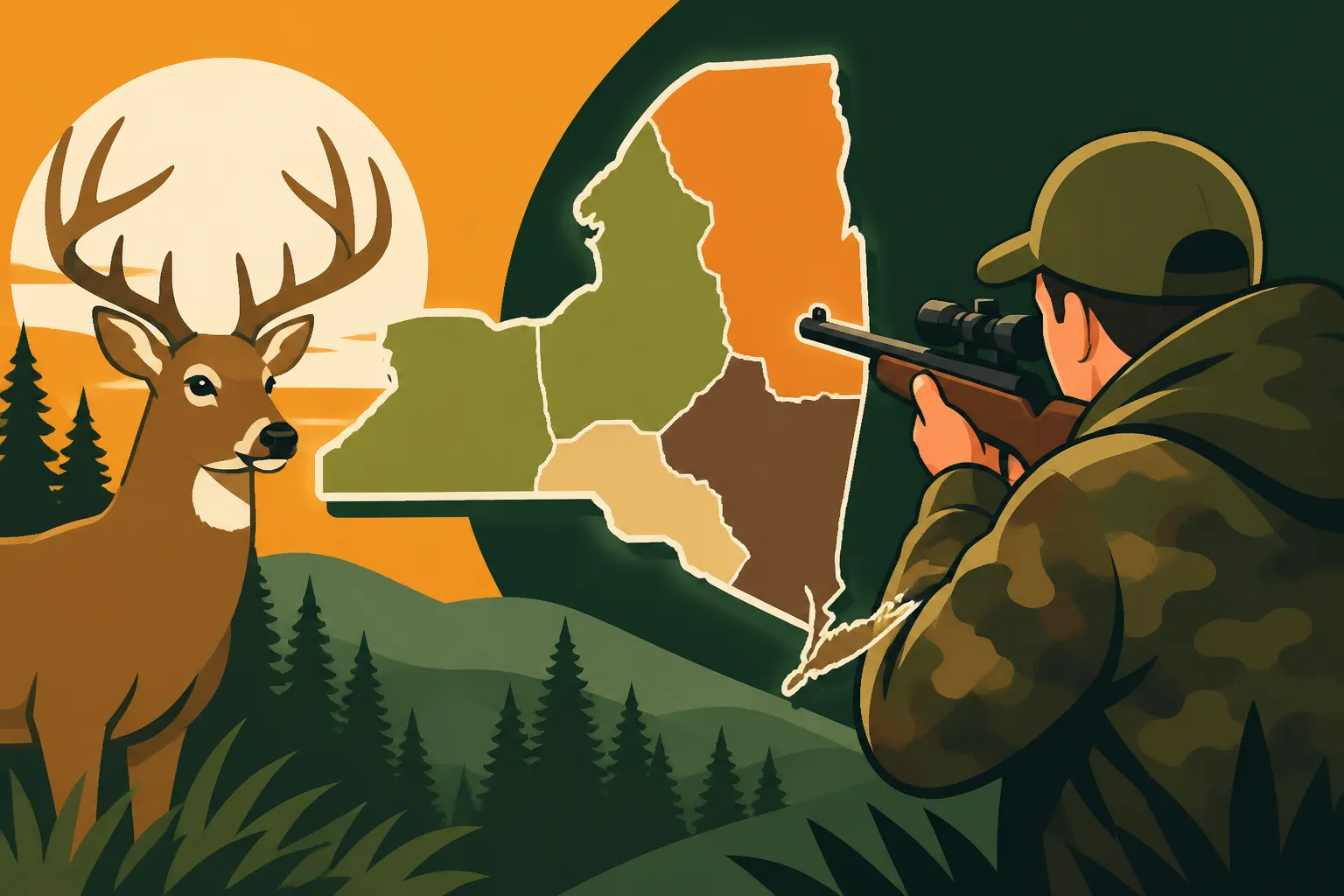
The imaginary line separating New York's two deer zones isn't always obvious on the ground, but it's clearly defined on a map. Generally speaking, the Northern Zone encompasses the Adirondack Park and surrounding wild lands, characterized by vast tracts of forest, low population density, and often more rugged terrain. This is where you'll find expansive public lands and a traditional "big woods" hunting experience. The Southern Zone, on the other hand, covers the rest of the state, stretching from the Catskills down to the Southern Tier and out to Western New York. This zone is generally more developed, with a mix of agricultural land, suburban fringes, and smaller woodlots, interspersed with state forests and wildlife management areas. This difference in landscape and population density is the driving force behind the varying firearm regulations. How New York's Two Deer Zones Split the Calendar offers a deeper look into the seasonal differences that arise from this divide.
Historically, the rationale for these distinct rules was rooted in safety and population management. In areas with higher population density, or where terrain doesn't always provide a natural backstop for long-range projectiles, the state has traditionally opted for firearms with a more limited range. The Southern Zone, with its greater human presence and varied land use, falls largely into this category, leading to specific restrictions on rifle use. The Northern Zone, with its immense wild areas, allows for different considerations.
Historical Context of the Rules
For generations, the rules were fairly straightforward, if sometimes frustrating for Southern Zone hunters: rifles in the Northern Zone, shotguns and muzzleloaders in the Southern Zone. This was primarily a safety measure, designed to prevent long-range rifle projectiles from traveling through populated areas or across property lines in the more developed Southern Zone. Back in the day, if you hunted deer in the Southern Zone, you likely carried a slug gun or, during the appropriate season, a muzzleloader. There was a clear divide, and many hunters bought specific firearms just to adapt to whichever zone they predominantly hunted in.
However, the world of hunting firearms evolves, and so do regulations. While the core philosophy remains, there have been some significant changes over time, particularly with the introduction and acceptance of certain straight-walled cartridges. These changes have attempted to offer Southern Zone hunters more rifle-like accuracy and range without compromising the foundational safety principles that have long been in place. It's a testament to the ongoing discussion between hunters, lawmakers, and wildlife managers to find common ground that ensures both safety and an effective hunting experience.
Southern Zone: Shotgun/Muzzleloader Only, With a Modern Twist
If you're hunting in New York's Southern Zone, the phrase "shotgun/muzzleloader only" has historically been etched into every deer hunter's mind. For decades, this meant precisely what it said: no centerfire rifles were allowed for deer hunting. You relied on your trusty slug gun or, during the designated period, a muzzleloader. But modern ammunition technology has created a fascinating exception that has fundamentally changed the landscape of Southern Zone deer hunting, offering options that bridge the gap between traditional slug guns and true centerfire rifles.
What "Shotgun/Muzzleloader Only" Truly Means for Rifles
The traditional interpretation of "shotgun/muzzleloader only" in the Southern Zone essentially banned any firearm chambered for bottlenecked centerfire rifle cartridges. These are the cartridges most people think of when they hear "rifle," like a .30-06 or a .270. Their bullets are designed for long-range flight and carry significant energy, which, in densely populated areas, could pose a greater risk of over-penetration or stray rounds traveling distances beyond safe hunting areas. The rationale has always been about public safety, especially given the fragmented nature of land ownership and the presence of homes, roads, and other infrastructure throughout much of the Southern Zone.
So, if you show up in the Southern Zone with your bolt-action .308, you'd be out of luck during the regular firearm season. Your options were limited to shotguns firing single projectiles (slugs) or muzzleloading firearms. While these can be incredibly effective within their practical range, they often don't offer the same flat trajectory or precision at longer distances that many rifle hunters are accustomed to. This has been a constant point of discussion and, at times, frustration for hunters wanting more accuracy and reach in the Southern Zone without compromising safety. For details on how to navigate the traditional Southern Zone firearm season, check out New York's Southern Zone Firearm Season.
Straight-Walled Cartridges: A Modern Exception
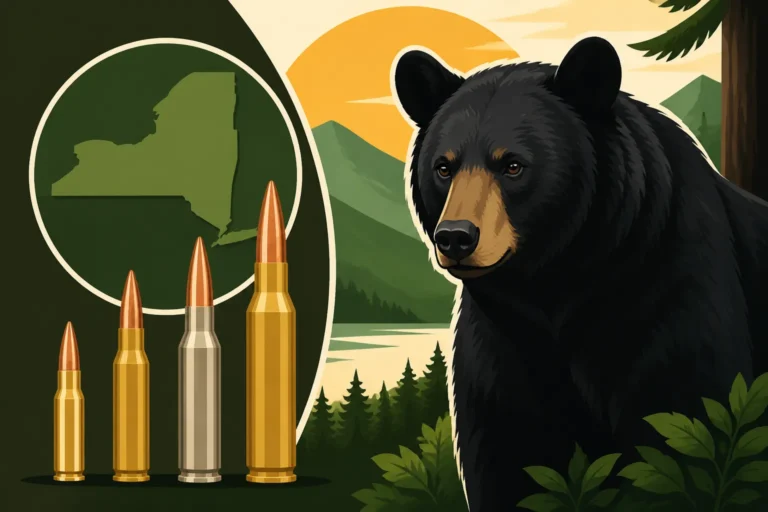
Here's where the "modern twist" comes in. Recognizing the demand for better performance in the Southern Zone while still adhering to the spirit of the safety regulations, New York State has embraced the use of firearms chambered in straight-walled rifle cartridges. What does this mean? Unlike bottlenecked cartridges that taper down to a smaller bullet, straight-walled cartridges maintain a consistent diameter from the bullet base to the case rim. Think of cartridges like the .45-70 Government, .350 Legend, or .450 Bushmaster.
These cartridges, while fired from rifles, typically produce bullets that have a more limited effective range compared to traditional bottlenecked rifle cartridges. They often perform more similarly to shotgun slugs in terms of maximum trajectory and energy retention at distance, but offer significantly improved accuracy and a lighter recoil impulse than many large-bore slug guns. This has been a game-changer for Southern Zone hunters who want the handling and accuracy of a rifle without violating the underlying intent of the "shotgun/muzzleloader only" rule. It allows for a more ethical and effective harvest out to typical Southern Zone hunting distances, making the experience more enjoyable and successful for many. New York Legal Firearms for Deer Hunting provides a deeper dive into the specific legal requirements for various firearms.
Public vs. Private Land Implications
The rules regarding straight-walled cartridges apply universally across the Southern Zone, whether you're hunting on public or private land. However, the practical implications can differ. On public lands, which often see higher hunting pressure, the use of a more accurate straight-walled rifle can give you a confidence boost for those ethical shots within its effective range. However, it doesn't change the need to be acutely aware of your surroundings, your backstop, and other hunters. Safety is paramount, and even with a straight-walled cartridge, you're responsible for every bullet you fire.
On private land, where you might have more control over the hunting environment or know the specific property layout intimately, a straight-walled rifle offers the same accuracy advantages. It’s particularly beneficial in areas with mixed terrain, small fields, and woodlots, where shot opportunities might be fleeting but precision is still critical. Regardless of whether you're on a sprawling state forest block or a friend's back forty in Chemung County, understanding and adhering to the straight-walled cartridge rule is crucial. Always double-check the specific regulations for your Wildlife Management Unit (WMU) or any special local ordinances, as exceptions can sometimes apply. A digital mapping tool like GoHunt can be incredibly useful for quickly identifying WMU boundaries and understanding the lay of the land, helping you determine if you're in an area where these specific rules apply.
Northern Zone: Rifle Country
Ah, the Northern Zone. For many, this is the classic "rifle country" of New York, where the rules open up to allow a much broader array of centerfire rifles for deer hunting. This vast, often rugged landscape, dominated by the Adirondack Forest Preserve and expansive state forests, provides the perfect backdrop for long walks, big timber, and the use of firearms designed for longer shots and larger game. It's a different kind of hunting experience, and the firearm regulations reflect that.
Embracing the Freedom of Centerfire Rifles
In the Northern Zone, hunters are generally free to use traditional centerfire rifles, which means those powerful bottlenecked cartridges we discussed earlier are completely fair game. This includes popular calibers like .30-06 Springfield, .270 Winchester, .308 Winchester, 6.5 Creedmoor, and many others. This freedom allows hunters to choose a rifle and cartridge combination that best suits their hunting style, the terrain they'll encounter, and the potential shot distances. For many, the accuracy and flatter trajectory of a good rifle make the challenges of hunting the big woods of the Adirondacks or the foothills of the Tug Hill plateau a little more manageable.
This freedom isn't without its responsibilities, of course. While the Northern Zone is less densely populated, ethical hunting practices, including knowing your effective range, identifying your target, and ensuring a safe backstop, are just as critical, if not more so, given the increased range capabilities of these firearms. The ability to make a precise shot at 150-200 yards or even further is a significant advantage, but it requires diligent practice and a deep understanding of your firearm's capabilities. New York's Northern Zone Firearm Season delves into the full scope of hunting opportunities available in this unique part of the state.
Common Rifle Calibers and Their Efficacy
When you walk into a sporting goods store in the Northern Zone, you’ll find shelves stocked with ammunition for a wide range of centerfire rifle calibers. Hunters here have their favorites, often chosen for their effectiveness on New York whitetails and, sometimes, black bears.
- .30-06 Springfield: A venerable classic, known for its versatility and power. It's an excellent all-around choice for deer and bear, with a long history of success.
- .308 Winchester: A compact and efficient cartridge, the .308 offers similar performance to the .30-06 in a shorter action, making it popular for lighter rifles. It's renowned for its accuracy.
- .270 Winchester: Another flat-shooting classic, the .270 is known for its velocity and good performance on deer-sized game at various ranges.
- 6.5 Creedmoor: A newer favorite, the 6.5 Creedmoor has gained immense popularity for its excellent ballistics, low recoil, and superb accuracy, making it a fantastic choice for those longer Northern Zone shots.
- .30-30 Winchester: While perhaps less common for long-range shots in open areas, the .30-30 remains a classic lever-action cartridge, perfect for still-hunting thick timber where shots are typically under 100 yards.
The "best" caliber often comes down to personal preference, comfort with recoil, and the specific rifle itself. All of these calibers, when matched with appropriate bullet construction, are more than capable of cleanly harvesting deer in the Northern Zone. The key is consistent practice to master your chosen rifle and ammunition. Consider reading New York Minimum Rifle Caliber Rules for specific legal minimums, though most popular deer calibers far exceed them.
The Importance of Safe Backstops in Timber
Even in the vastness of the Northern Zone, responsible shot placement and an understanding of your bullet's trajectory are critical. The dense timber and rolling terrain can create unique challenges and require an even greater emphasis on finding a safe backstop. A bullet from a centerfire rifle can travel a significant distance, potentially miles, if it doesn't strike an animal or an adequate natural barrier.
When hunting in mountainous or heavily forested areas, identifying a solid backstop like a hillside, a large tree, or the ground beyond your target is paramount before taking any shot. You can't always see what's beyond your intended target in thick cover, making it crucial to be absolutely sure of your surroundings. A digital mapping application, such as the one offered by GoHunt, can sometimes give you a better understanding of terrain features, like steep hillsides or ravines, that might act as natural backstops or funnel deer movement. Always climb to an elevated position if possible, or use the natural topography to your advantage. Whether you're setting up a treestand or still-hunting through a thick aspen stand, vigilance for backstops is a non-negotiable part of Northern Zone rifle hunting. Treestand Setups in Adirondack Hardwoods offers tips on setting up in this challenging terrain.
Beyond the Zones: Specific Rules and Calibers
While the Northern and Southern Zone distinction forms the bedrock of New York's rifle regulations, there are other crucial rules and considerations that apply across the board, or in specific circumstances, regardless of your geographic location. These cover everything from the physical attributes of your rifle to where you can actually discharge it, ensuring a layer of safety and ethical conduct for all hunters.
Minimum Caliber and Magazine Capacity Considerations
New York State does have regulations concerning the minimum caliber for big game. For deer and bear, the law states that you must use a firearm that fires a bullet at least 0.22 inches in diameter. So, while a .22 Long Rifle might be great for squirrels, it's definitively out for deer. Most common deer hunting calibers, even something like a .243 Winchester, easily exceed this minimum, so it's rarely an issue for hunters using appropriate firearms. However, it's a good baseline to be aware of.
Magazine capacity is another important point, especially with the prevalence of semi-automatic rifles. For hunting deer or bear, your rifle cannot be capable of holding more than five rounds in the magazine and chamber combined. This means a standard box magazine that holds 4-5 rounds is generally acceptable. If you have a larger capacity magazine, it must be pinned or otherwise permanently modified to limit its capacity to five rounds or less for hunting purposes. This rule aims to promote fair chase and prevent excessive shooting at game.
Semi-Automatic Rifles and State Law
This is an area where New York's hunting regulations intersect with its broader firearms laws, which can be complex. Generally, semi-automatic rifles are legal for hunting in the Northern Zone, provided they meet the caliber requirements and the aforementioned magazine capacity limit. However, New York's SAFE Act includes provisions that define and regulate "assault weapons," and many semi-automatic rifles can fall under this definition based on features like pistol grips, adjustable stocks, flash suppressors, or bayonet lugs.
If a semi-automatic rifle is classified as an "assault weapon" under New York State law, it cannot be legally possessed or used in the state, regardless of your hunting intentions, unless it has been properly registered or modified to comply with the law (often referred to as being "featureless" or utilizing a fixed magazine). This means that simply owning a semi-automatic rifle that is legal in another state does not automatically make it legal for hunting in New York. Hunters must ensure their firearms comply with all state firearms laws, not just hunting specific regulations. It’s always best to consult the most current New York State Police guidance or a qualified firearms attorney if you have any doubts about the legality of a specific semi-automatic rifle.
Special Cases: Restricted Areas and Permits
Even within the established Northern and Southern Zone rules, there are always localized exceptions and special situations to be aware of. These can include:
- WMU-Specific Rules: While the broad zone rules apply, some Wildlife Management Units (WMUs) might have specific additional regulations or special permit hunts that modify general rules. For example, urban or suburban WMUs might have archery-only regulations or specific restrictions on projectile types due to extreme population density. Hunting Long Island Farmland Deer highlights some of these unique regional rules.
- State Parks and Public Access Lands: Not all public lands are open to rifle hunting, even in the Northern Zone. Some state parks, conservation areas, or specific parcels of state land might have restrictions on hunting methods or firearm types. Always check the specific rules for any public land you plan to hunt.
- Safety Zones: Regardless of the zone, New York law establishes safety zones around dwellings, farm buildings, and other occupied structures. You cannot discharge a firearm within 500 feet of such structures without the express permission of the owner or lessee. This 500-foot rule is critical for safety and applies everywhere. New York Firearms Discharge Setback Rules details these vital safety requirements.
- Controlled Hunts: Occasionally, specific controlled hunts, such as those to manage deer populations on certain properties, might have their own set of rules regarding firearms that differ from the general season. These are typically announced well in advance and require special permits.
Staying informed about these special cases requires a proactive approach. The DEC website is your primary resource, but local sporting goods stores and experienced hunters in the area can also offer valuable insights.
| Feature / Zone | Northern Zone | Southern Zone (Traditional) | Southern Zone (Modern) |
|---|---|---|---|
| Typical Firearms | Centerfire Rifles, Shotguns, Muzzleloaders | Shotguns (slugs only), Muzzleloaders | Shotguns (slugs), Muzzleloaders, Straight-Walled Cartridge Rifles |
| Rifle Cartridge Type | Bottlenecked and Straight-Walled Centerfire | Not allowed (traditional bottlenecked) | Only Straight-Walled Centerfire Cartridges |
| Examples of Calibers | .30-06, .308, .270, 6.5 Creedmoor, .45-70, .350 Legend | 12 ga. slug, 20 ga. slug | .45-70, .350 Legend, .450 Bushmaster, .444 Marlin |
| Primary Rationale | Vast, less populated areas; tradition | High population density; public safety | Balance of safety and improved accuracy/range for hunters |
| Magazine Capacity | Max 5 rounds (chamber + magazine) | Max 5 rounds (chamber + magazine) for eligible firearms | Max 5 rounds (chamber + magazine) |
The "Why" Behind the Rules and What it Means for Hunters
It's easy to get frustrated by hunting regulations, especially when they seem complex or restrictive. "Why can't I just use my rifle everywhere?" is a common question. But understanding the rationale behind New York's rifle rules, particularly the Southern Zone's restrictions, can help hunters appreciate the thought process and adapt more effectively. These regulations aren't arbitrary; they're rooted in a combination of public safety, habitat characteristics, and the unique challenges of managing wildlife in a diverse state.
Population Density and Safety Concerns
The most significant factor driving the Southern Zone's firearm regulations is population density. New York is a state with a large, diverse population, and much of the Southern Zone consists of a patchwork of rural homes, small towns, agricultural fields, and suburban developments. In such environments, a high-powered rifle bullet, capable of traveling for miles, presents a greater risk to human life and property. Shotgun slugs and, more recently, straight-walled rifle cartridges, have a significantly shorter maximum range and tend to lose energy more rapidly, reducing the risk of a projectile traveling unintended distances.
This focus on safety means that as a hunter, you must be even more diligent about identifying your target, knowing what's beyond it, and understanding the trajectory of your chosen projectile. While the rules are designed to mitigate risk, ultimate responsibility always lies with the individual hunter. This is why knowing your safety zones around dwellings and adhering to them rigidly is so important. It protects the public and, frankly, helps ensure hunting remains a viable activity in the state.
Habitat and Terrain Influences
Beyond population, the very nature of the land plays a role. The Southern Zone, characterized by rolling hills, dense woodlots, and fragmented forests, often provides fewer natural backstops like towering mountainsides that are common in the Adirondacks. Shots are often taken in relatively close quarters, in thick brush, or across smaller fields. In these conditions, the extreme range of a bottlenecked rifle cartridge is often unnecessary and potentially hazardous.
Conversely, the Northern Zone's vast wilderness, with its rugged mountains, deep valleys, and expansive forests, lends itself to longer shots and the use of rifles. Deer hunting here often involves still-hunting large tracts of timber, or finding vantage points on ridges overlooking vast areas. The terrain itself provides more natural opportunities for safe shooting lanes and backstops. The regulations, therefore, attempt to match the appropriate tools to the typical hunting environment, promoting both safety and ethical harvesting within those conditions. For example, Hunting Southern Tier Farmland Deer emphasizes different tactics than those used in the big woods.
Adapting Your Hunting Style
The varying rifle rules undoubtedly require hunters to adapt their equipment and strategies based on where they're hunting. If you're a Southern Zone hunter, embracing a slug gun or a straight-walled rifle means honing your skills for closer-range precision. It might involve practicing more with open sights or a low-power scope, understanding slug ballistics, or becoming proficient with your chosen straight-walled cartridge. It’s not about compromising effectiveness, but about maximizing it within the legal framework.
For Northern Zone hunters, the freedom of a centerfire rifle means you can plan for longer shots, but it also means being prepared for the vastness of the territory. Carrying a reliable rifle that you're proficient with, understanding windage and bullet drop over distance, and being physically ready for strenuous hunts are all part of the experience. It's about respecting the land and the rules that protect both the game and fellow outdoor enthusiasts. Muzzleloader Deer Hunting in New York offers insights into adapting to yet another firearm type allowed in both zones.
Navigating the Nuances and Staying Legal
With all these rules and distinctions, it's natural to feel a bit overwhelmed. The key to staying legal and having a stress-free hunt in New York is to be proactive, informed, and to double-check your facts. Don't rely solely on what "everyone else does" or outdated information. The regulations can change, and ignorance is rarely accepted as an excuse.
Checking Your Specific WMU and Local Ordinances
While the Northern and Southern Zone rules are the broadest strokes, the most precise way to confirm what's legal is to check the specific regulations for the Wildlife Management Unit (WMU) you plan to hunt. New York's WMUs are smaller, localized management areas, and occasionally, specific WMUs might have unique rules or exceptions to the general zone regulations. This is especially true in WMUs closer to urban areas, or those with unique ecological characteristics.
The New York State Department of Environmental Conservation (DEC) website is your go-to resource for current regulations, often providing detailed maps and WMU-specific rules in their annual hunting and trapping guide. Pay close attention to any special seasons or weapon restrictions listed for your chosen WMU. Furthermore, always be aware of any local ordinances. While less common for firearm types, some towns or counties might have additional restrictions on discharging firearms or hunting in certain areas that are stricter than state law. Scouting With the New York HuntFishNY App can be a great way to access this information directly in the field.
The Role of Digital Mapping Tools
In today's hunting world, digital mapping tools have become indispensable for navigating complex regulations and terrain. Services like GoHunt, or the official New York State HuntFishNY app, offer layers that can display WMU boundaries right on your phone or GPS device. This is incredibly useful for visually confirming which zone you're in, and therefore, which firearm rules apply. Imagine you're hunting near the theoretical line separating the Northern and Southern Zones; a quick glance at your GoHunt map can prevent a serious mistake.
Beyond just identifying zones, these tools often allow you to see property lines, public versus private land, and even topography, which can help you identify potential backstops or understand shot angles. Using such a tool as part of your pre-hunt planning, and keeping it handy in the field, can be a game-changer for ensuring you're always hunting legally and safely. Before you head out, download offline maps if you expect to be in areas without cell service – a common occurrence in many prime New York hunting spots.
When in Doubt: Ask the Experts
If you've reviewed the regulations, consulted your maps, and still have questions or feel unsure about a particular rule or a specific firearm, don't hesitate to ask for clarification. The best resources for definitive answers are:
- New York State DEC: Their regional offices or their main wildlife division are staffed with professionals who can provide accurate, up-to-date information.
- Local Conservation Officers (ECOs): These are the folks who enforce the rules, and they are usually happy to clarify regulations if approached respectfully.
- Experienced Local Hunters: While not a definitive legal source, long-time hunters in a specific area can often offer practical insights into local nuances, but always cross-reference with official sources.
- Reputable Sporting Goods Stores: Employees at established hunting shops, especially those in rural areas, are often very knowledgeable about local regulations and can be a good first stop for questions.
It’s always better to ask a question before the hunt than to face a violation later. By diligently understanding and adhering to New York’s rifle rules, you contribute to a safe hunting environment for everyone and ensure that you can focus on the thrill of the chase, rather than worrying about compliance.
Disclaimer
This article is for general informational purposes only and does not constitute professional advice. Laws, prices and regulations vary by location and change over time. Consult a qualified professional for guidance on your specific situation.