Deer Sleds for Snow Country
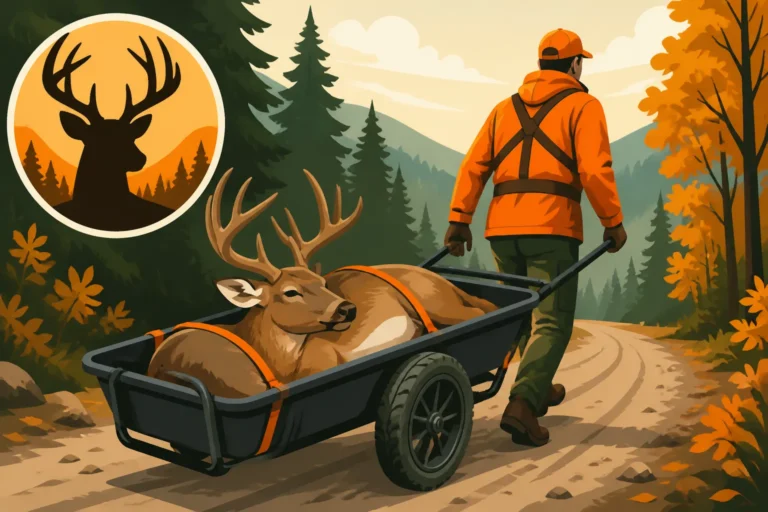
The sheer exhilaration of tagging a deer in New York's crisp winter air can quickly turn into a grueling test of endurance when you realize you have to drag that animal through deep, powdery snow or over frozen, crusty drifts. The effort involved can be immense, often leading to exhaustion and even injury, especially when you're miles from the truck. This comprehensive guide is here to help, exploring the different types of deer sleds available and offering practical advice to make your winter deer retrieval as efficient and manageable as possible.
The Indispensable Tool for New York's Winter Harvests
There's a special kind of satisfaction that comes from filling a tag in late season, but let's be honest, the thought of dragging a heavy deer through a foot or more of snow can be a real buzzkill. Many of us have experienced that back-breaking struggle, trudging step by agonizing step, only to arrive at the vehicle soaked in sweat and utterly spent. That's where a good deer sled becomes less of a luxury and more of an absolute necessity, transforming a dreaded chore into a far more manageable task.
Why a Sled Beats Dragging in the Snow
The fundamental physics behind a deer sled are simple: it reduces friction. Instead of the deer's fur dragging and catching on every snowflake, twig, and patch of ice, the smooth underside of a sled glides over the surface. This means you're not expending nearly as much energy overcoming resistance. Think about trying to slide a brick across sandpaper versus a piece of ice; the difference is night and day. A sled essentially creates that "ice" surface, allowing the deer to move with relative ease. This is particularly noticeable in deep, soft snow where a deer's body would otherwise act like a plow.
Beyond the reduced friction, a sled protects the carcass. Dragging a deer directly on its hide can cause hide damage, collect debris like dirt and pine needles, and even potentially compromise the meat if the carcass is punctured by sharp sticks or rocks. A sled keeps the deer elevated and contained, ensuring a cleaner, more respectful transport from the kill site to your processing area. It’s a small detail that makes a big difference in the quality of your harvest, and especially if you're taking advantage of the opportunity to Hunting the Southern Zone Holiday Hunt or those late-season archery days.
The Specific Challenges of New York's Snow Country
New York's diverse geography presents a unique set of challenges for winter deer retrieval. Upstate, particularly in regions like the Adirondacks or the Tug Hill Plateau, you can encounter truly prodigious amounts of snow. We're not talking a dusting; we're talking feet of the stuff. Hunting Deer in Deep Tug Hill Snow is a real experience, and navigating it with a deer requires serious thought. This deep, often powdery snow can quickly sap your strength if you're trying to drag a deer conventionally. Even in the Catskills or parts of the Southern Tier, late-season hunts can mean significant snowfall, turning familiar logging roads into snow-choked tunnels and steep ravines into icy obstacles.
Beyond the sheer volume of snow, consider the type of snow. A heavy, wet snowfall creates a dense, clinging drag. Older, crusty snow can offer better floatation but also presents sharp edges that can snag and tear. And of course, there's always the underlying terrain – the rocks, downed timber, and frozen hummocks that remain hidden beneath the white blanket, waiting to trip you up or snag your precious cargo. A good sled is designed to handle these variations, offering flotation in deep powder and a durable base to slide over those hidden obstacles without getting hung up or damaged.
Choosing the Right Deer Sled for Your Hunt
Just like you wouldn't use the same broadhead for every setup, not all deer sleds are created equal. The "best" sled really depends on your hunting style, the terrain you frequent, and the typical snow conditions you expect to encounter in your specific part of New York. Understanding the different options available can save you a lot of headache and backache down the road.
Hard Plastic Sleds: Durability for the Toughest Hauls
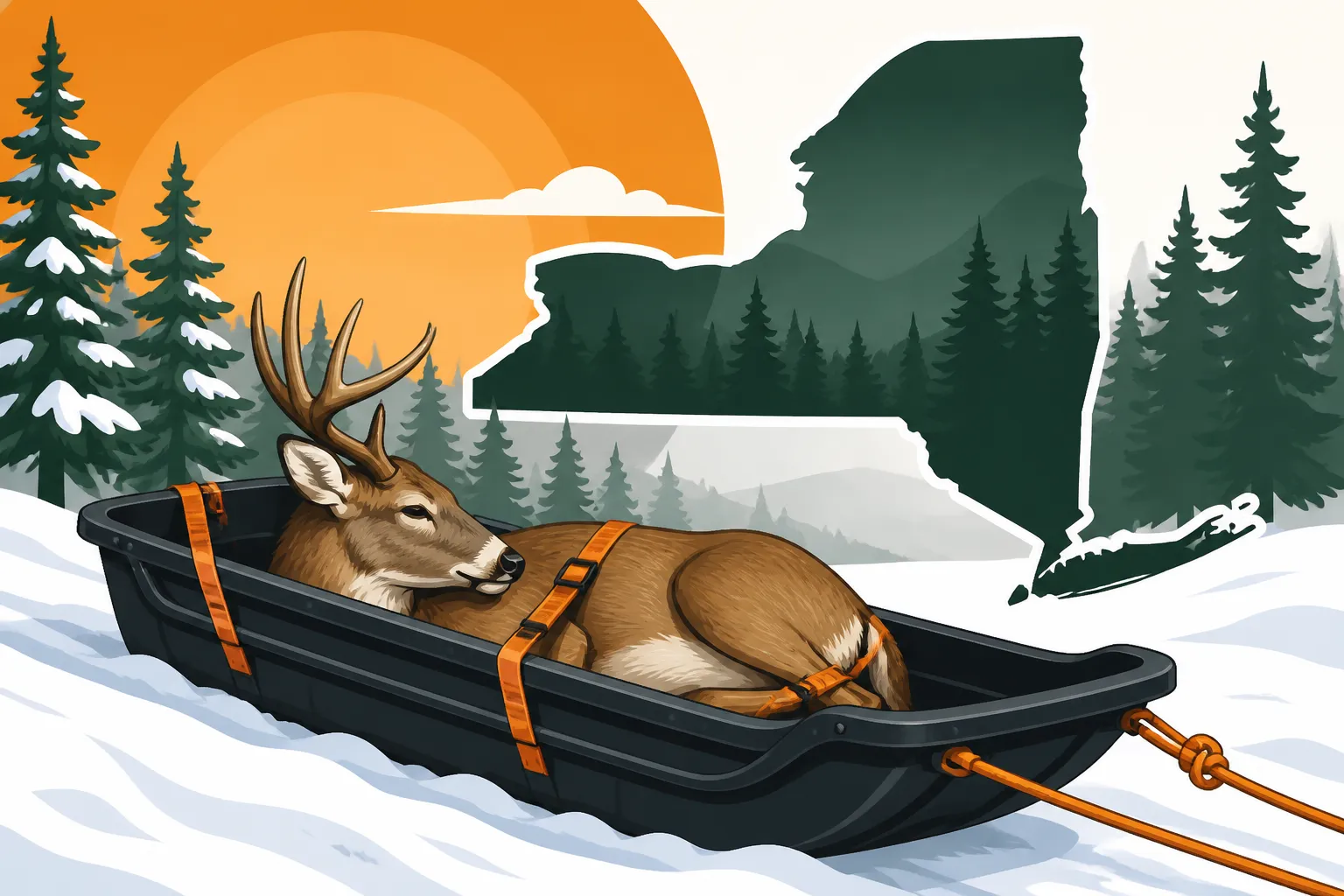
Hard plastic sleds are probably what most hunters envision when they think of a deer sled. These are typically made from durable, rigid polyethylene or similar plastics, often featuring a ribbed or dimpled bottom to help them track straight and glide smoothly over snow and ice. They come in various sizes, from compact designs for smaller deer to larger, longer models capable of handling a mature New York buck with ease. Their primary advantage is their robustness. They can take a beating, sliding over rocks, downed logs, and icy patches without easily tearing or puncturing. This makes them ideal for rougher terrain and areas where the snow cover might be inconsistent or where you might encounter sections of bare ground.
Many hard plastic sleds also feature built-in holes or molded-in handles around the perimeter, allowing you to secure the deer with ropes or straps, preventing it from sliding off during transport. Some even have a slightly raised lip around the edge, further containing the carcass and protecting it from snow and debris. While they are undoubtedly effective, their rigid nature means they can be a bit bulky to transport to your hunting area if you're hiking in deep, especially if you're already carrying a full pack for a day of Cold-Weather Sitting Strategy in New York. However, if you're hunting closer to vehicle access or using an ATV, a hard plastic sled is a fantastic, reliable option.
Flexible Fabric Drags: Lightweight and Packable Convenience
On the other end of the spectrum, we have flexible fabric drags. These are often made from heavy-duty, waterproof canvas, nylon, or PVC-coated materials. They essentially act like a large, durable tarp with handles or D-rings around the edges. The biggest selling point for fabric drags is their portability. They can be folded or rolled up into a compact size, easily stashed in a backpack or even a large coat pocket. This makes them incredibly appealing for hunters who venture deep into public lands, perhaps far from the nearest road, or who prefer a minimalist approach to their gear. Think about covering serious ground while Still-Hunting Catskill Ridges; adding a bulky plastic sled to your gear might not be practical, but a packable fabric drag certainly is.
When you've made your kill, you simply unroll the fabric, lay the deer on it, wrap it up like a burrito, and secure it with ropes. The flexible nature of these drags allows them to conform to the deer's shape and the terrain, making them surprisingly versatile. While generally less durable than hard plastic against sharp rocks, a good quality fabric drag is still remarkably tough and can withstand many seasons of use. They excel in deep, uniform snow conditions where they provide excellent flotation and are easy to pull. They might not be the best choice if you anticipate dragging over extended stretches of exposed gravel or jagged stumps, but for pure snow travel, they are exceptionally efficient and lightweight.
Hybrid Designs and Specialized Features
As with most hunting gear, innovation has led to hybrid designs that try to combine the best of both worlds. You might find semi-rigid plastic sleds that can flex to a degree, offering a compromise between durability and packability. Some plastic sleds are designed with a tapered front and raised sides, specifically engineered to glide over obstacles and prevent snow from piling up in front. There are even specialized bags that zip completely around the deer, offering full protection from the elements and ensuring nothing can snag during the drag. These often have reinforced bottoms and heavy-duty zippers and handles.
Another feature to consider is the towing system. Most sleds come with a simple rope, but a good harness system can make a world of difference, especially on longer hauls or uneven ground. Look for harnesses that distribute the weight across your hips and shoulders, rather than just pulling with your hands. Some sleds feature integrated quick-release buckles for attaching ropes or harnesses. When you're using a tool like GoHunt to scout out your route, consider the terrain and how easily a sled with a particular towing system might navigate it. A well-designed harness can significantly reduce fatigue and strain, turning a multi-person job into a task one or two hunters can manage.
Here’s a quick comparison of common deer sled types:
| Feature/Type | Hard Plastic Sleds | Flexible Fabric Drags | Hybrid/Specialized Sleds |
|---|---|---|---|
| Material | Rigid Polyethylene, HDPE | Heavy-duty PVC, Reinforced Nylon, Canvas | Varies: semi-rigid plastic, ballistic nylon bags |
| Durability | Excellent against abrasion, punctures | Good, but can tear on very sharp objects | Excellent, often with reinforced wear points |
| Portability | Bulky, difficult to carry far into the woods | Highly packable, folds/rolls compactly into a pack | Moderate, some designs are more compact than others |
| Friction Reduction | Very good, smooth glide | Excellent, especially in deep snow | Very good, often with specialized base designs |
| Carcass Protection | Good, contains deer, some side protection | Excellent, fully encloses/wraps deer | Excellent, full enclosure often seen in bags |
| Ideal Terrain | Mixed terrain, inconsistent snow, heavy brush | Deep, consistent snow, open woods, long distances | Varied, depending on specific design and features |
| Towing System | Often simple ropes, but compatible with harnesses | Simple ropes/handles, easy to add custom harnesses | Often includes enhanced ropes or integrated harnesses |
| Cost | Moderate to High | Low to Moderate | Moderate to High |
Mastering the Art of Deer Sledding in New York's Diverse Terrain
Having the right sled is only half the battle; knowing how to use it effectively can make all the difference between a smooth retrieval and another exhausting slog. New York's landscape, from the rolling farmlands of the Southern Tier to the steep, rocky slopes of the Adirondacks, demands adaptability in your approach.
Techniques for Different Snow Conditions
The type of snow you're dealing with will significantly impact your sledding strategy. In deep, fresh powder, a wider sled or drag will offer better flotation, preventing the deer from sinking too deeply and becoming a plow. For these conditions, a fabric drag can often perform exceptionally well because it conforms to the deer's shape and spreads the weight over a larger surface area. Focus on maintaining a steady pace and pulling from a low anchor point, allowing the sled to ride on top of the snow.
When the snow is heavy and wet, it becomes denser and creates more suction. Here, a hard plastic sled with a slick, perhaps ribbed, bottom can be advantageous as it minimizes surface contact and resistance. It's like trying to pull something out of thick mud versus a shallow puddle. You'll need consistent, forward momentum, and it’s often helpful to have two people: one pulling and one pushing or guiding from the rear, especially if you're Deer Drives With Three or Four Hunters.
Crusty or icy snow can be tricky. A hard crust might support the sled, making for easy pulling, but if the crust is thin or breaks easily, the sharp edges can snag the sled or even damage a fabric drag. In these conditions, a sturdy plastic sled is usually preferred for its durability. If you encounter significant ice, be extremely cautious. It's not just about pulling the deer; it's about staying on your feet. Consider adding chains or traction devices to your boots for stability.
Navigating Hills, Ice, and Obstacles
Hills are the nemesis of deer retrieval. Going downhill can mean the sled quickly gains momentum, potentially running you over or getting out of control. Always maintain control of the rope, using your body weight as an anchor. If it's a very steep descent, you might even need to loop the rope around a tree or use a partner as a brake from behind. For uphill climbs, short, strong pulls are often more effective than a continuous, exhausting effort. Take frequent breaks and, if possible, angle your ascent to a gentler slope. Using tools like onX Layers for New York Land Status or GoHunt to identify less steep routes before the hunt can save you immense effort post-harvest. This kind of pre-scouting is also invaluable for understanding potential challenges when planning a Dragging a Deer Off a Catskill Ridge.
Ice presents its own dangers. Beyond the risk of falling, an icy surface can cause the sled to slide unexpectedly sideways, especially on a slope. Keep your weight low, take small, deliberate steps, and use the sled itself to maintain balance if it’s controllable. When encountering downed trees, large rocks, or thick brush, the strategy is often to lift and maneuver the sled over or around, rather than trying to force it. In thick Adirondack timber, for example, you might need to actively clear a path ahead of you with a small hand saw or clippers. Don't be afraid to take detours if a direct path is too challenging; a slightly longer, easier route is always preferable to struggling through an impossible section.
Safety and Ergonomics for a Smooth Retrieval
Safety should always be paramount. Even after the shot, you're still in the woods, often in challenging conditions. Wear your blaze orange, even if the primary firearm season is over, especially if you're on public land or near trails. When pulling a heavy sled, proper lifting and pulling techniques are crucial to prevent back injury. Bend your knees, keep your back straight, and engage your core. If you have a good harness, utilize it to distribute the weight across your stronger leg and core muscles rather than relying solely on your arms and shoulders.
Take breaks often. Dehydration and exhaustion can set in quickly, especially in cold weather where you might not realize how much you're sweating under your layers. Bring plenty of water and some high-energy snacks. If you're hunting with a partner or a group, share the load. Rotate who's pulling, who's spotting for obstacles, and who's keeping an eye on the trail. A good retrieval, especially from a remote area, is a team effort. Also, consider the time of day. While it's tempting to get a deer out quickly, pushing yourself too hard as darkness approaches can lead to mistakes. Blood Trailing After Dark in New York can be done, but a controlled, well-lit retrieval is safer. Sometimes, it’s smarter to mark the deer and return refreshed the next morning, if temperatures allow for proper Field Dressing a Deer in Cold Weather.
Maintenance, Customization, and Smart Practices
Your deer sled is an investment in your hunting comfort and efficiency. A little care and thought into customization can significantly extend its life and improve its performance, ensuring it's always ready when you need it for those unpredictable New York winter days.
Keeping Your Sled Ready for Winter Action
The best way to ensure your deer sled performs season after season is through proper care and maintenance. After each use, especially if it's been dragged through mud, dirt, or over rough terrain, give it a good cleaning. A simple hose-down will usually suffice for plastic sleds, removing any clinging dirt, blood, or debris. For fabric drags, follow the manufacturer's recommendations; some may require hand washing and air drying to prevent mildew. Make sure everything is thoroughly dry before storing to prevent mold and unpleasant odors.
Inspect your sled regularly for wear and tear. Check plastic sleds for deep gouges, cracks, or structural weaknesses. If you find minor damage, sometimes a patch kit or plastic welding can extend its life. For fabric drags, look for tears, fraying seams, or damaged handles. A small tear can often be mended with heavy-duty thread and a needle, or a specialized repair tape. Also, examine your ropes or harness system. Frayed ropes should be replaced immediately, as a broken rope in the middle of a drag is a frustrating and potentially dangerous setback. Keep an eye on your gear throughout the season, not just at the end. After all, you're relying on this equipment to help you with Reporting a New York Deer Harvest Online once you get back to civilization.
DIY Enhancements for Improved Performance
Many hunters love to tinker with their gear, and a deer sled offers plenty of opportunities for customization. One popular modification for plastic sleds is to add a heavy-duty towing rope with a comfortable handle or, even better, a shoulder harness. A simple rope often digs into your hands, especially with a heavy load. You can easily create a padded loop handle or purchase an aftermarket harness that connects to the sled's existing attachment points. Consider making these attachments quick-release, in case you need to unhitch in an emergency.
For fabric drags, adding extra webbing straps or D-rings can increase versatility and make securing the deer easier. Some hunters will even sew in a reinforced bottom layer on their fabric drags to provide extra protection against punctures from hidden debris. You might also consider adding small, reflective tape strips to your sled, especially if there's any chance you'll be retrieving in low light or need to leave it briefly unattended. This enhances visibility, making it easier to spot. Just like using mapping tools like GoHunt for scouting access points and optimal routes for carrying Packs for a Day on Public Land, taking a moment to think about how your sled can be optimized for your specific hunting scenario can make a huge difference in the field.
| Sled Type | Maintenance Tip | Customization Idea |
|---|---|---|
| Plastic | Rinse thoroughly, check for cracks/gouges, repair with plastic weld/epoxy | Add a padded tow rope or shoulder harness, reinforce attachment points, drill holes for extra tie-downs |
| Fabric | Wash and air dry completely, inspect for tears/frays, mend with heavy-duty thread/patch kit | Add extra D-rings or webbing straps, sew on a reinforced bottom layer, incorporate reflective tape |
| General | Inspect ropes/harnesses before each use, replace any worn components | Upgrade to ergonomic handle or hip belt, add a small utility pouch for gloves/knife, mark with reflective tape/paint |
Whether you're braving the deep snow of the Tug Hill or navigating the frozen creeks of the Catskills, a well-chosen and properly used deer sled can truly be your best friend after the shot. It saves your back, protects your meat, and makes those late-season New York deer harvests much more enjoyable. Don't let the thought of a difficult drag keep you from extending your time in the woods during the beautiful, quiet winter months.
Disclaimer
This article is for general informational purposes only and does not constitute professional advice. Laws, prices and regulations vary by location and change over time. Consult a qualified professional for guidance on your specific situation.