Bird Dog Gear for New York Cover
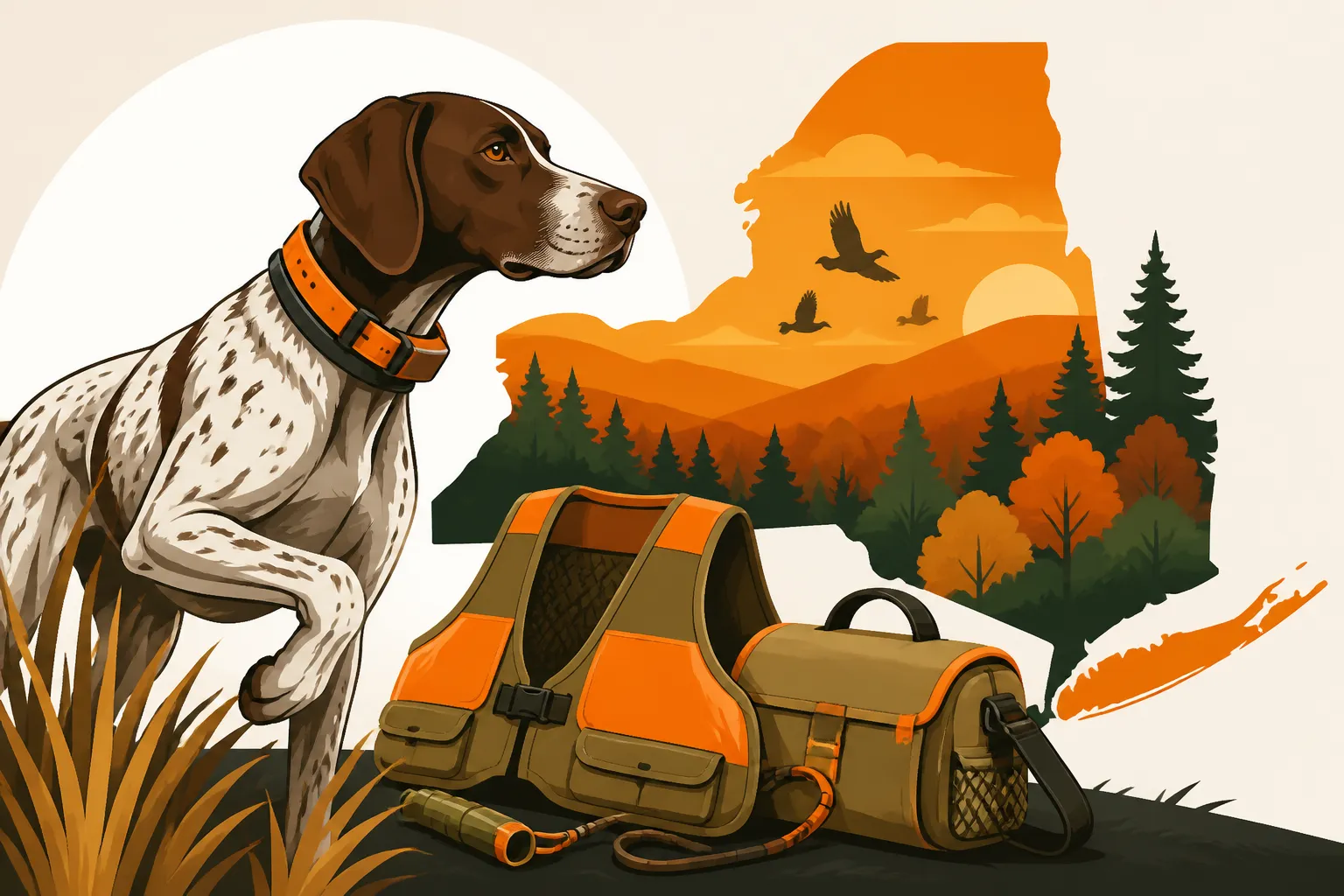
Hunting with a bird dog in New York's diverse covers, from the dense alder runs of the Catskills to the open pheasant fields of the Southern Tier, is an experience unlike any other. However, the joy of watching your loyal companion work is often tempered by the real worries of keeping them safe and effective in challenging terrain. This guide is all about equipping your best hunting buddy with the right gear to protect them from briars, keep them visible, ensure you can find them if they range wide, and make sure they're comfortable and ready for another day in the field, no matter what New York's wild places throw at them.
Essential Communication and Tracking Gear
The bond with your bird dog is built on communication, and in the field, that often means more than just verbal commands. Whether your dog is working close in thick grouse cover or ranging wide for pheasants, having reliable ways to communicate and, crucially, to track them, is absolutely non-negotiable here in New York. The varied landscapes and unpredictable nature of hunting means your dog can quickly disappear from sight, leading to that all-too-familiar knot in your stomach.
GPS Tracking Collars for Peace of Mind
There's nothing quite like the panic that sets in when your dog hits a hot scent and vanishes over a ridge or into a tangle of thickets. In New York's expansive state forests or sprawling private lands, a lost dog isn't just a concern; it's a genuine nightmare. This is where a reliable GPS tracking collar becomes your most important piece of gear. These aren't just for pointers that range far; even close-working flushers can get disoriented or push birds further than you expect.
A good GPS system allows you to see your dog's exact location on a handheld device or even your smartphone, often with detailed topographical maps that are a lifesaver when you're trying to navigate dense Adirondack timber or decipher complex Catskill drainages. Many systems also include training features, like e-collar stimulation (where legal and used ethically), tone, or vibration, which can be invaluable for reinforcing commands at a distance. Imagine being able to tell if your dog is on point deep in a hemlock stand without having to crash through the cover and risk flushing the bird prematurely. You might even use a platform like GoHunt to scout areas beforehand, then integrate your collar's mapping features for real-time tracking during the hunt. This dual approach of pre-scouting and live tracking can really boost your confidence and your dog's safety.
Audible Bells and Beeper Collars
While GPS collars are fantastic for knowing where your dog is, sometimes you just need to know what they're doing, especially when they're in thick cover just out of sight. That's where bells and beeper collars come in. A simple bell, attached to your dog's collar, provides a constant auditory cue of their movement. You'll quickly learn to distinguish the rhythmic jingle of a dog quartering through the woods from the sudden silence that signals a point or a stand. For many, the sound of a bell is synonymous with grouse hunting in New York's aspen cuts.
Beeper collars take this a step further. These electronic devices emit a regular beep when the dog is moving and switch to a faster, distinct tone when the dog is motionless, indicating they're on point. Some advanced models even offer different tones or volume settings. This can be particularly useful in extremely dense cover where the sound of a bell might be muffled or easily confused with other noises. For instance, when Grouse Hunting New York Aspen Cover, the sound of a beeper collar can cut through the rustling leaves and help you pinpoint your dog's precise location and status. It's about minimizing the time spent trying to locate a dog on point and maximizing the time spent focusing on the bird.
Protection from New York's Rugged Terrain
New York's hunting grounds are beautiful, but they're also tough on a bird dog. From abrasive rock and frozen earth to thorny multiflora rose and sharp briars, there are countless ways for an unprotected dog to get cut, scraped, or worse. As hunters, we feel it in our own legs, but our dogs are often running full-speed through this stuff without the benefit of thick pants or boots.
Protective Vests and Chest Plates
Hunting vests for dogs aren't just a fashion statement; they're a crucial piece of safety equipment, especially when hunting in areas with dense brush or sharp debris. These vests are typically made from durable, puncture-resistant materials like Cordura or ripstop nylon, sometimes with reinforced chest plates. They protect your dog's vulnerable underside and chest from thorns, sharp sticks, and even minor encounters with other animals. Think about pushing through those thick tangles of greenbrier and raspberry canes you find in neglected old farm fields in the Southern Tier or along creek bottoms. Without a vest, your dog's chest and belly could be a bloody mess by lunchtime.
Many vests also come in high-visibility colors like blaze orange or even blaze pink, which is vital for keeping your dog visible to you and other hunters, especially on busy public lands or during the firearm seasons when orange is required for humans. Some even have reflective strips for low-light conditions, which is a blessing if you're out late trying to find a downed bird. It's a small investment that can prevent painful injuries and costly vet visits. Remember, your dog isn't just a tool; they're a part of your family and a partner in the field.
Paw Protection for Rough Ground
A dog's paws are their primary interface with the hunting environment, and they take a beating. Rough terrain, frozen ground, sharp stones, and even long days of running can lead to cuts, abrasions, torn pads, and soreness. While a dog's pads are naturally tough, they aren't invincible. This is particularly true when hunting in rocky areas of the Catskills or during the late fall and early winter when the ground can be hard and icy.
Dog boots or booties are an excellent solution for protecting paws. They come in various materials, from durable rubber to flexible fabric, and choosing the right type often depends on the specific conditions. For short, quick hunts, a simple fabric bootie might suffice, offering protection against light abrasion. For longer, more arduous days or in truly rugged conditions, a more robust boot with a durable sole will offer superior protection. It's also wise to carry a few spares, as they can occasionally get lost or damaged in the heat of the chase. Even if you don't use them all the time, having them on hand for an emergency can save a hunt or prevent a serious injury. Think of it like carrying a spare tire – you hope you don't need it, but you're glad it's there.
Comfort and Retrieval Essentials
Beyond just finding and protecting your dog, ensuring their comfort and ability to retrieve effectively are key to successful and enjoyable hunts. A cold, tired, or thirsty dog isn't going to perform their best, and a slow, reluctant retrieve can spoil a well-earned shot.
Insulated Vests and Blankets for Cold Weather
New York weather, especially during prime upland and waterfowl seasons, can be notoriously fickle and downright cold. A wet, shivering dog is not only uncomfortable but also at risk of hypothermia. This is especially true for water breeds during New York Waterfowl Hunting by Zone or for any dog spending long periods in cold rain or snow. Insulated vests are designed to keep your dog warm and dry, often with waterproof or water-resistant outer shells and thermal linings.
For pointing breeds, which often sit motionless on point for extended periods, a good vest can make all the difference in maintaining their core temperature and focus. Similarly, having a warm, dry blanket or bed for them to rest on during breaks or back at the truck can help them recover and prevent stiffness. Remember, these dogs are athletes, and proper recovery is crucial. Think about the difference a good down vest makes for you on a chilly November morning in a treestand; it's the same principle for your dog when they're waiting in a layout blind during Layout Blind Hunting Finger Lakes Fields or crashing through icy cattails.
Water and Food Bowls
It seems obvious, but easy access to fresh water is paramount for a hunting dog. They are expending immense energy, often covering miles at a high pace. Dehydration can quickly lead to fatigue, reduced performance, and serious health issues. Collapsible water bowls, made from silicone or fabric, are a hunter's best friend. They're lightweight, pack small, and can be quickly deployed for a drink break.
Carrying enough water for both you and your dog is critical. In many parts of New York's public lands, reliable water sources might be few and far between, or contaminated. A water bottle with a built-in bowl or a separate collapsible bowl that fits in your pack ensures your dog stays hydrated. Small, calorie-dense snacks can also be a good idea for longer, more strenuous hunts to keep their energy levels up. Just as you might pack a granola bar for yourself, a few high-quality dog treats can provide a quick boost.
Retrieval Aids and Training Dummies
While many bird dogs are naturals at retrieving, some need a little extra encouragement or refinement, and having the right tools can make training more effective and field retrieves smoother. For young dogs or those still perfecting their technique, retrieval aids like training dummies or bumpers are invaluable. They come in various sizes, weights, and materials, mimicking the feel of different game birds.
Using these dummies during off-season training sessions or even for quick drills in the field helps reinforce the "fetch" command, encourages a soft mouth, and builds confidence. For water retrieves, specialized floating dummies are essential. Having a dedicated thrower can also help you launch dummies further, simulating realistic retrieves and building stamina. And for those extra-tough retrieves, perhaps in dense cover or across a tricky creek, a long leash or a check cord can be a great asset, allowing you to guide your dog or secure them once they have the bird. This ensures that every bird you knock down makes it back to hand, whether you're after a pheasant in a cut cornfield or a duck from a Hunting the Lake Champlain Marshes.
Field First Aid and Health Preparedness
Even with the best protective gear, accidents can happen. A cut pad, a thorn in the eye, a sprain, or even an allergic reaction in the field can turn a great day into a medical emergency for your dog. Being prepared with a basic first-aid kit specifically for your canine companion is not just smart; it's absolutely essential for New York's wild places. Help can be hours away, and knowing how to stabilize an injury can be a lifesaver.
Canine First Aid Kits
Your personal first aid kit might cover a scraped knee or a headache, but a dog's needs are different. A dedicated canine first aid kit should be a permanent fixture in your hunting pack. What should it include? Think about common injuries: gauze rolls and medical tape for wrapping wounds, antiseptic wipes for cleaning cuts, sterile saline solution for flushing eyes, tweezers for removing splinters or thorns, and a blunt-tipped scissor for cutting fur around wounds.
Pain relief specific to dogs (never use human medications without vet consultation!) or an anti-inflammatory might also be included with veterinary guidance. Styptic powder is excellent for nail injuries or minor cuts that are bleeding freely. Beyond direct injuries, consider items like benadryl for allergic reactions (again, vet-approved dosage), and a thermometer to check for fever. Knowing how to use these items and having them immediately accessible can prevent a minor mishap from escalating into a dire situation out on public land. Regularly check and restock your kit, just like you would for your own emergency supplies.
Tick and Insect Protection
New York's woods and fields are home to various ticks, fleas, and other biting insects that can not only make your dog miserable but also transmit serious diseases. Ticks are a pervasive concern, particularly from spring through late fall, and even into milder winter days. Lyme disease, anaplasmosis, and ehrlichiosis are real threats. While repellents can help, they are not foolproof, and a multi-pronged approach is best.
Regularly applying veterinarian-approved topical treatments or administering oral preventatives can significantly reduce the risk of tick-borne illnesses. After every hunt, especially if you've been in brushy areas, perform a thorough "tick check" on your dog. Pay close attention to ears, armpits, groin, and between toes. If you find a tick, remove it carefully with tweezers, grasping as close to the skin as possible. Carrying a tick removal tool in your kit is a good idea. For black flies and mosquitoes, a dog-safe repellent can offer some relief, but often the best defense is avoiding heavily infested areas during peak insect activity, or simply keeping moving.
Post-Hunt Care and Recovery Gear
The hunt doesn't end when the birds are in the bag. A good hunting dog puts their heart and soul into every step, and their recovery is just as important as their performance. Neglecting post-hunt care can lead to stiffness, soreness, and potentially shorten their hunting career. This is especially true for the seasoned older dogs who might not show their fatigue as readily.
A comfortable, supportive dog bed for the ride home and once you're back at camp or home is vital. Consider orthopedic beds for older dogs. A gentle massage of their muscles can help prevent stiffness. Providing a high-quality, easily digestible meal and plenty of fresh water helps them refuel. Drying them thoroughly after a wet hunt is also crucial to prevent chills, especially in breeds with thinner coats. For particularly strenuous days, some hunters even use dog-specific liniments or joint supplements (again, vet consultation is key) to aid in recovery. It’s about being a responsible hunting partner and taking care of the animal that gives so much in the field.
Final Considerations for the New York Bird Dog Hunter
Having the right gear is just one piece of the puzzle. Understanding New York's specific regulations and being prepared for the unique conditions of its various regions adds another layer of preparedness for any bird dog handler.
Legal and Ethical Gear Use
Before you head out with any new piece of gear, especially electronic collars, make sure you're aware of New York's regulations regarding their use. While GPS tracking is generally permissible, e-collar usage often has specific guidelines about when and where they can be employed. Always consult the current DEC hunting regulations to ensure compliance. Ethical use of any training device means prioritizing your dog's welfare and using tools for communication and safety, not punishment.
Also, be mindful of hunting pressure on public lands. In areas like Connecticut Hill Wildlife Management Area or Pharsalia Woods State Forest, where opening day crowds can be a factor, high-visibility gear for your dog is not just recommended, it's essential. Make sure your dog's ID tags are current and clearly legible, including your phone number, just in case they do get separated from you despite all your precautions. Even a platform like GoHunt, which can show you land boundaries and access points, reminds us that awareness of our surroundings is paramount.
Understanding Your Dog's Specific Needs
Every dog is an individual, and their gear needs can vary widely based on their breed, age, coat type, and hunting style. A short-haired pointer might need more insulation than a thick-coated setter. A wide-ranging setter will benefit more from advanced GPS than a close-working springer spaniel. Puppies and older dogs will have different needs for stamina and comfort. Pay attention to how your dog responds to different conditions and gear. Are they shivering? Are their paws sore? Do they get overheated easily?
Observing your dog in action and adjusting their gear accordingly is a continuous process. Perhaps your dog struggles with briars in a specific type of cover; a more robust vest or additional leg protection might be warranted. If you frequently find yourself hunting Woodcock Hunting New York Alder Runs, you know how wet and muddy it can get, so waterproof gear for your dog becomes a higher priority. Investing in gear isn't just about buying the latest gadget; it's about making thoughtful choices that enhance your dog's safety, comfort, and performance for years of successful New York hunts together.
| Gear Type | Primary Function | New York Hunting Scenario | Key Considerations |
|---|---|---|---|
| GPS Tracking Collar | Dog location and recall | Wide-ranging pointers in large tracts of state forest | Battery life, mapping features, range, durability |
| Audible Bell/Beeper | Auditory tracking, indicating "on point" | Dense grouse cover, heavy pheasant fields | Sound volume, battery (for beepers), weather resistance |
| Protective Vest | Chest and belly protection from brush | Briar patches, thickets, rocky terrain | Puncture resistance, high-visibility color, fit |
| Paw Protection (Boots) | Prevents cuts, abrasions, soreness | Frozen ground, sharp rocks, long hunts | Durability, fit, grip, spare pairs |
| Insulated Vest | Warmth in cold, wet conditions | Waterfowl hunting, late-season upland | Waterproofing, insulation level, drying time |
| Collapsible Water Bowl | Hydration on the go | Any hunt, especially strenuous or warm days | Portability, material (silicone vs. fabric) |
| Canine First Aid Kit | Emergency medical treatment in the field | All hunts, especially remote areas | Comprehensive contents, knowledge of use |
| Tick/Insect Prevention | Reduces risk of disease and discomfort | Brushy areas, tall grass, spring to fall | Vet-approved topical/oral, tick removal tools |
Disclaimer
This article is for general informational purposes only and does not constitute professional advice. Laws, prices and regulations vary by location and change over time. Consult a qualified professional for guidance on your specific situation.