Bird Dog Boots and Cut Pads
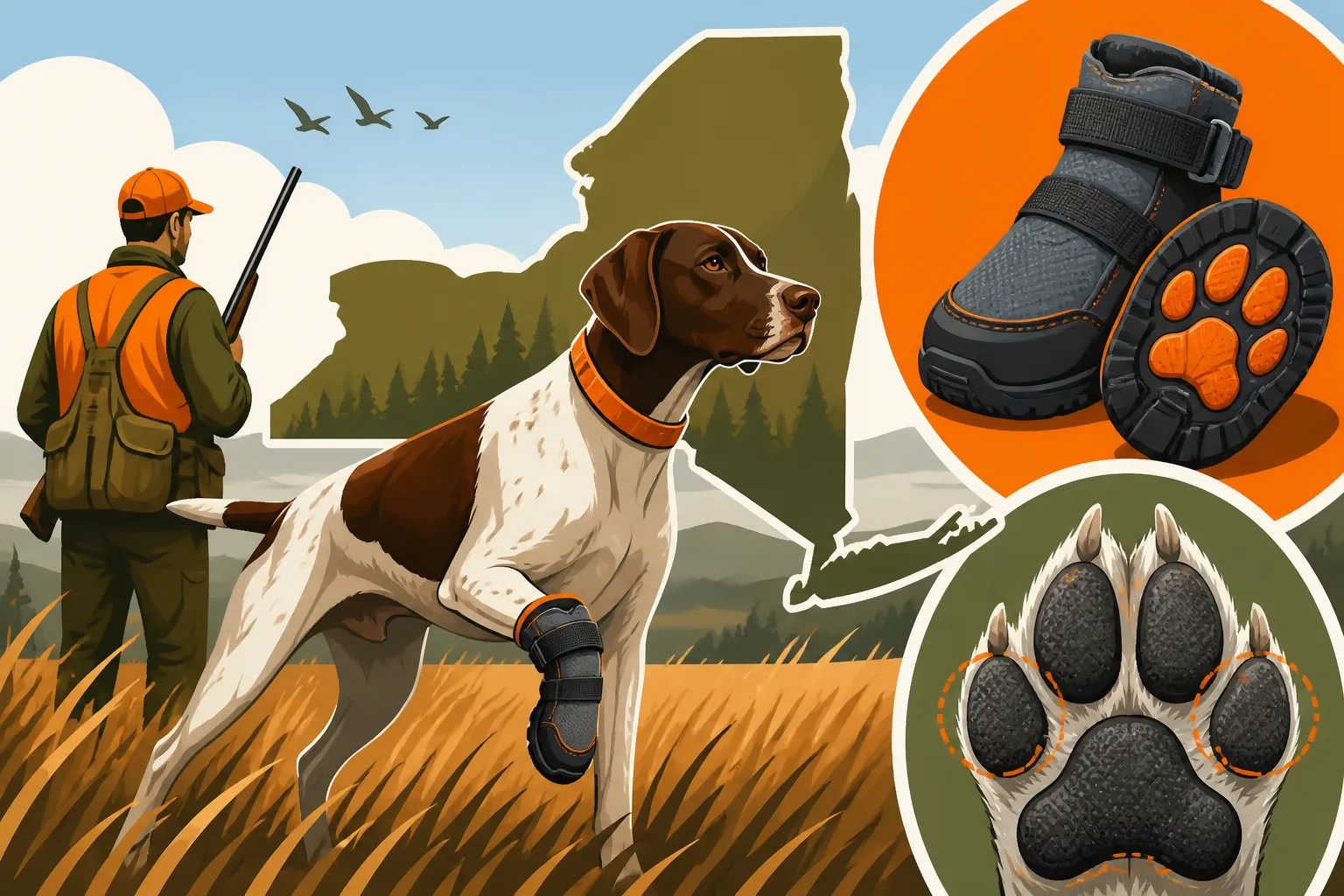
There’s nothing quite like watching your bird dog work a cover, nose to the ground, tail flagging, absolutely locked in on the scent. It’s a beautiful dance, a partnership built on instinct and training. But that joy can quickly turn to dread when you notice a slight limp, or worse, see blood on a paw pad after a long day in the field. New York's diverse upland terrain, from thorny briar patches to rocky hillsides and icy stubble fields, can be incredibly unforgiving on those hardworking paws. This guide is all about protecting your best hunting companion's feet, helping you understand why paw protection is vital, how to choose the right gear, and what steps to take for ongoing paw health.
Why Your Bird Dog Needs Paw Protection in New York's Cover
Our hunting dogs are incredible athletes, but their paws, while tough, aren't invincible. The sheer variety of habitats we hunt in New York means their feet are constantly exposed to hazards that can cause anything from minor abrasions to debilitating injuries. A hunting trip cut short because of a hurt paw is a heartbreak no bird dog owner wants to experience, and it's completely preventable with a little foresight and the right equipment.
The Harsh Realities of New York Upland Terrain
Think about it: one minute your setter is weaving through a thick patch of multiflora rose on a Southern Tier field edge, the next they're scrambling over a shale-covered logging road in the Catskills. Then, perhaps you're chasing grouse through a tangled blowdown in an Adirondack clear-cut. Each of these environments presents its own unique challenges to a dog's paws. Briars and thorns are notorious for punctures and deep cuts, especially between the pads where the skin is softer. Sharp rocks, hidden under fallen leaves or mud, can cause abrasions and pad tears that bleed profusely and are incredibly painful.
When the temperatures drop, especially during late-season pheasant or rabbit hunts, ice and frozen ground become significant threats. Jagged ice shards can slice pads, and prolonged exposure to freezing temperatures can lead to frostbite, particularly on thin-skinned pads. Even something as seemingly benign as dry, cracked ground can become a problem, creating small fissures in the pads that deepen and bleed with repeated impact. It's a gauntlet out there for those hardworking feet, and understanding these specific threats helps us prepare our dogs properly.
Recognizing Common Paw Injuries
Being able to spot a paw injury early can make all the difference in treatment and recovery time. The most obvious sign, of course, is a visible cut or puncture. These can range from a superficial slice that might just need a good cleaning to a deep laceration that requires stitches. Look for any blood on the ground, on the dog's leg, or directly on the paw itself. Your dog might lick the area excessively, hold the paw up, or refuse to put weight on it.
Beyond cuts, abrasions are common, especially on rough terrain. These are essentially scrapes where layers of skin have been worn away. While often less dramatic than a deep cut, they can still be very painful and prone to infection if not kept clean. Pad separation, where a portion of the pad tears away from the foot, is another serious injury that can occur from impact or twisting. During colder hunts, watch for signs of frostbite: the pads might appear pale, grayish, or waxy, and later become swollen and painful. Any sustained limping, tenderness, or refusal to walk normally should prompt a thorough paw inspection immediately.
Choosing the Right Bird Dog Boots for New York Conditions
Selecting the right paw protection isn't just about grabbing the first set of boots you see. It requires careful consideration of the terrain you hunt most often, the weather conditions, and, most importantly, your dog's specific needs and paw shape. A poorly fitting or inappropriate boot can cause more problems than it solves, leading to chafing, discomfort, or simply falling off in the field.
Key Features to Look For
When you're sifting through the various options, several features stand out as critical for New York hunting. First, consider the material. Many quality boots use durable synthetic fabrics like Cordura or ripstop nylon for the upper, often reinforced with leather or synthetic leather on the sides for added protection against briars and abrasion. Neoprene can offer some flexibility and water resistance, which is great for wet conditions or trudging through marshes when New York Waterfowl Hunting by Zone.
The sole is perhaps the most crucial component. Look for tough, grippy rubber soles that can withstand sharp rocks and provide traction on slippery surfaces. Some soles are thicker and more rigid for maximum protection, while others are thinner for better ground feel. Consider the type of tread as well; deeper lugs offer better grip in mud or snow. Next, the closure system is paramount. Velcro straps are common, but look for multiple straps or wider straps that provide a secure, snug fit without cutting off circulation. Some boots have elasticized openings or cinches to help keep them on. Finally, think about breathability and drainage. While you want protection, you also don't want your dog's paws to get waterlogged and soft inside the boot, which can lead to skin irritation.
Sizing and Fit are Crucial
This can't be stressed enough: sizing and fit are absolutely critical for paw boots to be effective and comfortable. A boot that's too loose will spin, rub, or fall off, frustrating both you and your dog. One that's too tight can restrict circulation, cause blisters, and be incredibly painful. Most manufacturers provide detailed sizing charts, and you'll typically need to measure your dog's paw width while they are standing and bearing weight.
To get the most accurate measurement, have your dog stand on a piece of paper, then trace around one of their front paws. Measure the widest part of the tracing. When you get the boots, put them on your dog and walk them around on a leash for a few minutes. Check for any rubbing, twisting, or signs of discomfort. The boot should fit snugly around the paw and ankle without being overly tight. You should be able to slide a finger under the strap, but not easily twist the boot around. Remember that front paws are often larger than back paws, so you might need different sizes for each set. It’s an investment in time, but ensuring a perfect fit will pay dividends in comfort and protection during long days in the field.
Different Boot Types for Different Hunts
Just like we have different footwear for various hunting scenarios, so too can our dogs benefit from different boot types. For light cover work, like hunting squirrels in open hardwoods or walking well-maintained logging roads, a lighter-weight, more flexible boot might be sufficient. These often prioritize breathability and ground feel, allowing the dog to move naturally while still guarding against minor scrapes and burrs. GoHunt, for example, often features discussions on gear suited for various conditions, which can be a good starting point for researching specific models.
However, if you're planning on pushing through dense briar thickets for rabbits or pheasants, or traversing rocky, unforgiving terrain for grouse where you might be Grouse Hunting New York Aspen Cover, you'll want something much more robust. These heavy-duty boots feature thicker soles, stronger materials, and often higher cuffs for ankle protection. They might be a bit stiffer initially, but they offer maximum defense against serious punctures and abrasions. For cold-weather hunts, specialized winter boots with insulation and waterproof features are a must to protect against ice and frostbite. Consider the specific challenges of your next hunt and match the boot to the task.
Beyond Boots: Other Paw Protection and Care Strategies
While boots are an excellent first line of defense, they're part of a larger strategy for maintaining your bird dog's paw health. A comprehensive approach includes conditioning their paws, knowing how to provide emergency first aid, and taking proactive measures throughout the year.
Conditioning Your Dog's Paws
Think of paw conditioning as building up calluses on your own hands. You wouldn't run a marathon without training, and you shouldn't expect your dog's soft "house paws" to hold up to miles of tough terrain without preparation. Start well before hunting season by gradually increasing your dog's exposure to different outdoor surfaces. Regular walks on pavement, gravel, and natural trails will slowly toughen their pads. Avoid taking them from soft grass straight into a multi-day hunt over rocky ground.
Beyond just walking, a few specific practices can help. Keep the hair between their paw pads trimmed short to prevent burrs, mud, ice, and debris from accumulating and causing irritation. Long hair can also reduce traction. Regularly inspect their paws – daily, if possible – looking for any small cuts, cracks, or foreign objects lodged between the pads. Early detection of minor issues prevents them from becoming major problems. Some hunters also use paw balms or waxes, like those you might find on GoHunt's gear reviews, to moisturize and protect pads, creating a barrier against harsh elements and preventing excessive drying and cracking, especially in cold or very dry conditions.
Emergency First Aid for Paw Injuries
Even with the best boots and conditioning, accidents happen. Knowing how to administer basic first aid in the field can literally save a hunt, and in severe cases, prevent serious complications. Always carry a small first-aid kit specifically for your dog in your pack. This should include antiseptic wipes or spray (like Vetericyn), gauze pads, self-adhesive vet wrap, medical tape, tweezers, and a small pair of blunt-nosed scissors.
If you discover a cut or puncture:
- Stop the bleeding: Apply direct pressure with a clean gauze pad.
- Clean the wound: Once bleeding is controlled, gently clean the area with antiseptic wipes or a saline solution to remove dirt and debris. Use tweezers to carefully remove any visible thorns, glass shards, or burrs.
- Cover and protect: Apply a fresh gauze pad and wrap the paw firmly but not too tightly with vet wrap, ensuring it's secure but doesn't cut off circulation. You should still be able to feel the pulse in the paw if you know how to find it.
- Seek professional help: For deep cuts, excessive bleeding, or if you suspect a foreign object is still embedded, head to a vet as soon as possible. Don't try to suture a wound yourself.
For abrasions, cleaning and covering to prevent infection are usually sufficient. If you suspect a broken bone or severe sprain, immobilize the paw as best you can and get to a vet. Having a plan for retrieving an injured dog, whether it's a dedicated dog carry-out system or simply being able to carry them out, is also a good idea, especially when you're deep in the woods or far from the vehicle.
Proactive Measures and Training
Beyond physical preparation, integrating paw care into your routine and your dog's training regimen is key. Introduce boots slowly and positively. Don't just slap them on right before a hunt and expect your dog to be comfortable. Start by letting them wear the boots for short periods around the house, offering plenty of treats and praise. Gradually increase the time and introduce them to walking with the boots on, moving from soft grass to harder surfaces.
Regular training also includes teaching your dog to willingly let you handle their paws. This makes inspections and first aid much less stressful for both of you. Make it a positive experience with rewards. Consider the type of cover you'll be hunting; for example, if you're focusing on areas with a lot of heavy cover like those where you might use E-Collar Use on Public Ground, you know the paw hazards are higher, demanding more robust protection. Always conduct a thorough paw check before and immediately after every hunt. It’s a simple habit that can prevent minor issues from becoming major problems. Think of it as a pre-flight and post-flight check for your best hunting buddy.
Maintaining and Preparing Your Dog's Boots and Paws for the Season
Just like you maintain your firearms and optics, your dog's paw protection gear and their paws themselves need regular attention. A little effort here goes a long way in ensuring comfort and effectiveness throughout the hunting season and beyond.
Pre-Season Paw Prep
The groundwork for healthy paws is laid long before opening day. As mentioned, consistent conditioning on varied terrain is vital. In addition to toughening pads, regular nail trims are crucial. Overgrown nails can alter a dog's gait, putting undue stress on their joints and making them more prone to cracking or tearing. Moreover, long nails can push the paw pads apart, making them more vulnerable to debris and injury. Keep the hair between the paw pads clipped short to prevent matting and accumulation of burrs, ice, or dirt, which can rub and irritate the sensitive skin.
During your pre-season scouting trips, bring your dog along for short hikes on the actual terrain you'll be hunting. This provides realistic conditioning for their paws and helps you identify specific hazards in that area. If you notice any tenderness or minor issues during these prep sessions, address them immediately before they escalate into something that could sideline your dog once the season starts. This proactive approach ensures your dog's paws are as ready for the rigors of the field as you are.
Boot Maintenance for Longevity
Dog boots take a beating, so proper care after each hunt is essential for extending their lifespan and ensuring they're ready for the next outing. After a hunt, always remove the boots and shake out any dirt, burrs, or debris. If they're muddy or wet, rinse them thoroughly with plain water. Avoid harsh detergents unless absolutely necessary, as they can break down materials or leave residues that might irritate your dog's skin.
Allow the boots to air dry completely before storing them. Never put them away damp, as this can lead to mold, mildew, and unpleasant odors, and can also degrade the materials. Store them in a cool, dry place. Periodically inspect the boots for wear and tear: check seams for fraying, straps for damage, and soles for excessive wear or punctures. Many minor issues, like loose stitching or a small tear, can be repaired with heavy-duty thread and needle, or a patch kit, preventing you from having to buy a whole new set prematurely. A well-maintained set of boots can last for several seasons, providing reliable protection.
Cold Weather Considerations
New York winters can be brutal, and hunting in December for the Hunting the Southern Zone Holiday Hunt or later often means dealing with snow, ice, and frigid temperatures. Standard boots might not cut it in these conditions. Consider purchasing specialized winter boots that offer insulation against the cold and are waterproof to prevent paws from getting wet and cold. These often feature taller cuffs to prevent snow from getting inside and deeper treads for better grip on slippery surfaces.
One common issue in snowy conditions is the accumulation of ice balls between the dog's paw pads and around the boot cuff. This can be incredibly painful and make walking difficult. Trimming the hair between the pads very short helps prevent this. Additionally, applying a paw wax or balm to the exposed skin and around the boot cuff can create a barrier that helps prevent snow and ice from sticking. Always check your dog's paws frequently during cold weather hunts for any signs of ice buildup or, more seriously, frostbite, which requires immediate attention and warming of the affected areas. Protecting paws from the cold is just as critical as protecting them from cuts.
| Paw Protection Method | Pros | Cons | Best Use Case |
|---|---|---|---|
| Paw Boots | Excellent physical barrier against cuts, punctures, thorns, hot/cold surfaces. | Can be challenging to fit correctly; some dogs resist wearing them; can sometimes fall off; reduce ground feel. | Rocky terrain, heavy briars, icy conditions, long-distance hunts, specific injury protection. |
| Paw Wax/Balm | Creates a protective, moisturizing barrier; helps prevent cracking; aids in snow/ice prevention; natural feel. | No physical protection against sharp objects; needs frequent reapplication; can be messy. | Mild conditions, general conditioning, prevention of dryness/cracking, light snow accumulation. |
| Conditioning | Toughens pads naturally; improves overall paw health and resilience; no extra gear needed. | Slow process; does not protect against acute hazards (glass, sharp rocks); requires consistent effort. | Baseline paw health for all conditions, general wear and tear resistance. |
| Regular Trimming | Prevents debris accumulation; improves traction; reduces ice balling in winter; better hygiene. | Needs consistent attention (nails and hair); improper trimming can cause injury. | Essential for all dogs in all conditions, year-round maintenance. |
Disclaimer
This article is for general informational purposes only and does not constitute professional advice. Laws, prices and regulations vary by location and change over time. Consult a qualified professional for guidance on your specific situation.