New York’s Blaze Orange and Pink Options
Navigating the myriad of hunting regulations in New York can feel like trying to untangle a particularly stubborn knot in your fishing line, especially when it comes to something as seemingly straightforward as hunter orange or blaze pink. It's not just about wearing "some" orange; there are specific requirements for when, where, and how much you need to display, and honestly, the nuances can leave even seasoned hunters scratching their heads. This guide is here to cut through that confusion, helping you understand precisely what's expected to keep you safe and legal in the New York woods.
Understanding New York's Blaze Orange Mandates
For many of us, the sight of blaze orange signals the peak of deer season – a vibrant beacon against the muted browns and grays of a late autumn forest. But the rules around this crucial safety color aren't always as simple as "wear orange." New York has clear guidelines designed to protect hunters, and understanding them is the first step to a safe and successful season.
The Core Requirement: When and Where It Applies
The bedrock principle of hunter orange in New York is that if you're out pursuing big game or small game with firearms during specific periods, you need to be visible. This isn't just a suggestion; it's a legal requirement. The primary mandate kicks in during the various firearm seasons for deer and bear, and it extends to anyone hunting small game with a firearm in areas open for big game hunting. Think of the hustle and bustle of opening day in the Southern Zone, where countless hunters are heading into the woods. Without bright, contrasting colors, the risk of a tragic accident skyrockets. It's about ensuring that every hunter in the field can easily identify another human being, distinguishing them from game animals. This rule creates a critical layer of safety when bullets are flying, especially in dense cover or during low-light conditions.
Consider a crisp November morning in a state forest in the Catskills. You're still-hunting a ridge, moving slowly and deliberately. Other hunters might be posted up on stands or conducting drives. Your blaze orange isn't just a fashion statement; it's a non-verbal communication to everyone around you: "I am a human, not a deer." Even if you’re hunting squirrels or rabbits with a .22 rifle during the big game season, the same rules apply. The idea is to have consistent, easily recognizable safety protocols when any firearm capable of taking big game is being used in the vicinity. This is particularly relevant in areas with high hunter density, where the chances of encountering another hunter are significantly increased.
Exceptions to the Rule: Archery and Spring Turkey
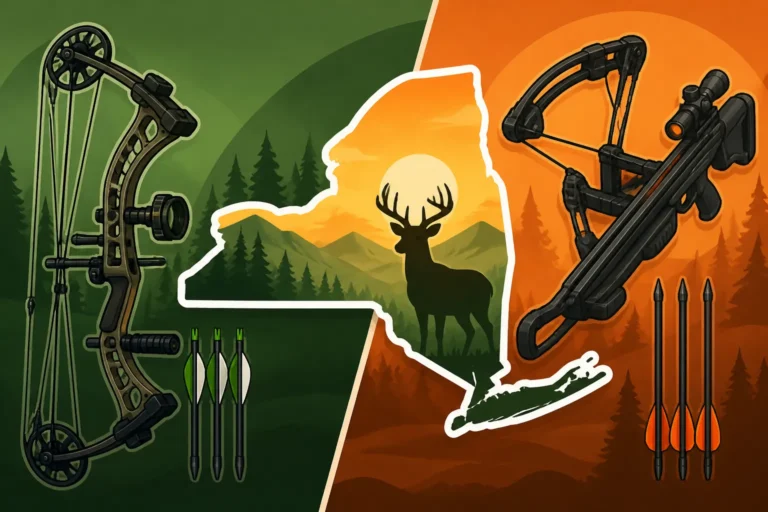
While blaze orange is a staple for firearm hunters, there are notable exceptions that often lead to confusion. During the dedicated archery seasons for deer and bear, New York law does not mandate the wearing of blaze orange or pink. This makes perfect sense when you consider the nature of bowhunting. Bowhunters rely heavily on camouflage and stealth to get within close range of their quarry. A bright orange vest would effectively ruin any chance of drawing back on a deer. The same principle applies to spring turkey hunting. Turkeys have incredibly sharp eyesight, and a flash of blaze orange would send them sprinting for the next county. Spring Turkey Hunting in New York is a different game entirely, requiring hunters to blend into their surroundings as much as possible.
However, just because it's not legally required doesn't mean safety goes out the window. Many bowhunters, especially those walking to and from their stands in low light, will wear a blaze orange vest or hat, removing it only when they are settled in their spot. It’s a smart, voluntary measure to enhance safety during transit. Once they're aloft in a treestand or tucked into a ground blind, the orange comes off. Similarly, turkey hunters, despite needing to be fully camouflaged while actively calling, might don some orange walking in or out, especially if they are crossing public trails or areas where other outdoor enthusiasts might be present. The key takeaway here is to understand the legal minimums, but always prioritize additional safety measures where practical and appropriate for your hunting style and the situation.
Specific Garment Requirements: Vests, Hats, and More
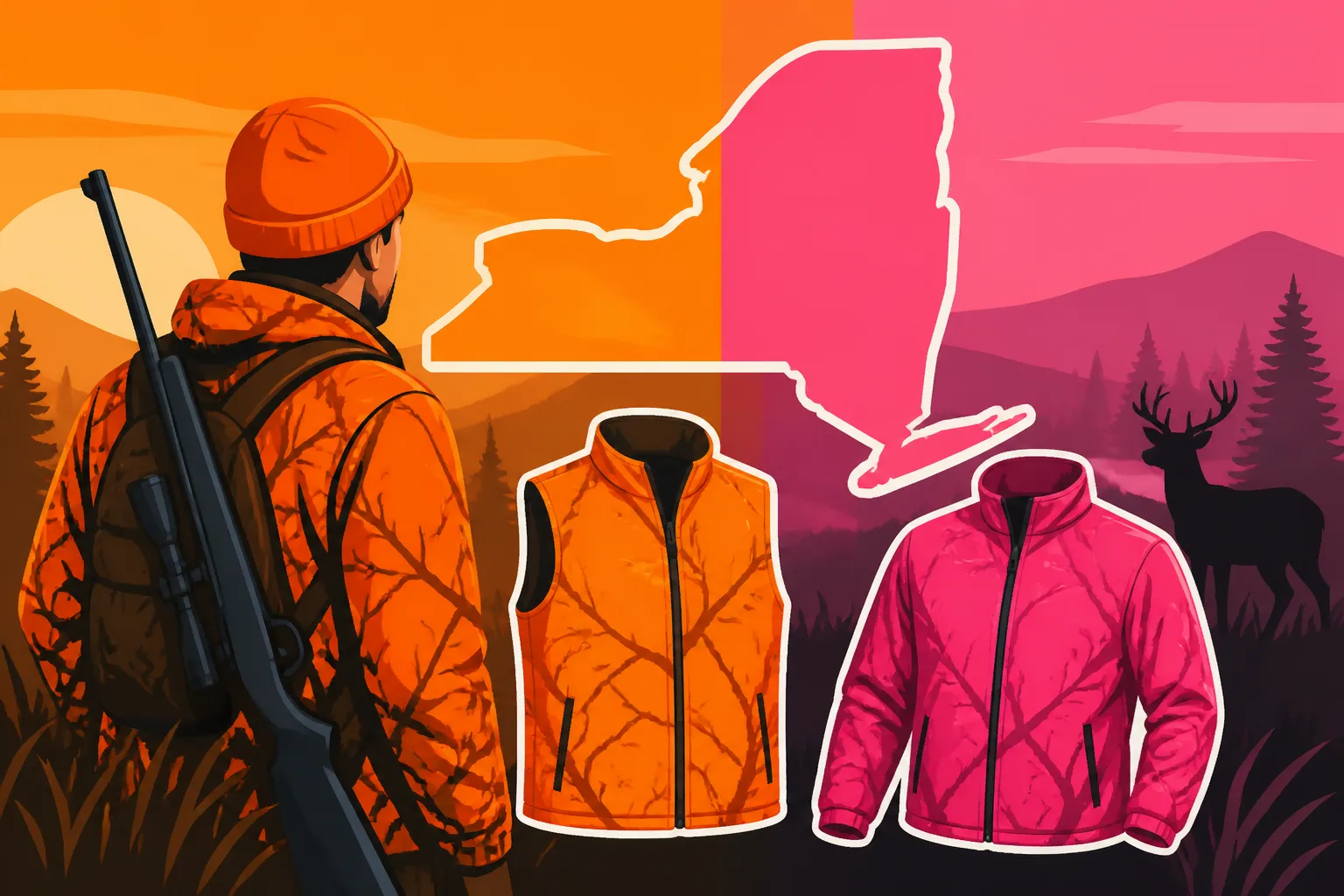
New York's regulations are pretty specific about how much blaze orange or pink you need to wear, not just that you need to wear it. The law generally states that during specified firearm seasons, hunters must wear a minimum of 250 square inches of solid or patterned blaze orange or blaze pink material, visible from all directions, or a hat made of the same material. It’s not just about throwing on any old orange item; it needs to be substantial enough to be easily seen. This often translates to a full vest or jacket, or a combination of a hat and another piece of gear.
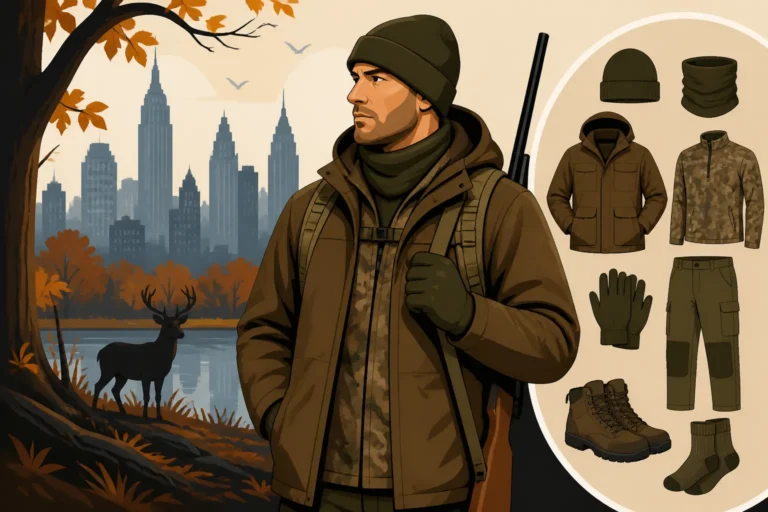
Imagine you're hunting in thick brush along a power line right-of-way. A small orange patch on your backpack isn't going to cut it. You need a significant block of color that stands out against the natural foliage, regardless of which way you're facing or what kind of cover you're moving through. Many hunters opt for a blaze orange vest layered over their camouflage jacket. This provides the necessary visibility without requiring an entirely new wardrobe dedicated to safety. Others prefer a bright orange hat and a substantial orange pack cover. What's important is the surface area and its visibility. Clothing for a New York November highlights the importance of layering, and your blaze orange or pink should seamlessly integrate with those layers without compromising its primary function of making you easily identifiable to other hunters. Always double-check that your chosen garments meet the minimum square inch requirement and, critically, that they are indeed visible from 360 degrees, which means not covered by a backpack or other gear.
| Garment Type | Minimum Coverage (Approx.) | Legal for Firearm Season? | Considerations |
|---|---|---|---|
| Solid Vest | 250 sq. inches | Yes | Most common, easily visible, versatile. |
| Solid Hat | N/A (whole hat) | Yes (if solid orange/pink) | Good for supplemental, often combined with a vest. |
| Camo with Orange/Pink | 250 sq. inches (patterned) | Yes | Pattern must still clearly show 250 sq. inches of color. |
| Pack Cover | Variable | Yes (if covers required area) | Must not be obstructed, still needs 360-degree visibility. |
The Rise of Blaze Pink: A New Option for Hunters
For decades, blaze orange was the undisputed king of hunter safety colors. But in recent years, a new contender has emerged, offering hunters another option to stay visible and compliant: blaze pink. This addition to the legal options reflects a broader effort to make hunting more inclusive and perhaps even to challenge some long-held traditions.
How Blaze Pink Became Legal in New York
The journey for blaze pink to become legal hunting attire in New York followed a path similar to that in several other states. It started with legislative efforts, often driven by a desire to modernize hunting regulations and encourage participation among a wider demographic, particularly women and youth. The argument was, and remains, that blaze pink offers the same, if not superior, visibility as blaze orange to the human eye, while providing a fresh, distinct choice. After careful consideration and often a period of public comment and review by wildlife agencies, New York officially added blaze pink to its list of acceptable high-visibility colors for hunters.
This change wasn't just about aesthetics; it was rooted in science and a commitment to safety. Studies were presented, similar to those conducted in other states like Wisconsin and Minnesota, showing that blaze pink is equally effective, if not marginally more so in certain conditions, at standing out against natural backgrounds. The goal was never to replace blaze orange but to offer an alternative that meets the same safety standards. For some, it might be a matter of personal preference, while for others, it represents a symbolic shift towards a more welcoming and diverse hunting community. This legislative change demonstrates New York's progressive approach to hunting regulations, ensuring they adapt to contemporary understanding and social dynamics without compromising the core principle of hunter safety.
Comparing Blaze Orange and Blaze Pink Visibility
Now, for the big question: how does blaze pink stack up against the classic blaze orange in terms of visibility? From a scientific standpoint, both colors are highly effective at making a hunter stand out against the greens, browns, and grays of natural environments. They achieve this because their wavelengths are not commonly found in nature, making them "pop" to the human eye, even in varied lighting conditions or against a confusing backdrop of foliage. Most studies suggest that the difference in visibility between blaze orange and blaze pink is negligible for the vast majority of people with normal color vision. In fact, some research has indicated that blaze pink might even be slightly more visible in certain low-light or dense timber situations, perhaps due to its slightly higher reflectivity.
However, the key is the contrast these colors provide. Both blaze orange and blaze pink are fluorescent colors, which means they absorb light and re-emit it at a different, visible wavelength, making them appear brighter than non-fluorescent colors. This is why they work so well even on overcast days. For deer, which are largely red-green colorblind, both colors appear as shades of yellow or gray, meaning they don't necessarily "see" the vibrant orange or pink as we do. Their ability to detect a hunter is more about movement and silhouette than specific color. So, for human safety, both are excellent choices. Ultimately, the choice between blaze orange and blaze pink comes down to personal preference, as both equally fulfill the legal and safety requirements. When you're using a tool like the GoHunt app to plan your day, you can be confident that either color will help you meet the visibility standards.
Practical Considerations for Choosing Pink
Deciding whether to go with blaze orange or blaze pink can be more than just a whim; there are some practical elements to consider. For many, blaze orange is simply tradition, ingrained in the hunting culture for generations. It’s what everyone else wears, and there’s a comfort in conforming. However, for those looking for something different, or for hunters who find blaze pink more aesthetically pleasing, it’s a fantastic option. One of the main benefits of having blaze pink as an option is the ability to easily distinguish members of your own hunting party. If you hunt with a group regularly, some members might opt for pink while others stick with orange, providing an extra layer of visual identification in the field.
Another consideration is the availability of gear. While blaze orange is ubiquitous, blaze pink gear, particularly high-quality, durable hunting apparel, is becoming more common but might still have fewer options from some manufacturers. However, as demand grows, so too does the variety. When planning your hunting season, whether it's understanding New York Deer Seasons by Zone or picking out gear, browsing retailers and hunting outfitters that specifically cater to a broader audience might reveal more blaze pink choices. Don't be afraid to try on both colors and see which one you feel more comfortable and confident in. The most important thing is that the material meets the legal specifications for coverage and visibility, ensuring that you're seen and safe, regardless of the shade.
Equipping Yourself for Maximum Safety and Compliance
Beyond simply throwing on a vest, truly equipping yourself for safety and compliance in New York's hunting seasons involves a thoughtful approach to layering, integrating your high-visibility gear, and understanding additional measures that can keep you and those around you safe. It’s about more than just meeting the minimum; it’s about maximizing your presence in the woods to prevent accidents.
Layering Strategies for Visibility and Comfort
Anyone who hunts in New York knows that the weather can be a fickle beast. A crisp autumn morning can turn into a surprisingly warm afternoon, or a mild day can suddenly deliver a chilling rain or even snow. This is where smart layering comes into play, and your blaze orange or pink needs to be an integral part of that system. The key is to ensure your high-visibility layer is always the outermost layer, or at least visible from all angles, regardless of what other clothing you add or remove throughout the day.
Start with a moisture-wicking base layer, then add insulating layers appropriate for the expected temperatures. Your blaze orange or pink vest or jacket should go over all of these. If you have a particularly bulky jacket for extreme cold, ensure your safety vest is large enough to fit comfortably over it without bunching up or obstructing the required square inches. For hunters who get active during the day, like those involved in Deer Drives on New York Public Land, being able to shed layers while keeping the blaze orange prominent is crucial. Some hunters opt for a blaze orange softshell jacket that serves as both an outer layer and the safety color. Others prefer a lightweight, mesh blaze orange vest that can be easily worn over any number of layers, from a light shirt to a heavy parka. Test your layering system at home before hitting the woods to ensure comfort and compliance.
Integrating High-Visibility Gear with Your Hunting System
Your high-visibility clothing shouldn't be an afterthought; it should be integrated into your overall hunting system. This means considering how it interacts with your backpack, your calls, your binoculars, and even your weapon. For instance, if you carry a large daypack, will it obscure the back of your blaze orange vest? Many hunters solve this by either using a blaze orange pack cover that meets the square inch requirement or by choosing a vest that extends beyond the width of their pack. Companies that focus on modern hunting solutions, like GoHunt, often highlight gear designed with integration in mind, showing how vests fit over various pack styles.
Think about the small details, too. Some hunters attach a small blaze orange streamer to their rifle or shotgun when carrying it through dense cover, especially if the primary blaze orange garment is not entirely visible due to a specific carry position. While not legally required, these small additions can enhance safety. For those utilizing a ground blind, remember that while you might be hidden inside, you still need to display blaze orange or pink outside the blind if hunting with a firearm during the open season. This is usually accomplished by hanging a compliant vest or panel on the exterior of the blind, visible from all directions. Always think about your entire setup from another hunter's perspective: could they see you, or at least a significant portion of your required safety color, from any angle?
Beyond the Basics: Additional Safety Measures
Meeting the legal requirements for blaze orange or pink is fundamental, but true hunter safety extends far beyond just wearing the right color. It's about a holistic approach to responsible hunting that integrates various practices and technologies. One of the most critical elements is hunter education. New York Hunter Education Requirements ensure that all new hunters understand not just the rules, but the principles of safe firearm handling, shot placement, and field etiquette. This knowledge is invaluable in preventing accidents.
Beyond education, communication is key. If you're hunting with a group, establish clear communication protocols before heading out. Knowing where each member of your party is at all times, especially during drives or when moving through unfamiliar terrain, can prevent dangerous situations. Two-way radios are excellent tools for this, especially in areas with spotty cell service. Another often-overlooked safety measure is the use of a GPS device or a mapping app like GoHunt on your smartphone. Knowing your exact location and the location of property lines, trails, and other hunters (if they share their position) adds an immense layer of situational awareness. Remember, even with the brightest blaze orange or pink, being aware of your surroundings, identifying your target and what is beyond it, and always treating every firearm as if it's loaded are non-negotiable pillars of hunting safety.
Common Misconceptions and Troubleshooting
Despite the clear regulations, certain aspects of blaze orange and pink often lead to confusion or outright misunderstanding among hunters. Let's tackle some of these common questions head-on to ensure you're not only compliant but truly safe in the field.
Is "Camo Orange" Legal?
This is perhaps one of the most frequently asked questions and a point of contention for many. The term "camo orange" usually refers to camouflage patterns that incorporate blaze orange into their design, rather than being solid orange. The legality hinges on New York's requirement for a minimum of 250 square inches of solid or patterned blaze orange or blaze pink material, visible from all directions. The critical part is that even in a patterned garment, the blaze orange or pink components must collectively add up to the 250 square inches and be clearly identifiable as the safety color.
What this means in practice is that a subtle camo pattern with small flecks of orange likely won't cut it. The blaze orange or pink portions must be substantial enough to contrast sharply with the natural background and be unmistakably bright. Many manufacturers produce camouflage patterns specifically designed to meet hunter orange requirements, often featuring large, distinct blocks of fluorescent color integrated into the camo. If you're considering "camo orange" gear, scrutinize it carefully. Does it truly provide a clear, unambiguous signal of your human presence, or does the camouflage aspect dilute its safety function? When in doubt, err on the side of caution and opt for a solid blaze orange or pink vest over your camo, or a garment with very obvious, large blocks of the safety color. The goal is to be seen by other people, not to hide from them, even if you’re trying to hide from deer!
What About Hunter Orange for Dogs?
If you hunt with a dog in New York, especially during big game seasons when other hunters are in the woods, you might wonder about outfitting your canine companion in high-visibility gear. While New York state law does not explicitly mandate that hunting dogs wear blaze orange or pink, it is an incredibly smart and highly recommended practice. Think about it: a dog can move quickly through dense cover, often out of sight, and could easily be mistaken for a coyote or other game animal by an excited or less-than-diligent hunter.
Equipping your dog with a blaze orange or pink vest or collar can literally be a lifesaver. These vests are typically designed to be durable, comfortable, and to not impede the dog's movement or natural abilities. They often have reflective strips as well, which can be useful during low-light conditions. Whether you're chasing pheasants in Western New York farmland or pushing rabbits in thick brush, your dog's safety should be paramount. While not a legal requirement, it's a responsible hunter's choice to ensure their four-legged partner is as visible as possible to every human in the field.
Ensuring Compliance on Public vs. Private Land
Another point of confusion can arise when distinguishing between public and private land. Some hunters mistakenly believe that blaze orange/pink requirements only apply to public hunting lands, or conversely, that private land rules are entirely different. The truth is, New York's blaze orange and pink mandates apply statewide wherever and whenever the specific firearm seasons are open, regardless of whether you're on public land or private property. Whether you're Hunting Southern Tier Farmland Deer or trekking through the Adirondack Forest Preserve, the rules are the same if you're using a firearm during regulated seasons.
The reason for this uniformity is simple: safety doesn't distinguish between property lines. An accidental shooting can occur just as easily on a private woodlot as it can on a state forest. The regulations are designed to protect all hunters in the field. However, on private land, you also have the added responsibility of respecting property boundaries and local ordinances. While the blaze orange rule is consistent, understanding New York Posted Land Rules and ensuring you have proper permission is crucial. Always check the specific regulations for the Wildlife Management Unit (WMU) you are hunting in, as there can be localized rules or exceptions, though generally, the blaze orange/pink requirements remain constant across the board.
Why These Regulations Matter: Hunter Safety
At the heart of all these regulations, from the square inch requirements to the specific colors, lies one paramount objective: hunter safety. It’s not about bureaucracy; it’s about preventing tragic accidents and ensuring that everyone who ventures into the woods for a hunt returns home safely.
Reducing Accidental Shootings
The most critical reason for blaze orange and pink regulations is the prevention of accidental shootings. Hunter accidents, particularly those involving "mistake of identity" or "swinging on game," have drastically decreased over the decades, largely due to mandatory hunter education and the widespread adoption of high-visibility clothing. When a hunter is wearing a significant amount of blaze orange or pink, it creates an unmistakable visual cue that screams "human" to anyone else in the field.
Consider the classic scenario: a hunter hears rustling in thick cover, or catches a glimpse of movement. Without blaze orange, it’s far too easy for the brain to fill in the blanks and perceive a deer, bear, or turkey, especially at dawn or dusk. With a vibrant block of orange or pink, that split-second identification becomes much clearer. These colors significantly reduce the risk of someone mistakenly shooting at another hunter, or shooting towards another hunter without identifying what lies beyond their target. This simple, yet incredibly effective, measure saves lives and prevents countless injuries every year, reinforcing the importance of being seen.
Enhancing Visibility to Other Hunters
Beyond preventing direct mistaken identity shootings, high-visibility clothing plays a crucial role in simply making you obvious to other hunters. The woods can be a vast and complex environment. Other hunters might be moving, glassing, or setting up, and the ability to spot another person from a distance, or even through dense foliage, allows for better spatial awareness. If you’re approaching another hunter’s stand, or crossing a common travel corridor, your blaze orange acts as an early warning signal, allowing everyone to adjust their movements and communicate if necessary.
This enhanced visibility fosters a safer and more courteous hunting environment. It reduces anxiety for hunters who might otherwise be constantly worried about unseen individuals. Especially in areas like many of New York’s Wildlife Management Areas, where Hunting Pressure on New York Public Land can be quite high, seeing other hunters clearly allows for respectful distancing and safer planning of movements. It’s about creating a visual "buffer zone" around each individual, promoting mutual awareness and a collective responsibility for safety in the shared outdoor space.
The Psychological Impact of High-Visibility Gear
There’s also a subtle, yet powerful, psychological aspect to wearing blaze orange or pink. When you put on that brightly colored vest or hat, it serves as a personal reminder of your commitment to safety and responsibility. It’s a tangible symbol of being present, being seen, and being accountable for your actions in the field. This internal reinforcement can contribute to more cautious behavior, better target identification, and an overall heightened sense of awareness.
Furthermore, when everyone in the woods is wearing blaze orange or pink, it creates a collective sense of security. Knowing that other hunters are also highly visible reduces the inherent risks of a shared hunting ground. It builds trust and a common understanding among sportsmen and women that safety is a shared priority. This fosters a community where everyone looks out for one another, creating a more enjoyable and ultimately safer experience for all. By embracing these regulations, New York hunters not only comply with the law but actively contribute to a culture of safety that benefits every single person who steps into the woods during hunting season.
Disclaimer
This article is for general informational purposes only and does not constitute professional advice. Laws, prices and regulations vary by location and change over time. Consult a qualified professional for guidance on your specific situation.