Why New York Bear Gear Skips Bait Barrels
For many hunters, the image of a baited barrel drawing in a big black bear is synonymous with bear hunting. However, if you're planning a bear hunt in the Empire State, you'll quickly learn that this common tactic simply isn't part of the New York playbook. Our state has a firm stance against using bait for bears, which means hunters need to adapt their strategies and gear choices significantly. This guide will clarify why New York operates this way, how it impacts your hunting approach, and what essential gear you'll need to successfully pursue a black bear without the aid of artificial attractants.
The Legal Landscape: Why Baiting Is Out in New York
It's a foundational rule for bear hunters in New York: you cannot use bait. This isn't just about avoiding a specific type of setup; it's a blanket prohibition that influences every aspect of planning your hunt. Understanding the exact regulations and the principles behind them is the first step to a legal and ethical bear season here.
New York's No-Bait Rule Explained
New York's environmental conservation law is very clear on the matter of baiting for bears. It explicitly prohibits the taking of bear by the aid of bait. This isn't a vague guideline; it's a strict regulation. What constitutes "bait" can be a broader definition than some might expect, extending beyond just a barrel of donuts or a pile of sweet corn. It generally refers to any substance that is intended to attract wildlife and includes food, minerals, and other attractants. The intent is key here – if you're placing something out with the purpose of drawing a bear to a specific spot for hunting, that's considered baiting and it's illegal. This means no supplemental feed, no sugary treats, no scent lures with food ingredients, and certainly no large piles of anything designed to keep bears coming back to a particular area. The goal is to ensure a truly wild hunt, where bears are pursued based on their natural movements and food preferences, not on human-provided enticements.
Defining "Fair Chase" in New York Bear Hunting
The prohibition on baiting is deeply rooted in the concept of "fair chase," a cornerstone of ethical hunting that resonates strongly with many New York sportsmen and the state's wildlife management philosophy. Fair chase essentially means giving the animal a reasonable chance to evade the hunter. When you introduce bait, you're not just attracting an animal; you're often altering its natural behavior patterns, concentrating it in a predictable location, and potentially habituating it to human presence. This can be seen as tipping the scales too heavily in the hunter's favor, undermining the challenge and skill inherent in a true hunting experience. For many, the satisfaction of a successful hunt comes from outwitting a wild animal on its own terms, using knowledge of its habitat, habits, and natural food sources. Hunting bears in New York without bait means embracing this traditional understanding of fair chase, relying on your woodcraft, patience, and ability to read the landscape. It makes the pursuit of a black bear a more demanding, but ultimately, for many, a more rewarding endeavor.
The Rationale Behind New York's Anti-Baiting Stance
The decision to prohibit bear baiting in New York isn't arbitrary; it's a well-considered stance influenced by a combination of ethical concerns, public perception, and sound wildlife management principles. These factors collectively contribute to the state's commitment to maintaining a wild and healthy bear population and a responsible hunting tradition.
Ethical Considerations and Public Perception
For many within the hunting community, including those who may hunt in other states where baiting is legal, the ethical implications of baiting are a topic of ongoing discussion. In New York, the prevailing sentiment aligns with the idea that baiting can diminish the "fair chase" aspect of hunting. It's argued that baiting reduces the need for extensive scouting, tracking, and understanding natural bear behavior, essentially turning the hunt into more of a waiting game at a feeding station. This can be perceived as less sporting and may even lead to hunters taking less ethical shots at bears that are focused on food rather than their surroundings.
Beyond the internal ethics of the hunting community, public perception plays a significant role. In a state like New York, with diverse populations and varying views on hunting, wildlife agencies often need to consider how hunting practices are seen by the non-hunting public. Baiting, to some, can appear to be an unsporting or even cruel practice, particularly if images surface of bears congregating unnaturally at bait sites. Maintaining a positive public image of hunting is crucial for its continued acceptance and the conservation efforts it supports. By avoiding practices like baiting, New York aims to uphold a hunting tradition that is widely viewed as responsible, ethical, and aligned with sound conservation principles.
Wildlife Management and Health Implications
From a wildlife management perspective, prohibiting bear baiting offers several advantages for the health and sustainability of New York's black bear population. One of the primary concerns with baiting is the potential for disease transmission. When large numbers of animals, or even individual bears from different family groups, are regularly drawn to and congregate at a single bait site, it creates a perfect scenario for the spread of pathogens. Diseases like mange or other illnesses can quickly transmit through shared food sources or contact, potentially impacting local bear health. Concentrating bears can also artificially inflate local populations beyond what the natural habitat can sustainably support, which can lead to increased conflicts with humans as bears become habituated to easy food sources.
Furthermore, baiting can disrupt natural foraging behaviors. Bears are incredibly adaptable omnivores, and their natural diet varies significantly with the seasons, from spring greens and insects to summer berries and fall mast crops like acorns and beechnuts. When bears become reliant on human-provided bait, they may spend less time foraging naturally, potentially altering their seasonal movements and dietary preferences. This can have long-term ecological consequences, as bears play a vital role in seed dispersal and maintaining ecosystem health. New York's approach, which mandates Why New York Bear Hunters Cannot Use Bait, encourages bears to remain truly wild, interacting with their environment in natural ways, which is beneficial for the overall health and genetic diversity of New York's Black Bear Population.
Adapting Your Strategy: Hunting New York Bears Without Bait
Since bait barrels are off the table, hunting black bears in New York demands a more traditional, hands-on approach. It means trading the predictability of a bait site for the challenge of understanding bear behavior, habitat, and natural food sources. This shift in strategy is where your scouting skills, patience, and woodcraft truly come into play.
Focusing on Natural Food Sources and Habitat
Successful bear hunting in New York hinges on your ability to locate and understand the natural food sources that dictate a bear's movements throughout the seasons. Black bears are opportunistic omnivores, and their diet changes with what's available. In spring and early summer, they're often found in lower elevations and south-facing slopes, foraging on succulent green vegetation, emerging skunk cabbage, and grubs. As summer progresses, they shift to berries – blueberries, raspberries, and blackberries are prime attractants. When fall arrives, the focus absolutely turns to hard mast, especially acorns and beechnuts. Finding areas with abundant oak or beech trees, particularly those having a good mast crop year, is paramount. You might find yourself Hunting Bears Over Natural Food Sources in the Catskills or the Adirondacks, glassing clearcuts where berries thrive, or still-hunting through mature timber where acorns carpet the forest floor.
Beyond food, understanding bear habitat is crucial. They need dense cover for bedding and security, often found in thickets, swamps, or rocky outcrops. They also utilize travel corridors, such as natural funnels, saddlebacks, and dense creek bottoms, to move between feeding and bedding areas. A successful hunter will spend significant time scouting, not just looking for bear sign, but identifying these key habitat components and how bears might use them. Tools like aerial imagery on mapping apps, such as those available through GoHunt, can be incredibly valuable for identifying these features before you even step foot in the woods. By understanding their seasonal patterns and preferred habitats, you can predict where bears are likely to be, giving you a significant advantage in a bait-free environment.
Scouting and Still-Hunting Techniques
Without bait to draw bears to you, your success will depend almost entirely on your ability to find bears in their natural environment. This means rigorous Scouting New York Public Land Before Season is not just a good idea, it's absolutely essential. Start by identifying areas known for bear activity or those with good natural food sources. Look for fresh sign: scat, tracks, rubbed trees, claw marks on beechnuts or oak branches, and overturned rocks or logs where bears have been foraging for insects. This sign tells you where bears are currently active, and more importantly, where they've been recently. Pay attention to how the sign is distributed; are they moving along a ridge, down a specific drainage, or concentrating in a particular feeding area?
Once you're in the woods, still-hunting becomes one of your most effective tactics. This involves moving incredibly slowly and deliberately through the forest, stopping frequently to glass, listen, and scan for movement. You're not just walking; you're hunting every step of the way. Focus on covering ground quietly, paying attention to wind direction to keep your scent from bears. Use binoculars to pick apart dense cover, looking for a patch of black, an ear flick, or the subtle sway of branches. When Hunting Bears Without Bait in the Catskills, for example, you might creep along benches or through thick regenerating timber, taking advantage of terrain features that obscure your movement and give you the element of surprise. This method requires immense patience and a keen eye, but it’s how many successful New York bear hunters fill their tags year after year.
Essential Gear for New York's Bait-Free Bear Hunts
When you're hunting bears in New York without bait, your gear choices are critical. You're going to be covering ground, glassing extensively, and potentially operating in remote, rugged terrain. Every item in your pack, from your optics to your navigation tools, needs to be reliable and enhance your ability to find and pursue a wild black bear.
Optics, Navigation, and Communication
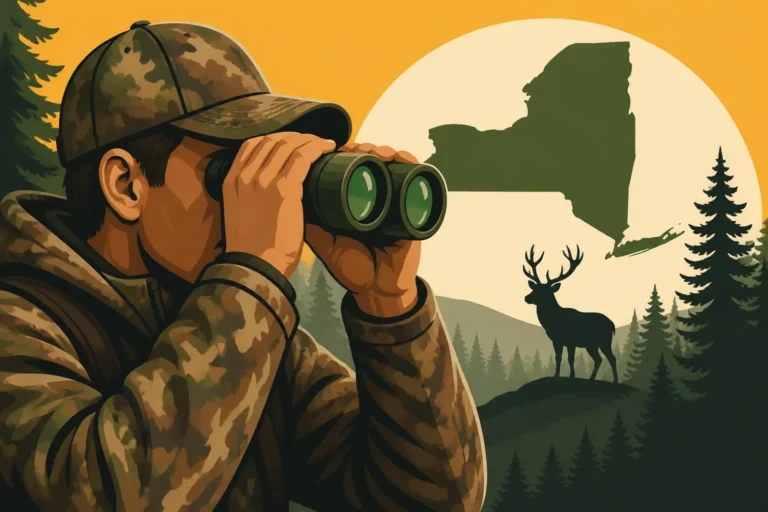
Your eyes are your most valuable tool when hunting without bait, and high-quality optics extend their reach dramatically. A good pair of binoculars is non-negotiable. Look for 8×42 or 10×42 models that offer excellent light transmission for those crucial dawn and dusk hours. They'll help you pick apart distant hillsides, dense brush, and shadowed valleys, turning a suspected blob into a confirmed bear. A spotting scope can also be invaluable if you're hunting more open terrain or glassing vast areas, allowing you to thoroughly scrutinize potential targets from a distance without needing to move closer and risk spooking them. When scouting, having a reliable rangefinder is also important, not just for shot placement but for evaluating terrain and distances to potential bedding areas or feeding zones.
Navigation is equally critical, especially when you might be ranging far from established trails in pursuit of a bear. A dedicated GPS unit or a robust hunting app on your smartphone, like those offered by GoHunt, is essential. These tools allow you to pinpoint your location, mark significant sign, track your path, and find your way back to your vehicle or camp safely, even in areas without cell service. GPS Units Versus Phone Apps often comes down to personal preference and battery life considerations for extended hunts. Always carry a physical map and compass as a backup. For safety, especially on public lands or when hunting with a partner, two-way radios can be a lifeline for communication, keeping everyone aware of movements and potential hazards. These tools ensure you can effectively explore and traverse the vast landscapes where bears roam.
Weaponry, Clothing, and Field Care
When it comes to weaponry for New York black bears, whether you choose a rifle, shotgun, or bow, ensuring it's sighted in and you're proficient with it is paramount. New York allows rifles, shotguns with slugs, and archery equipment during their respective bear seasons. For rifles, common calibers like .270, .30-06, or .308 are popular and effective choices for dispatching a bear cleanly. Understanding Shot Placement on a New York Black Bear is crucial, as bears are incredibly tough animals. Shotguns with slugs are effective at closer ranges, often preferred in areas with dense cover. For archers, a bow with sufficient draw weight and a stout broadhead is necessary to ensure adequate penetration. Regardless of your weapon, practice extensively and be confident in your ability to make an ethical shot under pressure.
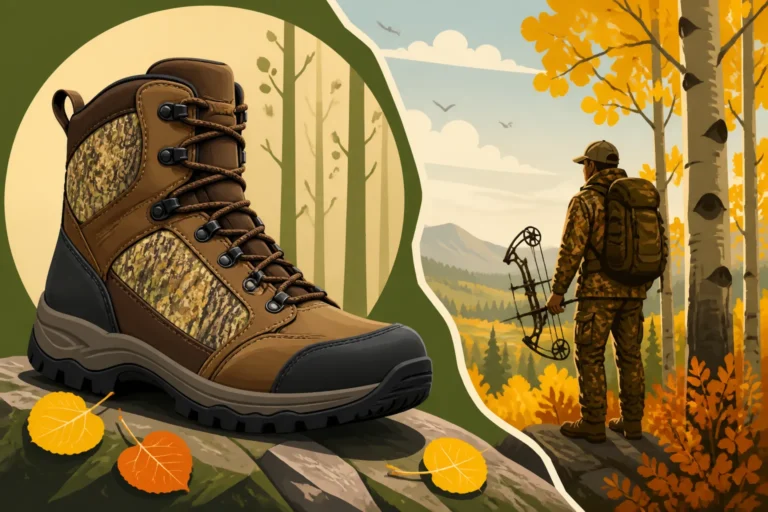
Your clothing choices will make or break your comfort and ability to stay in the woods. Layering is key, as New York weather can be unpredictable, even in the early bear season. Start with a moisture-wicking base layer, add insulating layers like fleece or wool, and top it with a quiet, waterproof outer shell. Remember your Blaze Orange and Pink Options for safety during rifle season. Comfortable, durable hunting boots that provide good ankle support and are waterproof are non-negotiable for navigating varied terrain and potential wet conditions. Finally, once you've harvested a bear, proper field care is essential. This includes a sharp knife, game bags to protect the meat, and a plan for how you'll get the animal out of the woods. A sturdy pack, potentially one designed for hauling heavy loads or even a deer drag, will be invaluable for Handling a Bear After the Shot and transporting your hard-earned harvest back to camp, especially if you're on a multi-day backcountry hunt and utilize Packs Built for a Multi-Day Backcountry Hunt.
| Gear Category | Essential Items | Why It's Crucial for Bait-Free Hunting |
|---|---|---|
| Optics | Binoculars (8x/10x), Rangefinder, Spotting Scope (optional) | Locating bears and sign at distance, evaluating terrain, confirming targets in natural habitat. |
| Navigation | GPS Unit/Mapping App (e.g., GoHunt), Map, Compass | Finding your way in vast, untracked areas, marking sign, safe return to vehicle/camp. |
| Communication | Two-Way Radios, Whistle | Staying safe with hunting partners, signaling in emergencies on remote public land. |
| Weaponry | Rifle/Shotgun/Bow, Ammunition/Arrows | Making a clean, ethical harvest once a bear is located. |
| Clothing | Layered System (base, mid, outer), Waterproofs, Orange/Pink Safety | Adapting to changing weather, staying quiet, remaining visible during firearm seasons. |
| Footwear | Durable, Waterproof Boots | Comfort and protection for long treks over rugged, wet, or snowy terrain. |
| Field Care | Sharp Knife, Game Bags, Hauling Pack/Drag | Efficiently processing and transporting a bear from the field, preserving the meat. |
| Miscellaneous | Headlamp, First-Aid Kit, Water, Snacks | Safety, visibility in low light, personal sustenance for demanding hunts. |
New York Northern Zone Bear Opener will require planning for colder weather and different natural food sources than an early Southern Zone hunt. Regardless of when or where you hunt, remember that New York's approach to bear hunting values the challenge of the chase and the satisfaction of earning your bear through skill and dedication, not through artificial means.
Disclaimer
This article is for general informational purposes only and does not constitute professional advice. Laws, prices and regulations vary by location and change over time. Consult a qualified professional for guidance on your specific situation.