Run-and-Gun Turkey Tactics on Public Land
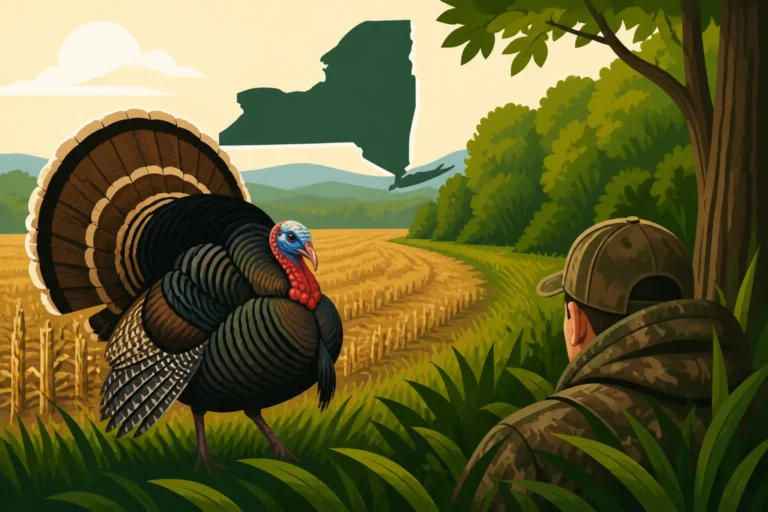
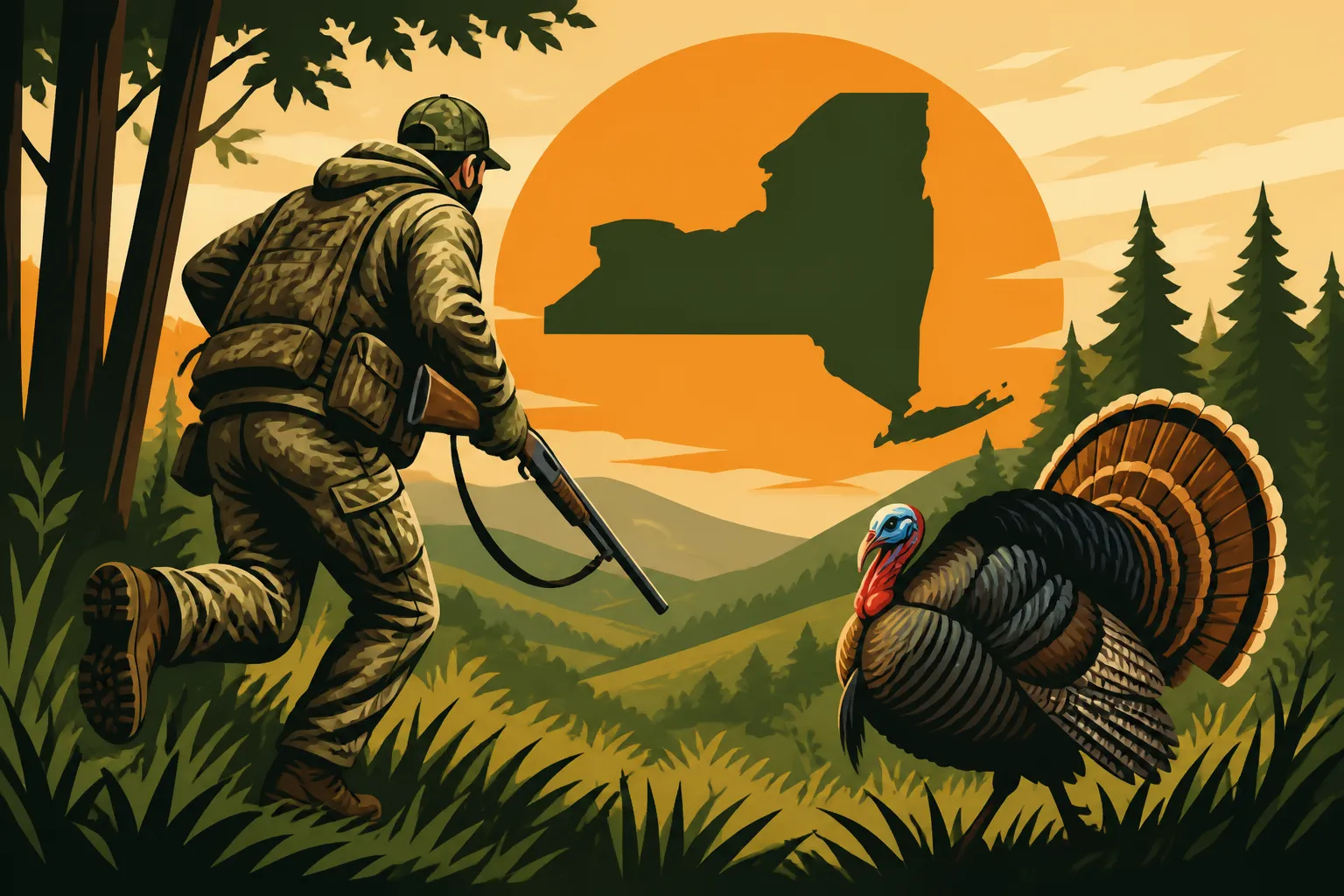
There’s nothing quite like the sound of a gobbler hammering at dawn, especially when you’re deep in New York’s public woods. But let’s be real, those birds on public land often feel like they have a Ph.D. in hunter evasion. The traditional sit-and-wait approach can be incredibly frustrating when gobblers are few and far between, or they just plain shut up after that first fly-down. This guide is all about embracing a more aggressive, mobile strategy – the "run-and-gun" – to effectively chase down those elusive longbeards across New York’s diverse public hunting grounds.
Understanding the Run-and-Gun Philosophy for New York Public Land
The very idea of "run-and-gun" turkey hunting might sound a bit frantic, but it's a highly effective strategy, especially when you're dealing with vast stretches of public land in places like the Catskills or the Allegany State Park. It's about being proactive, covering ground, and forcing a reaction from turkeys that might otherwise stay silent or move away from stationary hunters. This method is a stark contrast to the patient, stationary approach often favored on private tracts where bird locations are more predictable.
Why Run-and-Gun Works for Pressured Birds
Public land turkeys are often pressured birds. They’ve heard it all before – every call, every setup, every decoy. They’re wary and quick to associate human presence with danger. This is where the run-and-gun shines. Instead of setting up and waiting for them to come to you, you’re taking the fight to them, moving quickly through their habitat. By continually changing your location and calling sequence, you increase your odds of encountering a responsive gobbler that hasn't been spooked by a static setup. You’re essentially searching for a "hot" bird, one that's ready to interact, rather than hoping one stumbles into your zone.
The mobility of this tactic also allows you to adapt instantly to changes in bird movement or weather. If a gobbler flies down and heads in the opposite direction you anticipated, you can pack up and reposition within minutes, putting yourself back in the game. This agility is crucial when birds are constantly on the move, particularly later in the morning after they've left their roost trees. If you want to learn more about how and why birds choose their evening perches, check out our guide on Roost Hunting New York Gobblers.
Key Differences from Traditional Static Hunting
Traditional turkey hunting often involves locating a bird on the roost, setting up well before daylight, and then patiently calling it in. You might use a full decoy spread, build a blind, and commit to a spot for hours. With run-and-gun, that patient commitment gives way to aggressive exploration. You're still starting by trying to locate a bird, but if that bird doesn't respond or moves off quickly, you don't stay rooted. Instead, you move to another likely area, call, listen, and repeat.
Another major difference is the amount of gear. A traditional setup might involve multiple decoys, a comfortable chair, and a large vest packed with calls. Run-and-gun demands minimalism. You carry only what's essential, because every ounce matters when you're covering several miles of rugged New York terrain. You're trading comfort for mobility, and a fixed position for dynamic pursuit. This method demands you become intimately familiar with how to move quietly and efficiently through the woods, almost like a predator yourself, always scanning for subtle signs of turkey activity.
Essential Gear for Mobile Turkey Hunting in New York
When you're committing to a run-and-gun strategy on New York's public lands, your gear choices become paramount. Every item in your pack should serve a purpose and be as lightweight as possible. Think efficient, not extravagant. The goal is to maximize your ability to move silently and swiftly, while still having the tools to seal the deal when a gobbler finally sounds off.
Lightweight Calls and Decoys
Forget the bulky box calls that clang around or a full flock of decoys. For run-and-gun, simplicity and portability are key. A good mouth call (diaphragm call) is essential – it allows hands-free operation and is incredibly versatile for various calls, from soft yelps to aggressive cutting. Pair that with a small, lightweight pot call (slate or glass) and striker for a different tone and louder volume when needed. These two call types cover almost every scenario and are easy to carry.
As for decoys, consider a single, collapsible hen decoy, or perhaps just a fanning gobbler decoy if you're feeling aggressive and the terrain allows for safe use. Brands like Primos or Avian-X offer lightweight, packable options that can be deployed quickly and removed just as fast. The idea isn't to create a full flock, but to provide just enough visual to draw a curious gobbler the last few yards. Many experienced run-andgunners skip decoys entirely to reduce weight and setup time, relying solely on calling prowess. When considering your options, it's worth reading up on which types of Turkey Decoys That Work on Pressured Birds might be best for your area.
Minimizing Your Pack Weight
This is where the "run" part of run-and-gun really comes into play. You'll be covering ground, possibly several miles a day, across varying terrain from the rolling hills of the Southern Tier to the thicker timber of the Adirondacks. A minimalist approach to your pack is crucial. Ditch anything that isn't absolutely necessary. A small day pack, like those from Badlands or Sitka, designed for comfort and accessibility, is ideal.
Inside, you'll want your calls, maybe a small water bottle, a few energy bars, a headlamp for early mornings or late evenings, a first-aid kit, and perhaps a small ground pad to sit on. Avoid carrying heavy binoculars or spotting scopes unless you know you'll be in open country. Every ounce counts. A GPS unit or your phone with a mapping app like the New York DEC's Using the New York HuntFishNY Map Tool is also vital for navigation on unfamiliar public land. Remember, a lighter pack means less fatigue and more ground covered, directly increasing your chances of finding that responsive bird. For more ideas on how to outfit yourself, check out our guide on Packs for a Day on Public Land.
Footwear and Clothing for Constant Movement
Your clothing and footwear need to be durable, comfortable, and suitable for the unpredictable New York spring weather. Lightweight, breathable layers are key, allowing you to shed or add clothing as temperatures fluctuate throughout the day or as your activity level changes. Good moisture-wicking base layers are a must to prevent chilling after you work up a sweat. Consider durable, rip-resistant outer layers in camouflage patterns that blend with the early spring woods.
Footwear is arguably the most critical component. You need comfortable, supportive, waterproof boots that can handle mud, wet leaves, rocky terrain, and potential stream crossings. Brands like Irish Setter or Kenetrek offer excellent options designed for long days afield. Ensure your boots are well broken-in before the season starts to avoid blisters. Pairing them with high-quality, moisture-wicking socks will make a world of difference in your comfort and endurance. Remember, your feet are your primary mode of transportation in the run-and-gun world, so treat them well.
Pre-Season Scouting and Mapping for Success
Before you even step foot in the woods during New York's spring turkey season, laying the groundwork through diligent pre-season scouting and mapping can drastically improve your run-and-gun success. Public lands are vast, and knowing where to focus your efforts can save you valuable time and energy, directing you to areas with higher turkey densities and better opportunities for engagement. It's about working smarter, not just harder.
Identifying Potential Roosts and Travel Corridors
Even for a run-and-gun approach, knowing where turkeys are likely to be at different times of the day is crucial. Pre-season scouting, even without calling, involves looking for fresh tracks, droppings, and dusting bowls. Pay particular attention to mature timber along ridges or near water sources, as these are common roosting sites. Large pines or oaks are often preferred for their strong limbs and protective canopy. Identifying these potential roosting areas gives you a starting point to listen for gobblers at dawn.
Beyond roosts, look for travel corridors – areas where turkeys move between feeding, roosting, and strutting zones. These might be old logging roads, creek bottoms, saddles between ridges, or the edges of clearings. Identifying these natural funnels before the season opens allows you to predict their likely movements and strategically position yourself for a quick setup. This pre-season work is foundational to making your in-season "runs" more efficient and productive. Our guide on Scouting New York Public Land Before Season offers even more comprehensive strategies.
Using Mapping Tools to Plan Your Route
Modern mapping tools are an absolute game-changer for public land hunters. Services like GoHunt, along with the DEC's own HuntFishNY app, provide invaluable satellite imagery, topographical maps, and public land boundaries. Before the season, spend hours poring over these maps. Look for changes in elevation, different timber types, water sources, and potential pinch points or funnels. Use topo lines to identify benches on hillsides where birds might feed or strut.
You can virtually "walk" the terrain, identifying potential routes between likely turkey spots. Mark specific locations where you might want to stop and call, or areas that look like ideal ambush points. The ability to drop pins and create waypoints for potential roosts, travel corridors, or even escape routes, will give you a huge advantage. These tools help you understand the landscape without physically being there, allowing you to plan efficient routes for your run-and-gun tactics, minimizing wasted steps and maximizing your chances of encountering birds.
Finding Undisturbed Public Pockets
One of the biggest challenges on New York public land is hunting pressure. Other hunters often gravitate to easily accessible areas. For a run-and-gun hunter, finding those less-pressured pockets is key. Use your mapping tools to identify areas that are a good distance from access points, parking lots, or popular hiking trails. Look for terrain features that might deter other hunters, such as steep slopes, thick briar patches, or swampy areas.
These "hard-to-reach" spots often hold turkeys that haven't been called to incessantly or spooked by repeated human presence. While getting to them might involve a more strenuous hike, the reward can be a less wary gobbler. Sometimes, all it takes is walking an extra half-mile beyond where most hunters stop. The run-and-gun philosophy means you're willing to put in that extra effort to find birds that are more likely to respond naturally.
On-the-Ground Tactics: Covering Ground and Calling Strategies
Once New York's spring turkey season opens, the pre-season scouting pays off. Now it's time to execute the run-and-gun strategy. This involves a delicate balance of covering ground, listening intently, and knowing when and how to call to provoke a response from those wary public land gobblers. It's a dynamic process that requires constant adaptation and an understanding of turkey behavior.
Effective Calling Sequences While Moving
The essence of run-and-gun is moving, stopping, calling, and listening. Don't call constantly while you're walking. Instead, move through likely turkey habitat for several hundred yards, then stop in a strategic location. This might be on a ridge top where sound carries, or in a saddle that turkeys might cross. Then, offer a series of calls. Start with a moderate volume yelp, then maybe a few clucks and purrs. Listen for a response. If nothing, wait a few minutes, then try a more aggressive cutting sequence. If you're wondering which calls to choose, our article on Turkey Calls Worth Carrying in New York can offer some good insights.
The key is variety and listening. Vary your calls – don't just stick to one type of yelp. Use mouth calls, pot calls, or even a tube call for different sounds and volumes. After each calling sequence, remain absolutely silent and listen for a gobble, drumming, or even the softest cluck. Turkeys can be incredibly quiet, especially if they're close and trying to pinpoint your location. If you get a response, pay attention to the direction and approximate distance, then plan your next move.
Setting Up Quickly and Discreetly
When a gobbler responds, your ability to set up quickly and discreetly becomes critical. This isn't the time for a lengthy decoy spread or blind construction. Identify a tree that's wider than your shoulders, offering good concealment and a clear shot lane in the direction you expect the turkey to approach. Get against it immediately. If you have a small hen decoy, deploy it quickly within 15-20 yards in front of you, ensuring it's visible.
Always ensure you have a clear shot and are positioned to break up your human outline. Use natural cover to your advantage. Once set, call softly and infrequently. The gobbler knows where you are; your job is now to make him believe you're a real hen waiting for him. Avoid excessive movement. If the gobbler hangs up, a slight change in your calling – maybe a softer, more seductive yelp or a few clucks – might be enough to coax him the rest of the way. Learning to pick the right tree is a skill in itself, which you can read more about in Setting Up Against a Big Oak.
Adapting to Gobbler Responses (or Lack Thereof)
Turkey hunting is rarely a straightforward affair, especially on public land. Gobblers are notorious for being fickle. If a bird gobbles hard then goes silent, don't panic. He might be coming silently, or he might have just lost interest. Give it time – 15-20 minutes of silence is not uncommon. If he doesn't show, try a different calling sequence, or circle around to try and get ahead of him if you suspect he's moving away.
If a gobbler consistently hangs up out of range, resist the urge to keep calling aggressively. Sometimes, less is more. Try backing off slightly, staying quiet, and letting him come look for you. If he’s still not committing, pack up quickly and move to another location, maybe circling to approach from a different angle or moving into what you believe is his strut zone. The beauty of run-and-gun is that you’re not tied to one spot. You can always pick up and move to find a more cooperative bird or a better setup. This adaptability is crucial for hunting success in areas like the Southern Tier, where terrain can often dictate turkey movement, as discussed in Turkey Tactics for Southern Tier Field Edges.
Navigating Challenges of New York Public Land
Hunting public land in New York, especially with a run-and-gun strategy, comes with its own unique set of challenges. It's not just about finding turkeys; it's about managing expectations, respecting other users, and staying safe in diverse and often rugged environments. Understanding these challenges beforehand will help you prepare and react effectively, ensuring a more enjoyable and productive hunt.
Dealing with Hunting Pressure and Other Hunters
Let's face it, public land often means other hunters. In popular areas, especially during the opening week of When New York's Spring Turkey Season Opens, you're likely to encounter other folks chasing gobblers. The run-and-gun strategy helps mitigate this by allowing you to cover more ground and potentially find less-pressured areas. If you encounter another hunter, a friendly wave and a brief conversation can often prevent issues. Respect their space, and never try to "cut off" another hunter's setup.
If a gobbler is working another hunter, back out quietly and continue your search elsewhere. Safety is paramount; always assume any movement or sound could be another hunter. Wearing blaze orange while moving, especially in areas with mixed seasons or where multiple hunters might be present, is a smart, albeit not always required, precaution after a bird is harvested. The goal is to maximize your own experience without ruining someone else's, or worse, creating a dangerous situation.
Terrain Considerations in Different Regions
New York's public lands offer a huge variety of terrain, from the relatively flat state forests of the Tug Hill Plateau to the steep, rocky slopes of the Catskill Forest Preserve. Each presents unique challenges for the run-and-gun hunter. In mountainous regions, factor in elevation changes and how they affect sound travel. Gobbles can echo, making them difficult to pinpoint. Always try to get above the bird if possible, as turkeys prefer to strut downhill.
In flatter, thicker areas, like many of the Wildlife Management Areas in central or western New York, visibility is often limited. This means you need to rely more heavily on listening and moving slowly. Consider how thick cover will impede your movement and vision. Using mapping tools like those offered by GoHunt becomes even more important here, allowing you to scout for more open timber or natural clearings that might be hidden by dense undergrowth. Understanding how New York Turkey Population Trends vary by region can also inform your choice of hunting grounds.
Safety Considerations in a Mobile Environment
Being constantly on the move increases your exposure to potential hazards. Always let someone know your hunting plan, including your intended area and estimated return time. Carry a fully charged cell phone (though service can be spotty in remote areas) and a reliable GPS device or map and compass. In a run-and-gun scenario, it’s easy to get disoriented, especially if you’re focused on a gobbling bird and moving quickly through unfamiliar woods.
Beyond navigation, be mindful of your footing. Steep slopes, fallen logs, and uneven ground are common. A twisted ankle can quickly turn a great day into a dangerous situation. Always identify your target clearly and be absolutely sure of your background before taking a shot. With a mobile strategy, turkeys can appear from unexpected directions, so maintaining situational awareness is constant. Finally, be aware of New York Spring Turkey Bag Limits and ensure you adhere to all regulations.
Post-Shot Protocol and Recovery in Public Forests
So, you’ve executed your run-and-gun tactics perfectly. A gobbler responded, you set up quickly, and now he’s on the ground. The hunt isn’t over yet. Responsible recovery and handling of your bird are just as crucial, especially when you’re deep in New York’s public forests, often far from any vehicle access.
Marking Your Location and Approaching Cautiously
The moment you pull the trigger, take a mental note of the exact spot where the bird went down, and more importantly, the landmarks around it. Immediately mark your position on your GPS or phone app. This is critical, as a downed bird can be surprisingly hard to find in thick cover. Even if you saw it drop, trees and brush can make it disappear from sight.
Approach the downed bird slowly and cautiously. A turkey, even when seemingly dead, can come back to life with powerful flapping wings and sharp spurs, potentially injuring you or escaping. Always approach from behind the head, ready to place your foot on its neck or hold it down firmly if it's still moving. Once you're certain the bird is expired, take a moment to admire your hard-earned trophy. This is the culmination of all your hard work and persistence.
Packing Out Your Bird Efficiently
Now comes the logistical challenge: getting your turkey out of the woods. If you're a true run-and-gun minimalist, you won't have a turkey vest with a game bag, so you'll need to improvise. The first step is to tag your bird immediately according to New York DEC regulations.
Next, decide how you want to carry it. Some hunters simply sling the bird over a shoulder, head down, wings tucked in. If you have a backpack, you can carefully place it inside or strap it to the outside. If you've got a long walk ahead, consider field dressing the bird on the spot. This significantly reduces weight and helps the meat cool faster, which is crucial on warmer spring days. Remove the entrails, and if you plan to breast out the bird, you can do that in the field, carrying out only the breast meat, legs, and beard/spurs. This makes the pack out much easier, especially when navigating dense public land. Make sure you understand how to properly report your harvest to the DEC once you're out of the woods.
Run-and-Gun Turkey Tactics Comparison Table
| Feature | Traditional Static Hunting | Run-and-Gun Mobile Hunting |
|---|---|---|
| Primary Strategy | Set up, wait for birds to come to you. | Actively search for birds, covering ground. |
| Best For | Predictable bird patterns, private land, less pressure. | Pressured public land, unknown patterns, wary birds. |
| Typical Gear | Full decoy spread, blind, comfortable seat, multiple calls. | Minimal calls (diaphragm, pot), single collapsible decoy (optional), lightweight pack. |
| Movement Level | Very low (stationary for hours). | High (frequent walking, stopping, calling). |
| Response to Silence | Patience, varied calling from same spot. | Move to a new location, change tactics, seek new birds. |
| Setup Time | Longer (blind, decoy deployment). | Very quick (against a tree, minimal decoy). |
| Physical Demands | Low to moderate. | High (significant walking, rugged terrain). |
| Dealing with Pressure | Often impacted by other hunters moving in. | Allows escape from pressure, finding unpressured pockets. |
Disclaimer
The information provided in this guide is for general educational and informational purposes only and does not constitute legal advice. Hunting regulations in New York are subject to change, and it is the responsibility of every hunter to review and comply with all current New York State Department of Environmental Conservation (DEC) hunting laws, rules, and licensing requirements. Always prioritize safety, ethical hunting practices, and respect for wildlife and public lands.