Packs for a Day on Public Land
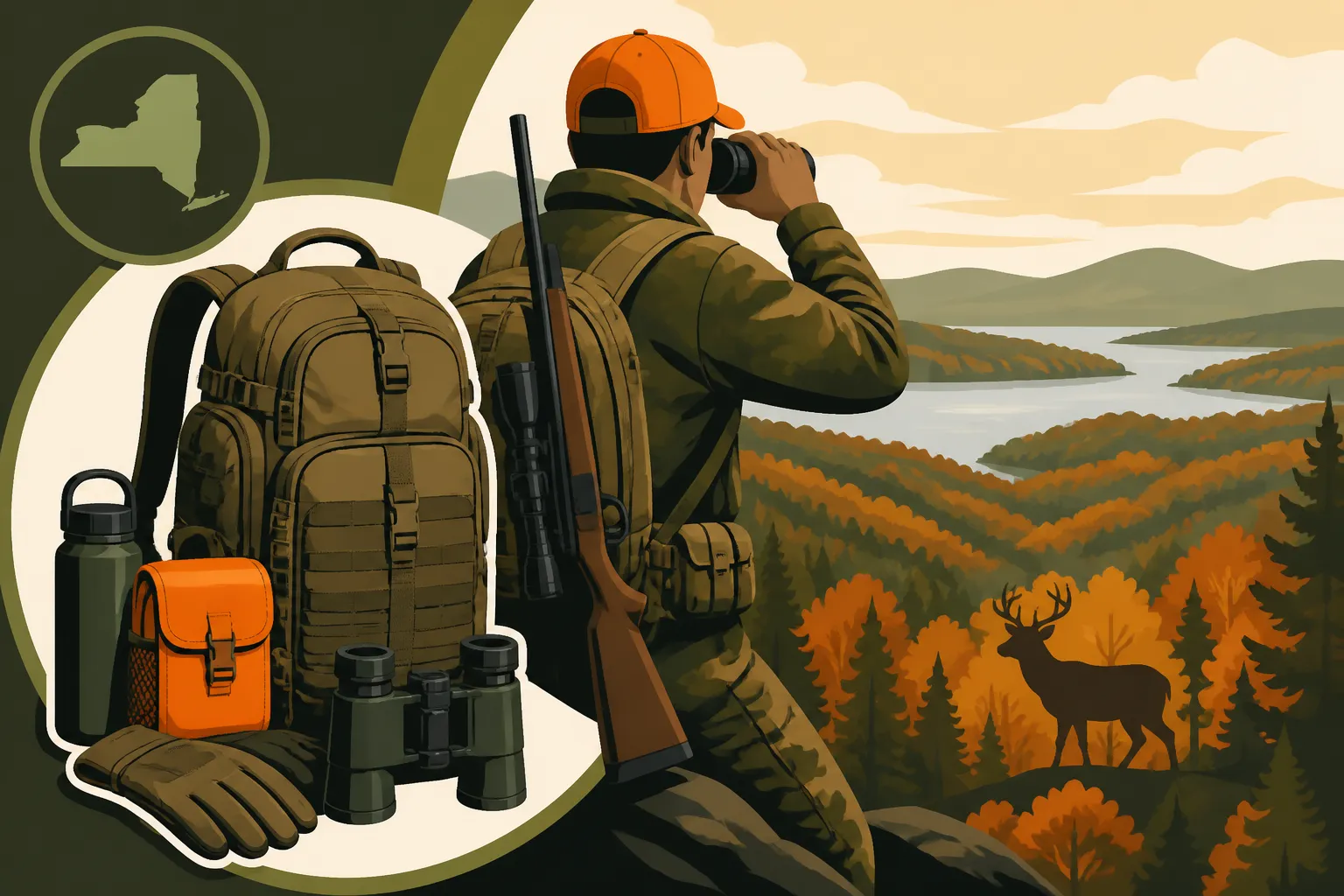
There’s nothing quite like the feeling of stepping into the pre-dawn quiet of New York’s public hunting land, your breath misting in the cool air, knowing a whole day of adventure lies ahead. But that feeling can quickly sour if your pack is a tangled mess of gear, digging into your shoulders, or worse, if you realize you've forgotten something absolutely critical miles from the truck. Choosing and organizing the right day pack for public land hunting in New York is about more than just carrying stuff; it's about being prepared, efficient, and comfortable so you can focus on the hunt. This guide is going to walk you through how to pick the perfect day pack and what to put in it, ensuring your time afield is spent chasing game, not chasing your tail.
The Public Land Day Pack Mindset: What Do You Really Need?
When you're heading out for a full day on public land, especially in New York, the temptation to bring "everything but the kitchen sink" can be strong. After all, you might be miles from your vehicle, and you want to be prepared for anything. However, the best public land hunters know that efficiency and preparedness often mean carefully curating what goes into your pack. It’s a delicate balance: enough to be safe and effective, but not so much that you're burdened by unnecessary weight.
Assessing Your Hunt Style and Terrain in New York
Your hunting style and the specific New York terrain you're tackling are huge factors in what kind of pack you need and what you put in it. Think about it: a still-hunter constantly on the move in the Catskills has vastly different needs than someone sitting all day in a treestand overlooking a Southern Tier field edge.
If you're a mobile hunter, perhaps still-hunting Catskill Ridges or tracking deer in the Adirondacks, every ounce matters. You're covering a lot of ground, often on uneven, steep terrain, and a heavy, bulky pack will wear you down quickly. For this style, you’ll prioritize a lightweight, streamlined pack that moves with you, doesn't snag on brush, and allows for quick access to essentials like water, a rangefinder, and maybe a small snack. You're unlikely to be hauling a thermos of coffee or a portable heater. Instead, you'll focus on warmth through layering and body movement.
On the other hand, if your plan involves a long sit in a treestand, perhaps a Treestand Setups in Adirondack Hardwoods scenario, you might have the luxury of carrying a bit more. You still want comfort for the walk in, but once you're settled, you might appreciate items like an extra jacket, a book, a small thermos, or even a compact cushion. The key here is not necessarily reducing weight to the absolute minimum, but ensuring that the pack itself is comfortable for the hike to your stand and that its contents are organized for easy, quiet access once you're aloft. The terrain itself also dictates things. Hunting the wide-open farmland of Western New York might mean less brush to contend with, allowing for a slightly wider pack, whereas busting through thick cover in the Tug Hill Plateau will demand a more compact, snag-resistant design.
Essential Gear for a New York Day Hunt
Regardless of your specific hunting style or the exact location, there's a core set of items that should always find a place in your day pack when hunting New York public land. These are the non-negotiables, the things that ensure safety, comfort, and the ability to continue your hunt effectively.
First and foremost, hydration is paramount. A water bladder system or several water bottles, depending on preference and temperature, should always be included. Dehydration can lead to fatigue, poor decision-making, and even serious health issues. Coupled with water, energy-rich snacks are vital. Granola bars, nuts, dried fruit, or even a sandwich provide the fuel your body needs for a strenuous day. Next, navigation tools are critical. Even if you're using your phone with an app like Scouting With the New York HuntFishNY App, always carry a physical map of the area and a compass, and know how to use them. Electronics can fail, and cell service in many parts of New York's public land is non-existent. A good headlamp or flashlight, with extra batteries, is indispensable for walking in before dawn or out after dark, especially if tracking an animal.
Safety items include a basic first-aid kit, whistle, and fire-starting materials (waterproof matches or a lighter). A sharp knife is essential for a multitude of tasks, from opening packaging to field dressing. Always ensure you have your hunting license and tags readily accessible. Depending on the season and specific regulations, blaze orange or blaze pink might be legally required, and even if not, it’s a smart idea for visibility. Other highly recommended items include a few feet of cordage, toilet paper, and scent control wipes. For specific species, you'll add calls – grunt tubes, doe bleats, or maybe a turkey call if you're out in Hunting the New York Fall Turkey Season. Always check the specific regulations for the season and WMU you're hunting, as rules on things like blaze orange for archery can differ from firearm seasons.
Choosing the Right Pack Type and Features
With the sheer variety of hunting packs available today, it can feel overwhelming to pick the "right" one. But by understanding the different types and features, you can narrow down your options to find a pack that truly supports your New York hunting adventures.
Backpack Styles for Different Hunting Scenarios
The world of hunting packs offers a spectrum of designs, each with its own advantages depending on what you're trying to achieve on your day hunt.
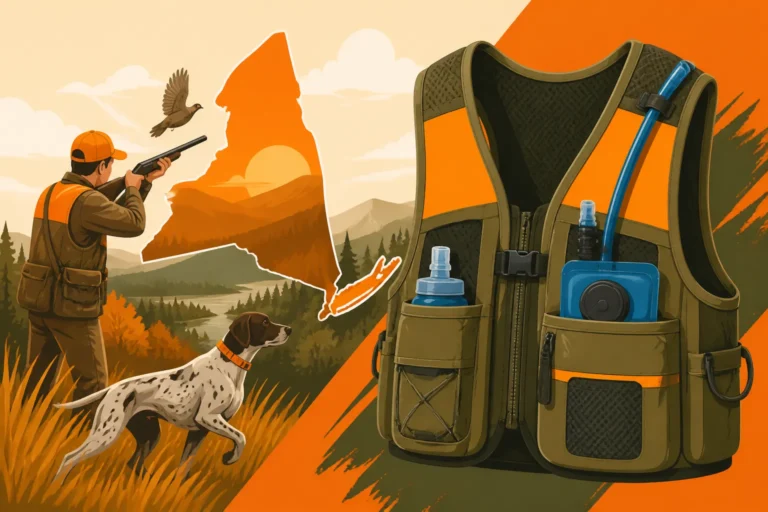
For the minimalist, fast-and-light hunter, a simple frameless day pack or even a hydration pack might be all you need. These are typically smaller, often 1000-2000 cubic inches (around 16-32 liters), and designed to hold just the essentials. They are excellent for mobile still-hunting or scouting trips, where bulk is the enemy. Many hydration packs are designed to sit close to your body, distributing weight efficiently and keeping you agile. Brands like GoHunt offer robust options in this category, often focusing on quiet fabrics and comfortable fit. If you're only carrying water, a few snacks, a map, and a light jacket, these can be incredibly effective. Their main drawback is limited capacity for extra layers or if you unexpectedly harvest an animal and need to carry out meat.
Moving up in size, you have more traditional day packs, often in the 2000-3000 cubic inch range (32-49 liters). These are the workhorses for most public land deer hunters. They provide enough space for all your essentials, extra layers for changing weather (crucial in New York's unpredictable climate), and perhaps some specialized gear like rattling antlers or a small ground blind. Many of these packs feature internal frames, which help transfer weight to your hips, making them more comfortable for heavier loads and longer walks. Look for packs with good compression straps to keep your load stable and quiet.
For those who occasionally expect to pack out meat or have unusually bulky gear, a small external frame pack or a hybrid day pack with a "meat shelf" might be beneficial. While not typically considered a "day pack" in the traditional sense, some smaller external frame designs are light enough for day use but offer the added capability of carrying a heavy, awkward load like boned-out venison or a turkey. These are less common for pure day hunting but can be a game-changer if you often hunt in areas where you might get a deer down far from the truck and prefer to pack out the meat rather than drag. They offer maximum versatility but come with a trade-off in weight and bulk. Just remember, these are often built for serious hauling, which might be overkill for a typical day of walking trails or sitting on a stand.
Key Features to Look for in a Day Pack
Once you've considered the general style, it's time to drill down into the features that separate a good day pack from a great one for New York hunting.
- Comfort and Fit: This is non-negotiable. A pack with well-padded shoulder straps and a robust hip belt is crucial for distributing weight effectively, especially if you're carrying more than a few pounds or hiking over challenging terrain. The hip belt should ideally sit on your hip bones, taking much of the load off your shoulders. Adjustable sternum straps are also important for stabilizing the pack and preventing shoulder fatigue. Before you buy, try the pack on, preferably with some weight in it, and walk around a bit. You’ll quickly notice if it pinches or rubs in the wrong places.
- Capacity and Organization: Consider the volume you realistically need. Overpacking a large pack makes it heavy; stuffing a small pack makes it impossible to organize. Look for a main compartment large enough for your bulkier items and several external pockets or internal dividers for smaller essentials. Quick-access pockets for rangefinders, calls, or a GPS are invaluable. Side pockets for water bottles or a spotting scope leg are also a plus. Some packs, including those from GoHunt, feature modular systems that allow you to add or remove pouches as needed, customizing your setup for each hunt.
- Durability and Quietness: Public land hunting can be tough on gear. Your pack will brush against branches, get set down on rocky ground, and endure various weather conditions. Look for packs made from rugged, tear-resistant fabrics that are also quiet. Nylon or polyester blends are common, but pay attention to the denier rating – higher numbers generally mean more durable fabric. Avoid overly noisy fabrics that will give you away when reaching for gear in a quiet woods. Water-resistant zippers and fabric treatments are also a huge bonus for dealing with New York's unpredictable rain or snow.
- Hydration Compatibility: Most modern hunting packs are designed to accommodate a hydration bladder, often with a dedicated sleeve and port for the drinking tube. This is a game-changer for staying hydrated on the go without having to stop and fumble for a bottle. Ensure the bladder sleeve is easily accessible for refilling and cleaning. If you prefer bottles, make sure the pack has easily reachable external pockets for them.
| Pack Type | Typical Capacity (Liters) | Pros | Cons | Ideal New York Scenario |
|---|---|---|---|---|
| Frameless Day Pack | 15-25 | Lightweight, agile, compact | Limited capacity, poor for heavy loads | Still-hunting, quick scouting, light small game |
| Internal Frame Day Pack | 25-50 | Good capacity, comfortable with moderate loads, organized | Can be bulky if overpacked | Treestand hunting, all-day deer hunts, varied terrain |
| Hydration Pack | 5-15 | Very lightweight, excellent hydration access | Minimal storage for gear | Mobile archery, short hunts, early season, dedicated water |
| Small External Frame/Hybrid | 50+ (with meat shelf) | Excellent for hauling meat/heavy items | Heavier, bulkier, less agile | Packing out game, multi-day potential, very remote areas |
Smart Packing Strategies for Efficiency on Public Land
Having the right pack is only half the battle; knowing how to pack it efficiently is where you truly become a more effective and less frustrated hunter. A well-organized pack means less fumbling, less noise, and quicker access to what you need when the moment counts.
Organizing Your Gear for Quick Access
Imagine this: you've got a buck coming in, and you need your grunt tube now. If it's buried under a rain jacket, a thermos, and a bag of chips, that opportunity is gone. The key to organization is a system that prioritizes quick access for frequently used or time-sensitive items.
Think about your gear in layers. The items you’ll need immediately or most often should be in external pockets, lid pockets, or right at the top of the main compartment. This includes your rangefinder, binoculars, calls, wind checker, knife, and maybe a small snack. For example, if you often use a rangefinder, keep it in a small, dedicated pouch on your hip belt or shoulder strap, not deep inside the pack. Many hunters use small dry bags or stuff sacks within their main compartment to categorize items – one for first-aid, one for fire-starting/emergency gear, one for food. This prevents a chaotic jumble and makes finding things much faster, especially in low light or under pressure. Consider a small, clear-fronted pouch for your license and tags so they are protected but visible.
Less frequently used but still important items, like extra layers of Clothing for a New York November, a larger first-aid kit, or your lunch, can go further down in the main compartment. Bulky items should be placed against your back (if comfortable) to keep the weight centered. Use compression straps on the outside of your pack to cinch down your load, preventing items from shifting and making noise as you move. This also helps reduce the pack's profile, making it easier to navigate thick cover. If your pack has a removable lid, that's often a prime spot for items you'll want at the stand but don't need while walking, like a heavier pair of gloves or a hand warmer.
Weight Management and Balancing for Comfort
A heavy, unbalanced pack is not just uncomfortable; it’s a drain on your energy and can compromise your safety, especially when navigating steep, uneven terrain like those found in the Catskills or Adirondacks. Every ounce adds up, and by the end of a long day of hunting New York public land before season, those ounces can feel like pounds.
The first step in weight management is ruthless honesty about what you truly need. Do you really need two full thermoses of coffee? Or that extra heavy-duty tarp you’ve never used? Prioritize multi-use items and shed anything redundant. For instance, a quality sharp knife can handle many tasks, eliminating the need for several specialized tools. Evaluate the "what if" scenarios for each item. While preparedness is key, carrying gear for every remote, unlikely "what if" will quickly lead to an overburdened pack.
Once you have your essentials, focus on even weight distribution. The heaviest items should generally be placed in the middle of your back, close to your spine. This keeps the center of gravity high and tight, preventing the pack from pulling you backward or swaying from side to side. Lighter, bulkier items can fill the spaces around the heavier gear. Ensure the pack is balanced side-to-side; an uneven load will cause discomfort and can throw off your gait, leading to fatigue or even a stumble. Use those internal and external compression straps religiously. They pull the load closer to your body and prevent shifting, making the pack feel lighter and more stable. Remember, the goal is to carry the necessary weight as efficiently and comfortably as possible, so you can preserve your energy for the hunt itself.
Integrating Specialized Gear and Emergency Preparedness
A day pack isn't just about the basics; it's also where you'll carry your specialized tools and, crucially, your emergency kit. Thinking through how these integrate into your pack can save you a lot of grief and ensure you're ready for any situation New York's wild places might throw at you.
Carrying Calls, Optics, and Harvest Tools
Different hunts demand different specialized gear. For deer, your calls – whether it's a grunt tube, a can call, or rattling antlers – need to be accessible but also protected from damage and moisture. Some packs have small, dedicated pockets for these, or you might opt for a small, easily reachable pouch attached to your hip belt or a shoulder strap. Binoculars and rangefinders are often carried on a bino harness, but if they're going in the pack, they should be in a padded, easily accessible top pocket. Having quality optics is crucial for discerning legal game and spotting sign, so protecting them is key. For example, Optics for Adirondack and Catskill Timber often require good low-light performance, making their protection even more valuable.
If you're hunting bears, beyond your primary weapon, you'll need gear to handle a potentially larger animal. While you can't use bait in New York, you'll still need appropriate Bear Hunting Gear Without Bait, which might include a heavier-duty knife for field dressing. For any big game animal, a good field dressing kit with gloves and wipes, and game bags are essential, particularly if you plan on a gutless method or boning out meat. Even on cooler days, game bags protect the meat from dirt and insects, especially useful during Field Dressing a Deer in Cold Weather or if you're dealing with an early archery harvest in warmer weather. Some packs, including more specialized GoHunt models, come with integrated meat shelves or external straps that are perfect for lashing extra gear or even part of a carcass for the trek out. This foresight can turn a tough recovery into a manageable one.
Planning for the Unexpected: Emergency Items
No matter how well you know an area or how short your planned hunt, the unexpected can happen. A twisted ankle, a sudden, fierce storm, or simply getting disoriented as darkness falls are all possibilities on public land. Having a robust emergency kit integrated into your day pack is an absolute necessity.
Your emergency kit should be distinct and easily identifiable, perhaps in a bright-colored dry bag. It should contain items that can help you survive a night out or signal for help. Beyond the basic first-aid kit mentioned earlier, consider adding:
- Shelter: A lightweight emergency blanket or survival bivy sack can provide crucial warmth and protection from the elements.
- Fire Starters: A reliable ferro rod, waterproof matches, or a robust lighter – even if you carry a small lighter with your daily items, a dedicated emergency set is smart.
- Signaling Device: A loud whistle is primary. A small signal mirror can also be invaluable in open country.
- Extra Food: A high-calorie energy bar or two, meant only for emergencies.
- Navigation Backup: Beyond your primary map and compass, consider a small, inexpensive backup GPS unit if you rely heavily on your phone. Even if you're using your phone for navigation, always ensure it's fully charged and consider carrying a portable power bank. GPS Units Versus Phone Apps often discuss the pros and cons, but having both is the safest bet.
- Cordage: A generous length of paracord or strong rope for repairs, tying up gear, or even creating a makeshift shelter.
- Illumination: A backup headlamp or flashlight, again with extra batteries.
The goal isn't to carry enough gear to live indefinitely in the woods, but rather enough to survive a challenging night or to make it back to safety. Regularly check the contents of your emergency kit, ensuring batteries are fresh and any food items haven't expired. Knowing how to use each item in your kit is just as important as having it. Practice with your fire starters, familiarize yourself with your map and compass, and understand how to deploy your emergency shelter. It’s an investment in your safety that pays dividends in peace of mind.
Disclaimer
This article is for general informational purposes only and does not constitute professional advice. Laws, prices and regulations vary by location and change over time. Consult a qualified professional for guidance on your specific situation.