Roost Hunting New York Gobblers
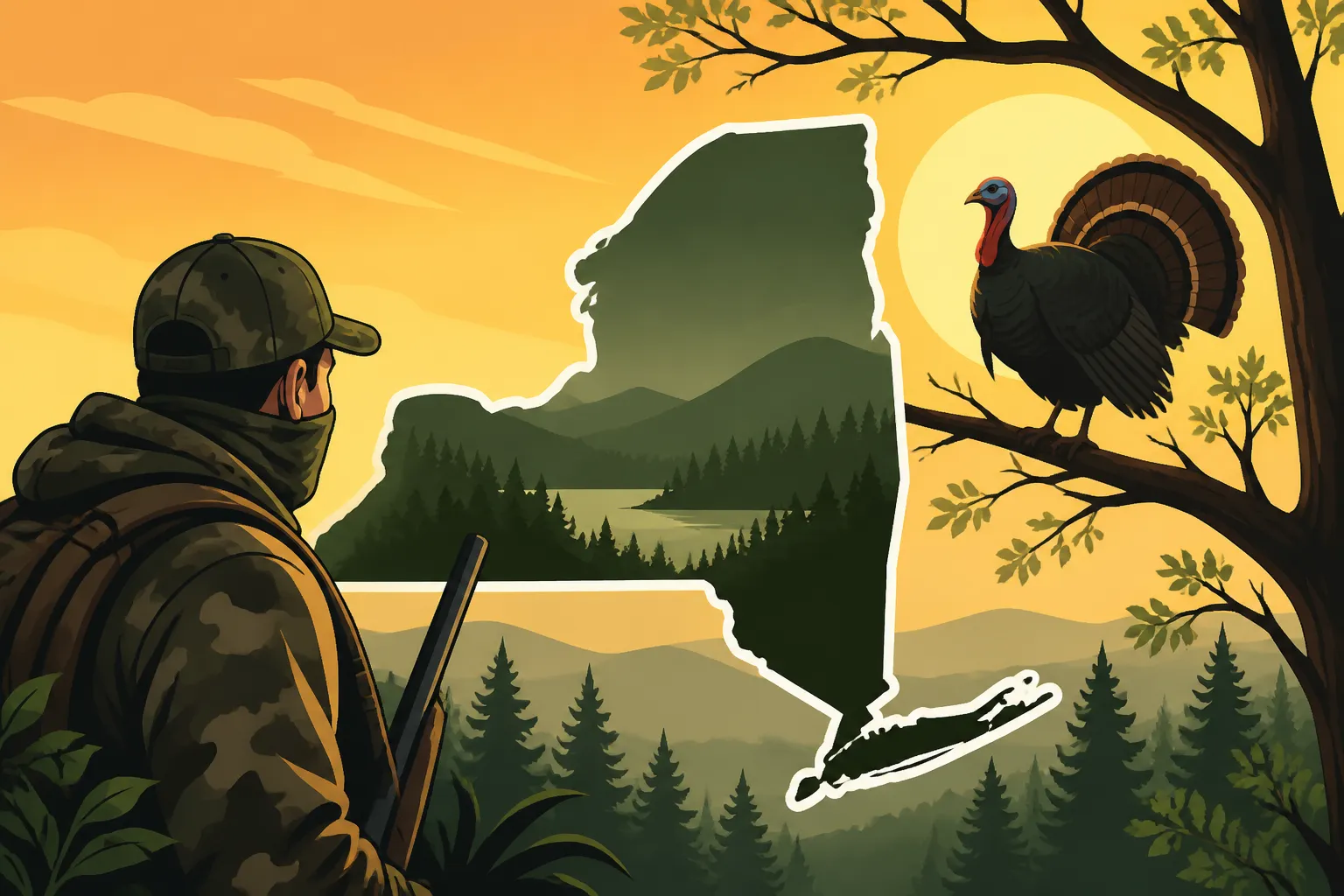
There's nothing quite like the early morning thrill of a gobbler hammering from the roost, letting the whole world know he's king of his domain. But let's be honest, getting close enough to one of these wary New York birds before they fly down, without bumping them or getting busted, feels like a dark art sometimes. This guide is all about demystifying that challenge, helping you understand turkey roosting habits and giving you the tactics to successfully hunt those New York gobblers right where they wake up.
Understanding Gobbler Roosting Behavior in New York
Before you can even think about calling a gobbler off the limb, you need to understand why they choose certain trees and locations to spend the night. It's not random; it's a matter of survival, and once you grasp their motivations, you'll be much better equipped to find them.
Why Turkeys Roost in Specific Areas
Turkeys, especially the adult gobblers we're after, are incredibly vulnerable at night. Ground predators like coyotes, foxes, bobcats, and even black bears are always on the prowl in New York's diverse habitats. Because of this constant threat, turkeys seek safety in elevation. They fly up into the tallest, most secure trees they can find at dusk and fly down at dawn. Their primary goal is to be out of reach of these nocturnal hunters.
Beyond just elevation, they're looking for areas that offer a sense of security and a clear escape route. Often, this means roosting on ridge tops, along steep hillsides in the Catskills or Adirondacks, or even on points overlooking river bottoms in the Southern Tier. These elevated positions give them a better vantage point, allowing them to spot potential threats both as they fly up and as they prepare to fly down. They'll choose trees that are sturdy and provide good cover from above, but also allow them to scan the ground below.
Ideal Roost Tree Characteristics
When you're trying to locate a gobbler's bedroom, you'll want to think like a turkey. They favor trees that offer strong, horizontal limbs large enough to support their weight comfortably. In many parts of New York, especially the more heavily forested regions, this often means mature conifers like white pine, hemlock, or even some of the larger spruces. These trees typically retain their lower limbs, providing more concealment than, say, a bare oak.
However, they'll just as readily roost in mature hardwoods, especially large oaks or maples, if the limbs are substantial and the understory is open enough for a clear flight path. The key is size and strength. A turkey wants a stable platform. They also tend to prefer trees that are somewhat isolated or stand a bit taller than the surrounding timber, giving them that extra margin of safety and a better view. You'll often find multiple turkeys roosting in the same cluster of trees or even the same tree, especially younger birds or hens.
Seasonal Roosting Patterns and Weather Impact
Turkey roosting habits aren't static; they shift with the seasons and the weather. Early in New York's spring turkey season, birds might be more consistent in their roosting locations as they establish breeding territories. As the breeding cycle progresses, and hens begin to nest, gobblers might become a bit more nomadic, seeking out any available hen. Later in the season, after many hens are bred, gobblers can become less predictable, sometimes roosting alone or in bachelor groups.
Weather also plays a huge role. On calm, clear mornings, turkeys are much more likely to gobble frequently from the roost, making them easier to locate. A good, still morning after a rainy night can be dynamite. However, high winds can make gobblers hesitant to call, as the wind carries sound away and makes it harder for them to hear. Rain or cold temperatures can also dampen their enthusiasm for gobbling, forcing you to rely more on pre-season scouting or careful listening for soft tree yelps and wing beats. Knowing when to expect more activity, and when to be extra quiet and observant, is crucial for success.
Pre-Season Scouting for New York Roosts
The old adage "you can't kill a gobbler from the couch" is never truer than when it comes to roost hunting. The more time you put in before the season, the higher your chances of knowing exactly where those birds are spending the night. Pre-season scouting is your secret weapon.
Topographic Map and Aerial Imagery Analysis
Before you even step foot in the woods, the best place to start your scouting is from your computer or phone. Modern mapping applications are invaluable tools for identifying potential roosting spots. Programs like GoHunt or the New York DEC's own Scouting With the New York HuntFishNY App allow you to pore over topographic maps and high-resolution aerial imagery. Look for specific features: steep ridge lines that drop off into creek bottoms, finger ridges extending into fields, points of land along river bends, or even isolated stands of mature timber.
Turkeys often prefer to fly up to roost from a slightly lower elevation, gaining momentum. They'll typically fly to a higher spot on a ridge for security. So, pinpoint areas with dramatic elevation changes near potential food sources like agricultural fields, mast-producing hardwoods, or even open clearings. Look for dense pockets of conifers, particularly large pines or hemlocks, which offer excellent roosting cover. Mark these potential spots on your map; they're your starting points for on-the-ground investigation.
Listening for Roost Calls Before the Season Opens
Once you've identified potential roosting areas on your maps, it's time to put boots on the ground – or at least ears on the ground. The most effective way to confirm a roost is to listen for gobbling during the weeks leading up to the season. The best times are just before sunrise and right at sunset. Drive slowly along roads that border public land or accessible private parcels, stopping frequently in quiet spots to listen.
Use a locator call—an owl hooter or a crow call works wonders—to try and provoke a shock gobble. The sound of an owl or crow can often get a territorial tom to sound off from his roost. Be very quiet and patient after calling; sometimes it takes a minute for them to respond. If you get a gobble, mark the location on your map. Even if it's still pitch black, knowing the general direction and distance of a gobble can give you a massive advantage come opening day. Try to triangulate the sound if you can, by listening from a couple of different spots.
Interpreting Droppings and Sign Around Roost Areas
Besides listening, visual cues can confirm a roost location. During your pre-season hikes or while listening for gobblers, keep your eyes peeled for telltale signs on the ground. Turkeys, like all birds, defecate throughout the night. If you find significant piles of turkey droppings beneath a cluster of large trees, especially if the droppings are fresh (soft, dark, and moist), you've likely found a roost.
Look for other signs too: scattered feathers, particularly large primary wing feathers, indicate flight activity. Scratched earth or even worn paths leading up to a specific area could suggest consistent use. Gobbler droppings are typically J-shaped or coiled, while hen droppings are more blob-like. Finding gobbler droppings is a strong indicator of a tom's preferred nightly hangout. Remember to pay attention to the freshness of the sign. You want to find an active roost, not one that was last used a month ago.
Executing the Roost Hunt: Morning Tactics
You've done your homework, found a roost, and the morning of the hunt has arrived. This is where execution is everything. Getting from your truck to your setup spot without alerting a gobbler requires precision and patience.
The Art of the Silent Approach
The alarm goes off, and it's still hours before sunrise. You’re fueled by coffee and anticipation. This is the most critical phase of a roost hunt: the silent approach. You need to get to your setup location undetected. This means parking well away from where you expect the birds to be, preferably where your vehicle won't be seen or heard by anyone else, let alone a gobbler.
Walk slowly, deliberately, and quietly in the dark. Use a headlamp with a red-light filter to preserve your night vision and minimize your visibility. Red light is less disruptive to wildlife and your own eyes. Stick to well-worn paths or open timber if possible to avoid snapping twigs or rustling leaves. If you're hunting in the steep terrain of the Catskills, choose your Entry Routes on Steep Catskill Ground carefully to avoid unnecessary noise. Every step matters. Avoid talking, chewing, or making any unnecessary sounds. The goal is to arrive at your chosen spot well before the first hint of grey light begins to break the eastern horizon.
Strategic Setup Before Fly-Down
Once you're close to the roost, within 100-150 yards if possible, it's time to select your exact setup location. This needs to be done quickly and quietly in the dark. You want a spot with good cover behind you – a large tree, a thick bush, or a rise in the terrain – to break up your silhouette. Think about your sight lines and potential shot opportunities. Can you see where you expect the bird to fly down? Are there any obstacles in your way?
Consider a position slightly uphill from the roost tree, if possible. This gives you a natural advantage, as turkeys often prefer to fly down and strut slightly downhill. If using a decoy, like a single hen or a jake, set it out quietly. A good spot for a decoy is where it will be visible to the gobbler as he flies down, but not so close that it draws his full attention away from your calling. Your goal is to be completely set up and motionless at least 30 minutes before first light, ready for the first gobble. A comfortable spot, perhaps using a specialized Turkey Vests With a Kickstand Seat, can make a long wait much more bearable.
Calling Strategies for Roosted Gobblers
As the woods begin to awaken, you'll likely hear the first sleepy tree yelps and perhaps even a muffled gobble. Now is not the time for aggressive calling. Start with very soft, subtle calls. A few soft tree yelps, clucks, or purrs on a mouth call or slate call are usually enough to let the gobbler know there's a hen in the area. You're not trying to bring him in while he's still in the tree; you're simply building anticipation.
Listen closely to his responses. If he gobbles hard at your soft calls, he's interested. If he doesn't respond, don't overcall. Let him do the talking for a bit. As light increases and it gets closer to fly-down time, you can gradually increase the volume and urgency of your calls. A well-timed series of excited yelps as he's preparing to fly down can sometimes seal the deal, encouraging him to fly directly towards your position. Remember to practice Calling a New York Gobbler Off the Roost before the season to perfect your technique.
Mid-Morning and Later Day Roost Hunting Adjustments
Not every roost hunt goes according to plan. Sometimes, the gobbler has other ideas, flying down in the opposite direction or staying put when you expect him to come running. Knowing how to adapt is key to salvaging the hunt.
When Birds Fly Down Away From You
It's the scenario every turkey hunter dreads: the gobbler flies down, but instead of heading your way, he sails off the limb and lands a few hundred yards in the opposite direction. Don't panic. Your first instinct might be to jump up and run after him, but that's often a mistake, especially on New York's pressured public lands.
Sometimes, the best strategy is to stay put for a while. Continue with some soft calling. If he responds from his new location, it tells you he's still interested, just not committed to your immediate position. He might be waiting for the "hen" to come to him, or he might have already joined up with real hens. If you can, circle around carefully, using terrain features or thick cover to conceal your movement. The goal is to get back in front of him, or at least cut off his travel route, without letting him see you. This requires immense patience and knowing when a move is warranted versus when you should just wait him out.
Post-Fly Down Calling and Decoy Play
Once a gobbler is on the ground, your calling strategy can change dramatically. If he's already flown down and is gobbling but holding his distance, you can start to increase the volume and intensity of your calls. Sharp cuts, excited yelps, and continuous clucks and purrs can often convince a hesitant gobbler that a hot hen is waiting. Sometimes, adding a strutting tom or jake decoy to your spread can be the final piece of the puzzle, especially if the gobbler sees it and views it as a challenge.
The visual of a rival male or an available hen can trigger his competitive instincts. However, be cautious with multiple decoys or aggressive setups on heavily pressured public land; sometimes less is more. Watch the gobbler's body language closely. If he's strutting and fanning, he's displaying. If he's walking away, you need to adjust. Knowing how to Setting Up Against a Big Oak near a field edge, and positioning your decoys just right, can make all the difference.
Adapting to Pressure and Wary Gobblers
New York's public land, from the Southern Tier to the Adirondacks, can see significant hunting pressure, especially on opening weekend. This pressure can quickly make gobblers wary and call-shy. If you're consistently getting responses but birds are hanging up or refusing to commit, it's time to adapt. A good starting point is to practice Run-and-Gun Turkey Tactics on Public Land by moving frequently and covering ground.
Sometimes, the best approach for a wary gobbler is to call less and listen more. Let him gobble, and only respond with soft clucks or purrs to let him know you're still there. Try to get ahead of his travel path and ambush him silently, or only with minimal calling. Utilize the terrain to your advantage, slipping around ridges or through thick cover to get into a more favorable position. Remember that When New York Gobblers Go Quiet, it's often a sign that they've been pressured, and a subtle approach is often your best bet.
Essential Gear for New York Roost Hunting
Having the right gear won't guarantee a gobbler, but it sure makes the pursuit more enjoyable and effective. From calls to clothing, every piece plays a role in your success.
Calls and Decoys for Success
When it comes to calls, variety is your friend. You'll want a reliable friction call, like a slate or glass call, which is excellent for soft tree yelps, clucks, and purrs, but can also be used for louder yelps once birds are on the ground. A box call is fantastic for quick, loud yelps and cuts, especially on windy days, but can be a bit bulky to carry. Then there are mouth calls (diaphragm calls), which allow for hands-free calling, crucial when you're shouldering your shotgun. Having a few different cuts and reeds in your mouth call arsenal is smart, as some days birds respond better to certain tones. For example, a crisp two-reed might work better than a raspy three-reed depending on the bird's mood. You can learn more about the pros and cons in this guide on Box Calls Versus Mouth Calls.
Don't forget locator calls – an owl hoot or crow call is essential for getting those shock gobbles from the roost. For decoys, a simple collapsible hen decoy is often all you need for roost hunting. Some hunters also like to carry a jake decoy, which can sometimes draw in a dominant gobbler looking for a fight. However, remember to keep decoys minimal and quiet when transporting them, especially in the dark.
Optics and Mapping Tools
A good pair of binoculars is incredibly useful for scanning the woods at first light, confirming a gobbler's position after he flies down, or spotting other turkeys moving through the timber. Even an 8×42 or 10×42 pair can make a difference. A rangefinder is also a must-have for confirming distances to potential shot zones, especially when setting up in unfamiliar territory or on irregular terrain.
For navigation, a reliable GPS unit or a smartphone with a robust mapping app like GoHunt is indispensable. Make sure you download offline maps of your hunting area, as cell service can be spotty in many of New York's remote regions. These tools help you confidently navigate in the dark, mark roost locations, and find your way back to your vehicle. For more on navigating with tech, check out GPS Units Versus Phone Apps.
Clothing and Comfort Considerations
New York spring mornings can be downright chilly, but by midday, temperatures can often climb significantly. Layering your clothing is the key to comfort and stealth. Start with a good base layer that wicks moisture, add an insulating layer like fleece or wool, and finish with a quiet, camouflage outer layer. Wool is particularly effective for warmth and quiet movement, even when damp.
Good, waterproof hunting boots are essential, especially when walking through dew-laden fields or damp woods in the pre-dawn darkness. Nothing ruins a hunt faster than cold, wet feet. Consider a lightweight pack to carry your calls, water, snacks, extra layers, and your headlamp. A comfortable vest with a built-in seat cushion can also make long sits more tolerable, helping you stay still and focused.
Common Roost Hunting Mistakes and How to Avoid Them
Even seasoned hunters make mistakes, especially when turkey hunting. Roost hunting presents its own unique set of challenges, and avoiding common pitfalls can significantly increase your success rate.
Bumping Birds Off the Roost
This is perhaps the most frustrating and common mistake in roost hunting. You've done all the scouting, woken up hours early, and silently made your approach, only to hear a flurry of wing beats and a few alarmed "putts" as the gobbler flies off his limb before legal shooting light, because you got too close, made too much noise, or were spotted in the dark. Once you bump a bird off the roost, especially a mature tom, your chances of harvesting him that morning plummet. He'll often fly a considerable distance and will be extremely wary.
To avoid this, be fanatical about stealth. Get to your setup location earlier than you think you need to. Give yourself ample time to walk slowly, navigate quietly, and get settled without rushing. Err on the side of being too far from the roost tree initially, say 150-200 yards, rather than pushing in too close. You can always try to move closer later if the situation allows. Trust your mapping app and your pre-season scouting to pinpoint exactly where you need to be.
Over-Calling or Inappropriate Calling
Another common misstep is over-calling, especially when a gobbler is still on the roost. It's tempting to get into a "gobble-off" with a vocal tom, but constantly hammering at him can actually make him suspicious or make him wait for you to come to him. Remember, you're trying to sound like a natural hen. Hens don't typically cackle incessantly at a gobbler from the roost.
Before fly-down, use soft, subtle clucks, purrs, and tree yelps. Don't be afraid of silence. Let the gobbler do most of the calling. Listen to his tone and rhythm. If he's gobbling consistently, a few soft calls every 5-10 minutes are often sufficient to keep him interested. Once he's on the ground, you can become more aggressive with your calling, but always read the bird. If he starts to hang up or walks away, ease off the calls. Understanding When New York Gobblers Go Quiet after too much calling can save your hunt.
Poor Setup Location
You can call perfectly, and the gobbler can be hot, but if your setup location is flawed, the hunt can still fall apart. A poor setup can mean several things: being "sky-lighted" on a ridge where the gobbler can see your silhouette against the dawn sky, having no clear shooting lanes, lacking adequate cover to break up your outline, or simply being too far or too close to where the bird is likely to fly down.
Always consider the gobbler's likely fly-down path and where he'll land. Turkeys often fly down into an open area, or to a slightly lower elevation to strut. Position yourself so you have a clear, unobstructed shot, ideally with your back against a large tree or dense brush for concealment. Pay attention to the wind direction; turkeys have an excellent sense of smell. Make sure you can comfortably shoulder your shotgun or bow without making excessive noise or movement. Taking an extra minute or two to find the absolute best setup spot, even in the dark, is always time well spent.
| Calling Phase | Strategy Focus | Recommended Calls | Purpose | Common Mistakes to Avoid |
|---|---|---|---|---|
| Pre-Fly Down | Soft & Subtle | Soft Tree Yelps, Clucks, Purrs (mouth, slate) | Announce presence; build anticipation without aggression. | Over-calling, loud calling, calling too often. |
| At Fly-Down | Slightly More Urgent | Excited Yelp Sequence, Clucks (mouth, slate) | Encourage bird to fly towards your position. | Calling before gobbler is actively preparing to fly down. |
| Post-Fly Down | Match Bird's Temperament | Yelp Series (soft to aggressive), Cuts, Clucks (all calls) | Draw bird in, provoke a challenge (with jake decoy). | Calling too aggressively too soon, not reading body language. |
| Silent Periods | Locator Calls (pre-season/early morning) | Owl Hooter, Crow Call | Elicit shock gobbles to pinpoint roost location. | Calling too close, over-using locator calls on public land. |
Disclaimer
The information provided in this guide is for informational purposes only. Hunting regulations and seasons in New York State can change. It is your responsibility to review and understand all current New York State Department of Environmental Conservation (DEC) hunting regulations before heading afield. Always prioritize safety, ethical hunting practices, and respect for wildlife and private landowners.