Filling a Limited-WMU DMP Before October 1
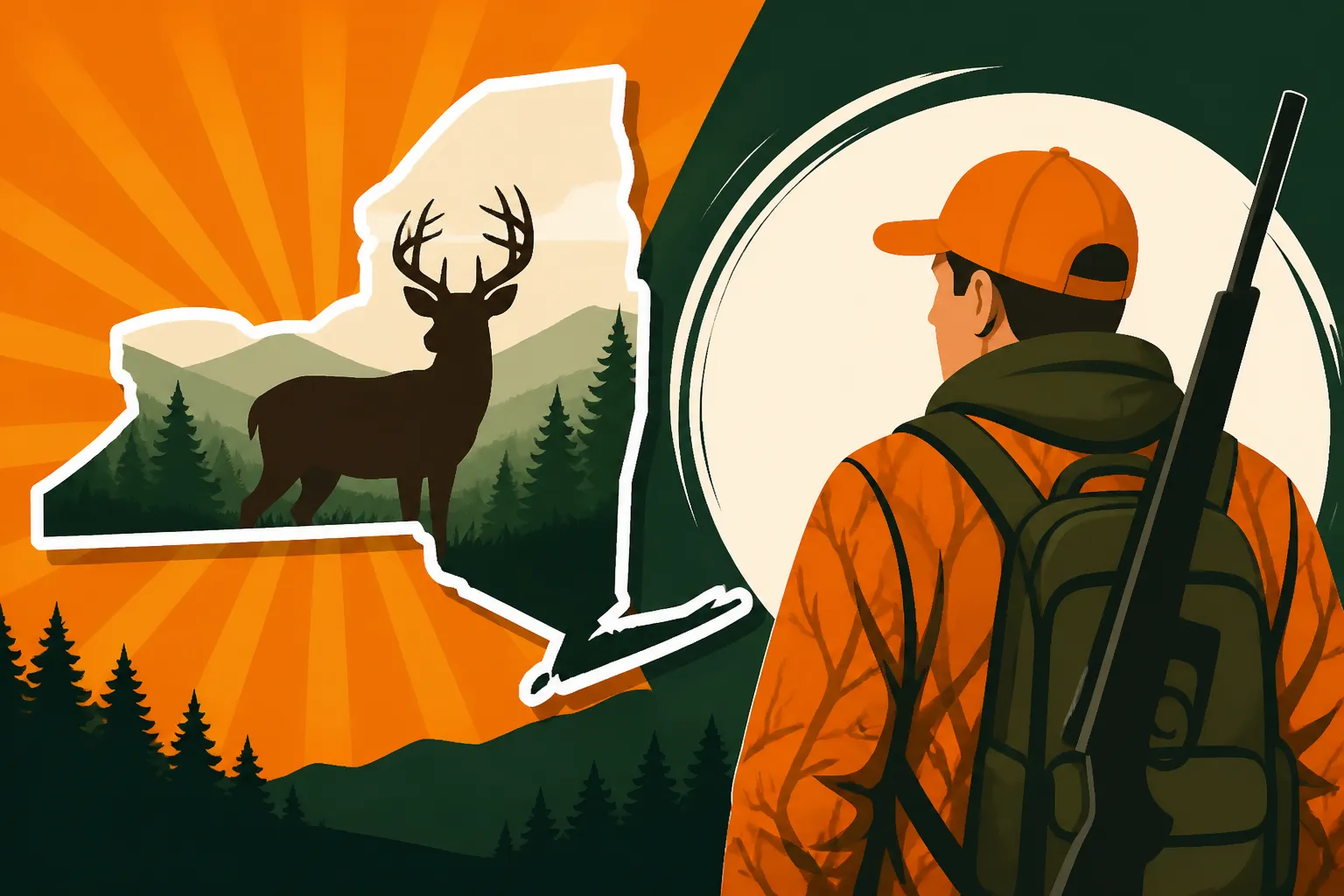
There's a unique kind of pressure that comes with holding a Deer Management Permit (DMP) for a limited Wildlife Management Unit (WMU) here in New York, especially when you know that October 1st deadline is looming. Many hunters find themselves scrambling, feeling like they're in a race against the calendar to fill that antlerless tag before opportunities dwindle or rules shift. This guide is all about tackling that specific challenge, breaking down the strategies and tactics you can employ to make the most of those crucial early season weeks and punch your tag successfully.
The Urgency of Limited-WMU DMPs Before October 1
If you've ever drawn a DMP for one of New York's limited WMUs, you know the feeling. It's a golden ticket, a chance to harvest an antlerless deer, but it often comes with a specific timeframe attached. Understanding why this October 1st deadline exists and the unique conditions it imposes on your hunt is the first step to developing a successful strategy.
Understanding Limited-WMU DMPs and Their Rules
New York's Deer Management Permits are a vital tool for managing our state's deer population, allowing hunters to harvest antlerless deer in specific WMUs to keep the herd in balance with available habitat. While some WMUs offer "unlimited" DMPs, meaning you can often pick them up over the counter throughout much of the season, others are classified as "limited." These limited WMUs have a set quota of DMPs, and once that quota is met, no more are issued. The critical point for many of these permits is that they are often only valid for the harvest of antlerless deer during the early portion of the archery season, specifically expiring on September 30th in many Southern Zone WMUs. This means that if you draw one of these DMPs, you have a finite window, typically just the first two to three weeks of the bow season, to make it count. It creates a high-stakes scenario where every scouting trip and every sit in the stand carries extra weight. You can learn more about these permits by reading our comprehensive guide on New York Deer Management Permits Explained.
Why the October 1st Deadline Matters
The October 1st deadline is a hard cutoff for many limited-WMU DMPs, primarily because it marks a transition point in the hunting calendar and deer behavior. As we move into October, deer patterns can begin to shift as acorns fall more heavily, crops are harvested, and the pre-rut influence starts to subtly kick in. More importantly, it’s a strategic decision by the DEC to allow for specific management goals to be met before the regular firearm seasons truly get underway. For the hunter, it means that come October 1st, that specific antlerless opportunity is gone if you haven't capitalized on it. This puts immense pressure on those initial weeks of the archery season. You might be juggling work, family commitments, and other responsibilities, all while trying to squeeze in enough time afield to fill that tag. It's not just about finding a deer; it's about finding the right deer within a very specific and often short window. The feeling of missing that deadline because you waited too long or didn't put in the early effort can be incredibly frustrating.
Mastering Early Season Scouting for Success
To fill a limited-WMU DMP before October 1st, you can't just stumble into the woods on opening day and hope for the best. Early season success is built on meticulous scouting, understanding current food sources, and knowing how deer are moving in response to them.
Pre-Season Reconnaissance and E-Scouting
The work for an early-season DMP starts long before the season opener. Pre-season scouting is paramount. I'm talking about getting out there in late summer and early fall, walking your hunting areas, and looking for fresh sign. But before you even lace up your boots, modern tools can give you a significant advantage. E-scouting, using satellite imagery and topographic maps, allows you to identify potential hotspots from the comfort of your home. Platforms like GoHunt are incredibly useful for this, letting you mark probable food sources, bedding areas, and travel corridors. Look for mature oak stands, abandoned apple orchards, active agricultural fields (especially soybeans or alfalfa), and even plots of soft mast like wild grapes or black elderberries. These aerial views help you pinpoint bottlenecks, funnels between different habitat types, and areas of dense cover where deer might feel secure transitioning to and from feeding. You can also identify potential entry and exit routes that minimize disturbance, which is crucial for early-season deer that are still in their summer patterns and highly susceptible to pressure. Check out our detailed article on Scouting New York Public Land Before Season for more tips on finding these spots.
Locating Current Food Sources and Their Importance
In early archery season, deer are largely driven by food. Their summer patterns are still very much in play, meaning they're hitting reliable food sources to pack on calories for the upcoming rut and winter. Your scouting efforts should heavily focus on identifying these current, preferred food sources.
- Acorns: White oaks are often the first to drop, and deer will hammer them. Red oaks follow later, providing a crucial late-season food source, but early-dropping white oaks are gold. Walk through oak stands, especially on ridges and benches, and look for fresh droppings, disturbed leaves, and even deer actively feeding.
- Soft Mast: Wild apples, pears, and various berries are highly attractive. These often grow on old farmsteads, field edges, or along utility lines. A productive apple tree, even a single one, can concentrate deer.
- Agricultural Fields: Corn, soybeans, and alfalfa are major drawcards. Deer will often bed in cover nearby and travel to these fields at dawn and dusk. Pay attention to how the farmers are managing their fields; a recently cut hayfield can be a magnet, as can standing corn.
- Browse: While not as flashy as mast or agriculture, deer are always browsing. Look for areas with young, succulent growth, especially in recent clear-cuts or areas where sunlight penetrates the canopy.
It's critical to understand that these food sources can change week by week. What was hot last week might be ignored this week because another food source became available or was depleted. A tool like GoHunt can help you visualize land features that might indicate these types of food sources, even letting you mark potential spots on your map to check out in person. Regular scouting, even if it's just a quick drive-by or a walk through a new area, is essential to stay on top of deer movements.
Pinpointing Bedding Areas and Transition Zones
Once you've identified the primary food sources, the next step is to find where deer are bedding and how they're getting to and from those feeding areas. Early season deer, especially does and fawns (which are your target for a DMP), are often predictable in their movements between bedding and food.
- Bedding Areas: Look for dense cover adjacent to food sources. This could be thick conifer stands, brushy clear-cuts, steep ravines, or even just a thicket of multiflora rose on a field edge. Fresh beds, often visible in softer ground or tall grass, will tell you deer are using these spots. Look for areas with good wind advantage where deer can smell danger approaching and enough thermal cover to stay comfortable.
- Transition Zones: These are the paths deer take between bedding and feeding. They might be subtle trails along a ridge, through a thin strip of woods separating two fields, or along the edge of a swamp. Look for rubs and scrapes, though early season scrapes might not be as active or abundant as they will be during the rut. Fresh tracks and droppings are your best indicators of consistent use.
- Water Sources: Don't forget water. While not always a primary driver like food, a reliable water source can be a key component of a deer's daily pattern, especially on warmer early season days. Secluded ponds, slow-moving creeks, or even seeps in ravines can be excellent spots to intercept deer.
By connecting these dots – food, water, bedding, and the travel lanes between them – you can start to form a picture of where and when to set up your stand or ground blind. Remember, you're looking for predictable movement patterns that allow for a high-percentage shot opportunity before that October 1st deadline. Understanding Reading Aerial Photos for Southern Tier Deer can be extremely helpful in this process.
Effective Hunting Strategies for September Deer
With your scouting complete and a good understanding of deer movement, it's time to put those observations into action. Early season deer, particularly antlerless deer, require a slightly different approach than the rutting bucks of November.
Strategic Stand and Blind Placement
Your setup needs to be executed flawlessly. Deer are still relatively unpressured but also very alert.
- Transition Area Stands: This is often the bread and butter of early season hunting. Set your stand up in a funnel or pinch point between a known bedding area and a preferred food source. Deer will often follow the path of least resistance or the most concealed route. These funnels could be a narrow strip of woods between two open fields, a saddle on a ridge, or a thick hedgerow.
- Field Edge/Food Plot Setups: If deer are regularly hitting an agricultural field or a food plot, setting up on the downwind side is a classic strategy. However, be mindful of your entry and exit. You want to be able to get in and out without spooking deer in the field. This might mean setting up further back in the timber, catching deer as they enter or leave, or using natural terrain features for concealment.
- Waterhole Ambushes: On warm, dry early season days, a secluded water source can be a goldmine. Deer often hit water after feeding or when moving from bedding. A small, out-of-the-way pond or a bend in a creek that offers good cover can provide excellent close-range opportunities.
- Ground Blinds: Don't underestimate the power of a good ground blind, especially on public land where permanent stands might be restricted, or in areas where suitable trees for treestands are scarce. A well-brushed-in blind offers excellent concealment and scent containment. You might find our advice on Using a Ground Blind on New York Public Land useful here.
Always consider the wind. This cannot be stressed enough. Early season deer are not distracted by the rut, and a whiff of human scent will send them packing. Position yourself so your scent is blowing away from expected deer travel routes.
Morning Versus Evening Hunting Patterns
Deer patterns in early season can be quite distinct between mornings and evenings.
- Evening Hunts: These are often more productive for targeting specific feeding areas. Deer will typically leave their bedding areas in the late afternoon, slowly making their way to food. Setting up along a transition route or on the edge of a food source can be highly effective. The key is to get in early, settle in, and remain absolutely still as the woods come alive.
- Morning Hunts: Morning hunts can be trickier. Deer are often already on their food sources at first light or making their way back to bedding. Your entry needs to be incredibly quiet and carefully planned to avoid spooking deer already in the area. Setting up between a food source and a bedding area, anticipating their return route, can work, but it carries a higher risk of disturbance. I've had success ambushing deer returning to bedding from a distant field, but it requires knowing their exact route. Sometimes, a careful still-hunt can be productive in the mornings, moving slowly through known bedding areas or thick cover after they've settled in.
Scent Control, Stealth, and Patience
These are non-negotiables for early season success.
- Scent Control: Take every precaution. Shower with unscented soap, wash your hunting clothes in scent-free detergent, and store them in airtight containers. Use scent-eliminating sprays on your clothes and gear. Play the wind religiously. Even a slight thermal shift can carry your scent further than you think.
- Stealth: Move quietly. The woods are still full of leaves and twigs that can crunch underfoot. Take your time getting to your stand or blind. Avoid breaking branches or making unnecessary noise. Early season foliage offers good visual concealment, so use it to your advantage.
- Patience: This is perhaps the hardest part. You might not see deer every sit. The early season can be hot, buggy, and slow. But the deer are there. Remain vigilant, minimize movement, and trust your scouting. If your setup is good, a deer will eventually come through. The window is short, so consistency and persistence, even through quiet sits, will pay off. For instance, sometimes Hunting a Standing Cornfield in Farm Country requires immense patience, waiting for deer to emerge from the dense cover.
Navigating Pressure and Maximizing Your Chances
The clock is ticking on that limited-WMU DMP. While you're feeling the pressure, so are other hunters. Understanding how to mitigate pressure and make the most of every opportunity is crucial.
Public Land Considerations and Hunter Crowds
If you're hunting public land, especially in a popular Southern Zone WMU, you're going to encounter other hunters. The first few days of archery season can feel like a small army has descended on the woods, creating significant pressure.
- Go Deeper: The further you're willing to walk from a parking area or access point, the less competition you'll generally find. Many hunters stick to easy-access areas. Use mapping tools like GoHunt to identify potential spots that are a mile or more from the nearest road. These "tough to get to" areas often hold unpressured deer.
- Hunt Mid-Week: If your schedule allows, hunting on Tuesday, Wednesday, or Thursday can drastically reduce human presence compared to opening weekend or subsequent Saturdays.
- Embrace the Thicket: Deer that have been bumped by other hunters will often seek refuge in the densest, nastiest cover they can find. These thickets, brier patches, or impenetrable conifer stands might not look inviting, but they can hold mature deer looking for peace. A well-placed ground blind or a patient still-hunt through these areas can be surprisingly effective.
Remember that deer quickly learn to avoid areas with heavy human activity. Being aware of where other hunters are and predicting how deer will react to that pressure can give you a significant edge. Knowing how to deal with Opening Weekend Crowds in the Southern Zone can be a game-changer.
Adapting to Weather Patterns and Their Impact
Weather plays a huge role in early season deer movement, perhaps even more so than later in the year when the rut is driving things.
- Warm Weather: Early September can still feel like summer. High temperatures often mean deer will move primarily during the cooler parts of the day – very early morning and late evening, often right at last light. During warmer periods, they might bed down early and stay put longer. Focus on water sources during warm, dry spells.
- Cool Fronts: A cold front sweeping through, especially one that brings a significant drop in temperature and perhaps some rain, can be a deer hunter's best friend. Deer often become much more active and will move more freely and for longer durations. Plan your hunt around these fronts if possible.
- Rain: Light, steady rain can sometimes improve deer movement as it dampens sound, making them feel more secure. Heavy downpours, however, will usually send them to thick cover. Hunting immediately after a light rain, when everything is wet and quiet, can be highly productive.
Keep a close eye on the forecast and adjust your hunting times and locations accordingly. A successful hunter is an adaptable hunter.
The Mindset of Patience and Persistence
Filling a limited-WMU DMP before October 1st is often less about luck and more about effort and mindset.
- Be Patient: Don't get discouraged if you have a few slow hunts. Early season hunting can be tough, but the deer are there. Stick to your plan, trust your scouting, and maintain your vigilance. Rushing shots or making hasty decisions out of desperation will usually lead to disappointment.
- Be Persistent: The more time you spend in the woods, the higher your chances. Even if it's just a couple of hours after work, those brief sits can be when everything comes together. Each sit is a learning opportunity, refining your understanding of deer movement in your specific area.
- Stay Positive: It’s easy to get down when the hunting is slow, especially with a deadline looming. But a positive attitude helps you stay sharp and focused. Remind yourself that you're out enjoying New York's beautiful wilderness, and every moment is part of the experience.
Remember, the goal is to punch that antlerless tag responsibly and ethically. With diligent scouting, smart stand placement, unwavering scent control, and a patient, persistent attitude, you can absolutely fill your limited-WMU DMP before October 1st and enjoy some delicious venison.
Early Season Antlerless Deer Hunting Considerations
| Factor | Description | Early Season Implications |
|---|---|---|
| Food Sources | Dominant attractants like acorns, soft mast, and agricultural crops. | Deer are highly focused on these, making them predictable. Scout fresh drops and active fields. |
| Deer Behavior | Still in summer patterns, less pressured, largely nocturnal or crepuscular. | Highly sensitive to human scent and movement. Focus on low-impact entry/exit routes. |
| Weather | Can be warm, humid, or experience sharp cold fronts. | Warm temps push activity to dawn/dusk; cold fronts can trigger increased daytime movement. |
| Pressure | Potentially high on public land, especially opening weekend. | Seek out unpressured areas; hunt mid-week; walk further from access points. |
| Scent Control | Crucial due to deer's reliance on smell and lack of rut distraction. | Maximize all scent control measures; play the wind meticulously. |
| Stand Placement | Focus on transition zones between bedding and primary food sources, water. | Ambush points are key. Avoid placing stands directly over bedding areas to prevent disturbing deer. |
Conclusion
Filling a limited-WMU DMP before October 1st in New York isn't just about getting lucky; it's about smart planning, dedicated effort, and a deep understanding of early-season deer behavior. By committing to thorough pre-season scouting, leveraging tools like GoHunt, focusing on current food sources and transition zones, and executing your hunts with meticulous scent control and patience, you dramatically increase your odds. Embrace the challenge, adapt to the conditions, and enjoy the satisfaction of tagging out early, knowing you've earned that venison through skill and persistence.
Disclaimer
Please note that hunting regulations, seasons, and permit requirements in New York can change. Always consult the most current New York State Department of Environmental Conservation (DEC) hunting regulations guide before heading afield. This content is for informational purposes only and does not constitute legal advice.