Flushing Grouse Without a Dog
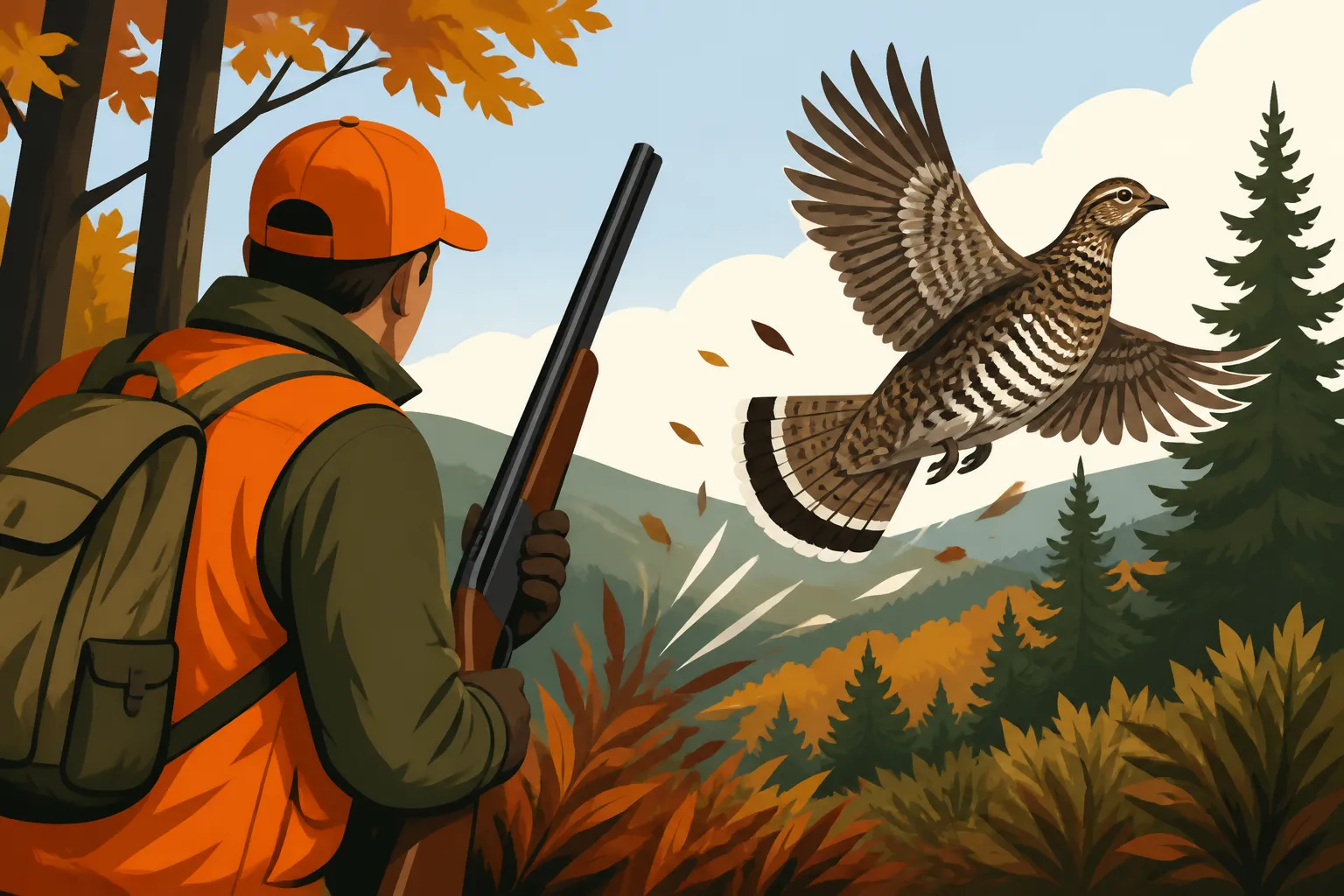
The distinct whirring flush of a ruffed grouse is one of the most heart-stopping sounds in the New York woods. For many, that sound is intrinsically linked to the bell of a pointing dog. But what if you don't have a canine partner? Many of us find ourselves wanting to chase these incredible upland birds, but the thought of trying to flush them from dense cover without a dog feels like an impossible task. This guide is here to tell you it's not only possible but incredibly rewarding, and we’ll dive into strategies to help you put more New York grouse in your vest.
Understanding Ruffed Grouse Behavior in New York
Before you can effectively flush a grouse without a dog, you need to understand where they live, what they eat, and how they move. New York's ruffed grouse population, while facing some challenges, still provides incredible hunting opportunities, especially in well-managed habitats. Knowing their preferences is your first and best scouting tool.
Preferred Habitats and Cover Types
Ruffed grouse are creatures of transitional habitat, thriving where different forest types meet, or where young, dense growth provides both food and cover. In New York, this often means areas with a mix of deciduous and coniferous trees, particularly where aspen, birch, cherry, and beech are present. You’ll frequently find them in thick, young forest stands that have regenerated after a timber harvest or a natural disturbance. Think about those areas where the saplings are so thick you can barely push through them – that’s often prime grouse territory.
They particularly love dense undergrowth for security from predators, like tangled alder swamps, hawthorn thickets, or areas with dense multiflora rose if you're hunting in milder parts of the state. These thickets provide excellent escape cover and thermal protection, especially during harsh upstate winters. Look for these areas adjacent to mature timber, as they'll often venture out into slightly more open woods to feed on buds and catkins. Knowing how old a cut should be for grouse is key; generally, regeneration between 5 and 20 years old is the sweet spot. When you're scouting, keep your eyes peeled for those distinct "grouse woods" that just scream birds.
Daily and Seasonal Movement Patterns
Grouse are not static birds; their movements are dictated by food availability, weather, and predator pressure. In the early morning and late afternoon, they'll often be found foraging on the ground for insects, berries, and green vegetation, or budding on trees. During the middle of the day, especially on sunny but cold days, they might be dusting in a patch of dirt or loafing in thick cover, conserving energy. On rainy or windy days, they tend to hunker down even deeper into the densest cover available, making them incredibly difficult to flush.
Seasonally, their habits shift dramatically. In early fall, they might still be found along brushy field edges, eating insects and soft mast. As the season progresses and leaves begin to fall, they'll gravitate towards areas with more persistent cover, such as evergreen stands or dense alder runs, and rely more on tree buds for sustenance. Understanding these shifts can help you target your efforts more effectively. For instance, knowing when woodcock migrate through New York means you might find these two species sharing similar cover during certain windows, offering a fantastic mixed bag opportunity.
Strategic Flushing Techniques for Dog-Free Hunters
Without a dog to put birds in the air, you become both the hunter and the "flushing dog." This requires a shift in mindset and a more deliberate approach. You're not just walking through the woods; you're actively hunting, using your senses and strategy to find and flush birds.
The "Stop-and-Go" Method
This is perhaps the most effective technique for solo, dog-free grouse hunters. Instead of a continuous, rhythmic walk, you adopt an erratic pace: walk for 15-20 yards, then stop dead still for 10-30 seconds. Repeat. The logic here is simple: grouse are masters of camouflage and will often hold incredibly tight, relying on their stillness to avoid detection. Your constant movement allows you to cover ground, but your abrupt stops often make them nervous. They'll sometimes "break" and flush when you stop, thinking you've spotted them or that the perceived threat has suddenly changed. This technique forces them to make a decision.
When you stop, don't just stand there; scan every inch of cover around you. Look for subtle movements, a flicker of an eye, or the outline of a bird against a log. Often, a grouse will flush just as you're about to move again, or right after you pause. This method requires patience and discipline, but it significantly increases your chances of getting a shot at one of New York's ruffed grouse. It's a very different cadence than typical deer drives on New York public land, which are designed for much larger game.
Utilizing Natural Funnels and Obstacles
Grouse, like all wildlife, tend to use the path of least resistance or areas that offer the most security. This means they often funnel through specific terrain features. As you walk, pay close attention to the topography and vegetation. Look for narrow strips of thick cover between more open woods, along the edges of swamps, or where a dense logging road meets a younger forest stand. These are natural funnels where grouse are likely to congregate or travel.
You can also use obstacles to your advantage. If you're walking a dense clearcut, identify areas with downed trees, brush piles, or old stone walls. Birds will often hold incredibly tight to these features, using them as immediate cover. Rather than walking around them, walk directly at them, forcing the bird to decide whether to hold or flush. Often, they'll explode from the far side, giving you a quick shot. Imagine pushing through a dense alder thicket along a small stream – the birds know the easy escape is often across the water or along the bank, creating predictable flush points. Using mapping apps like GoHunt can help you identify these topographical and cover changes even before you step foot in the woods.
Walking Pacing and Noise Management
Your walking pace and how much noise you make are critical. While a dog provides a constant presence, you need to mimic that pressure intelligently. Generally, a slow, methodical pace is better than rushing, allowing you more time to scan and giving the birds more time to get nervous before flushing. However, don't be afraid to vary your pace. Sometimes a quick, aggressive push through an especially thick pocket can surprise a holding bird.
Noise management is a balancing act. You don't want to sound like a stampeding moose, but absolute silence is often counterproductive. A little rustling of leaves or breaking of twigs as you push through cover can actually prime a grouse for flushing. They hear you coming, they get nervous, and when you make your "stop," they panic and flush. Conversely, in open timber, try to be as quiet as possible to spot them on the ground before they fly. Learning to walk quietly while wearing the right brush pants for New York alder is a skill that comes with practice.
Gear and Scouting for Success Without a Canine Partner
Successfully flushing grouse without a dog is a testament to your scouting, patience, and the right gear. It's about being prepared for the environment and understanding what the birds need to survive.
Essential Gear for Silent Stalking
Your gear choices can significantly impact your success. First, comfortable, durable boots are non-negotiable. You'll be covering a lot of ground in often brutal terrain, so a good pair of waterproof boots with excellent ankle support is vital. Think about footwear that can handle wet leaves, mud, and uneven footing common in areas like the Catskill ridges or the Southern Tier's state forests. Next, your shotgun is paramount. A fast-swinging, open-choked shotgun is ideal for the close-quarters, snap-shooting opportunities that grouse present. Many hunters prefer a 20 gauge doubles for aspen cover due to their light weight and quick handling.
Beyond the firearm, consider brush pants or chaps to protect your legs from thorns and briars – you'll be pushing through a lot of them. A good upland vest or game bag is essential for carrying shells, water, snacks, and, hopefully, a few birds. Lastly, a reliable GPS or mapping app like the one available through GoHunt, or the New York HuntFishNY app, is crucial. It allows you to track your progress, mark prime cover, and ensure you don't get turned around in dense woods, especially when you're focusing on finding ground others walk past. This is very different from the gear you'd need for hunting bears without bait in New York, where long-range optics and heavy packs are more common.
Pre-Season Scouting for Prime Grouse Cover
Your best friend when hunting grouse without a dog is pre-season scouting. Before the leaves drop, use aerial maps to identify areas that look like good grouse habitat: younger timber cuts, old clearings, power line cuts, or areas near water sources with dense vegetation. Look for signs of older logging roads or trails that might provide easier access into these thickets. Pay particular attention to features that scream "edge habitat" – where a mature forest meets a younger stand, or where hardwoods transition to conifers.
Once you’ve identified potential spots on the map, get boots on the ground. Look for actual grouse sign: droppings, dusting bowls, and most importantly, cuttings. Cuttings are the tell-tale sign that grouse have been feeding on buds. These tiny nips on twigs or catkins are often found at the base of trees or along game trails. Find fresh cuttings, and you're in the right neighborhood. The more time you spend scouting, the better your chances will be, because you'll have a mental map of where birds are most likely to be holding, much like how you would approach scouting New York public land before season for deer.
In-Season Reading of Sign and Terrain
Even with great pre-season scouting, conditions change. In-season scouting is about reading the immediate environment. Pay attention to the weather: after a cold snap, grouse might be huddled in dense evergreens for warmth. On a warm, sunny day, they might be more active and spread out. Look for natural food sources like wild grapes, apples, or lingering berries. If you find a patch of these, especially near thick cover, slow down and work it thoroughly.
Always be aware of the terrain. If you're walking uphill, the birds might flush downhill, making for a difficult shot. If you're walking downhill, they might flush back uphill, offering a better chance. When you encounter exceptionally dense cover, like a vast stand of hawthorns, don't just skirt it. Dive in and really work it over, using your "stop-and-go" method. If you know these areas hold birds from past experience or reliable information, commit to spending the time to flush them. These small decisions, informed by your knowledge of the bird and the land, can be the difference between an empty vest and a successful hunt.
Overcoming Challenges and Maximizing Opportunities
Hunting grouse without a dog is challenging, no doubt. There will be days when you walk miles without seeing a feather, and days when birds flush wild, offering no shot. But that's part of the allure. Embracing these challenges and adapting your strategy will make the successes even sweeter.
Dealing with Dense Thickets and Uncooperative Birds
One of the biggest frustrations is pushing through dense thickets only to have birds flush seemingly miles ahead of you, or behind you, completely out of sight. This is where patience and persistence truly pay off. When a bird flushes wildly, mark the general direction it flew and often, they won't fly far, maybe 50-100 yards, before diving back into another thicket. Carefully approach that area, using your "stop-and-go" technique, to try and get a second flush. Sometimes, a "re-flush" will offer a much better shot.
For those truly uncooperative birds that simply refuse to flush or seem to run endlessly, sometimes the best strategy is to double back. Walk a loop around the dense cover you just pushed, then approach it from a different angle. The change in pressure can sometimes make them nervous enough to flush. Remember, grouse are incredibly adept at navigating thick cover; they live there. You're the outsider in their world, so you have to outsmart them. This approach is similar to how you might focus on hunting a funnel between two swamps for deer – applying pressure from an unexpected angle.
Ethical Considerations and Shot Selection
Because you're often getting snap shots in dense cover, ethical shot selection is paramount. Your goal is a clean kill, so only take shots where you have a clear view of the bird and a reasonable chance of success. This means often passing on birds that flush too far, too fast, or directly behind thick cover. It's tempting to swing wildly, but a wounded bird is a tragedy.
Practice your snap shooting at clays or targets to get comfortable with quick reactions. Understand your shotgun's pattern with your chosen shot size (often 7.5 or 8 for grouse) so you know your effective range in dense woods. Remember that grouse are small targets, and even at relatively close distances, the pattern needs to be dense enough. This isn't like hunting the rut in the Southern Zone with a rifle where you might have more time and distance. Always identify your target clearly and be aware of your surroundings, especially if you're hunting in areas that see opening weekend crowds in the Southern Zone. Safety and ethical hunting are always the top priority, ensuring that future generations can also enjoy the thrill of flushing grouse in New York.
| Flushing Strategy | Description | Best for Cover Type | Pros | Cons |
|---|---|---|---|---|
| Stop-and-Go | Walk 15-20 yards, pause 10-30 seconds, repeat. | Varied density, brushy edges, young stands | Spooks holding birds, allows hunter to scan | Requires patience, covers less ground quickly |
| Direct Push | Aggressively walk directly at/through dense cover features (piles, thickets). | Hawthorn, alder runs, brush piles | Forces birds to flush from specific spots | Can be very noisy, lots of briars/thorns |
| Zig-Zag Pattern | Walk a serpentine path through cover, covering width. | Open woods with scattered thickets, sparse aspen | Increases coverage area, mimics dog movement | Less direct pressure on specific holding spots |
| Circumvention | Walk a loop around a dense pocket, then approach from another side. | Extremely dense, uncooperative pockets | Can surprise birds that ran ahead | Time-consuming, covers less ground |
Disclaimer
Hunting is an inherently risky activity. Always prioritize safety, follow all New York State Department of Environmental Conservation (DEC) regulations, and respect private property. The information provided in this guide is for educational purposes only and should not replace proper hunter education or professional guidance. Conditions in the field can change rapidly, and hunters should always exercise their best judgment.