Filling Extra DMPs in Unlimited WMUs
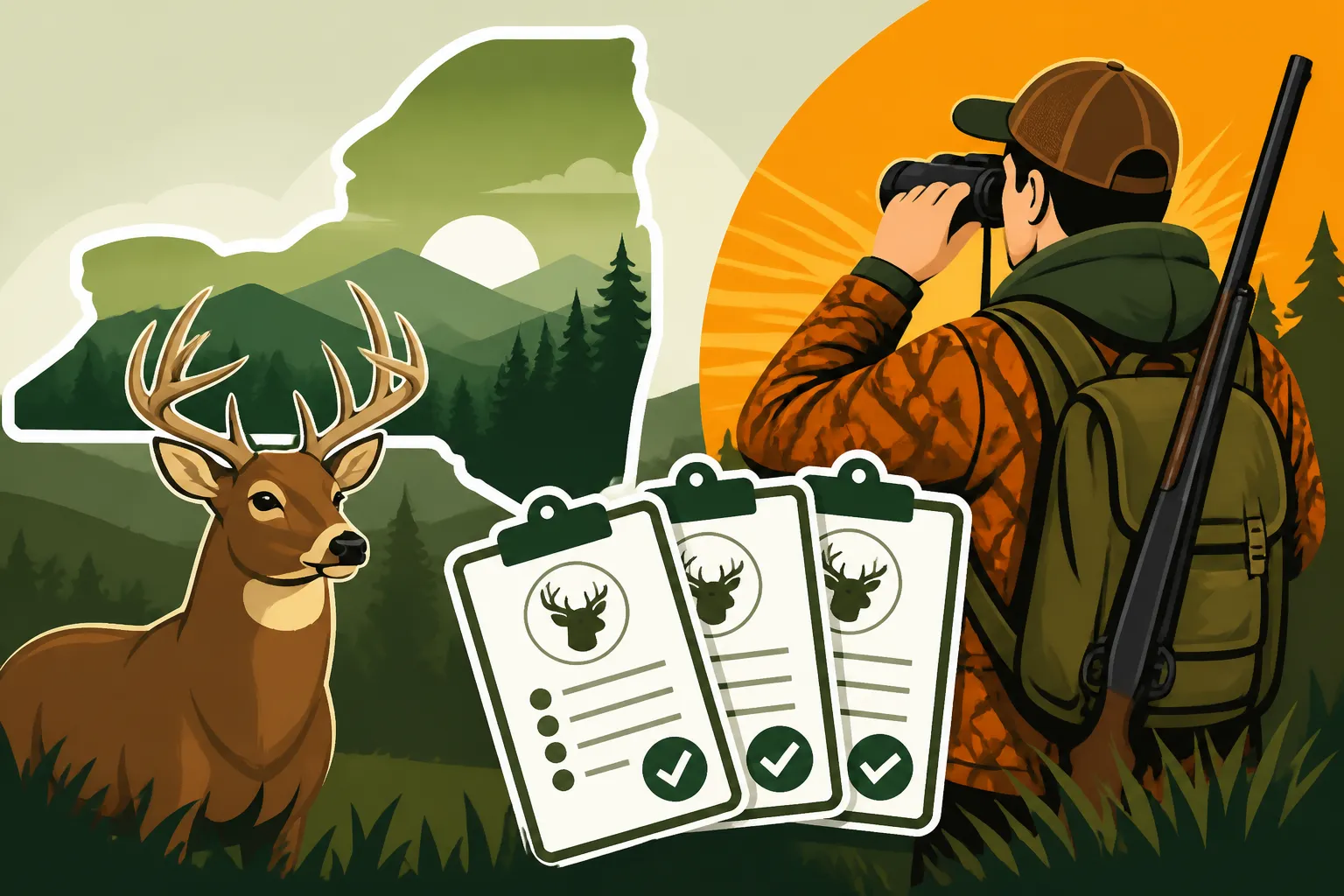
It’s a common scenario for many New York hunters: you’ve tagged your primary buck or doe, but the season isn't over, and you know there are more deer out there, especially in areas struggling with overpopulation. That's where the opportunity to fill extra Deer Management Permits (DMPs) in "unlimited" Wildlife Management Units (WMUs) comes in. This guide will walk you through understanding these permits, timing your applications, and employing effective tactics to maximize your harvest, ensuring a freezer full of venison while contributing to healthy deer management.
Demystifying Unlimited WMUs and Deer Management Permits
When you hear "unlimited WMUs" in New York, it's easy to picture a free-for-all, but it's really about strategic population control. The New York State Department of Environmental Conservation (DEC) uses Deer Management Permits, often called "doe tags," to manage antlerless deer populations, aiming to balance herd health with agricultural and ecological concerns. In some WMUs, the deer population is so robust that the DEC offers an unlimited number of DMPs to hunters, allowing them to harvest additional antlerless deer beyond their regular hunting license.
What "Unlimited" Truly Signifies
The term "unlimited" simply means that if you apply for a DMP in one of these designated WMUs, you are guaranteed to receive one, or even several, without going through a lottery system for those specific units. This stands in stark contrast to "limited" WMUs, where available DMPs are few and far between, often requiring participation in a lottery with slim odds. The goal in these unlimited units is to reduce the antlerless deer population to bring it closer to the carrying capacity of the land, which benefits the entire ecosystem by lessening pressure on habitat and reducing deer-vehicle collisions. Understanding these distinctions is key to building your hunting strategy, and you can delve deeper into the nuances by exploring resources like Limited Versus Unlimited DMP Wildlife Units. It's not about endless killing; it's about participating in a vital conservation effort.
For a hunter, this means a significant opportunity. Instead of just one or two antlerless deer for the season, you could potentially harvest several more, providing ample venison for your family and friends. This can be especially appealing for those who prioritize filling their freezer or want to spend more time afield. The DEC designates these unlimited WMUs based on population surveys, winter severity, and landowner feedback, identifying areas where deer numbers are consistently high and additional harvest is necessary.
The Rationale Behind Abundant DMPs
The decision to offer abundant or "unlimited" DMPs in certain WMUs is rooted in sound wildlife management principles. Excess deer populations can lead to a cascade of ecological problems: overbrowsing of forest understories, which impacts other wildlife and future timber growth, increased crop damage for farmers, and a higher incidence of deer-related accidents on roadways. By issuing DMPs generously, the DEC empowers hunters to become active participants in maintaining a healthy, balanced ecosystem.
Think about a WMU like 8W in the Southern Tier or some of the units around the Finger Lakes, which frequently have high deer densities. In these areas, without adequate antlerless harvest, the herd can quickly outgrow its food supply, leading to smaller, less healthy deer and increased disease transmission. For farmers, a high deer population can decimate fields of corn, soybeans, or orchards, leading to significant financial losses. Hunters, by targeting does, help alleviate these pressures. This isn't just about bagging another deer; it's about stepping up as a steward of the land. Plus, a healthy deer population, balanced with its habitat, often means better-fed, larger-antlered bucks for future seasons, which is a win-win for everyone involved. For a broader understanding of how these permits fit into the larger picture, check out New York Deer Management Permits Explained.
Timing Your Extra DMP Applications
Successfully acquiring and utilizing extra DMPs, even in unlimited WMUs, involves understanding the application timelines and knowing when opportunities open up. The process isn't static; it evolves as the season progresses, offering multiple windows for hunters to secure additional tags.
Initial Application Strategy
The first opportunity to apply for DMPs typically opens in early summer, well before the hunting seasons begin. This initial phase is where you select your preferred WMUs for DMPs. Even in "unlimited" units, it’s a good idea to put in your application during this period. While you’re guaranteed to get a tag, submitting early ensures you have your permits in hand well before opening day. This avoids any last-minute scramble and allows you to plan your hunts accordingly.
When filling out your initial application, if your primary goal is to fill the freezer, definitely select those WMUs that are historically unlimited. You can usually find a list of these WMUs on the DEC website, often alongside their historical success rates for antlerless harvest. Some hunters even coordinate with friends, each applying for DMPs in different unlimited WMUs to maximize their collective opportunities across a wider geographic range. This upfront planning is crucial for a productive season. Remember, even though they're unlimited, having them early removes any guesswork.
The Instant DMP Lottery and Mid-Season Opportunities
Perhaps the most exciting aspect for hunters looking to fill multiple DMPs is the "Instant DMP Lottery." This isn't a lottery in the traditional sense where you might not get a tag; rather, it’s a period where remaining DMPs, including those in unlimited WMUs, become available for immediate issuance. After the initial application period closes and any limited WMU lotteries are run, the DEC makes all unallocated DMPs available online, often starting in late September or early October. This is your chance to really stock up.
At this point, you can go online to the DEC's licensing system and often acquire multiple DMPs for unlimited WMUs, sometimes several for the same unit, until the quotas are met. For a hunter dedicated to putting meat in the freezer, this is a golden window. Tools like GoHunt can be invaluable for tracking these real-time updates on DMP availability, allowing you to quickly snag tags as they become available. It's a first-come, first-served system during this phase, so checking regularly is key. Many hunters will keep an eye on the DEC website, or set up alerts, knowing that more permits mean more opportunities afield. If you're looking for specifics on this process, delve into Applying for a Bonus DMP Mid-Season. This phase allows hunters who missed the initial application, or who realize they have more time to hunt, to still participate robustly in deer management.
Here's a quick overview of the DMP application timeline:
| Phase | Typical Dates | Action Needed | Notes |
|---|---|---|---|
| Initial Application | Mid-July to Mid-August | Apply for DMPs in your desired WMUs, ranked by preference. | Guarantees tags in "unlimited" WMUs if applied for. |
| Primary Lottery Draw | Late August | Wait for lottery results (for limited WMUs). | Not applicable for guaranteed "unlimited" WMUs. |
| Instant DMP Lottery | Late September/October | Check DEC website/GoHunt for available DMPs. | Acquire additional DMPs for unlimited WMUs, first-come, first-served. |
| Season Progresses | October – December | Monitor for any further releases of DMPs. | Less common, but possible if quotas remain unfilled. |
Always confirm exact dates on the official NYS DEC website, as they can shift slightly year to year. Knowing Which WMUs Carry No DMP Quota in 2026 can also help you focus your efforts.
Tactics for Filling Multiple DMPs
Once you have your DMPs in hand, the real work—and fun—begins. Successfully filling multiple tags requires a combination of strategic scouting, effective hunting methods, and an understanding of deer behavior, particularly for antlerless deer.
Scouting and Location Selection
The foundation of filling extra DMPs is choosing the right locations. You need areas with high deer density where antlerless deer are plentiful and accessible. This often means focusing your efforts on WMUs known for their robust deer populations. Areas that combine agricultural fields with adjacent woodlots, thickets, or swamps are prime candidates. Deer will often bed in the cover and move to the fields to feed, especially in the late afternoon and early morning.
Many hunters use platforms like GoHunt's mapping features or the DEC's HuntFishNY app to scout and understand deer movement patterns in their chosen WMUs. Look for pinch points, natural funnels, and areas with abundant sign like fresh tracks, droppings, and browse lines. Don't be afraid to put in the legwork on public lands. While some public areas may see heavy pressure, others, especially those requiring a bit of a hike, can hold impressive numbers of deer. Think about Hunting the Southern Tier Farmland Deer regions, where field edges meet dense cover, or even New York Wildlife Management Areas which are often managed with deer populations in mind. Identifying specific food sources, whether it's an oak ridge dropping acorns, a cut cornfield, or a forgotten apple orchard, will be paramount.
Effective Hunting Strategies for Does
While trophy buck hunting often focuses on specific times and highly stealthy approaches, filling doe tags can sometimes be a more active endeavor. Still-hunting, which involves moving very slowly through the woods, stopping frequently to observe, is incredibly effective. Does, especially mature ones, are often more cautious than young bucks, and their survival instinct makes them prone to pausing and looking. By moving deliberately, you increase your chances of spotting them before they spot you. Focus on areas with good cover and visibility, allowing you to identify your target and take a clean shot.
Another highly effective tactic, especially on larger tracts of public or private land, is conducting small, controlled deer drives with a few hunting partners. Assign standers to strategic escape routes or pinch points, while drivers slowly push through cover. The key is to move slowly and deliberately, allowing deer to filter past standers rather than blowing them out of the woods. This is particularly useful in dense cover where still-hunting is difficult. For single hunters or those preferring static positions, setting up a ground blind or treestand near active food sources or heavy cover is also a solid choice. Pay attention to the wind, as does are just as wary of human scent as bucks. Early morning and late afternoon are prime movement times, but don't overlook mid-day activity, especially during the rut or in areas with less pressure. Consider tips for Deer Drives With Three or Four Hunters to refine this strategy.
Leveraging Season Dates and Conditions
New York's extended hunting seasons offer multiple opportunities to fill DMPs. Early archery season allows for stealthy approaches before deer become heavily pressured. The regular firearm season offers a wider range of weapon choices and often coincides with peak deer movement. However, don't overlook the late seasons. The muzzleloader season in December, and especially the late archery re-opener in parts of the Southern Zone, can be incredibly productive. By then, deer have shifted to late-season food sources, and colder temperatures can concentrate them in thermal cover.
Pay close attention to weather patterns. A fresh snowfall can reveal deer travel patterns and make tracking easier. Cold snaps often trigger increased feeding activity, making deer more predictable around food sources. Knowing how to adapt your strategy to Late-Season Food Sources for New York Whitetails is crucial. For instance, after a poor acorn year, deer might shift heavily to agricultural fields or specific browse, making those spots incredibly hot. The key is flexibility and persistence. The more time you spend in the woods during these varied seasons, adapting to the conditions, the higher your chances of filling those extra DMPs.
Ethical Considerations and Responsible Harvesting
While filling extra DMPs presents a fantastic opportunity, it comes with the responsibility of ethical conduct and ensuring every animal harvested is treated with respect and utilized fully.
Respecting the Resource and Fair Chase
The privilege of hunting comes with an inherent obligation to respect the wildlife resource. When targeting multiple does, it's crucial to reaffirm your commitment to fair chase and responsible harvesting. This means taking only clean, ethical shots that ensure a quick, humane kill. Pass on marginal shots, especially if conditions like low light or thick cover make a clean kill uncertain. Every deer you pursue, whether it’s your first or fifth, deserves the same level of respect and effort.
Furthermore, consider your capacity to handle the meat. While unlimited DMPs are available, taking more deer than you can realistically process, store, or donate responsibly is not ethical. Plan ahead for how you will manage the venison from multiple animals. If you're new to processing, maybe start with one or two extra DMPs before committing to more. Hunting isn't a competition to see who can kill the most, but rather an opportunity to connect with nature and provide food for your table. For many, deer camp traditions, especially during the colder months, become a collective effort where everyone helps process the harvest, transforming the individual act of hunting into a community endeavor.
Community and Landowner Relations
Actively participating in deer management by filling DMPs, especially in areas with high deer densities, can significantly improve relations with landowners and local communities. Farmers suffering from crop damage, for instance, often welcome hunters who are willing to target antlerless deer. By offering to help them, you not only gain access to potentially fantastic hunting grounds but also build goodwill that can last for years. This is especially true in the Southern Tier or Western New York where agricultural lands are prevalent.
When seeking private land access, clearly explain your intent to help manage the deer population by filling antlerless tags. This approach is often more appealing to landowners than simply asking to "hunt deer." Be courteous, respect their property, and if possible, offer them some of the venison. This kind of responsible engagement helps to foster a positive image of hunters in the community and ensures continued access to critical hunting land. Even on public land, being mindful of your impact and considerate of other users upholds the hunting community's reputation.
Post-Harvest Logistics for Multiple Deer
Bringing down multiple deer means dealing with multiple carcasses, and that requires some serious logistical planning, especially when it comes to field dressing, transport, and processing.
Efficient Field Dressing and Transport
Successfully harvesting several deer means you need a streamlined process for field dressing and getting your game out of the woods. In New York, especially during the warmer early archery season or even a mild November day, rapid cooling is critical to prevent meat spoilage. After the shot, prioritize getting to your deer quickly. Field dress it immediately to start the cooling process. Removing the entrails allows the body cavity to cool down much faster, particularly important if you plan on retrieving other deer later.
Consider carrying a lightweight game cart or deer sled if you're hunting in areas with accessible trails or relatively flat terrain. For rugged Catskill ridges or deep Adirondack timber, boning out a deer in the field using the gutless method can save immense effort and allow you to pack out the meat in game bags. This is especially practical if you're hunting alone or far from your vehicle. If you plan to retrieve multiple deer over a short period, having multiple coolers pre-chilled with ice or frozen water bottles is a must. Knowing how to efficiently Field Dressing a Deer in Cold Weather is beneficial, but being prepared for warmer temperatures is even more critical when managing multiple harvests.
Processing and Storage Options
Once the deer are out of the woods, the next step is processing. You have a couple of options: do it yourself or use a commercial processor. For those who enjoy the hands-on experience and want to save money, butchering your own deer can be incredibly rewarding. Make sure you have the right tools—sharp knives, a meat saw, and plenty of clean workspace. Breaking down a deer into roasts, steaks, and ground meat takes time but ensures you know exactly what you're eating. If you plan to do several, consider investing in a good grinder and vacuum sealer.
Alternatively, many hunters opt for commercial processors, especially when dealing with multiple animals. This saves time and effort, and processors can often handle specialty requests like making sausage or jerky. Be sure to call ahead to your chosen processor, especially during peak season, to ensure they have capacity. Many processors will even offer donation programs for any meat you can't use yourself, connecting you with local food banks or charitable organizations. Regardless of your choice, rapid cooling and proper storage are paramount. Immediately get the meat into a cooler with ice, or directly into a refrigerated space, to ensure quality venison.
Reporting Your Harvests
New York State law requires all deer harvested, including those taken on DMPs, to be reported. This isn't just a formality; it's a critical part of the DEC's deer management program. The data collected from hunter reports helps wildlife biologists assess population trends, measure the effectiveness of DMP quotas, and make informed decisions for future seasons. Failing to report a deer is a violation and can result in penalties.
Reporting is usually quick and easy through the DEC's online Reporting a Deer Through HuntFishNY system or by calling a dedicated hotline. You'll need your license information, the WMU where the deer was harvested, the date, and whether it was antlered or antlerless. Make it a habit to report each deer as soon as possible after harvest, certainly within the legal timeframe (usually 48 hours). This simple act helps ensure the future of New York's deer hunting opportunities for everyone.
Disclaimer
Please remember that hunting regulations, season dates, and permit requirements are subject to change. Always consult the official New York State Department of Environmental Conservation (DEC) hunting regulations guide before heading afield to ensure you are fully compliant with current laws. Safety first!