Spring Turkey Hunting in New York
The thrill of a gobbler echoing through the crisp New York spring air is something every turkey hunter dreams of, but the reality can often be frustrating. You've spent countless hours scouting, practiced your calls until your jaw aches, only to have a wary tom hang up just out of range, or worse, ghost you entirely. This guide is dedicated to equipping you with the comprehensive knowledge and tactical approaches necessary to navigate the unique challenges of spring turkey hunting in New York, from understanding statewide regulations and optimal gear to advanced calling techniques and ethical considerations, ensuring your efforts in the field translate into success.
Understanding the New York Spring Turkey Landscape
New York offers a fantastic opportunity for spring turkey hunters, with healthy populations and a season that provides ample time to pursue these elusive birds. However, knowing the specific rules and where to focus your efforts is paramount. It’s not just about showing up with a shotgun; it’s about understanding the intricate dance between regulation, habitat, and turkey behavior that makes a successful hunt.
Season Dates and Bag Limits Across the State
The New York State Department of Environmental Conservation (DEC) carefully crafts the spring turkey season to balance hunting opportunities with robust population management. Generally, the season kicks off on May 1st across most of the state and runs for the entire month, giving hunters a solid four weeks to get out there. This statewide opener simplifies planning for many, but there are always nuances. For instance, there's a special youth turkey hunt weekend that typically precedes the regular season by a week or two, offering young hunters a dedicated time to learn the ropes with an experienced mentor. It's a fantastic program designed to introduce the next generation to the sport, and it often provides a less pressured experience for them.
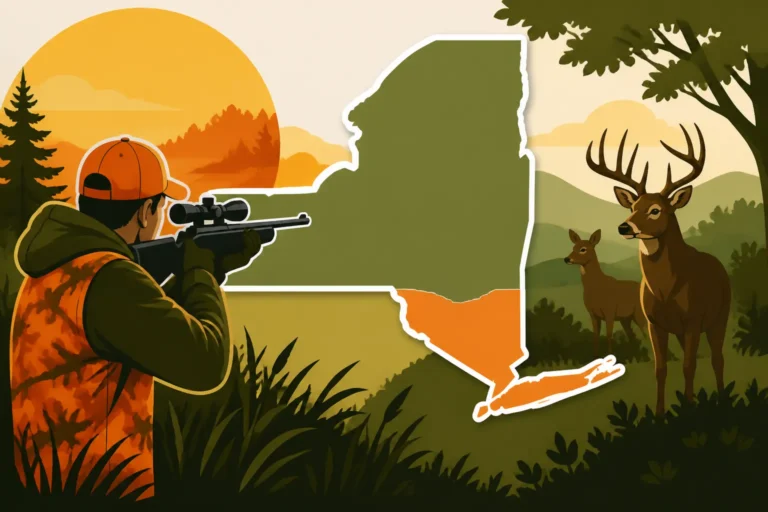
When it comes to bag limits, New York allows hunters to harvest two bearded turkeys during the spring season. However, there's a crucial caveat: you can only take one bird per day. This means if you tag a tom in the morning, your hunting is done for that particular day, even if you still have a tag remaining for the season. It’s a good rule that encourages savoring the experience rather than rushing. Another important detail to remember is that certain Wildlife Management Units (WMUs), particularly WMU 1C on Long Island, have unique restrictions, sometimes capping the spring bag limit at just one bird for the entire season. This is often due to localized population dynamics or land access considerations. Always double-check the current DEC hunting regulations booklet for the specific WMU you plan to hunt to avoid any surprises. You can find detailed information on these specific rules in the guide to New York Spring Turkey Season Rules.
Where New York Turkeys Live and Thrive
New York’s diverse landscape provides excellent habitat for wild turkeys, but their distribution isn't uniform. You'll find strong populations throughout the Southern Tier, the Catskills, the Finger Lakes region, and much of central and western New York. These areas typically offer a mix of mature hardwoods for roosting, agricultural fields for foraging, and brushy edges for nesting cover – the perfect recipe for a thriving turkey population. Imagine the rolling hills of Allegany or Steuben counties, where oak ridges give way to expansive alfalfa fields, creating an ideal patchwork for turkeys.
In contrast, the vast, unbroken wilderness of the Adirondack Park, while beautiful, tends to have lower turkey densities due to the colder climate, deeper snows, and lack of diverse agricultural lands. However, even within the Adirondacks, turkeys can be found in more fragmented habitats, particularly along the fringes of the park where human development or logging has created openings and food sources. Understanding the general distribution, as outlined in articles like New York Turkey Population Estimate, can help you narrow down your search. Turkeys are adaptable, but they truly thrive where they have access to a variety of mast crops (acorns, beechnuts), insects, and grasses, especially during the spring when hens are laying and poults are hatching. Southern Tier counties like Chautauqua, Cattaraugus, and Delaware are often hotspots, known for their robust turkey numbers and excellent habitat.
Navigating Licenses and Permits
Before you even step foot in the woods, ensuring you have the correct licenses and permits is non-negotiable. For spring turkey hunting in New York, you'll need a valid New York State hunting license, which is your base permit. On top of that, you'll also need a separate turkey permit, often called a turkey tag or privilege, which allows you to legally harvest turkeys. These are usually purchased concurrently when you get your main hunting license. If you plan to hunt migratory birds, which includes turkeys, you must also obtain a Harvest Information Program (HIP) registration. It's free and takes only a minute to complete, typically when you purchase your license, but it's a federal requirement that many hunters overlook until the last minute. This data helps wildlife agencies manage migratory bird populations nationwide.
Don't forget to carry proof of your licenses and permits whenever you're afield. While the physical paper license is traditional, the New York DEC's HuntFishNY app is a game-changer. You can carry your digital license and privileges right on your smartphone, making it incredibly convenient. Just make sure your phone is charged! It's always a good idea to have a screenshot as a backup, especially if you're heading into areas with spotty cell service. The entire process of buying and managing your licenses has been streamlined over the years, making it easier than ever to be compliant, so there’s really no excuse not to have everything in order.
Essential Gear for New York Spring Gobblers
Spring turkey hunting might seem simple – a gun and some calls – but having the right gear can make a world of difference. From the shotgun you carry to the camouflage you wear, each piece plays a role in your success and comfort. You don't need to break the bank, but investing in reliable, effective equipment will certainly enhance your experience in the New York woods.
Shotguns and Chokes for the Woods
When it comes to turkey shotguns, reliability and pattern density are your best friends. Most New York hunters opt for a 12-gauge, though 20-gauge shotguns have become increasingly popular, especially with the advent of high-density tungsten loads that offer impressive performance out of smaller gauges. A 3-inch or 3.5-inch magnum chambering is standard for 12-gauges, allowing for a heavier payload of shot. The key isn't necessarily the gauge, but how well your shotgun patterns. Every gun is a law unto itself, and what shoots well in your buddy’s gun might not in yours.
The choke tube is arguably the most critical component for turkey hunting accuracy. You'll want a "turkey" specific choke, which is typically an extra-full or super-full constriction, designed to deliver a tight, dense pattern at longer ranges. Brands like Indian Creek, Primos, or Carlson's are popular choices among New York hunters. Pattern your shotgun with various loads and chokes at distances you expect to shoot (e.g., 20, 30, 40 yards) to find the combination that puts the most pellets in a turkey's head and neck vital zone. Don't skimp on this step; a well-patterned gun instills confidence, and that's priceless when a gobbler is strutting at 35 yards. The guide to Turkey Shotguns and Chokes offers more in-depth advice on this.
Calling Systems and Decoys that Work
Turkey calling is an art, and having a diverse "vocabulary" can be your secret weapon. Most New York hunters carry a combination of calls. Mouth calls (diaphragm calls) are incredibly versatile, allowing for hands-free operation and a wide range of sounds, from soft purrs to aggressive cutting. They take practice but are indispensable. Slate or pot calls are another staple, producing realistic yelps and clucks with a little more volume and texture. Box calls are easy to use and produce excellent, loud yelps, perfect for reaching out to distant birds or shock gobbling. Don't forget locator calls like an owl hooter, crow call, or even a coyote howler – these aren't meant to call turkeys in, but rather to provoke a shock gobble from a tom, revealing his location.
Decoys can be a game-changer, especially in open country or when trying to draw a bird those last few critical yards. A simple hen decoy can often be enough to pique a gobbler's interest, making him feel more comfortable approaching. Adding a jake decoy can really fire up a dominant tom, as he'll often come in looking for a fight. For pressured birds, a single, realistic hen decoy set close to your position might be more effective than a full flock. Be mindful of decoy placement relative to your setup and the sun, ensuring the gobbler approaches with his head up, offering a clear shot. Learn more about effective decoy use in Turkey Decoys That Work on Pressured Birds.
Camouflage and Concealment for Close Encounters
Turkeys have incredible eyesight; they see color and detect the slightest movement. Therefore, head-to-toe camouflage is non-negotiable. This means not just a camo jacket and pants, but also gloves, a head net or face mask, and a camouflaged shotgun or gun wrap. Brands like Mossy Oak and Realtree offer patterns specifically designed for different woodland environments, but honestly, any pattern that breaks up your outline and blends with the spring woods is effective. Think about sitting still against a wide tree trunk, allowing your silhouette to merge with the irregular shape of the bark.
Concealment isn’t just about the pattern; it's about minimizing movement and breaking up your human form. A good turkey vest (some even feature a kickstand seat for comfortable, motionless sitting, like those mentioned in Turkey Vests With a Kickstand Seat) with a built-in seat cushion is essential for sitting still for extended periods. When setting up, always choose a position with a wide, solid tree or natural obstacle behind you to break up your outline and protect your back from other hunters. Additionally, clear any sticks or leaves from your immediate vicinity to prevent noisy movements when shifting or shouldering your gun.
Scouting for Spring Turkeys Before Opening Day
You can have the best gear and call like a pro, but if you're not in an area with turkeys, it's all for naught. Pre-season scouting is arguably the most critical component of consistent spring turkey hunting success in New York. It’s about putting in the legwork and the observation time before the season starts, when the woods are quiet and the birds are less pressured.
Reading the Land for Roost Sites and Travel Corridors
Before you even step foot in the woods, grab your maps. Topographical maps and aerial photos (available through tools like GoHunt, which can layer different map types and public/private land boundaries) are invaluable. Look for mature timber stands, especially near water sources like creeks or swamps, as these are prime roosting locations. Ridge tops with mature oaks or pines are common roosting areas in places like the Catskills or Southern Tier. Turkeys typically prefer large, sturdy trees with open understories for roosting, allowing them to fly up easily and have a clear view of their surroundings.
Once you’ve identified potential roosting areas, turn your attention to travel corridors. Turkeys will often fly down from their roosts and head directly to feeding areas (like agricultural fields, old logging roads, or mast-heavy flats) or strutting zones. Look for saddles between ridges, creek bottoms, or natural funnels that birds would likely use. These pinch points are ideal ambush locations. By understanding how the terrain dictates turkey movement, you can strategically position yourself for an encounter. Knowing Where New York Gobblers Roost can give you an edge in pinpointing these crucial spots.
Locating Active Birds and Patterning Movement
Once you have a good grasp of the potential habitat, it's time for boots on the ground. This usually involves early morning listening sessions before the season opens. Drive or walk to promising areas just before dawn and listen for gobblers sounding off from their roosts. Pay attention to the direction of the gobbling and try to triangulate their location. Note the time they gobble, how frequently, and if they respond to natural sounds like crows or owls.
During midday, look for physical sign. Fresh turkey droppings (j-shaped for gobblers, coiled for hens), tracks in soft earth, dusting bowls (shallow depressions where turkeys dust bathe), and shed feathers are all indicators of active birds. Visit those feeding areas you identified on your map. Are there fresh tracks crossing the logging road? Are there scratch marks in the leaves under oak trees? The more sign you find, the higher your chances of success. It's a bit like detective work, piecing together the movements of the local flock before they even know you're interested.
Pre-Season Calls and When to Use Them
Pre-season calling can be a delicate balance. The goal isn’t to call a bird in and shoot him (which is illegal before the season), but rather to elicit a response and confirm his presence and general location. Soft, subtle calls are often best. A simple tree yelp or a soft cluck can sometimes get a gobbler to shock gobble from the roost, confirming he’s still in the area without overly pressuring him.
Avoid aggressive calling during pre-season scouting, as you don’t want to educate the birds before you even have a chance to hunt them. The exception might be using a locator call from a distance to pinpoint a bird’s general vicinity. If you know a gobbler is roosted in a certain woodlot, a distant owl hoot at dawn might get him to sound off, giving you valuable information on his specific tree or ridge without ever stepping near him. The aim is to gather intelligence, not to interact with the birds in a way that makes them wary by opening day.
Opening Day Tactics and Early Season Strategies
Opening day of spring turkey season in New York is electric. Gobblers are often still actively seeking hens, and their hormones are running high. This can make for some of the most exciting and productive hunting of the season, but it also means dealing with potential crowds and wary birds who've already heard their share of calls.
Setting Up on the Roost
One of the most thrilling and effective early season tactics is setting up near a known roost site before dawn. Your pre-season scouting should have identified several potential roosts. The key here is to approach quietly, in the dark, and get into position at least an hour before fly-down. Choose a setup location that offers good concealment, a clear shooting lane in the direction you expect the gobbler to approach, and, ideally, a large tree or natural barrier at your back. You want to be close enough to hear him clearly on the roost, but not so close that you risk spooking him as he flies down. Often, 100-150 yards away is a sweet spot.
Once you’re settled, wait for the first hints of light. As the woods awaken, you'll start to hear gobblers sounding off from their trees. Begin with soft, subtle calls – a few tree yelps, some soft clucks. The goal is to let him know a hen is nearby and interested. As he gobbles more aggressively, you can increase your calling intensity. The moment he flies down, your calling strategy might shift. He’ll be on the ground looking for that hen he heard, and if your setup is right, he'll come looking for you. For more tips, check out Calling a New York Gobbler Off the Roost.
Aggressive Calling and Drawing Attention
In the early season, especially on opening day, gobblers are often still hot and willing to commit. This is the time when aggressive calling can really pay off. Once a gobbler is on the ground and moving, don't be afraid to hit him with a series of loud yelps and cuts. The idea is to make yourself sound like an excited, dominant hen who is ready to breed. This can sometimes make a tom throw caution to the wind and come charging in.
Shock gobbling, using loud locator calls like crow or owl calls, is also particularly effective in the early season. When you hear a tom gobble, try to move quickly and quietly to a position where you can set up quickly. Don't be afraid to try different calls and vary your cadence. Sometimes, a gobbler might respond better to a slate call than a mouth call, or vice versa. The key is to be adaptable and read the bird’s response. If he’s gobbling hard and closing the distance, don't overcall. Let him come. But if he starts to drift or hang up, a burst of aggressive cutting can sometimes seal the deal.
Decoy Placement for Visual Attraction
Decoys can be incredibly effective in the early season when gobblers are actively seeking hens. The visual cue often provides that extra bit of confidence a tom needs to commit the final few yards. A single hen decoy is often a great choice, positioned 15-20 yards in front of your position, giving you a clear shot when the gobbler approaches her. If you want to really stir things up, add a jake decoy alongside the hen. Dominant gobblers, particularly those that haven't secured a harem yet, often can't resist challenging a younger male.
Consider the angle of the sun when placing your decoys. You want the sun at your back, shining on the decoy, making it clearly visible to an approaching gobbler, and helping to conceal you in the shadows. Also, think about the terrain. Place decoys where they are visible but also where a gobbler has a clear path to approach without encountering obstacles that might make him hang up. If you're on a field edge, put them just inside the field where the bird can see them easily. In the woods, ensure they are in a relatively open area. Remember, the goal is to draw the bird into shotgun range, typically 20-35 yards.
Mid-Season Adjustments and Pressure Tactics
As the spring turkey season progresses through May, turkey behavior often shifts. Hens start nesting, gobblers get "henned up," and the birds become more educated due to increasing hunting pressure. What worked on opening day might lead to frustration mid-season. This is where adaptability and finesse become crucial.
Dealing with Hung-Up Birds and Call-Shyness
One of the most common frustrations for New York turkey hunters is the "hung-up" gobbler. He’s gobbling, he’s close, but he just won’t commit those last 50-100 yards, often because he’s waiting for the hen (you!) to come to him. This usually happens when gobblers are with actual hens, or they've been called to repeatedly by other hunters. When a bird hangs up, resist the urge to overcall. Often, less is more. Try backing off your calling entirely for 10-15 minutes. The silence might make him curious or even anxious that the hen is leaving. When you do call again, use soft, contented purrs and clucks, mimicking a hen that’s comfortable and ready to be found.
If that doesn't work, consider a tactic often called "repositioning." If you know the terrain, try to subtly and quietly circle around the bird, using topography to your advantage, to get a better angle or to present a fresh calling approach from a different direction. Sometimes, moving just a few dozen yards can make all the difference, making him believe the hen has moved. Patience is key here; don't rush it. This is where a good map tool like GoHunt can really shine, allowing you to quickly scout for hidden dips or rises to make a move. The advice in When New York Gobblers Go Quiet often applies to these tricky situations.
Breaking Up Flocks and Re-Calling
Mid-season, you'll often encounter gobblers that are "henned up," meaning they’re spending their days with a group of real hens, making them incredibly difficult to call in. Why would he come to your calls when he has a harem of real hens right there? In these situations, your best bet might be to try and break up the flock. The idea is to scatter the hens and the gobbler, forcing them to separate and then call them back. This tactic usually works best once the birds are on the ground.
If you see a flock approaching, get aggressive. Run towards them, yell, wave your arms – do whatever it takes to make them scatter in all directions. Once they've broken up, immediately get to a good setup spot. Wait 15-30 minutes, then start with soft, plaintive "assembly" yelps and clucks, mimicking a lost hen trying to regroup. A gobbler, suddenly alone, will often be eager to find any hen, and your calls become much more appealing. This can be one of the most effective, albeit chaotic, mid-season tactics.
Run-and-Gun for Silent Birds
As the season progresses, gobblers can become silent, either due to pressure or because they’re simply not as vocal. This is when the "run-and-gun" approach, as detailed in Run-and-Gun on New York Public Land, becomes highly effective. Instead of sitting and waiting, you actively cover ground, calling periodically and listening for a response. Walk logging roads, field edges, or along ridge lines, stopping every 100-200 yards to call. A series of aggressive yelps and cuts, followed by a period of silence (1-2 minutes), is a common rhythm.
The key to successful run-and-gun is being ready for a quick setup. Carry a minimal amount of gear, be physically fit, and always be looking for a potential ambush spot as you move. When a gobbler finally sounds off, don't waste time. Identify his general direction, quickly get to the nearest suitable setup (a big tree, a brush pile), and start calling. The idea is to capitalize on those brief moments when a gobbler is willing to talk, before he decides to go silent again. This method is particularly useful in large tracts of public land, such as state forests in the Southern Tier or Finger Lakes regions, where covering ground is essential to finding unpressured birds.
Late Season Challenges and Roost Hunting
The late spring season in New York presents its own unique set of challenges. Hens are typically on nests, making gobblers more solitary and often less responsive to calling. Hunters are fewer, but the remaining birds have heard it all. Success in late May often boils down to excellent scouting, extreme patience, and an adaptive mindset.
Finding Lonely Toms After Hens Nest
By late May, most hens are committed to their nests, sitting on eggs. This means that many gobblers are no longer constantly surrounded by real hens. These "lonely toms" are actively searching for any remaining receptive hens, and suddenly your calls become much more attractive. Focus your efforts on areas where you’ve seen turkeys earlier in the season, particularly those known for nesting cover, but look for the solitary gobblers. They might be using secondary strutting zones or revisiting areas they used before the peak of breeding.
These lonely gobblers can sometimes be very responsive, but they might also be cautious. They've likely survived weeks of hunting pressure and are smarter for it. Keep your calling realistic and patient. A few soft yelps and purrs, followed by long periods of silence, can often entice a lonely tom to investigate. Consider hunting areas with diverse habitat, like the transition zones between mature timber and brushy clear-cuts, where a tom might be moving between different sections of his range. Hunting Finger Lakes Region Deer covers similar habitat analysis that can be applied to turkey movement in diverse landscapes.
Roost Hunting for Consistent Action
Late season can be frustrating if you're just wandering aimlessly. This is why late-season roost hunting, especially in the evenings, becomes particularly effective. Spend your late afternoons scouting for where birds fly up to roost. Listen for the distinct wing beats, tree yelps, and the final gobbles as they settle in for the night. Mark these locations precisely. GoHunt maps can be incredibly useful for marking these roost trees and planning your morning approach.
The next morning, arrive well before first light, just as you would on opening day, and set up silently within 100-150 yards of the confirmed roost tree. Your goal is to be the first "hen" he hears when he wakes up. This tactic minimizes the chance of him being sidetracked by real hens or other hunters. With hens on the nest, he's more likely to fly down and come directly to your calls. This can be a highly consistent strategy when other methods fail. For a more detailed look, see Roost Hunting New York Gobblers.
Adapting to Changing Weather Conditions
Late May in New York can bring unpredictable weather, from warm, sunny days to sudden cold snaps, heavy rains, or strong winds. Turkeys, like all wildlife, are influenced by these conditions, and adapting your tactics is vital. On rainy or windy days, gobblers tend to be less vocal and may stay closer to their roosts or seek shelter in dense cover. In these conditions, focusing on visual cues like decoys, or still-hunting quietly through known feeding areas, might be more productive than relying solely on calling.
After a cold front or heavy rain, gobblers might be more active as conditions improve, making them more responsive to calls. Pay attention to changes in barometric pressure, as this can often stimulate gobbling activity. If it's a calm, clear morning, traditional calling from a static position can be very effective. If it's blustery, consider getting closer to known travel routes or field edges where birds might seek refuge and visual range is limited. The guide Muzzleloader Tactics in December Cold offers insights into how weather affects hunting, which can be somewhat analogous here.
Calling Strategies for New York Turkeys
Calling a turkey is more than just making noise; it's about communication. Understanding what the different calls mean and when to use them is the difference between an interested gobbler and one that's headed in the opposite direction. Your "turkey vocabulary" should be diverse, adaptable, and most importantly, realistic.
Mastering the Basic Calls
Every New York turkey hunter should be proficient in a few fundamental calls:
- The Yelp: This is the bread and butter of turkey calling. It's the primary way a hen communicates her presence. Start with soft, simple yelps (a few notes) to locate birds, then increase intensity for an excited hen. A tree yelp, a soft, sleepy series of yelps, is perfect for simulating a hen on the roost.
- The Cluck: A short, sharp note, the cluck is often a call of contentment or curiosity. It's great for getting a gobbler's attention without being too aggressive, or as a finishing call when a bird is close and you want him to take a few more steps.
- The Purr: A soft, rolling sound, the purr is a close-range contentment call. It’s excellent for bringing a cautious tom those last few yards, especially if he's hung up. Fighting purrs, a more aggressive variant, can also be very effective for dominant toms.
- The Fly-Down Cackle: A series of loud, excited yelps and clucks, this mimics a hen flying down from the roost. It’s a great call to use just after daylight, right when you expect birds to be hitting the ground.
Practice these until they sound natural and varied. Don’t try to be too perfect; real hens aren’t always maestros. It's the cadence and emotion in the call that counts.
Advanced Calling for Stubborn Gobblers
Once you’ve mastered the basics, you can move on to more advanced and aggressive calls designed to provoke or challenge a gobbler, especially useful for pressured or hung-up birds.
- Cutting: This is a rapid, sharp series of loud yelps and clucks, often broken and erratic. It mimics an excited, dominant hen. Cutting can be incredibly effective for getting a silent gobbler to shock gobble or for drawing in a tom that's with other hens, as it sounds like a rival.
- Fighting Purrs: These are aggressive, raspy purrs combined with soft clucks and even wing beats. They simulate two gobblers (or a gobbler and a jake) fighting. This can trigger a dominant tom’s aggression, especially if you have a jake or gobbler decoy set up.
- Gobbling: While less common for hunters to use (and certainly requires extreme caution for safety), some expert callers use gobbler calls to challenge a dominant tom. This is high-risk, high-reward and should only be attempted by experienced hunters who are absolutely certain of their target identification and surroundings.
Understanding the nuance of when to apply these calls is a skill that comes with experience. If a gobbler is coming in hot, less is more. If he’s hesitant, a well-timed, aggressive sequence can sometimes break him.
Using Locator Calls Effectively
Locator calls are not meant to call a turkey in, but rather to make him gobble, revealing his location. They exploit a gobbler's instinct to respond to loud, sudden noises.
- Owl Hooter: Best used at dawn or dusk, as owls are naturally active at these times. A few realistic hoots can often get a roosted gobbler to sound off.
- Crow Call: Extremely effective throughout the day. Crows are common, and a good series of loud crow caws can often make a silent gobbler betray his position, even if he's not actively gobbling at hen calls.
- Coyote Howler: A more aggressive locator, a coyote howl can really make a tom gobble, especially if he feels challenged or threatened. Use this sparingly, as it can sometimes spook birds if overdone.
When using locator calls, always be ready. A gobbler might respond much closer than you expect, or he might even start heading your way out of curiosity. Use these calls from a stationary position, listen carefully, and then plan your approach based on the gobbler’s response. These calls are especially useful when working large tracts of public land, allowing you to quickly cover ground and locate birds without over-calling them with hen sounds.
Safety and Ethics in the Spring Woods
Turkey hunting, like all forms of hunting, comes with inherent responsibilities. Ensuring safety for yourself and others, along with adhering to ethical hunting practices, is paramount. We share the woods with other hunters, hikers, and wildlife, and our actions reflect on the entire hunting community.
Identifying Your Target and Backstop
This is the golden rule of turkey hunting, and frankly, all hunting: positively identify your target and know what is beyond it. In the excitement of a gobbler approaching, "turkey fever" can set in. You see movement, hear sounds, and your adrenaline spikes. However, shooting at sounds or movement without confirming it's a legal, bearded turkey is incredibly dangerous and irresponsible. Every year, accidents occur because hunters mistake another hunter for a turkey, or shoot at a flash of color or movement.
Always wait until you can clearly see the head and neck of the turkey, and, if possible, confirm it has a beard (though some hens can have beards, all legal spring birds must be male or bearded). Before you even shoulder your shotgun, ensure there's a safe backstop beyond your target – a hill, a thick stand of trees, not an open field where a pellet could travel for hundreds of yards. Take a deep breath, control your excitement, and make sure of your shot. Your safety and the safety of others depend on it.
Hunter Orange and Public Land Considerations
While New York State law does not require blaze orange or pink when still-hunting for turkeys, it is highly recommended to wear it when walking in or out of your hunting area, especially on public land where other hunters might be present. Many experienced hunters carry a blaze orange vest or hat in their turkey vest and put it on while moving, removing it only when they are set up to call. This simple step dramatically increases your visibility to other hunters and can prevent tragic accidents.
Think about areas like Connecticut Hill Wildlife Management Area or Pharsalia Woods State Forest, popular public hunting grounds where multiple hunters might be present. Even if you're alone, someone else might be walking in nearby. When you're set up, make sure your back is against a wide tree or substantial natural cover that prevents you from being mistaken for a turkey from behind. Never wear red, white, or blue while turkey hunting, as these colors are present on a gobbler's head and can attract an accidental shot.
Respecting Landowners and Fellow Hunters
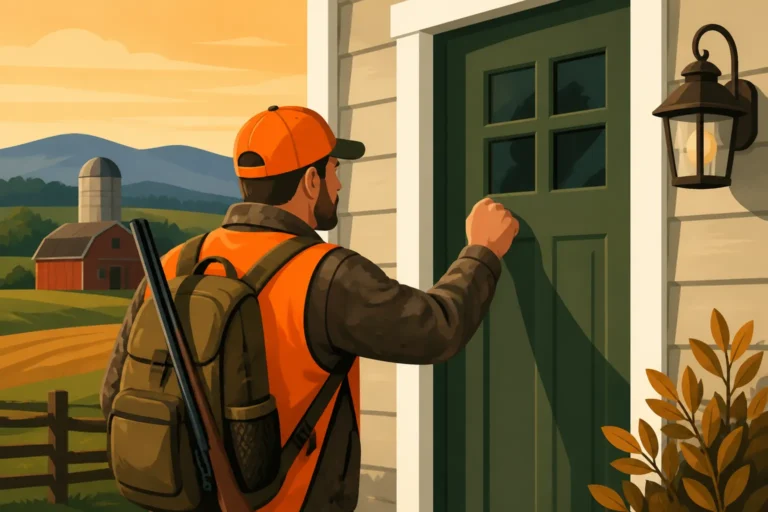
New York has a vast amount of public land, but much of the state is private. Always secure permission from landowners before hunting on private property. This isn't just a courtesy; it's the law. A simple "no trespassing" sign or even implied lack of permission means you cannot hunt there. When you do obtain permission, be respectful: close gates, don't litter, park where instructed, and leave the property better than you found it. Articles like Asking a New York Farmer for Permission provide guidance on this.
On public land, remember that you’re sharing the resource. Avoid setting up too close to another hunter you know is working a bird. If you encounter another hunter, a friendly wave or quiet acknowledgment is usually sufficient. Avoid "sky-busting" (shooting at birds outside of effective range), which can disrupt other hunters and wound birds. Report your harvest accurately and promptly, as required by the DEC. These acts of respect ensure positive relationships between hunters and landowners, and among hunters themselves, preserving hunting opportunities for everyone.
| Call Type | Pros | Cons | Best Uses |
|---|---|---|---|
| Mouth Call | Hands-free, wide range of sounds (yelps, clucks, purrs, cuts), versatile | Requires practice, can be finicky when wet | All-around calling, especially for close-in work and subtle finishing calls |
| Slate/Pot Call | Excellent realism, good volume, relatively easy to learn, rich tone | Requires two hands, can get wet/muddy, surface wear | Mid-range calling, aggressive yelps, good for consistent sounds |
| Box Call | Loud, easy to learn, great for reaching distant birds, good volume | Requires two hands, less versatile for soft calls, can be bulky | Locator calls, reaching out to distant gobblers, aggressive yelps |
| Locator Calls (Owl/Crow) | Makes gobblers shock gobble, reveals location without hen sounds | Doesn't call turkeys in, can sometimes be overused | Pinpointing roosted birds, making silent birds talk |
Disclaimer
The information provided in this article is for general guidance and informational purposes only. Hunting regulations, seasons, and licensing requirements in New York State are subject to change. Always consult the most current New York State Department of Environmental Conservation (DEC) hunting regulations guide, available on their official website or at license vendors, before planning and engaging in any hunting activities. It is the hunter's responsibility to know and follow all applicable laws and regulations. Safety should always be your top priority when hunting.