Rabbit Hunting Thick New York Brush
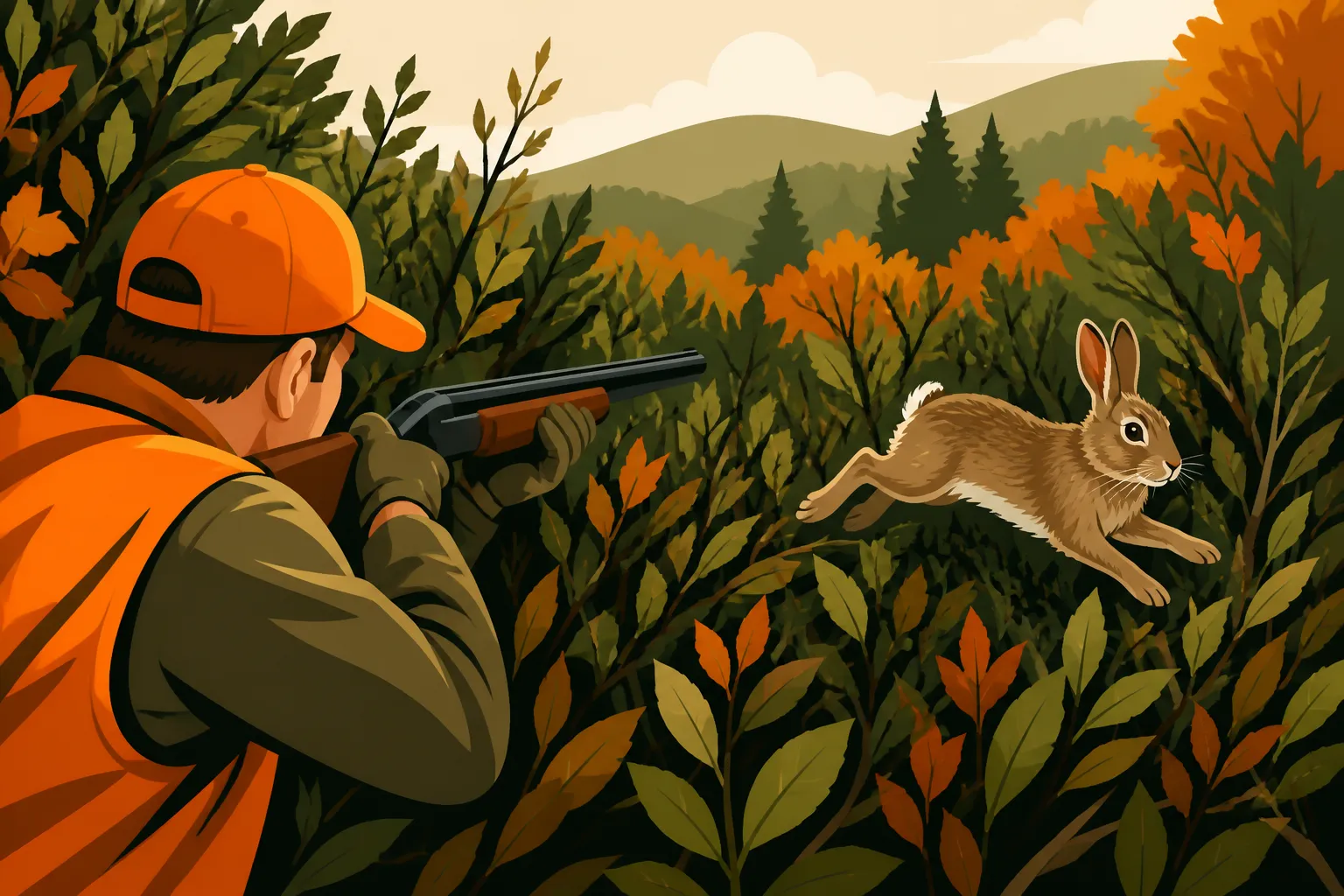
There’s a unique kind of satisfaction that comes from hunting cottontail rabbits in New York, especially when you’re pushing through dense, tangled brush where they love to hide. It’s not always glamorous, often involves getting scratched up, and can test your patience, but when a rabbit finally bolts from a briar patch, the adrenaline rush is something else. Many hunters find themselves frustrated, knowing the rabbits are in there somewhere, but just can't seem to get them out or get a clean shot. This guide is all about tackling that challenge head-on, giving you the know-how to successfully hunt these wily critters in the very thick cover they call home, right here in the Empire State.
The Thrill and Challenge of Rabbit Hunting New York's Thick Brush
Hunting rabbits in New York's thickest cover isn't for the faint of heart, but it offers some of the most exciting and accessible small game opportunities available. It's a truly interactive experience, demanding more than just sitting and waiting; it asks you to actively engage with the environment. The frustration of watching a rabbit disappear into a seemingly impenetrable fortress of thorns is real, but so is the triumph when you successfully outsmart one.
Why Cottontails Love Dense Cover
Cottontail rabbits are masters of concealment, and their preference for dense, tangled cover isn't just a coincidence—it's a survival strategy honed over generations. Think about it: a small, furry creature is pretty low on the food chain. Everything from coyotes to foxes, hawks to owls, and even domestic cats or dogs, sees a rabbit as a potential meal. Their best defense, beyond a burst of speed, is to simply disappear.
- Protection from Predators: Heavy brush, briar patches, multiflora rose thickets, honeysuckle, and downed timber piles create a labyrinth that’s difficult for larger predators to navigate. A rabbit can squeeze through gaps no bigger than its head, leaving a pursuing fox or coyote snarled in thorns or dense branches. These natural fortresses offer a sense of security, allowing rabbits to rest, feed, and raise their young relatively undisturbed. Here in New York, where predator populations are healthy, this cover is absolutely vital.
- Shelter from the Elements: New York winters can be brutal, and even a crisp fall day can turn cold quickly. Dense brush provides insulation, trapping warmth and shielding rabbits from biting winds, heavy snow, and freezing rain. In the summer, these thickets offer shade from the scorching sun, helping rabbits regulate their body temperature. It’s their year-round apartment complex, offering comfort in all seasons.
- Proximity to Food: While rabbits will venture out into fields and open areas to feed, they rarely stray far from the safety of their brushy homes. Often, their preferred food sources—tender grasses, clover, forbs, and the bark of young saplings in winter—are either growing right within the edges of the thicket or just a short dash away. This "edge habitat" where dense cover meets more open feeding grounds is a rabbit hotspot. You'll often find them just inside the brush, enjoying a quick snack while staying close to home base.
The Elusive Nature of New York's Brush Rabbits
If you've ever tried to walk through a dense briar patch, you know how challenging it is. Now imagine trying to spot a small, camouflaged rabbit in there. It’s like finding a needle in a haystack, and New York's cottontails are particularly adept at playing hide-and-seek.
- Masterful Camouflage: Their mottled brown and gray fur blends seamlessly with dead leaves, bark, and dirt. When a rabbit freezes, it can become virtually invisible, even when you're just a few feet away. Many a hunter has walked past a rabbit only to have it explode from cover behind them, leaving them startled and empty-handed.
- Explosive Flushes: When a rabbit decides to move, it doesn't just hop; it explodes. With a sudden burst of speed, it will dart, weave, and juke through the densest part of the cover, often providing only a fleeting glimpse before vanishing again. This makes getting a shot off incredibly difficult, especially with tight chokes or slow-handling firearms. The key is often anticipating where they're going, rather than reacting to where they were.
- Intricate Runways: Inside these thickets, rabbits create intricate networks of tunnels and runways. These are their highways, allowing them to move quickly and silently, unseen by predators (and hunters). When pushed, a rabbit will almost always stick to these established routes, which are often just barely big enough for their bodies. Learning to identify and understand these runways is a huge advantage, as it helps you predict escape routes and position yourself or your hunting partners accordingly. Patience is not just a virtue in rabbit hunting; it's a necessity. You might spend a lot of time poking around before you get that one glorious flush.
Scouting and Locating Productive Rabbit Coverts
You can't shoot rabbits if you can't find them, and finding them in New York's extensive landscape requires a bit of savvy. While you might stumble upon a few accidentally, truly productive rabbit hunting comes from strategic scouting, knowing what to look for, and understanding their preferred hangouts.
Identifying Key Habitat Features
Forget wide-open timber or manicured fields. For brush rabbits, you're looking for the rough, neglected spots that most people walk past. These are the places where cover and food combine to create a rabbit paradise.
- Edge Habitat and Transition Zones: This is arguably the most crucial feature. Rabbits thrive where two different habitat types meet – for instance, where a dense woodlot transitions into a brushy field edge, or where an old hedgerow borders a standing cornfield. These "edges" provide both the protective cover the rabbits need and easy access to feeding areas. Look for places where thick brambles meet a hayfield, or where a dense stand of pines gives way to an overgrown cut.
- Abandoned Farmsteads and Old Orchards: Many of New York’s rural areas are dotted with remnants of old farms. These forgotten places are goldmines for rabbits. Overgrown foundations, crumbling stone walls, dense patches of multiflora rose around old barns, and unkempt apple trees offer perfect cover and food. The old apple trees provide fallen fruit, and the surrounding thickets offer ideal refuge. You can often find fantastic rabbit habitat in these spots, which often aren't heavily hunted for deer.
- Fencerows and Hedgerows: A thick, woody fencerow that's been left to grow wild for decades is a linear rabbit highway and apartment complex. These natural corridors connect larger patches of cover and provide continuous hiding spots. They're excellent for small drives or for working with beagles, as rabbits tend to follow their length.
- Heavy Regenerating Clear-cuts: When timber is harvested, the new growth—young saplings, briars, and low-lying shrubs—creates incredibly dense cover within a few years. These clear-cuts, especially those that are 3-10 years old, can be absolutely loaded with rabbits. They offer both food and sanctuary as the forest regenerates. Using mapping resources, including those found on platforms like GoHunt, can help you identify these areas, often indicated by recent logging activity or different vegetation patterns on satellite imagery. This is also where understanding deer movement patterns can sometimes overlap, as both species use dense regeneration for cover.
- Wetland Edges and Swamps: Don't overlook the edges of swamps, marshes, or wet bottomlands. The dense cattails, dogwood, and other water-loving shrubs often form impenetrable tangles perfect for rabbits. These areas can also hold snowshoe hares further north, though cottontails are more widespread throughout the state.
Reading Sign in and Around Thick Brush
Once you’ve identified a promising area, it’s time to get on the ground and look for actual rabbit activity. Just because it looks like good cover doesn't mean rabbits are using it.
- Droppings: Rabbit droppings are small, round pellets, often found in clusters. They look like little dark marbles. Fresh droppings are moist and dark, while older ones are dry, faded, and crumbly. Finding a concentration of fresh droppings indicates active use. They'll often be found along runways or near feeding areas.
- Clipped Twigs and Bark Gnawings: In winter, when green vegetation is scarce, rabbits will feed on the bark and twigs of woody plants. Look for small, clean cuts on twigs, usually at an angle, and tell-tale gnaw marks on the bark of young trees or shrubs, particularly willow, sumac, and young apple shoots. This is a clear sign that rabbits are not only present but actively feeding in the area.
- Runways and Tunnels: As mentioned earlier, rabbits create distinct paths through dense vegetation. These runways are essentially tunnels at ground level, often barely visible, worn smooth by repeated use. Look for areas where the undergrowth is pushed aside or where there's a clear path through otherwise impenetrable tangles. These are your target zones for pushes or positioning shooters.
- Tracks in Snow or Mud: Fresh snow is a rabbit hunter's best friend. Rabbit tracks are distinctive: a triangular pattern with the two larger hind feet landing ahead of the smaller front feet as they hop. Following a fresh set of tracks can lead you directly to a rabbit’s hiding spot. In warmer weather, look for tracks in soft mud along stream banks or damp field edges. When planning your rabbit hunt, consider scouting tools. A platform like GoHunt provides detailed aerial imagery that can help you spot these transition zones and potential feeding areas, even before you lace up your boots.
Essential Gear and Tactics for Success in Heavy Thickets
Rabbit hunting in thick brush is a demanding endeavor, both on your gear and on your body. Having the right tools and employing effective strategies will not only increase your success but also make the experience safer and more enjoyable.
Shotgun and Ammunition Selection for Close-Range Action
When a rabbit bursts from cover, it's typically close, fast, and fleeting. You need a shotgun setup that can deliver quick, effective patterns in these tight quarters.
- Gauge Choice: The classic choices are 12 gauge and 20 gauge. A 20 gauge is often preferred for its lighter weight and quicker handling, which can be a real advantage when swinging through dense brush. However, a 12 gauge offers a slightly denser pattern, which can be useful if your shots are a bit more spread out. Both are perfectly adequate. For younger hunters or those sensitive to recoil, a .410 can also work, though its limited pellet count demands more precision.
- Choke Selection: This is crucial. Forget full or modified chokes; in thick brush, you want a very open pattern. An Improved Cylinder (IC) or even a Skeet choke is ideal. These chokes spread the shot quickly, giving you a wider margin for error on a fast-moving, close-range target. When a rabbit pops out at 10-15 yards, a tight pattern will likely result in a miss or a heavily damaged rabbit. An open choke maximizes your chances of putting enough pellets on target for a clean kill.
- Shot Size: Stick with smaller shot sizes, typically #6 or #7.5 lead shot. These provide a high pellet count, ensuring a good pattern even with an open choke. The lighter pellets also won't carry too far past your target, which is an important safety consideration when hunting in dense areas, especially with other hunters. While some states require non-toxic shot for upland game, New York typically allows lead for small game on private land, but always double-check current regulations.
Dressing for the Bush: Protection and Stealth
You're going into the rabbit's house, and their house is full of thorns, sharp branches, and often mud or snow. Your clothing needs to be protective and practical.
- Briar Pants or Chaps: This is non-negotiable. Regular hunting pants will be shredded in minutes. Briar-proof pants, often made of tough canvas, Cordura, or reinforced nylon, will protect your legs from thorns, briars, and sharp sticks. Chaps that go over your existing pants are another excellent option. Brands like Filson or Dan's Hunting Gear are known for their durable briar protection.
- Sturdy Boots: You'll be walking, pushing, and perhaps slogging through wet ground or snow. Waterproof, comfortable boots with good ankle support are essential. Consider something like a pair of Lacrosse Alpha Burlys or similar rubber boots for wet conditions, or durable leather hiking boots if it's drier. Referencing "Boots for New York Swamps and Snow" can provide even more specific insights into footwear for varied terrain.
- Thorn-Proof Jacket: A durable jacket, perhaps waxed cotton or heavy canvas, will protect your upper body. You'll still get snagged, but it's better than tears and scratches. Layering is key, as you'll be exerting a lot of energy pushing through cover.
- Eye and Hand Protection: Eye protection (shooting glasses) is a must to prevent branches from poking your eyes. Good gloves, preferably leather or reinforced, will save your hands from thorns and keep them warm.
- Blaze Orange (and Pink!): Safety is paramount. New York requires hunters to wear specific amounts of blaze orange or pink during certain seasons and situations. Even if it's not strictly required for small game in your specific area or during a particular season, wearing a blaze orange hat and vest (or a full jacket) is a smart choice, especially when hunting with others or in areas where deer hunters might be present. Always check the current regulations, but consider wearing it regardless. For more details, consult "New York Blaze Orange Requirements."
- Silent Movement: While you'll be making noise crashing through thickets, try to minimize unnecessary sounds. Avoid jingling keys, noisy zippers, or loose gear. Sometimes a rabbit will hold tight until the very last second, and minimizing your acoustic signature can give you a precious extra moment.
Hunting Strategies: Beagles, Drivers, and Solo Stalkers
There are several effective ways to hunt rabbits in thick New York brush, each with its own charm and challenges.
- Hunting with Beagles: The Classic Approach:
- How it Works: This is arguably the most traditional and effective method. Beagles are born to trail rabbits, and their relentless pursuit forces rabbits out of their densest hiding spots. The dogs pick up a rabbit's scent, chase it, and typically push it in a circle, often bringing it back near where it was jumped.
- Advantages: Beagles excel at digging out rabbits from seemingly impenetrable cover. The sound of a baying pack is exhilarating, and it saves you a tremendous amount of busting brush. It's often more productive, as dogs have a better nose and lower profile than humans for working deep into thickets. For a deeper dive, check out "Running Beagles on New York Cottontails."
- Tactics: Position hunters ("shooters") around the edges of the thicket, or along known rabbit runways. The drivers (or dog handlers) work the dogs through the cover. Patience is key; wait for the rabbit to come into a shooting lane. Safety is paramount – always know where your hunting partners and dogs are.
- Driving Brush Piles and Hedgerows:
- How it Works: This method involves a small group of hunters (2-4 is often ideal for smaller areas). One or two hunters act as "drivers," pushing through a brush pile, hedgerow, or small thicket, while others ("posters") position themselves at strategic escape points.
- Advantages: Efficient for clearing smaller, isolated patches of cover. It's a social hunt and can be very effective without dogs.
- Tactics: Communication is vital. Drivers should move slowly and methodically, kicking brush piles and deadfalls. Posters need to stay alert and absolutely still, ready for a rabbit to bolt. Always discuss your plan beforehand, including safe shooting lanes and boundaries. This can be particularly effective when hunting a small private tract in New York where you might not have extensive public land to roam.
- Solo Stalking and Bush-Busting:
- How it Works: This is the most physically demanding but incredibly rewarding method. The solo hunter walks slowly and deliberately through brushy cover, kicking every log, briar patch, and clump of weeds. You’re essentially acting as your own "dog," trying to flush rabbits.
- Advantages: You don't need dogs or hunting partners. It allows for a very quiet, focused hunt, where you can move at your own pace and spend as much time as you want working a promising area.
- Tactics: Move slowly, stop often, and scan ahead. Rabbits will often hold tight, only flushing when you're almost on top of them. Anticipate where a rabbit might run and be ready for a quick shot. Focus on the edges of cover, where rabbits might be feeding before ducking back into the thicket. This method requires a lot of ground covered and often a healthy dose of patience.
Here's a quick comparison of these methods:
| Method | Pros | Cons | Ideal Scenario |
|---|---|---|---|
| Hunting with Beagles | Highly effective, dogs locate and push rabbits | Requires trained dogs, can be noisy, dogs need care | Large, dense thickets; multiple hunters to post shooting lanes |
| Driving Brush Piles | Efficient for small areas, social, no dogs needed | Requires multiple hunters, coordination is key | Linear coverts (hedgerows); isolated brush piles |
| Solo Stalking/Busting | Quiet, independent, rewarding challenge | Low success rate compared to other methods, physically demanding | Smaller, intricate patches; focused, patient hunters |
Navigating Regulations and Ethical Considerations
Hunting rabbits in New York, like any hunting activity, comes with its own set of rules and responsibilities. Understanding these regulations and always prioritizing ethical behavior ensures a safe and sustainable hunting experience for everyone.
Understanding New York's Rabbit Seasons and Bag Limits
Before you even think about heading into the brush, you absolutely need to know the current season dates and bag limits for cottontail rabbits in New York. These details can change year to year, so always consult the most recent New York State Department of Environmental Conservation (DEC) Hunting and Trapping Regulations Guide.
- Cottontail Rabbit Season: Generally, the cottontail rabbit season in New York runs from late September/early October through mid-March. However, the exact opening and closing dates can vary slightly by zone and year. For instance, the season typically starts earlier in the Northern Zone and may extend longer in certain areas of the Southern Zone. Always verify the specific dates for the Wildlife Management Unit (WMU) you intend to hunt. For a broader overview of small game seasons, refer to "New York Small Game and Upland Bird Seasons."
- Bag Limits: The daily bag limit for cottontail rabbits across most of New York is usually six rabbits per day. This means you can harvest up to six cottontails within a 24-hour period. Once again, always confirm this in the current regulations guide.
- Snowshoe Hares: While this guide focuses on cottontails, New York also has snowshoe hares, primarily found in the Adirondacks, Tug Hill Plateau, and higher elevations of the Catskills. Their season dates and bag limits are typically different from cottontails, so be sure you can identify your target. Snowshoe hares are generally larger and turn white in winter, making them distinguishable.
Respecting Landowner Rights and Safety First
Ethical hunting begins with respect—respect for the land, the wildlife, and other people. This is especially true when hunting small game, which often takes place on private lands or smaller parcels.
- Private Land Access: Always Ask Permission! This cannot be stressed enough. The vast majority of prime rabbit habitat in New York is on private land. You must obtain permission from the landowner before stepping foot on their property. Trespassing is illegal, damages the reputation of all hunters, and can lead to fines and loss of hunting privileges.
- How to Ask: Approach landowners courteously, ideally well before the season opens. Introduce yourself, explain what you'd like to do, and offer to share some of your harvest. Many landowners appreciate knowing who is on their property. For detailed advice on how to approach this, you might find "Asking a New York Farmer for Permission" to be very helpful. Remember that building a good relationship can lead to years of hunting opportunities.
- Posted Land: New York law requires specific signage for "posted" land. Never hunt on posted private land without explicit permission. Even if land isn't posted, it's still private property, and permission is required.
- Safety in Numbers and in Brush: When hunting with partners, especially in dense cover, safety protocols are non-negotiable.
- Know Your Shooting Lanes: Always know where your fellow hunters are. Before any drive or push, discuss safe shooting zones and where shots should not be taken (e.g., in the direction of other hunters, roads, or buildings).
- Target Identification: In thick cover, visibility can be extremely limited. Always positively identify your target as a rabbit before shooting. Never shoot at sound or movement alone. This is critical for preventing accidental injury to dogs or other hunters.
- Legal Shooting Hours: New York has specific legal shooting hours for hunting. Generally, this means from sunrise to sunset. Always consult the regulations for the precise times, which vary throughout the year. "New York Legal Shooting Hours" provides specific details on this important regulation.
- Field Dressing and Care: Once you've harvested a rabbit, field dress it promptly to ensure the meat stays fresh. Carry a sharp knife and game bags. In warmer weather, it’s especially important to cool the carcass quickly.
Rabbit hunting in New York's thick brush is a rewarding experience that connects you directly with the wild. It’s challenging, physical, and often tests your grit, but the rewards are well worth the effort—delicious wild game and unforgettable memories forged in the dense cover of New York's woodlands.
Disclaimer
Please note: Hunting regulations and seasons are subject to change. Always consult the official New York State Department of Environmental Conservation (DEC) Hunting and Trapping Regulations Guide for the most current and accurate information before planning any hunting trip. This guide is for informational purposes only and does not supersede state regulations.