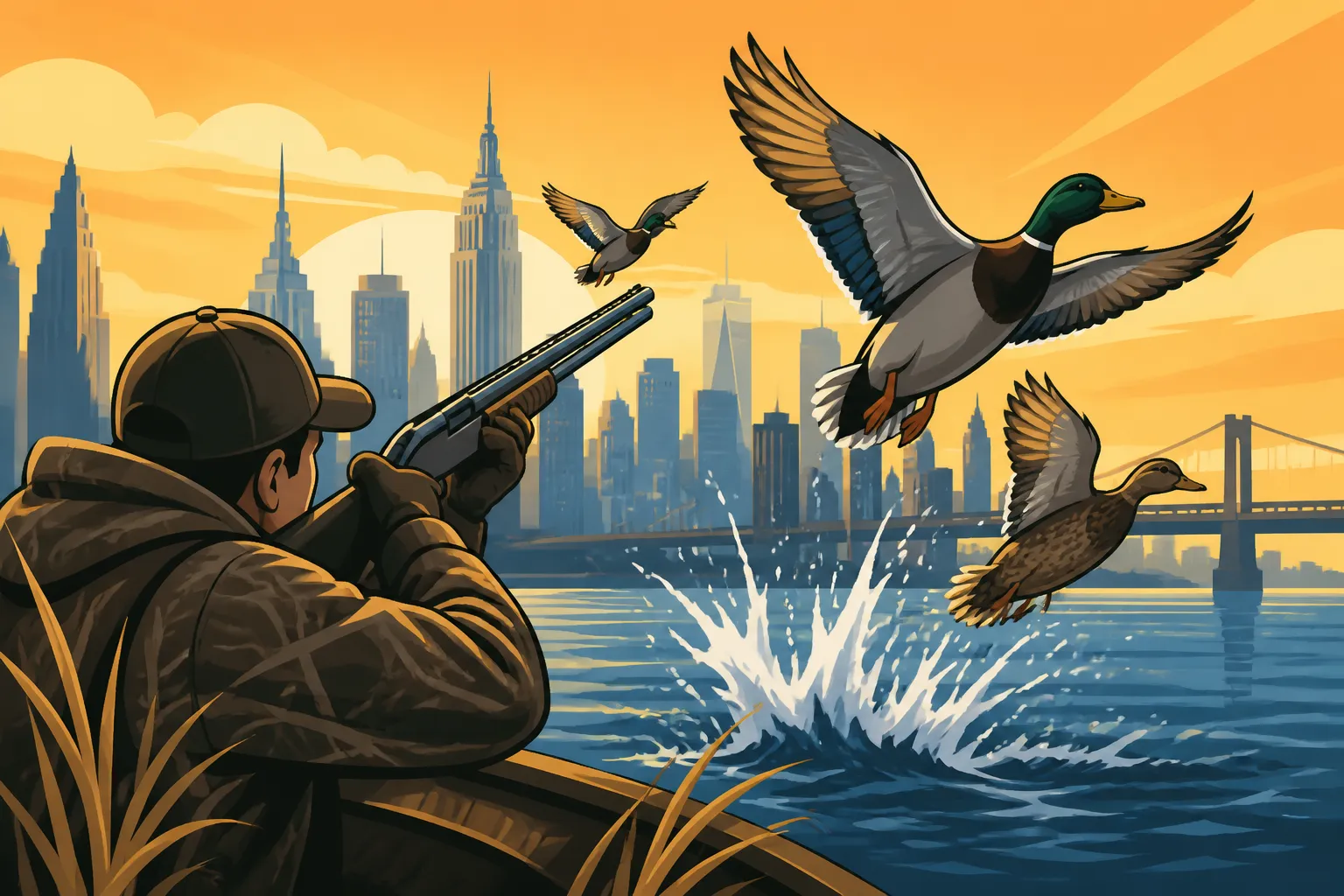
Jump-Shooting a New York River
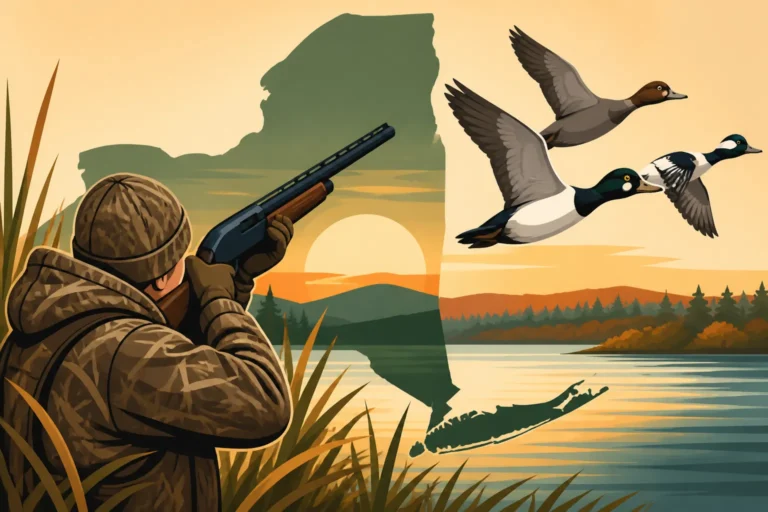
The frustration of trying to find unpressured waterfowl can really get under your skin, especially when all the prime marsh spots seem to be taken or require a private lease. If you're tired of crowded boat ramps and ducks that flair at the first sign of a silhouette, it might be time to rethink your approach. This comprehensive guide will walk you through the exhilarating world of jump-shooting New York rivers, a tactic that often gets overlooked but can offer incredible action and a unique hunting experience.
Understanding the Basics of River Jump-Shooting
Jump-shooting a river is essentially a stealth-based hunting method where you quietly navigate a waterway, usually by boat, in search of unsuspecting waterfowl that are resting or feeding on the water or along the banks. The goal is to get close enough to flush the birds and take a shot as they jump into the air. It’s a dynamic and exciting way to hunt, requiring a keen eye, quiet movement, and quick reflexes. Unlike traditional blind hunting, where you wait for birds to come to you, jump-shooting is an active pursuit that keeps you moving and engaged.
What is River Jump-Shooting?
At its core, jump-shooting a river is about surprise. Imagine slowly drifting or paddling downstream, hugging the inside bends or sneaking around a fallen log, when suddenly a small flock of mallards bursts from around the corner, or a few wood ducks explode from a secluded eddy. That’s the thrill of jump-shooting. You're leveraging the natural contours and cover of the river to conceal your approach, mimicking the slow, natural movement of debris or another animal. It's an intimate way to hunt, connecting you directly with the flow of the water and the rhythms of the ducks that call it home. This method allows you to cover a lot of ground that might otherwise be inaccessible or overlooked by hunters sticking to larger lakes or marshes.
Why New York Rivers Are Ideal for This Method
New York State is crisscrossed with countless rivers and smaller creeks, many of which are perfect for jump-shooting. From the winding tributaries of the mighty Hudson River to the more remote flows in the Catskills and Adirondacks, there's an incredible diversity of waterways that attract migrating and resident waterfowl. These rivers often provide consistent food sources, abundant natural cover like overhanging trees, log jams, and dense bank vegetation, and, crucially, less hunting pressure than more well-known waterfowl destinations. Because many river sections are narrow or have complex currents, they're not always suitable for large decoy spreads or extensive dog work, which naturally deters some hunters. This leaves plenty of opportunities for the stealthy jump-shooter. The ever-changing nature of river flows and bank structure also means that every float can be a new adventure, keeping you on your toes and constantly learning.
Identifying Prime Duck Water
Not all river sections are created equal when it comes to jump-shooting. You're looking for specific features that ducks find appealing for resting, feeding, or hiding. Think about slow, meandering bends where the current lessens, allowing ducks to conserve energy and find food. Log jams, undercut banks, and thick cattail or brushy edges provide excellent cover where birds can feel safe. The mouths of small tributaries that dump into the main river can be hotspots, bringing in fresh food and offering a protected area from the main flow. Also, keep an eye out for agricultural fields bordering the river, especially if they're cut corn or flooded soybeans, as ducks will often use the river to travel to and from these feeding grounds. Scouting beforehand, whether by driving roads that parallel the river or using mapping apps like GoHunt to examine aerial photos and land ownership, is absolutely crucial. Understanding New York Waterfowl Hunting by Zone can also give you insights into general migratory patterns and waterfowl concentrations in different parts of the state.
Gear and Setup for River Jump-Shooting
Success in river jump-shooting hinges on being prepared with the right equipment. Unlike static blind hunting, where your setup is mostly stationary, jump-shooting requires gear that is mobile, quiet, and capable of handling the elements of a dynamic river environment. Getting your gear dialed in will make a huge difference in your comfort, safety, and ultimately, your harvest.
Watercraft Considerations
Choosing the right watercraft is perhaps the most important decision for a river jump-shooter. You need something stable, maneuverable, quiet, and ideally, capable of carrying you, your gear, and any birds you might harvest.
| Watercraft Type | Pros | Cons | Ideal River Conditions |
|---|---|---|---|
| Canoe | Very quiet, good capacity, relatively light for portages | Less stable, can be slow against current, challenging for solo hunters to shoot from | Medium to slow currents, open stretches |
| Kayak (sit-on-top) | Highly maneuverable, stable (especially wider models), good for solo hunting, low profile | Limited capacity, can be wet in rough water, harder to stand and shoot | Medium to fast currents, tight cover, small creeks |
| Small Jon Boat | Stable, can be used with a small motor (electric for stealth), good capacity | Heavier, noisier, harder to maneuver in tight spots or shallow water, requires boat launch | Wider rivers, slower currents, larger stretches |
| Drift Boat | Excellent stability, designed for river currents, comfortable for two hunters | Heavy, expensive, requires two people (oarsman and shooter), less stealthy than canoe/kayak | Medium to fast, rocky rivers, open water |
For many New York rivers, a durable camouflage canoe or a sit-on-top kayak proves to be an excellent choice. They allow you to paddle quietly, hug the banks, and navigate through tighter cover without drawing too much attention. While a small electric trolling motor can be useful for covering long stretches or retrieving, remember that stealth is paramount. The quieter you are, the closer you'll get to the birds.
Shotguns and Ammunition Choices
For jump-shooting, you need a shotgun that's reliable, easy to handle, and capable of quick shots. Most hunters opt for a 12-gauge or 20-gauge pump-action or semi-automatic shotgun. These allow for fast follow-up shots which are often necessary when birds flush unpredictably. Choose a choke that offers a good spread for close-range flushing shots, like an Improved Cylinder or Modified. You want to pattern your shotgun to ensure you know how it performs at typical jump-shooting distances, which are often within 20-30 yards.
Ammunition-wise, you'll be using non-toxic shot as required for New York Waterfowl Hunting by Zone. Steel shot is the most common and economical choice, but bismuth or tungsten-matrix loads can offer better performance, especially at slightly longer ranges. For jump-shooting, you're usually not taking incredibly long shots, so #3 or #4 steel shot is generally effective for ducks. Always carry a good supply of shells, but be mindful of weight if you’re covering a lot of ground by paddle. Consider looking into specific Waterfowl Loads for New York Divers if you anticipate encountering a mix of species.
Essential Clothing and Accessories
Staying warm, dry, and camouflaged is critical. Layering is key, as conditions on New York rivers can change rapidly. Start with moisture-wicking base layers, add insulating mid-layers, and top it off with waterproof and windproof outerwear in an effective camouflage pattern. Good quality waders are essential – whether chest waders or hip waders – for launching your boat, retrieving birds, and navigating shallow areas. Don't skimp on quality waterproof gloves and a warm hat, as much heat is lost through your head and extremities.
Beyond clothing, a few accessories are non-negotiable:
- Life Vest: Always wear one when on the water, no exceptions. New York's cold waters are unforgiving.
- Dry Bag: Keep your phone, wallet, extra layers, and any emergency supplies completely dry.
- GPS/Map App: Even if you think you know the river, having a reliable GPS (like the GoHunt app on your phone) or a physical map can help you track your progress, identify public access points, and stay aware of property lines.
- Knife: Essential for various tasks, from cutting tangles to field dressing.
- First-Aid Kit: Compact but comprehensive, stored in a dry bag.
- Calling Device: While jump-shooting is mostly stealth, a good duck call (or two) can sometimes stop flushing birds for a shot or coax birds out from heavy cover.
- Retrieval Stick/Pole: For safely grabbing downed birds from snags or current.
- Headlamp: For navigating during low light or in case your trip extends past sunset.
Remember, every piece of gear should contribute to your stealth, safety, or success. Less is often more, as you don't want to be bogged down with unnecessary items.
Tactics for Success on New York Rivers
Successfully jump-shooting a New York river isn't just about floating downstream with a shotgun; it involves careful observation, strategic movement, and understanding how ducks use the river. It's a bit like a chess match, always anticipating the next move.
Approaching and Flushing Birds
The art of the approach is what separates a successful jump-shooter from someone just drifting. You want to be as quiet as possible. This means no splashing with your paddle, no rattling gear, and minimal talking. Use the natural cover of the river to your advantage:
- Hug the Bends: When approaching a bend, stay tight to the inside bank where you’re less visible to ducks around the corner. Paddle just enough to maintain control, letting the current do most of the work.
- Utilize Vegetation: Use overhanging trees, brush, and tall grasses along the bank as a natural screen. Stay low in your boat.
- Vary Your Pace: Don't maintain a consistent speed. Sometimes slowing to a near standstill around prime cover, or even briefly pulling into an eddy, can give you a better chance to spot birds before they spot you.
- Eyes Up, Ears Open: Constantly scan the water ahead, the banks, and listen for the tell-tale quacks or splashes of ducks. Binoculars are helpful for spotting birds from a distance, especially in larger river sections or for identifying species.
When you spot birds, the decision to flush them or try to sneak closer is a split-second one. If they're in tight cover or you’re already very close, a sudden paddle stroke or slight increase in speed can be enough to get them airborne. Aim for a clean shot as they lift off, being mindful of your background and any other hunters or homes.
Reading Current and Cover
Understanding the river's current and where ducks seek refuge in different conditions is vital.
- Current Breaks: Ducks often hold in current breaks behind rocks, log jams, or on the downstream side of islands. These areas offer respite from the main flow and can concentrate food sources.
- Eddies: Swirling pockets of water where the current reverses or slows significantly are prime spots. Ducks can rest and feed here without fighting the flow.
- Shallow Water: Look for shallow gravel bars, sand flats, or areas where the river widens and slows, providing easy access to submerged vegetation or invertebrates.
- Overhanging Cover: Ducks love to loaf under the protection of low-hanging branches or thick bank vegetation. This offers concealment from aerial predators and hunters on the bank.
Your boat's position relative to the current is also critical for controlling your approach. In stronger currents, you might need to back-paddle or use precise strokes to slow down and stay close to the bank. When floating through slower, wider sections, it’s easier to maintain stealth. Using a mapping tool like GoHunt can help you identify these features before you even launch, giving you a better idea of where to focus your efforts. This type of detailed scouting is what makes Scouting New York Public Land Before Season so effective for any hunting method.
Decoy Use and Calling
For pure jump-shooting, decoys are usually not part of the strategy, as they contradict the element of surprise. The whole point is to sneak up on birds that are already there, not to attract new ones. However, there are exceptions. If you're floating a longer river and come across a promising, wider stretch or a consistent feeding area, you might consider anchoring briefly and deploying a small spread of 2-4 decoys to entice any birds that might be flying by. This is more of a hybrid approach, combining elements of blind hunting with jump-shooting.
Calling is also secondary to stealth, but a well-timed call can be very effective. A soft "feed chuckle" or a contented "quack" can sometimes reassure ducks you're approaching that all is well, preventing an early flush. More often, a sharp "hail call" or "comeback call" is used after birds flush, to try and get them to cup their wings and circle back for a shot. Knowing Grunt Calls in Mature New York Timber and the nuances of calling for different species can translate into river hunting as well. The key is subtlety and knowing when to keep quiet versus when to engage with a call.
Safety and Regulations for River Hunting
Safety on the water, especially in cold weather and swift currents, cannot be overstated. Beyond personal safety, it’s crucial to understand and adhere to New York’s specific hunting and boating regulations to ensure a legal and ethical hunt.
Navigational Safety
Rivers, even seemingly calm ones, can present unexpected dangers.
- Cold Water: New York's rivers are cold for much of the hunting season. Hypothermia is a serious risk. Always dress in layers, have dry clothes in a sealed bag, and wear your life vest.
- Currents and Obstacles: Be constantly aware of the current, especially around bends, submerged rocks, or log jams. These can capsize a boat or pin it against an obstacle. Learn basic paddling strokes for maneuvering in currents.
- Dams and Rapids: Know the river you're hunting. Identify any dams, waterfalls, or rapids well in advance, and plan portages or exit points if necessary. Never attempt to run water beyond your skill level or boat's capability.
- Weather: River conditions can change rapidly with weather. High winds can make paddling difficult, and sudden rain or snow can reduce visibility and make banks slippery. Check the forecast before you go.
- Solo Hunting: If you hunt alone, tell someone your float plan, including your launch and take-out points, and your estimated return time. Consider carrying a satellite messenger or a fully charged cell phone (in a dry bag) for emergencies, though cell service can be spotty in some remote New York areas.
Legal Considerations and Permissions
Before you even dip your paddle, you need to understand the legalities:
- Hunting License and Stamps: You must have a valid New York hunting license, a federal duck stamp, and a New York Migratory Bird Certification. Always carry proof of these.
- Firearms Safety: Adhere to all firearm safety rules. Be aware of your shooting lanes and what lies beyond your target. Remember the legal shooting hours for migratory birds, which often differ from big game.
- Trespassing: While you can float navigable rivers, hunting from the water or retrieving downed birds may involve stepping onto private property. Always know the land ownership along your route. Use mapping apps like GoHunt that show property boundaries. If you need to retrieve a bird from private land, you must gain permission from the landowner. Ignorance is not an excuse for trespassing. Familiarize yourself with New York Trespass and Permission Law.
- Discharge Setbacks: Be aware of legal setbacks for discharging a firearm from dwellings, roads, or other structures. Rivers often flow through populated areas, so vigilance is key.
- Carcass Transport: Understand rules regarding New York Turkey Tag Transport Rules and other game. Ensure any harvested birds are tagged correctly if required and transported legally.
Retrieving Birds in Current
Retrieving downed birds in a river environment can be challenging and dangerous. A bird that falls in swift current can quickly float downstream, making recovery difficult or impossible.
- Mark the Fall: When you shoot a bird, keep your eyes fixed on it until it lands. Pick out a landmark on the bank to help you pinpoint the location.
- Immediate Action: If possible and safe, immediately paddle towards the downed bird. The faster you act, the less distance the current will carry it.
- Safety First: Never put yourself or your hunting partners at risk to retrieve a bird. If the current is too strong, the water too deep, or the bird has drifted into an impassable log jam, sometimes you have to make the difficult decision to let it go. Your life and safety are always more valuable than a duck.
- Retrieval Aids: A long pole or stick can be invaluable for reaching birds floating just out of arm's reach or for pushing them out from under snags.
- Dog Power: If you have a well-trained retriever, they are an incredible asset for river hunting. Ensure they have a proper dog vest for warmth and visibility, and that they are accustomed to working in current. However, always assess the river conditions; not every current is safe for a dog.
Jump-shooting a New York river offers a thrilling, active, and often solitary way to pursue waterfowl. By understanding the basics, preparing with the right gear, employing smart tactics, and always prioritizing safety and legal compliance, you can enjoy some truly memorable hunts on the Empire State's diverse waterways.
Disclaimer
Hunting is an inherently dangerous activity. This guide provides general information and should not replace proper training, local regulations, or personal judgment. Always prioritize safety, adhere to all New York State Department of Environmental Conservation (DEC) regulations, and respect private property. River conditions can be unpredictable; always wear a personal flotation device and assess your own capabilities and the conditions before heading out.