New York Deer Camp Traditions
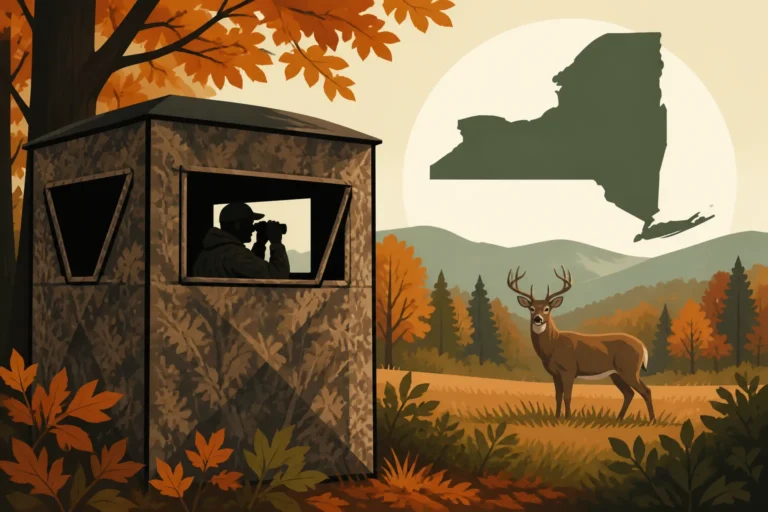
The biting chill of a New York November, the crunch of frozen leaves underfoot, the silent vigil in a cold treestand – these are experiences deeply ingrained in the heart of many Empire State hunters. But for many, the true essence of deer season isn't just about the hunt itself, but the cherished ritual of deer camp. It’s that annual migration to a shared space, a rustic cabin or even a cluster of tents, where friendships are forged, stories are spun, and the bonds of camaraderie become as strong as the heaviest buck pole. This guide dives deep into what makes New York deer camp traditions so special, exploring the timeless customs that keep hunters returning year after year.
What Makes a New York Deer Camp Special?
There's something almost magical about the idea of a deer camp, isn't there? For folks who spend most of their year navigating the hustle and bustle of city life or the demands of a busy work schedule, the deer camp offers a profound escape. It's a place where time slows down, and the rhythm of life aligns with the rising and setting sun, the whisper of the wind, and the hopeful pursuit of a whitetail. It’s more than just a place to sleep; it’s a living, breathing entity that holds generations of memories.
The History and Heartbeat of New York Camps
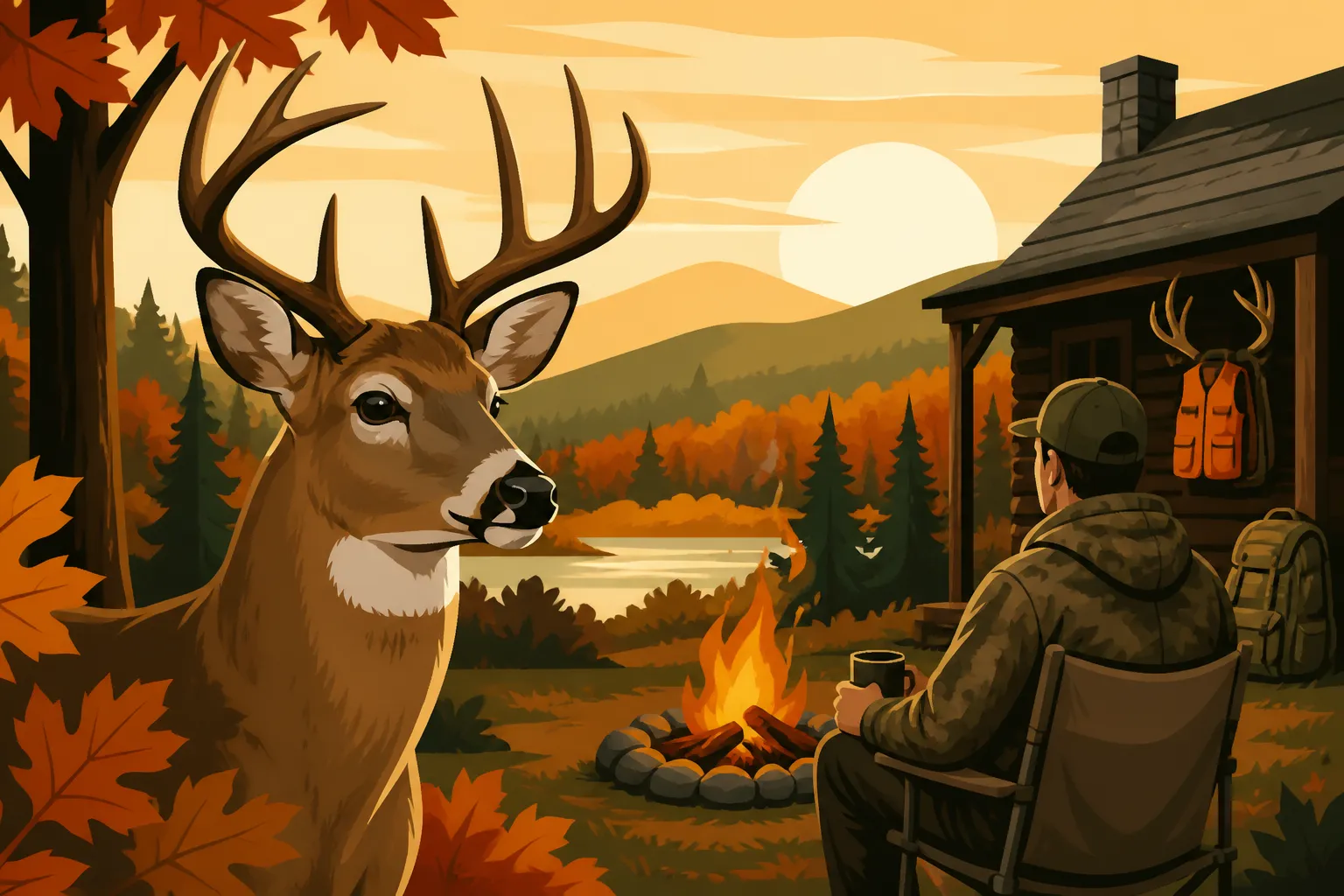
Deer camps across New York are steeped in history, many dating back decades, some even a century or more. Think of the old lumber camps that sprung up in the Adirondacks, or the simple shacks built by farmers in the Southern Tier to house hunting parties. These were utilitarian places, designed for shelter and practicality, but they quickly evolved into something far richer. Every nail, every creaking floorboard, every faded photograph tacked to a wall tells a story. You often find a mix of the old and new—a wood stove that’s seen a thousand winters next to a charging station for cell phones. The heartbeat of these camps is the continuity, the unbroken chain of hunters who’ve shared these spaces, endured the same cold, and celebrated the same successes. It’s a legacy that’s felt in the quiet moments before dawn and the boisterous laughter around the evening fire.
These camps often become multi-generational affairs. Grandfathers pass down the keys to their sons, who then introduce their own children to the hallowed grounds. It's not uncommon to find families who have hunted the same stretch of woods and slept in the same camp for over 50 years. This history creates an incredible sense of belonging and responsibility, a desire to uphold the traditions and ensure the camp's survival for the next wave of hunters. It’s a powerful connection to the land and to each other.
The Unique Blend of Hunters and Landscapes
New York is a vast and varied state, from the rugged peaks of the Adirondacks to the rolling farmlands of the Finger Lakes and the dense forests of the Catskills. Each region offers its own unique hunting challenges and, consequently, its own distinct camp culture. A camp nestled deep in the Adirondack Forest Preserve, with its emphasis on backcountry trekking and remote hunting, might feel very different from one in the Southern Tier, where hunters might be focused on Hunting Southern Tier Farmland Deer. Yet, the core values remain: mutual respect, shared effort, and a love for the hunt.
The blend of people is just as diverse. You'll find camps made up of childhood friends, work colleagues, and extended family members, all united by a common passion. Some camps are primarily archery hunters, while others focus on the firearm season. There are even camps that celebrate both, shifting gears as the seasons progress from Bowhunting New York's Long Archery Season to New York's Southern Zone Firearm Season. This diversity adds richness to the camp experience, as hunters bring different perspectives, skills, and stories to the table, creating a vibrant melting pot of traditions.
More Than Just Hunting: Community and Camaraderie
While the pursuit of whitetails is undeniably the central theme, New York deer camp traditions are truly about building and sustaining community. It's a place where social barriers melt away, and everyone is equal in their pursuit and shared experience. The camaraderie is palpable, whether it's helping a fellow hunter track a deer after dark, sharing wisdom about Treestand Setups in Adirondack Hardwoods, or simply lending a hand with camp chores.
This sense of community extends beyond just the hunting hours. It’s in the collective effort to prepare a meal, the quiet conversations over coffee, and the shared anticipation of what the next day will bring. For many, deer camp is one of the few times a year they get to truly disconnect from external pressures and reconnect with what matters: nature, friendship, and simple living. It provides a vital spiritual and social recharge, a reminder of the enduring power of human connection in the wild.
The Rituals and Rhythms of Camp Life
Every deer camp has its own distinct rhythm, a series of rituals that are repeated year after year, forming the backbone of the tradition. These aren't just random acts; they are carefully honed customs that contribute to the success of the hunt, the comfort of the camp, and the overall enjoyment of the experience. From the first crack of dawn to the last embers of the evening fire, camp life is a symphony of shared purpose.
Pre-Dawn Preparations and Post-Hunt Debriefs
The pre-dawn hours at deer camp are a sacred time. The aroma of strong coffee brewing, the sizzle of bacon on the griddle, and the quiet clatter of gear being readied create a sensory memory that's hard to forget. Hunters move with a quiet purpose, fueled by anticipation and the knowledge that the woods are about to come alive. There's a ritual to packing lunches, checking headlamps, and ensuring everyone has their Clothing for a New York November layered correctly for the day's conditions. This systematic preparation is key, ensuring everyone is safe and ready for the cold, dark walk to their stand or hunting area.
After a long day in the woods, whether successful or not, the post-hunt debrief is equally crucial. Hunters return to camp, shedding layers and sharing the day's events. "See anything?" is the universal greeting. This is where stories are told: the distant grunt, the squirrel that sounded like a deer, the buck that slipped away. It’s a chance to compare notes, analyze deer movement, and plan for the next day. For those who manage to harvest a deer, the camp erupts with excitement, and everyone pitches in to help with field dressing and processing, often sharing tips on Field Dressing a Deer in Cold Weather. This collective sharing of triumphs and near misses strengthens the bond and reinforces the shared experience.
The Importance of Camp Cooking and Shared Meals
Few things bind a deer camp together like food. Camp cooking isn't just about sustenance; it's an act of care and community. Whether it's a massive breakfast to fuel the morning hunt, hearty sandwiches for lunch in the stand, or a big, warm dinner to chase away the evening chill, meals are central. Potluck dinners are common, with each member contributing their specialty. Chili, stews, venison roasts, and enormous pots of pasta are typical fare, designed to warm the belly and lift spirits after hours in the elements.
| Meal | Typical Offerings | Importance |
|---|---|---|
| Breakfast | Coffee, bacon, eggs, pancakes, oatmeal, toast | Fuels the early morning hunt, provides warmth, quiet camaraderie. |
| Lunch | Sandwiches, granola bars, fruit, thermos of soup | Portable energy for the stand, often eaten quickly in the field. |
| Dinner | Chili, stew, venison steaks, spaghetti, roast, mashed potatoes | Reconnection, storytelling, celebrating successes, warming up. |
| Snacks | Cookies, chips, jerky, nuts | Keeps energy levels up throughout the day, shared around camp. |
The act of sharing a meal, especially after a successful harvest, is deeply ingrained. If a deer is brought back, everyone gets a piece, often processed right there in camp, teaching younger members how to properly care for their game through methods like Butchering a Deer at Camp. The kitchen, or designated cooking area, often becomes the social hub of the camp, filled with laughter, conversation, and the comforting smells of home-cooked food.
Storytelling, Laughter, and the Unwritten Rules
Oh, the stories! Every deer camp has its legendary tales: the monster buck that got away, the time someone got hopelessly lost, the prank that went horribly wrong. These stories, often embellished with each retelling, are the oral history of the camp, passed down from one generation to the next. They teach, they entertain, and they reinforce the shared identity of the group. Laughter is a constant companion, especially after a few hours of chasing deer through thick cover. It's the release valve, the reminder that while the hunt is serious, the fellowship is paramount.
Beyond the stories, there are the unwritten rules of camp. These are the unspoken agreements that ensure harmony and efficiency. Things like "don't wake a sleeping hunter unless the camp is on fire," "always offer to wash dishes," or "the person who didn't get a deer fetches the wood." These rules, though never explicitly stated, are universally understood and respected. They govern everything from assigning hunting spots, to sharing the best intel on Hunting the Rut in the Southern Zone, to the distribution of chores. Violating these unwritten rules might not lead to an official reprimand, but it certainly earns you the side-eye and a few good-natured jabs around the fire.
Passing the Torch: Mentorship and Legacy
Deer camp isn't just about preserving memories; it's about actively creating new ones and ensuring that the tradition continues. This involves a strong emphasis on mentorship, where experienced hunters guide newcomers, sharing not only practical skills but also the values and ethics that define responsible hunting.
Initiating New Hunters into Camp Culture
Bringing a new hunter into camp, especially a young one, is one of the most rewarding aspects of the tradition. It’s more than just teaching them how to shoot or identify deer sign; it’s about immersing them in the entire culture. From showing them how to properly scout with tools like GoHunt's mapping features before the season, to explaining the importance of silence in the woods, every interaction is a lesson. This initiation might begin with them observing, then slowly progressing to active participation. They learn the proper way to handle firearms, the importance of blaze orange, and the patience required for a long sit.
For many young hunters, their first deer camp experience is transformative. They learn about respect for the animal, the land, and their fellow hunters. They're taught about New York Hunter Education Requirements and why they're so vital. They see firsthand the dedication, the hard work, and the occasional disappointment that comes with hunting, but also the immense satisfaction of a successful pursuit shared with others. These early experiences lay the groundwork for a lifelong passion, fostering a deep appreciation for the outdoors and the traditions that come with it. The idea is to make them feel truly part of something bigger than themselves.
The Role of Elders and Experienced Hands
The elders and experienced hunters are the cornerstones of any good deer camp. They are the keepers of the knowledge, the storytellers, and the quiet leaders. Their wisdom, gained over countless seasons, is invaluable. They know the best spots, the deer movements, and how to read the weather signs. They often take on the mentorship role, patiently answering questions, demonstrating techniques, and providing encouragement. They embody the patience and respect that defines a true hunter.
These seasoned veterans are also the ones who often handle the more complex tasks, like navigating New York Legal Firearms for Deer Hunting rules, making sure everyone understands safety protocols, and ensuring the camp infrastructure itself is maintained. They’ve seen it all, from early season warmth to Hunting Deer in Deep Tug Hill Snow, and their steady presence provides a comforting anchor amidst the unpredictable nature of hunting. Their guidance helps to shape the character of the younger hunters, instilling in them not just hunting skills, but also integrity, perseverance, and a deep ethical understanding of their role in the ecosystem. This quiet leadership is crucial for maintaining the spirit and efficiency of the camp.
Preserving Traditions for Future Generations
The ultimate goal of mentorship in deer camp is to preserve the traditions for future generations. This isn't just about maintaining the physical camp; it's about passing on the intangible values. It's about teaching young hunters how to respect the game, understand conservation, and appreciate the land. It’s about instilling the importance of reporting a harvest through systems like Reporting a New York Deer Harvest Online to help with wildlife management. The conversation around the campfire about the importance of ethical hunting, clean kills, and responsible land stewardship is just as vital as any tactical advice.
Many camps take specific steps to involve younger members, through programs like New York Mentored Youth Hunting Rules, giving them responsibilities, and making them feel like an integral part of the team. This might include assigning them specific chores, having them help with meal preparation, or even giving them a role in planning the next day’s hunt. By actively involving them, the camp ensures that these traditions don't simply fade away but are instead embraced and carried forward, ensuring that the spirit of New York deer camp continues to thrive for decades to come.
Modern Twists on Timeless Traditions
While the heart of New York deer camp remains rooted in timeless traditions, the world around it is constantly evolving. Modern technology, shifting regulations, and new understandings of wildlife management inevitably influence how camps operate. The challenge, and often the beauty, lies in integrating these new elements without losing the soul of the traditional experience.
Integrating Technology Without Losing Soul
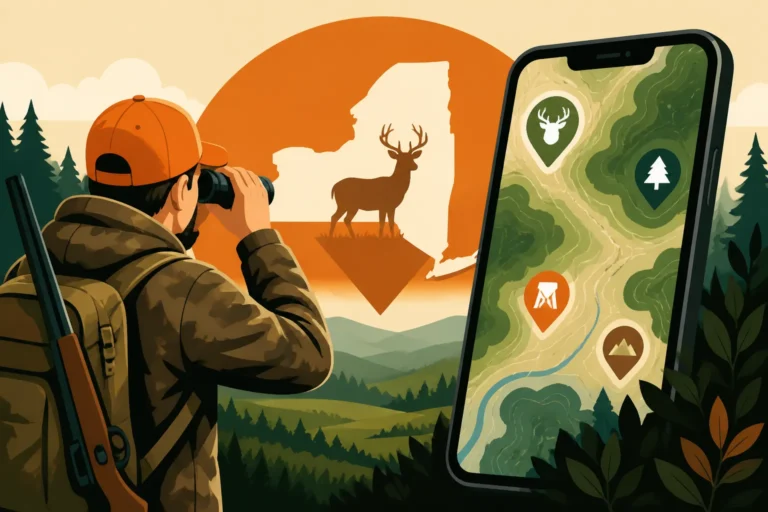
It’s easy to get caught up in the latest gadgets, but deer camp traditions often require a balance. While the core idea is to disconnect, modern tools can significantly enhance safety and success. GPS units and mapping apps, for instance, are invaluable for navigating vast public lands or locating property lines, helping hunters understand where they can safely pursue game. Using a mapping tool from a platform like GoHunt can help plan routes, identify potential bedding areas, or find funnels, making your Scouting New York Public Land Before Season much more effective. Trail cameras allow hunters to monitor activity without disturbing the woods, providing crucial intelligence.
The key is to use technology as a tool, not a crutch, and certainly not to let it overshadow the communal aspect of camp. The pre-dawn coffee and post-hunt stories still happen; the tech just adds another layer of information to those discussions. Some camps might even establish "tech-free zones" or "tech-free hours" to ensure that the focus remains on personal interaction and the natural environment. It's about finding that sweet spot where modern advancements support, rather than detract from, the rustic charm and camaraderie that define camp.
Adapting to Changing Regulations and Seasons
New York's hunting regulations are periodically updated, and deer camps must adapt. This could involve changes to antler point restrictions, new rules around New York Deer Management Permits Explained, or shifts in season dates. A good camp stays informed, with someone usually taking on the role of "regulation guru" to ensure everyone is compliant. This might mean reviewing the New York Deer Seasons by Zone annually, discussing new reporting requirements, or understanding specific rules for different WMUs.
These changes can sometimes be frustrating, especially for camps that have followed the same routines for decades. However, a hallmark of resilient deer camp traditions is their ability to evolve. Instead of seeing new rules as impediments, they can be viewed as opportunities to learn, strategize, and sometimes even improve hunting practices. For example, if a new regulation encourages antlerless harvest, it might lead to new strategies for filling those extra DMPs, fostering a different kind of hunting challenge that brings the camp together in problem-solving. It's a testament to the enduring spirit of hunters who are committed to the sport and the land.
Ensuring Camp Endures in a Changing World
The biggest challenge for New York deer camp traditions is ensuring their endurance in a rapidly changing world. With increasing urbanization, declining hunter numbers in some demographics, and the pressure of modern life, the future of these cherished camps isn't guaranteed. It takes active effort and dedication from its members to keep the flame alive. This means not just passing down hunting skills, but also fostering a love for the outdoors, a sense of responsibility for wildlife, and an appreciation for the unique community that camp provides.
Ensuring camp endures might involve pooling resources to maintain an old cabin, actively recruiting new, younger members to learn the ropes, or even adapting to new forms of "camp" – perhaps a group of friends who meet for a day hunt and gather around a portable fire pit. While the classic rustic cabin experience is iconic, the true spirit of deer camp lies in the shared passion and camaraderie, not necessarily the structure itself. By focusing on the core values of friendship, respect, and the love of the hunt, New York deer camp traditions can adapt and thrive, continuing to provide a vital connection to nature and community for generations to come.
Disclaimer
Please note that hunting regulations, license requirements, and season dates are subject to change. Always consult the official New York State Department of Environmental Conservation (DEC) regulations guide before planning any hunting activity. This content is for informational purposes only and does not constitute legal advice.