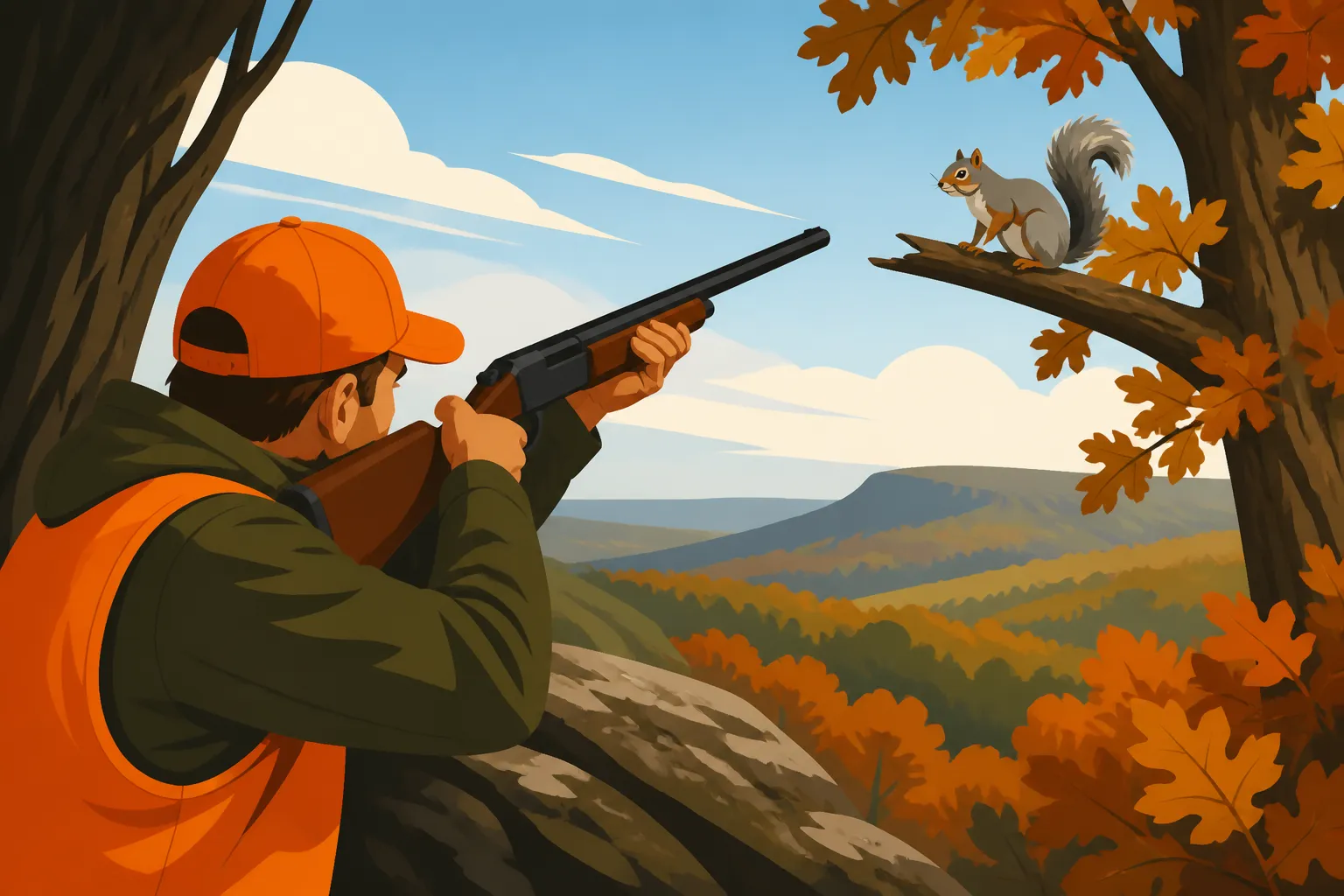
Squirrel Hunting a New York Oak Ridge
There's something uniquely satisfying about chasing squirrels on a crisp autumn morning in New York, a hunt that often gets overshadowed by the pursuit of bigger game. Yet, the challenge of locating these elusive, quick-moving critters in their natural environment, sharpening your tracking and stealth skills, and ultimately bringing home some delicious table fare is an experience every hunter should embrace. This guide will delve deep into the art of successfully hunting squirrels specifically along the abundant oak ridges found across New York State.
Decoding the New York Oak Ridge Habitat
New York is blessed with vast tracts of hardwood forests, and among them, oak ridges stand out as prime squirrel country. Understanding why these areas are so attractive to squirrels is the first step in successful hunting. It's not just about finding any oak tree; it's about recognizing the entire ecosystem that supports a thriving bushy-tail population.
Squirrels, particularly gray squirrels, are highly dependent on hard mast crops, with acorns being a top priority. Different species of oaks, like the common red oak and white oak, produce acorns at varying times and in different quantities, influencing squirrel behavior throughout the fall. Red oaks, for instance, typically drop their acorns later in the season, and their nuts are higher in fat, providing critical energy reserves as winter approaches. White oaks, on the other hand, drop earlier, and their acorns are sweeter, making them a preferred early-season food source. A ridge with a diverse mix of oak species will often hold squirrels for a longer duration, as they can transition from one food source to the next.
Beyond just the presence of oaks, a true "oak ridge habitat" for squirrels includes several key features. Look for areas with a dense, mature canopy that provides both cover from aerial predators and a network of branches for easy travel. Squirrels are tree dwellers, and while they forage on the ground, they rarely stray far from the safety of the vertical world. Ideal locations will also feature natural den trees – those with hollows, cavities, or abandoned woodpecker holes – which provide essential shelter from weather and predators, especially during colder months. You might also spot leaf nests, known as dreys, which are simply clumps of leaves and twigs high in the branches, serving as temporary homes or nurseries. Don't overlook the importance of water sources, even small seeps or trickles along the ridge, as squirrels need regular hydration, especially when their diet consists primarily of dry nuts.
Scouting an Oak Ridge for Active Squirrels
Successfully hunting squirrels on an oak ridge isn't just about showing up with a gun; it’s about intelligent scouting to find where the squirrels are right now. Their movements are dictated by food availability, and this can shift rapidly.
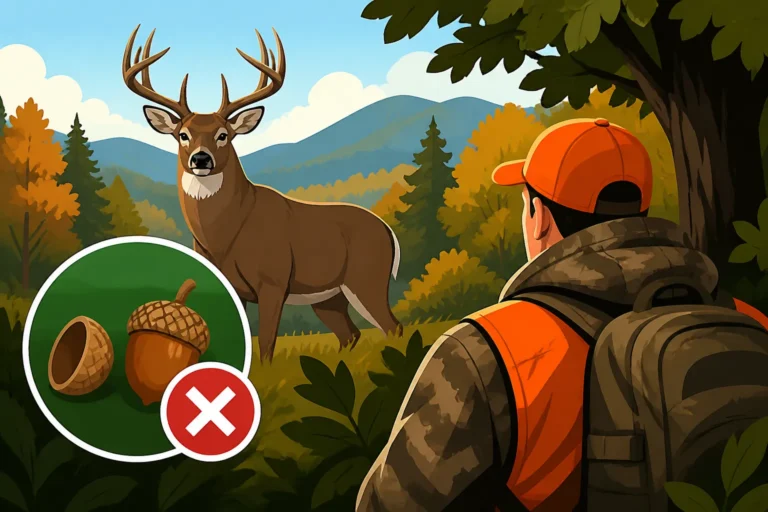
One of the most effective ways to identify active feeding areas is by "reading the cuttings." Squirrels are messy eaters, and when they feast on acorns, hickory nuts, or beech nuts, they leave behind tell-tale fragments of shells. These fragments, often concentrated under a specific tree or on a favorite log or rock, are known as cuttings. The key is to differentiate between old, weathered cuttings and fresh ones. Fresh cuttings will be brighter, have sharper edges, and might even still be damp. If you find a pile of fresh acorn caps and bits of meat, you've located an active feeding zone. This skill of Reading Cuttings Under an Oak is paramount for locating squirrel concentrations. Pay attention not only to what kind of nut they're eating but also where they're processing it. Sometimes they’ll carry a nut to a preferred perch for safety.
Squirrel movements are rarely random; they often follow natural contours of the land. Subtle ridges and ravines can act as funnels, much like deer use them, guiding squirrels between feeding areas, den sites, and water sources. Analyzing these topographical features before your hunt can be incredibly beneficial. Tools like the GoHunt app, or the DEC’s own Scouting With the New York HuntFishNY App, can be invaluable here. You can use these mapping platforms to study contour lines, identify potential travel corridors, and even mark stands of oak trees you’ve spotted from satellite imagery. Look for saddlebacks in ridges or draws that lead down to a creek bed; these are natural highways for all kinds of wildlife, including squirrels. By pinpointing these high-traffic areas on a map, you can significantly narrow down your search and maximize your time in the woods. This is especially true on large public tracts like those found in New York State Forest Hunting or other Public Hunting Land in New York.
Proven Tactics for Hunting New York Oak Ridge Squirrels
Once you've found an active oak ridge, it’s time to decide on your approach. There are several effective ways to hunt squirrels, each with its own advantages, depending on the terrain, time of day, and your personal preference.
The art of still-hunting is perhaps the most classic and rewarding method for squirrels. This involves moving through the woods at an incredibly slow and deliberate pace, pausing often to scan the trees and forest floor. Think of it as stalking, but with a much slower tempo. Take two or three steps, then stop and look for several minutes. Use your binoculars to pick apart tangles of branches and look for the flick of a tail or the outline of a squirrel pressed against a trunk. Pay close attention to the tops of trees, where they might be cutting nuts, and to the ground where they might be burying them. The key is patience; many squirrels are located not by seeing them move, but by spotting them perfectly still. This method also requires you to utilize cover and shadows to break up your outline, minimizing your disturbance as you slowly advance.
Alternatively, a sit-and-wait ambush can be incredibly productive, particularly during peak feeding times like early morning or late afternoon. Choose a stand location near the base of one of those active feeding trees you identified during scouting, or along a well-used travel corridor. You’ll want a spot that offers good visibility into the canopy and around the base of several oak trees. Get into position well before first light, or several hours before dusk, and allow the woods to settle down. Squirrels, being naturally curious, will often emerge from their dens or hiding spots once they perceive the immediate threat has passed. The advantage here is minimizing your own movement, which can spook wary squirrels. You'll often find that the squirrels that have been hiding will eventually reveal themselves if you stay still long enough.
For a more active approach, especially in larger oak stands or when hunting with a friend, working a ridge with a partner or even a good squirrel dog can significantly increase your success. If hunting with a partner, one hunter can slowly still-hunt up one side of a ridge while the other parallels them along the other side, or slightly behind. Squirrels that are pushed by one hunter may run into the line of sight of the other. Communication is key here to maintain safety and maximize coverage. If you have a well-trained squirrel dog, they can be an absolute game-changer. A good dog will bark "treed," indicating they’ve located a squirrel, saving you countless hours of searching. Just be sure you understand all relevant New York regulations regarding Hunting Squirrels in New York Hardwoods with dogs on public lands, as rules can vary.
Essential Gear and Safety for Your Squirrel Hunt
Heading out to hunt squirrels in a New York oak ridge requires a few key pieces of gear, along with a strong emphasis on safety and adherence to regulations. The right equipment can make your hunt more comfortable, productive, and secure.
When it comes to firearms, many squirrel hunters opt for a .22 caliber rifle. Its accuracy, low recoil, and quiet report make it ideal for headshots, which preserve more meat. Make sure your .22 is sighted in properly, as squirrels present a small target. Solid point ammunition is usually preferred over hollow points for penetration. For hunters who prefer a bit more flexibility, or anticipate shots at moving squirrels in thick cover, a small gauge shotgun like a .410 or a 20 gauge can be an excellent choice. Shotguns loaded with #5 or #6 shot offer a wider pattern, increasing your chances on a quick-moving target. The choice between a rifle and a shotgun often comes down to personal preference and the specific conditions of your hunting area. While this guide focuses on squirrels, understanding the New York Legal Firearms for Deer Hunting can also provide useful context on firearm regulations for different game.
Your clothing needs to be practical for the conditions. Dress in layers, as fall mornings in New York can be chilly, but the midday sun can warm things up quickly. Choose quiet fabrics like wool or fleece to minimize noise as you move through brush. While full camouflage isn't strictly necessary, drab greens, browns, and grays will help you blend in. A good small game vest is invaluable for carrying extra ammunition, water, snacks, and, most importantly, the squirrels you harvest. For navigation, a reliable GPS unit or a mapping app on your phone (like GoHunt, which often integrates satellite imagery and topo maps) is essential, especially when venturing deep into large public land parcels. Always carry a compass and know how to use it, even if you rely on electronics, as cell service can be spotty in many remote Public Hunting Land in New York locations.
Safety should always be your top priority. Always know your target and what is beyond it; squirrels often perch high in trees, so be acutely aware of your backdrop. Wear hunter orange or pink as required by New York State regulations, especially when other hunting seasons, like deer season, overlap. Familiarize yourself with New York's specific small game seasons, daily bag limits, and legal shooting hours by checking the current DEC regulations or reviewing information on New York Small Game and Upland Bird Seasons. Ensure you have a valid New York hunting license, which you can typically obtain through New York Resident Hunting License Options or non-resident options. If you're a new hunter, remember that New York Hunter Education Requirements are mandatory to ensure everyone practices safe and responsible hunting.
Table: Popular Squirrel Hunting Firearm Choices
| Firearm Type | Caliber/Gauge | Pros | Cons | Ideal Shot Distance |
|---|---|---|---|---|
| Rifle | .22 LR | Highly accurate, quiet, inexpensive ammo, preserves meat | Requires precise shot placement, harder on moving targets | 20-50 yards |
| Shotgun | .410, 20 ga. | Easier to hit moving targets, forgiving pattern | Can damage more meat, louder, specific chokes helpful | 10-35 yards |
| Air Rifle | .177, .22 | Very quiet, no recoil, accurate | Limited range, can be less powerful, specialized equipment | 10-30 yards |
This table provides a quick overview, but always consider your personal skill level and the specific conditions of your hunting ground when making your choice.
Disclaimer
The information provided in this guide is for educational purposes only and is based on general hunting principles and publicly available New York State hunting regulations. Hunting laws and regulations are subject to change. It is the responsibility of every hunter to consult the most current New York State Department of Environmental Conservation (DEC) hunting regulations and to obtain all necessary licenses and permits before engaging in any hunting activity. Always prioritize safety, ethical hunting practices, and respect for wildlife and private property.