Hunting the Long Island Salt Marshes
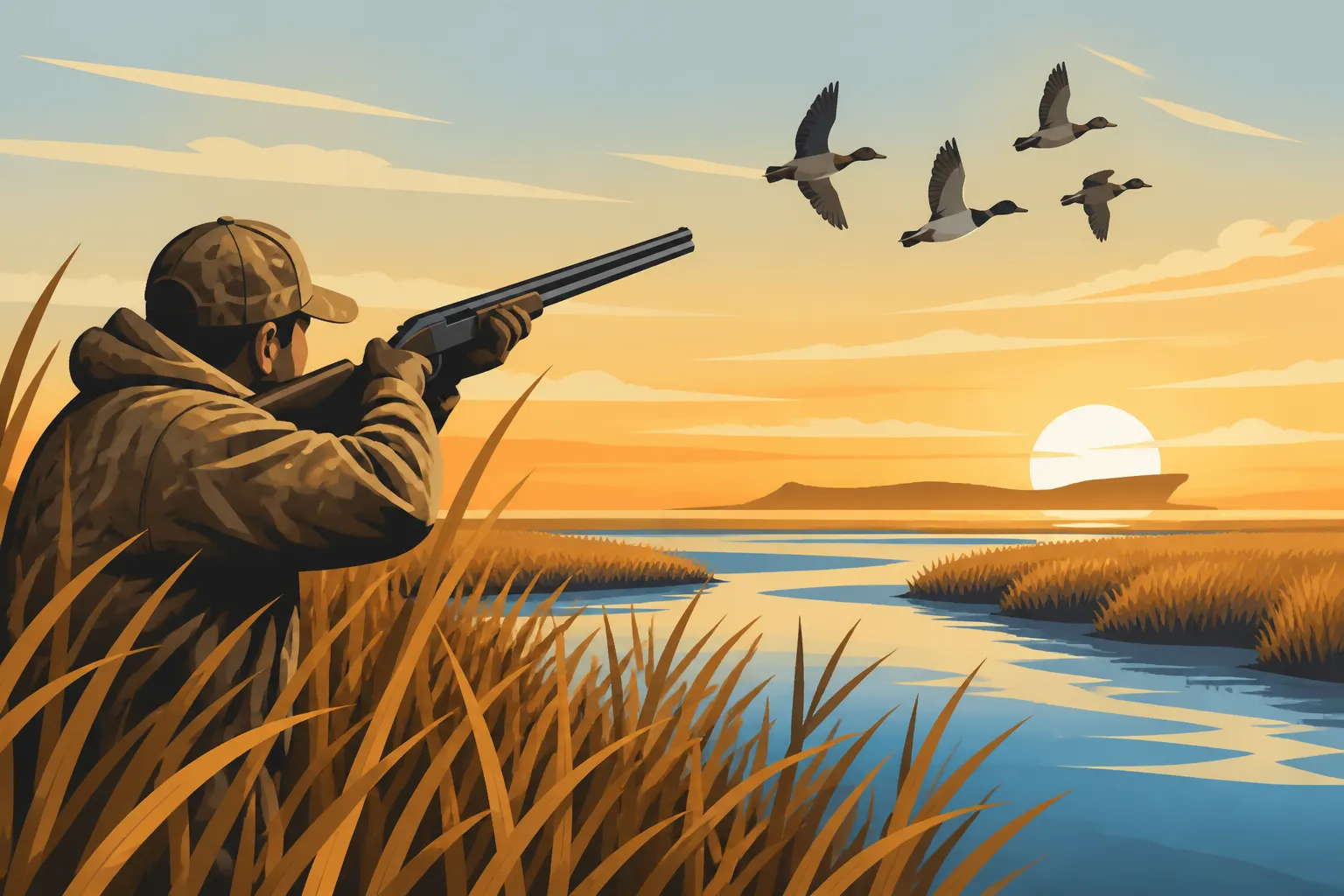
If you've ever felt like hunting opportunities on Long Island are few and far between, especially when compared to the vast expanses upstate, you're not alone. Many hunters overlook the incredible, albeit challenging, potential held within the island's expansive salt marshes. But let me tell you, these unique coastal environments offer a distinct and rewarding experience, primarily for waterfowl. This guide is all about equipping you with the knowledge, strategies, and grit needed to successfully navigate and hunt the rich, dynamic world of the Long Island salt marshes.
Understanding the Long Island Salt Marsh Ecosystem
Hunting the salt marshes of Long Island isn't like hunting a beaver pond in the Catskills or a cut cornfield in the Southern Tier. It's an entirely different beast, driven by the relentless rhythm of the tides and the specific adaptations of the wildlife that call it home. Understanding this intricate environment is the first step toward putting birds in your bag.
Unique Habitat Challenges and Opportunities
The first thing that strikes you about a Long Island salt marsh is its sheer, sprawling flatness, often covered in dense stands of cordgrass, or Spartina alterniflora, which can grow taller than a man. Interspersed with these grass islands are winding tidal creeks, expansive mudflats, and shallow ponds that appear and disappear with the ebb and flow of the ocean. This constant flux is both the biggest challenge and the greatest opportunity.
When the tide is high, much of the marsh is submerged, pushing birds to higher ground, adjacent fields, or open water. As the tide recedes, vast mudflats become exposed, revealing a buffet of marine invertebrates that ducks and geese absolutely gorge themselves on. This means your hunting strategy can't be static; it has to be dynamic, adapting to the water levels that change every six hours or so. Anyone who's tried to cross a "dry" section of marsh only to sink knee-deep in clinging mud understands the frustration, but it also creates natural barriers that can concentrate game in specific areas. The currents, especially in the larger tidal creeks, can be surprisingly strong, adding another layer of complexity to everything from setting decoys to retrieving a downed bird.
Key Game Species to Target
While the salt marsh might seem barren to the uninitiated, it's a vibrant ecosystem teeming with life, especially migratory birds. For hunters, the primary targets are almost exclusively waterfowl. You'll find a healthy mix of dabbling ducks, divers, and geese making these marshes their home or a vital stopover on the Atlantic Flyway.
Black ducks are kings of the salt marsh. They thrive in brackish water, preferring the shallow, muddy edges and tidal pools where they can tip-up and feed. Mallards are also common, often seen dabbling alongside their darker cousins. You'll also encounter various species of mergansers, typically in the deeper channels, and occasionally pintails or widgeon. When it comes to diving ducks, scaup (or "bluebills"), buffleheads, and goldeneyes are frequently seen in the larger bays and estuaries connected to the marsh. Geese are another major draw. Resident Canada geese are plentiful, and during migration, you'll often see Brant, a smaller, darker goose that has a particular affinity for coastal areas and feeds heavily on eelgrass. Knowing which birds frequent which areas, and when, will greatly inform your scouting and setup. For a deeper dive into overall waterfowl regulations, be sure to check out the guide on New York Waterfowl Hunting by Zone.
Essential Gear and Setup for Marsh Hunting
The salt marsh demands specialized gear. You simply can't show up with your standard treestand setup and expect success. The corrosive salt water, the treacherous mud, and the often-frigid temperatures require thoughtful preparation and durable equipment.
Waders, Boats, and Decoy Spreads
Your most crucial piece of gear, without a doubt, will be a good pair of chest waders. I'm talking about good waders – not the cheap pair you bought on a whim. Neoprene waders are popular for their insulation, but breathable waders with good layering underneath are often more comfortable for long treks and varying temperatures. They need to be tough, capable of standing up to abrasive marsh grass and hidden snags. Trust me, a leak in the salt marsh is a miserable, potentially dangerous experience. For more detailed advice on this, you'll want to read about Waders for New York Marsh Hunting.
Getting around in the marsh often requires a boat. A shallow-draft boat like a kayak, canoe, or a small skiff is ideal for navigating the tidal creeks and retrieving downed birds. These don't need to be fancy; utility and stability are key. They also serve as an excellent platform for hauling decoys and other gear. If you're hunting in areas with firmer ground, a lightweight game cart can be helpful, but generally, the boat is your best friend.
When it comes to decoys, think realism and durability. Black duck decoys are a must-have, as are mallard decoys. If Brant are present, a dedicated spread of Brant decoys can be incredibly effective. Consider adding a few diver decoys if you're set up near deeper water. Texas rigs are a popular choice for their quick setup and retrieval, especially in muddy conditions. For black ducks, a dozen or two can be plenty, scattered loosely to mimic feeding birds. For Brant, you might need a larger spread to grab their attention. Experiment with different densities and placements. To learn more about optimizing your decoy setup, check out Decoy Spreads for New York Divers for some transferable tips.
Blinds, Shotguns, and Ammunition
The vastness of the salt marsh means natural cover can be sparse or inconsistent. Sometimes you can simply tuck into a thick clump of cordgrass, but often, a portable blind is necessary. Layout blinds, typically used in open fields, can be adapted for marsh hunting if you're on a firm mudflat or a slightly elevated grass island. The key is to make it disappear. Use local vegetation like marsh grass to brush it in, blending it seamlessly with the surroundings. A simple A-frame blind constructed from poles and marsh grass can also be highly effective, offering better concealment against the often-featureless horizon.
Your shotgun needs to be reliable and capable of standing up to the harsh, corrosive environment. A 12-gauge is the standard, offering the versatility to handle various shot sizes and loads. Brands like Remington, Mossberg, or Benelli are common choices, known for their ruggedness. Make sure it's well-maintained and thoroughly cleaned after every hunt to combat rust.
Ammunition choice is critical. Non-toxic shot is mandatory for all waterfowl hunting in New York. This means no lead shot. Steel shot is the most common and affordable option, but bismuth and tungsten-alloy loads offer superior density and performance, albeit at a higher cost. For general duck hunting, #2 or #3 steel shot is a good all-around choice. For larger birds like Canada geese or Brant, B.B. or T shot in steel might be preferred. It's always a good idea to pattern your shotgun with your chosen loads before heading out, ensuring you know its effective range. Remember, beyond your firearm and ammo, you'll also need a New York Federal Duck Stamp Requirement and New York HIP Certification for Bird Hunters to legally hunt migratory birds.
Strategies for Success in the Salt Marsh
Hunting the Long Island salt marsh isn't just about showing up with the right gear; it's about understanding the subtle cues of the environment and the behaviors of the birds. This requires diligent scouting and a flexible approach.
Tides, Weather, and Bird Behavior
The tide is your absolute commander in the salt marsh. It dictates everything: when birds feed, where they rest, and when they move. Mastering tide charts is paramount. On a falling tide, ducks and geese will often follow the receding water, moving onto newly exposed mudflats to feed on snails, clams, and other invertebrates. Setting up on the edges of these feeding zones as the water drops can be incredibly productive. Conversely, on an incoming tide, birds will often move off the flats as they submerge, sometimes heading to open water or adjacent fields. Anticipating these movements is key. Many successful marsh hunters plan their entire hunt around a specific tide phase, knowing exactly when to arrive and when to pack up.
Weather also plays a significant role. Wind, especially, can make or break a hunt. A stiff breeze can create chop on the water, making your decoys look more lifelike. It also helps conceal your movements and carries your calls. More importantly, birds almost always land and take off into the wind. This means positioning your decoys and blind to take advantage of the prevailing wind direction is crucial. A strong wind can also push birds lower, making them more susceptible to decoying. Fog can create eerie, challenging conditions, but can also bring birds in close, as their visibility is limited.
Understanding bird behavior means knowing their feeding patterns, preferred resting spots, and flight paths. Black ducks, for instance, are notoriously wary. They often circle multiple times before committing. A conservative calling approach – less is often more – combined with excellent concealment is usually most effective. Brant are also particular, often flying in tight flocks and keying into large, realistic decoy spreads. Spending time observing the marsh before the season, watching how birds use different areas at different tide stages, is invaluable. A tool like GoHunt can help you mark these observations on aerial maps for future reference.
Accessing Public Marshland and Safety
Long Island offers numerous public access points to its salt marshes, primarily through the New York State Department of Environmental Conservation (DEC) and various state parks. Areas like the South Shore Estuary Reserve, along with specific WMAs such as Oak Beach or Great South Bay WMA, provide opportunities. It’s absolutely critical to research specific regulations for each area, as they can vary. The Long Island State Parkland Hunting Rules might be different from DEC-managed lands. Many of these areas require special permits or have specific access rules.
Safety in the salt marsh cannot be overstated. The environment itself poses significant hazards. Strong currents, particularly during tide changes, can make wading dangerous and sweep away gear. The soft, mucky bottom can trap you, making simple walking a strenuous task. Always hunt with a partner, and make sure someone knows your hunting plan and expected return time. Carry a fully charged cell phone (in a waterproof bag!) and a reliable GPS unit or a smartphone with a robust mapping app. Apps like GoHunt or other navigation tools are critical because, in the vast, featureless marsh, it's incredibly easy to get disoriented, especially as fog rolls in or darkness falls. A compass and paper map are excellent backups. Be aware of the risks of hypothermia, even on seemingly mild days, as cold water immersion is a constant threat. A change of clothes in a dry bag and a small first-aid kit are prudent additions to your pack.
Common Challenges and How to Overcome Them
Hunting the Long Island salt marshes is not for the faint of heart. It presents a unique set of challenges that can test even the most experienced hunter. But with a realistic approach and some learned techniques, these challenges can be overcome, leading to deeply satisfying hunts.
Dealing with Mud and Currents
Anyone who's sunk knee-deep, or even waist-deep, in the clinging, smelly mud of a Long Island marsh knows the frustration. It's exhausting, slow, and can quickly turn a fun morning into a survival exercise. The mud is often deceptively firm on the surface, only to give way suddenly.
The key to dealing with mud is careful planning and proper footwear. Your waders need integrated boots with good traction, but even then, sinking is inevitable. When scouting, pay close attention to the firmness of the ground. Look for areas that have a slightly firmer base, perhaps higher ground that gets less inundation. When walking, use a wading staff or a sturdy stick to probe the bottom ahead of you. This helps you identify deeper pockets of mud or hidden channels before you step into them. If you get stuck, stay calm. Don't pull straight up, which only creates more suction. Instead, wiggle your leg and push down with your boot to break the suction before trying to lift.
Currents are another major factor, especially in tidal creeks. They can make setting decoys a chore, pulling them out of formation, and can make retrieving downed birds a race against the tide. Always anchor your decoys securely. Use heavier weights than you might in calmer waters. When retrieving a bird, factor in the current; it will carry the bird, so aim to intercept it downstream. If you’re using a boat, understanding the current is vital for safe navigation and avoiding being swept into unintended areas or out into open water. Planning your entry and exit points with the tides in mind can mitigate many of these issues.
Managing Hunting Pressure and Decoy Spreads
Long Island is a densely populated area, and while the marshes offer solitude compared to some upstate spots, they still experience hunting pressure. Birds quickly learn where the "hot" spots are and become wary. This means you might not always have the marsh to yourself, and the birds might be skittish.
To combat hunting pressure, try to find areas that are harder to access. This might mean a longer hike, a more challenging boat ride, or an area that requires navigating trickier currents. Most hunters will take the path of least resistance, so by going a little further or tackling a slightly more difficult approach, you often find less pressured birds. Using aerial maps from services like GoHunt to scout for these remote pockets can be incredibly useful, allowing you to identify hidden coves or less-obvious tidal creeks that other hunters overlook.
Your decoy spread also needs to be adaptable. If birds are flaring from your main spread, try creating a smaller, more subtle "confidence" spread closer to your blind. Sometimes less is more, especially with wary black ducks. Ensure your decoys are clean, realistic, and move naturally in the water. Motion decoys, like spinning-wing ducks, can be effective on calm days but can sometimes spook wary birds if overused. Pay attention to how the birds are reacting. If they're flaring at 60 yards, they're telling you something about your setup or concealment. Adjust, refine, and always prioritize blending into your surroundings. The Long Island salt marsh is a challenging environment, but with patience, persistence, and a willingness to learn its unique rhythms, it offers some of the most memorable waterfowl hunting New York has to offer.
| Tide Phase | Bird Activity | Best Hunting Strategy | Challenges |
|---|---|---|---|
| High Tide | Birds move to open water, higher marsh edges, or fields | Focus on flyways, transition zones, or adjacent feeding areas | Limited accessible feeding areas for ducks |
| Falling Tide | Birds follow receding water to newly exposed mudflats | Set up on edges of feeding zones, anticipating bird movement | Getting stuck in mud as water drops |
| Low Tide | Concentrated feeding on exposed mudflats | Target birds actively feeding; use incoming tide for setup | Birds may be wary in wide-open spaces; access can be difficult |
| Rising Tide | Birds move off mudflats as water rises | Anticipate movement back to open water or roosting areas | Strong currents can complicate decoy retrieval |
Disclaimer
Please remember that hunting regulations and conditions can change. Always consult the most current New York State Department of Environmental Conservation (DEC) regulations before heading out into the field. Safety should always be your top priority when hunting, especially in challenging environments like salt marshes.