New York HIP Certification for Bird Hunters
It can be incredibly frustrating to gear up for a day of waterfowl or migratory bird hunting in New York, only to realize you’ve forgotten a crucial, yet easily overlooked, piece of paperwork: your Harvest Information Program (HIP) certification. Many hunters, especially those new to migratory birds or just trying to keep up with changing regulations, find themselves scratching their heads, wondering why this extra step is necessary. This guide will meticulously break down everything you need to know about New York’s HIP certification, ensuring you're fully compliant and ready for the field.
Understanding HIP Certification: Why It Matters for New York Bird Hunters
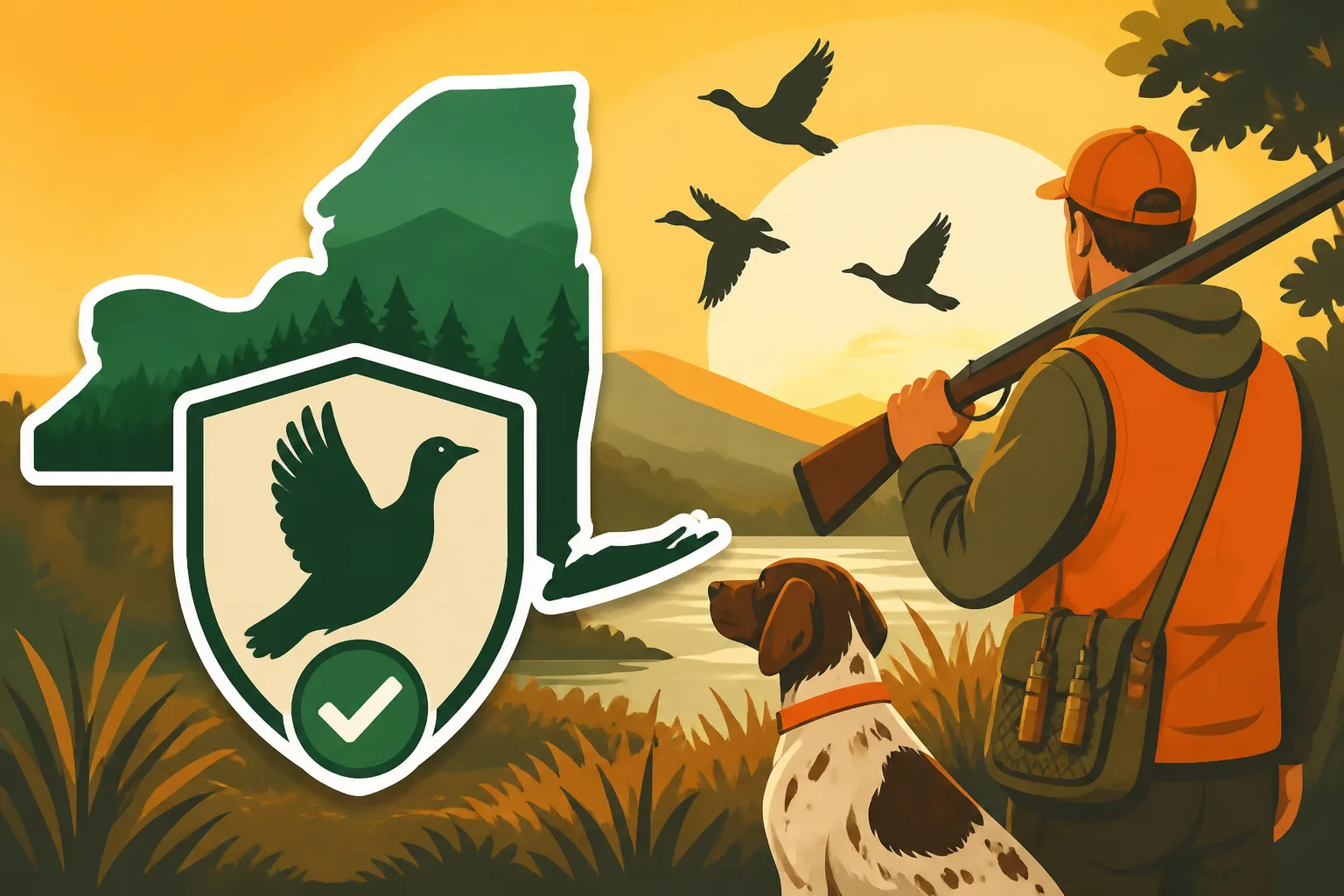
Hunting migratory game birds in New York is an incredible experience, from calling in greenheads over a frosty pothole to chasing woodcock through tangled alder thickets. But unlike deer or bear hunting, there's a federal layer of regulation that applies to these highly mobile species, and the Harvest Information Program (HIP) certification is a cornerstone of that system. It's not just another hoop to jump through; it's a vital tool for wildlife management that directly impacts the seasons and bag limits we all enjoy.
What is HIP and Who Needs It?
At its core, HIP is a federal program designed to collect harvest data for migratory game birds. Administered by the U.S. Fish and Wildlife Service (USFWS) in cooperation with state wildlife agencies like the New York State Department of Environmental Conservation (DEC), it requires all hunters of specific migratory species to identify themselves and answer a few questions about their hunting activity. This isn't just a New York thing; it’s a nationwide program, so if you hunt migratory birds in any state, you'll need to be HIP certified for that specific state.
In New York, if you plan to hunt ducks, geese, brant, woodcock, snipe, rails, or coots, you absolutely need a valid HIP certification. This is in addition to your regular hunting license and, for waterfowl, your Federal Duck Stamp. It’s important to remember that HIP certification is tied to the state where you'll be hunting. So, if you're a New York resident but plan a trip to Pennsylvania for ducks, you’ll need a Pennsylvania HIP certification, not just your New York one. Many hunters, especially those who hunt across state lines, often overlook this detail, leading to potential fines or a ruined hunt. It's a simple, free process, but forgetting it can put a real damper on your day.
The Data Collection Process and Its Importance
The questions you answer when you register for HIP certification aren't random. They're designed to help the USFWS and DEC estimate the number of hunters and their success rates for various migratory bird species. For example, you might be asked if you hunted ducks last year, and if so, approximately how many you harvested. From this pool of certified hunters, a small percentage is then randomly selected to participate in more detailed national harvest surveys. These surveys provide crucial data on harvest numbers, hunter effort, and population trends.
Think of it this way: without accurate data, wildlife managers are essentially flying blind. Migratory birds don't recognize state borders, and their populations are influenced by factors across their entire flyway. The data collected through HIP helps biologists understand these populations better, allowing them to set sustainable seasons and bag limits that protect the resource while still providing ample hunting opportunities. If you want to dive deeper into the science behind population management, a great resource is the New York Waterfowl on the Atlantic Flyway section on our site, which explains how these birds are monitored. So, while it might seem like just another form, your honest answers contribute directly to the future of migratory bird hunting. It's about ensuring future generations get to experience the same thrills you do.
Getting Your New York HIP Certification Done Right
Navigating the various licenses and certifications required for hunting in New York can sometimes feel like a maze, and HIP certification is one of those steps that’s easy to miss if you’re not paying close attention. Thankfully, getting your New York HIP certification is usually a quick and straightforward process, especially with modern online tools.
Step-by-Step Guide to Getting Certified
The good news is, getting your New York HIP certification is free and doesn't involve any additional fees beyond your regular hunting license. The most common and convenient way to do it is online through the New York State DEC’s licensing system, typically accessed via their HuntFishNY platform or their dedicated app.
Here’s how it usually works:
- Purchase Your Hunting License: First things first, you need to have a valid New York hunting license. You can purchase your New York Hunting Licenses and What They Cost either online, through a licensed vendor like a sporting goods store, or directly at a DEC office.
- Access the Certification Portal: Once you have your hunting license, log into your profile on the HuntFishNY website or open the app. There should be a clear option to "Register for HIP" or "Migratory Bird Certification."
- Answer the Survey Questions: You'll be prompted to answer a short series of questions. These usually include:
- Which migratory birds do you intend to hunt this season (e.g., ducks, geese, woodcock)?
- Did you hunt migratory birds last season?
- If so, approximately how many of each species did you harvest? Don't worry about being exact; reasonable estimates are perfectly fine. They're looking for trends, not precise numbers from a logbook.
- Confirm and Print/Save: After submitting your answers, you'll receive confirmation of your HIP certification. This is crucial. Make sure you print this confirmation or save a digital copy to your phone. It’s your proof that you’ve completed the certification. Tools like the GoHunt app can often integrate your license and certifications, making it easy to keep everything in one place.
- Repeat Annually: Remember, HIP certification is required annually and expires at the end of each licensing year (typically August 31st). So, even if you were certified last year, you'll need to do it again for the upcoming season.
For those who prefer not to use online systems, you can also get HIP certified when you purchase your license in person at a vendor. Just be sure to specifically ask for it, as it's an add-on that needs to be processed.
Common Pitfalls and How to Avoid Them
Even with a relatively simple process, hunters occasionally run into issues with HIP certification. Being aware of these common pitfalls can save you a headache later:
- Forgetting to Certify Entirely: This is by far the most common mistake. Hunters might buy their license and duck stamp, then completely overlook the HIP certification. Always make it a habit to complete your HIP certification immediately after purchasing your main hunting license for the season. Set a reminder in your phone or mark it on your calendar.
- Certifying for the Wrong State: As mentioned, HIP is state-specific. If you hunt in New York and travel to, say, Connecticut, you need a Connecticut HIP certification. Don't assume your New York certification covers you elsewhere. If you use a platform like GoHunt to manage your licenses, double-check that you're selecting the correct state's HIP certification.
- Losing Proof of Certification: While wardens can often look up your status, it’s always best to have physical or digital proof on hand. Just like your hunting license, your HIP certification needs to be available for inspection while you are afield. A screenshot on your phone, a printout tucked into your license holder, or having it linked in a reliable hunting app is highly recommended.
- Not Answering Truthfully: While no one expects you to have a perfect log of every single duck you harvested last year, providing a gross underestimate or overestimate can skew the data. Do your best to give an honest approximation of your previous season's activity. Remember, this data helps manage the resource for everyone.
By being mindful of these points, you can ensure your HIP certification is always in order, allowing you to focus on the hunt itself.
Which Birds Require HIP Certification in New York?
It's easy to get confused about which birds fall under the "migratory game bird" umbrella, especially since some birds you hunt, like grouse, might feel migratory but aren't categorized as such by federal law. The distinction is critical for understanding when HIP certification is necessary.
Migratory Game Birds You Need to Report
The U.S. Fish and Wildlife Service defines migratory game birds, and these are the species for which HIP certification is mandatory in New York:
- Ducks: All species of ducks, including mallards, black ducks, wood ducks, divers, and puddlers. If it quacks like a duck and flies like a duck, it needs HIP. If you’re planning a trip, be sure to check
New York Duck Zones and Seasonsas regulations can vary significantly by region. - Geese: Both Canada geese and snow geese require HIP certification. Early goose season can be a fantastic time to get out, and knowing the Early Goose Season Tactics in New York can make a big difference, but don’t forget that HIP.
- Brant: These smaller, sea-loving geese are less common inland but if you hunt them along coastal areas or large lakes, HIP is required.
- Woodcock: Often pursued by upland hunters, woodcock are indeed migratory and fall under HIP requirements. For those interested, you can find out When New York's Woodcock Season Opens to plan your hunts.
- Snipe: Similar to woodcock, common snipe are migratory shorebirds that require HIP certification if hunted.
- Rails: Species like Virginia rails and Sora rails are migratory and require HIP certification.
- Coots: These dark, duck-like birds found in marshes also require HIP certification.
- Doves: While not traditionally hunted by many in New York, if a season were to open for mourning doves, HIP certification would be a prerequisite.
Essentially, if the bird you're pursuing spends part of its life cycle migrating between breeding and wintering grounds across state or international borders, it's highly likely to be a migratory game bird requiring HIP certification.
Birds That Don't Require HIP
To help clarify, it's also useful to know which game birds, despite being hunted, do not require HIP certification because they are considered resident game birds or non-game species by federal law. These include:
- Wild Turkeys: While turkeys do move seasonally, they are considered resident game birds by federal definition. You'll need a specific New York Spring Turkey Season Rules permit for spring hunting or be aware of Hunting New York's Fall Turkey Season dates, but no HIP is needed.
- Ruffed Grouse: These iconic forest birds are resident and do not require HIP. If you're interested in pursuing them, checking out
New York Ruffed Grouse and Woodcock in New Yorkprovides excellent information on both species, even though only woodcock require HIP. - Pheasants: Stocked pheasants and remnant wild populations are also resident game birds. Information on New York Pheasant Season and Stocking is available, but HIP is not.
- Quail: Like pheasants, any quail hunting in New York would not require HIP certification.
- Crows: Surprisingly, crows are considered migratory game birds federally but are not included in the HIP program. You can hunt crows in New York with a small game license, but without needing to certify for HIP. This is a nuance many hunters miss.
- Small Game (Squirrels, Rabbits, Hares): These species are firmly in the "small game" category and are resident animals, thus not requiring HIP certification. You can learn more about New York Small Game and Upland Bird Seasons to see all the opportunities available.
Understanding this distinction is key to staying legal and prepared for your hunts. When in doubt, always err on the side of checking the DEC regulations or completing the HIP certification if there's any migratory species on your target list.
Beyond Certification: Other Essential Requirements for New York Waterfowl and Migratory Bird Hunting
While HIP certification is critical, it's just one piece of the puzzle for migratory bird hunters in New York. There are other fundamental requirements you'll need to satisfy before you even think about setting up a decoy spread or walking an alder run for woodcock. Ignoring these can lead to serious legal issues and hefty fines.
Federal Duck Stamp and State Hunting License
Before you even think about migratory bird hunting, you need to ensure your basic licensing is in order.
- New York State Hunting License: This is your foundation. Any hunter in New York, regardless of what they're pursuing, must possess a valid New York State hunting license. This provides the general privilege to hunt game within the state's regulations. Without it, none of the other permits or stamps matter.
- Federal Migratory Bird Hunting and Conservation Stamp (Federal Duck Stamp): This is where many people get confused, often conflating it with HIP. The Federal Duck Stamp is a physical stamp that you purchase separately. It's required for anyone 16 years of age or older who hunts migratory waterfowl (ducks, geese, brant). What's really neat about this stamp is that 98% of the purchase price goes directly to conserving wetland habitats for migratory birds and other wildlife. So, when you buy a Federal Duck Stamp, you're directly contributing to conservation efforts that benefit the very birds you hunt. You can buy these at most post offices, many sporting goods stores, or through the DEC's licensing system. Remember, the New York Federal Duck Stamp Requirement is separate from your HIP certification, but both are absolutely necessary for waterfowl. You can learn more about all the New York Waterfowl Hunting by Zone available.
It’s essential to carry both your physical hunting license (or valid digital proof on the HuntFishNY app) and your signed Federal Duck Stamp with you at all times while hunting migratory waterfowl. A digital image of your duck stamp on your phone isn't usually sufficient; the actual signed stamp or a valid E-stamp purchase receipt must be accessible.
Key Dates and Season Regulations
Migratory bird hunting seasons in New York are complex, varying not just by species but often by specific geographic zones within the state. This is especially true for ducks and geese, which are managed across different New York Goose Zones and Seasons.
- Varying Species Seasons: Ducks, geese, woodcock, snipe, and other migratory birds all have distinct open and close dates. For example, goose seasons might open earlier in certain zones, and woodcock seasons are typically shorter than duck seasons. Always consult the current year's New York State Hunting & Trapping Regulations Guide, available on the DEC website or wherever licenses are sold. This guide provides precise dates for all species across all zones.
- Zone-Specific Regulations: New York is divided into several waterfowl hunting zones (e.g., Western Zone, Southeastern Zone, Long Island Zone, Lake Champlain Zone). Each zone has its own season dates and sometimes different bag limits for various species. Failing to check the regulations for the specific zone you plan to hunt in is a common mistake that can lead to violations. This is why resources like
New York Duck Zones and Seasonsare so important. - Daily Bag and Possession Limits: Beyond season dates, each species also has strict daily bag limits (how many you can harvest in a single day) and possession limits (how many you can have in your possession at any given time, including at home in your freezer). These are designed to ensure sustainable harvest rates and are rigorously enforced.
- Shooting Hours: Legal shooting hours for migratory birds are typically from one-half hour before sunrise to sunset. These are precise times, and hunting outside of them is a serious offense.
Staying informed about these ever-changing regulations is a hunter's responsibility. The DEC's website and the GoHunt platform are excellent places to find the most up-to-date information, including emergency season closures or changes. A little research before heading afield can prevent a lot of trouble.
Migratory Bird HIP Requirements Summary
To help clarify the requirements for New York hunters, here's a quick summary table:
| Requirement | Applies To | Notes |
|---|---|---|
| NY Hunting License | All hunters, all game species | Foundational license, required for any hunting activity |
| HIP Certification | All hunters of migratory game birds (16+) | Free, annual, state-specific survey for ducks, geese, woodcock, etc. |
| Federal Duck Stamp | Hunters of migratory waterfowl (ducks, geese, brant) aged 16+ | Physical stamp, significant funds go to wetland conservation |
| Turkey Permit | Turkey hunters | Specific tag for wild turkeys, not migratory |
Disclaimer
Please remember that hunting regulations can change frequently. While this guide provides comprehensive and up-to-date information, it is always your responsibility to consult the official New York State Department of Environmental Conservation (DEC) hunting and trapping regulations guide for the current season before heading afield. This guide is for informational purposes only and should not be considered a substitute for the official regulations.