New York Blaze Orange Requirements
It can feel like you need a law degree just to understand all the nuances of New York's hunting regulations, and nothing causes more head-scratching than the blaze orange and blaze pink requirements. Trying to figure out when you really need to wear it, how much is enough, and if that new pink vest is actually legal can be a real headache. This comprehensive guide is here to untangle all of New York's blaze material rules, ensuring you stay safe, legal, and focused on the hunt.
The Core Rules of Blaze Orange and Pink in New York
Let's cut right to the chase: New York has specific rules about wearing bright, visible clothing, primarily blaze orange or blaze pink, when hunting certain game during particular seasons. These rules aren't just arbitrary; they're designed with hunter safety as the absolute top priority. The idea is to make hunters visible to other hunters, especially in dense cover where a deer might be camouflaged, but a person needs to stand out.
Minimum Coverage Requirements
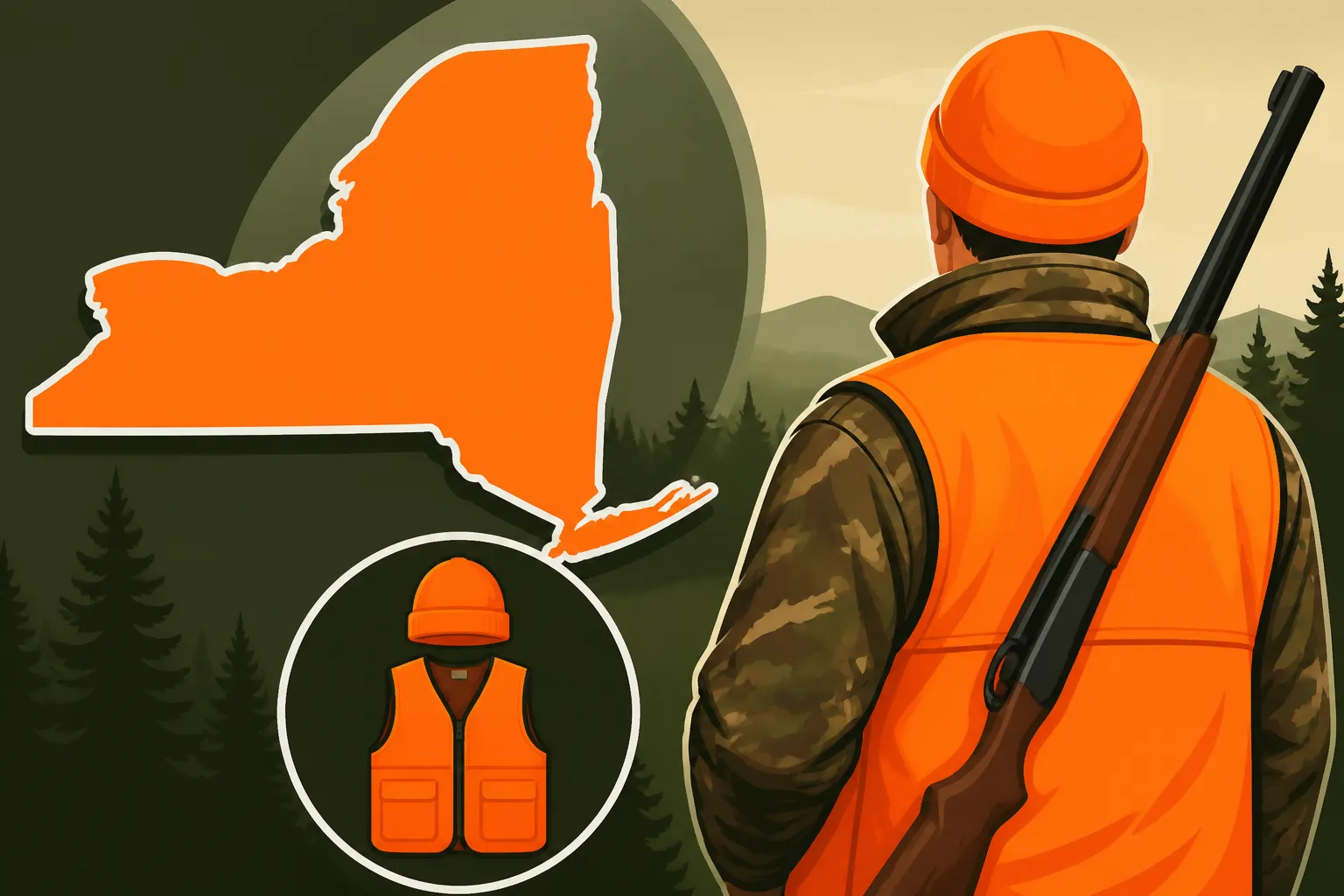
The New York Department of Environmental Conservation (DEC) specifies a minimum amount of blaze material that hunters must wear. For certain big game seasons, specifically when hunting deer or bear with a firearm, you're required to wear a minimum of 250 square inches of solid or patterned fluorescent orange or pink material. This isn't just a suggestion; it's a legal mandate. It's not enough to have a tiny patch; it needs to be a substantial amount.
This 250 square inches often translates to a full vest or a brightly colored hat combined with a jacket. The key is that it must be visible from all directions. So, a vest that wraps around your torso is generally a good bet, ensuring that whether someone is approaching from the front, back, or sides, they can clearly see you. This requirement applies to all hunters in the field, whether they are actively hunting, still-hunting, driving deer, or simply walking to their stand. The intent is to eliminate any ambiguity about who or what is moving through the woods.
The Introduction of Blaze Pink
In a welcome move for many hunters, New York introduced blaze pink as a legal alternative to blaze orange. This addition acknowledges that some hunters simply prefer the color, or it might be more accessible for certain gear. The rules for blaze pink are exactly the same as for blaze orange: 250 square inches of solid or patterned fluorescent pink material must be worn during required seasons.
This move aligns New York with several other states that have also embraced blaze pink. It offers hunters more choices without compromising on the critical safety aspect. Whether you choose orange or pink, the science behind both colors demonstrates their high visibility to the human eye, particularly in natural, forested environments. The important thing is that it stands out starkly against the browns, greens, and grays of the woods, making you easily identifiable as a human hunter rather than game.
Legal Definitions and What Counts
When the DEC talks about "fluorescent orange or pink," they mean colors that are specifically designed for high visibility and meet certain brightness standards. This isn't just any bright orange jacket you might wear for jogging. It needs to be the vibrant, unmistakable "hunter orange" or "hunter pink" that glows. Patterned materials, like camouflage patterns with significant blaze orange or pink elements, are also acceptable, as long as the fluorescent color still makes up the required 250 square inches.
It’s crucial to understand that simply having a few strips on your backpack or a small logo on your hat doesn’t cut it. The material must be worn above the waist and be visible from all angles. For example, wearing a full blaze orange or pink hat and a vest is typically an easy way to meet and exceed the 250-square-inch minimum. Hunters often find that high-quality gear from brands like Sitka Gear or First Lite meet these requirements while also offering comfort and durability. The intent is maximum visibility, not just token compliance. When planning your hunt, especially if you're using a tool like GoHunt to scout public land, always double-check the current year's regulations to ensure your gear aligns with the latest interpretations.
Specific Season Requirements for Blaze Materials
The need for blaze orange or pink isn't universal across all hunting seasons in New York. It's primarily linked to specific methods and game types, particularly those involving firearms. Understanding these distinctions is key to staying legal.
Firearm Deer and Bear Seasons
This is where the blaze orange/pink rule is most critical and most widely enforced. During the open firearm seasons for deer and bear in both the Southern Zone and the Northern Zone, all hunters must wear the required 250 square inches of fluorescent orange or pink. This applies whether you're actively hunting, or just heading to or from your stand. This period is often characterized by higher hunter density and the use of high-powered firearms, making visibility paramount for safety.
For instance, if you're out during New York's Southern Zone Firearm Season in November, you must have your blaze material on. The same goes for hunters pursuing bear in the Catskill Mountains or deer in the Adirondacks during their respective firearm seasons. This requirement extends to anyone in the hunting party, even those not carrying a firearm but participating in the hunt, such as a dog handler or a spotter. The rule is absolute: if you're in the woods during these firearm big game seasons, you need to be highly visible. This is especially true when you consider something like a deer drive on New York Public Land, where multiple hunters are moving through the woods, and clear identification of people is non-negotiable.
Archery and Muzzleloader Considerations
Here's where it can get a little tricky and often causes confusion. During the pure archery-only seasons for deer and bear, blaze orange or pink is generally not required. Bowhunters typically rely on camouflage and stealth, and the presence of bright colors would be counterproductive to their hunting method. This includes the long archery seasons throughout the state, such as Bowhunting New York's Long Archery Season.
However, there's a crucial caveat: if the archery or muzzleloader season overlaps with an open firearm season for deer or bear, then the blaze orange/pink rules apply to all hunters in the field, regardless of their weapon choice. For example, if you're muzzleloader hunting deer in New York during a period when regular firearms are also allowed, you must wear blaze orange or pink. Similarly, during the late-season archery opportunities, if they fall within a firearm season, the blaze rule kicks in. It's vital to check the DEC regulations for the specific Wildlife Management Unit (WMU) and dates you plan to hunt to confirm if an overlap exists.
Small Game and Upland Bird Hunting
For many small game and upland bird hunts, the blaze orange/pink requirements differ or are sometimes non-existent. For general small game hunting, like squirrels or rabbits, blaze orange or pink is often recommended for safety, but not strictly mandated by law unless you are also afield during an open firearm deer or bear season. If you're chasing grouse during New York Small Game and Upland Bird Seasons in an area that also has deer hunters, wearing blaze is just good sense.
However, some specific upland bird hunts, particularly pheasant hunting on stocked lands or during events, might have their own local or program-specific blaze requirements. Waterfowl hunting, like that described in New York Waterfowl Hunting by Zone, is an exception, as hunters typically need to be camouflaged to avoid spooking birds. Again, the golden rule is to always consult the current DEC Hunting & Trapping Guide for your planned activity and location. Using a digital mapping platform like GoHunt can help you overlay public land boundaries and sometimes even specific WMA regulations, allowing you to quickly cross-reference with the official guide.
Exemptions and Special Circumstances for Hunters
While the general rules cover most scenarios, New York's hunting regulations also account for specific situations and types of hunting where blaze material requirements are either modified or waived entirely. These exemptions are usually tied to the specific nature of the hunt or the species being pursued.
Turkey Hunting and Waterfowl Specifics
When it comes to hunting wild turkeys, particularly during the Spring Turkey Hunting in New York, blaze orange or pink is explicitly not required, and in fact, would be detrimental to success. Turkeys have incredibly sharp eyesight and can easily spot bright colors, which would quickly send them running. Therefore, turkey hunters wear full camouflage to blend into their surroundings. This also applies to the Fall Turkey Season in New York. The same logic applies to waterfowl hunting: ducks and geese are highly sensitive to unnatural colors, so hunters are expected to wear full camouflage to conceal themselves effectively in layout blinds or marsh covers.
It's crucial to understand the rationale behind these exemptions. In these specific hunting scenarios, the primary risk isn't necessarily accidental shooting by another hunter mistaking a person for game, but rather the need for extreme stealth to even have a chance at success. The tactics involved, such as calling from a stationary position for turkeys or hiding in a blind for ducks, inherently reduce some of the risks associated with free-ranging movement in the woods during firearm seasons. However, even in these situations, it's wise to have blaze orange or pink on hand to put on after the hunt for safe retrieval of game, especially if you'll be walking out during hours when other hunters might be present.
Hunting on Private Land and Special Permits
The blaze orange and pink requirements apply equally to both public and private lands when firearm big game seasons are open. There's no exemption simply because you're hunting on private property. The safety principles remain the same, regardless of land ownership. If you're hunting deer with a rifle on your own back forty during the firearm season, you still need to be wearing your 250 square inches.
However, there can be very specific, localized exemptions or special permits that alter these rules. For instance, certain nuisance deer damage permits (DMAP) or urban/suburban deer management programs might have unique rules regarding methods or safety attire, though this is rare for blaze orange. Always check the specific permit details or the local town ordinances if you're participating in a highly specialized hunt. The general rule of thumb is: if it's firearm deer or bear season, wear your blaze. Getting Private Land Permission in New York doesn't negate state safety laws.
The Role of Mentored Youth and Guides
New York has robust programs for Mentored Youth Hunting Rules, allowing younger hunters to learn the ropes under the supervision of experienced adults. For these youth hunters, the blaze orange/pink requirements are just as stringent, if not more so, emphasizing safety from day one. The youth hunter and their adult mentor must both comply with the blaze material requirements during any season where it is mandated. This instills good safety habits early and ensures maximum visibility for the entire hunting party.
Similarly, professional guides or outfitters operating in New York must adhere strictly to all blaze orange/pink regulations. They are responsible not only for their own compliance but also for ensuring their clients understand and follow the rules. Part of a guide's duty is to educate and enforce safe hunting practices, and proper use of blaze materials is a cornerstone of that education. Whether you're a seasoned veteran or participating in the New York Hunter Education Requirements for the first time, safety remains the priority.
Why Blaze Orange Matters for Hunter Safety
Beyond being a legal requirement, blaze orange (and now blaze pink) plays an undeniably crucial role in preventing hunting accidents. It's not just about avoiding fines; it's about coming home safely and ensuring everyone else does too.
Preventing Accidental Shootings
The primary and most critical reason for blaze orange requirements is to prevent accidental shootings, particularly those where a hunter is mistaken for game. Think about it: a deer's coat is designed to blend seamlessly into the forest environment, especially with dappled light and shadow. A person wearing camouflage, even if they aren't trying to hide from other hunters, can easily be mistaken for game, especially during fleeting glimpses or in low light.
Blaze orange and pink create a stark contrast that cannot be mistaken for a deer, bear, or any other game animal. When another hunter sees a flash of vibrant orange or pink, their brain immediately registers "human," prompting them to identify the target clearly before even thinking about raising a firearm. This simple visual cue is incredibly effective in distinguishing humans from wildlife, drastically reducing the risk of a tragic error. It's a proactive measure designed to interrupt the sequence of events that can lead to an accident, allowing hunters to see each other before a shot is ever considered.
Visibility in Different Environments
You might wonder if blaze orange is truly effective in all environments. The answer, backed by extensive research, is a resounding yes. While its visibility might seem obvious in a snowy landscape, its performance in dense, green foliage or dark timber is equally impressive. The specific spectrum of fluorescent orange and pink is chosen because it stands out against the natural color palette of the forest – the browns of tree trunks, the greens of leaves, the grays of rocks.
Even in fading light, or on overcast days when shadows are deep, these fluorescent colors retain their vibrancy better than many other hues. They don't absorb light in the same way natural colors do, which makes them appear almost to "glow" or at least maintain their distinctness. This is why when you're scouting New York Public Land Before Season, you'll see patches of orange from a surprising distance, indicating another hunter's presence long before you might notice them in traditional camouflage. In the diverse landscapes of New York, from the dense Adirondack Forest Preserve to the rolling hills of the Southern Tier, blaze orange consistently performs as an exceptional identifier.
The Psychological Impact on Game Animals
A common concern among new hunters is whether blaze orange will spook deer or other game. It's a valid question, as we spend so much time trying to blend in. However, scientific studies and decades of hunter experience consistently show that deer, and most other game animals, perceive colors differently than humans. While humans see a vibrant orange, deer are largely dichromatic, meaning they see in two primary colors, effectively rendering them somewhat colorblind to reds and oranges.
To a deer, blaze orange often appears as a dull gray or brownish hue, blending into the background much like other natural elements. Therefore, wearing blaze orange or pink is highly unlikely to alert a deer to your presence any more than a muted brown or green jacket would. Their keen senses of smell and hearing are far more likely to detect a hunter than their limited color vision. This means you can wear your safety gear with confidence, knowing that you're maximizing your visibility to other hunters without compromising your ability to remain undetected by your quarry.
Choosing and Maintaining Your Blaze Gear
Now that we understand the 'why' and 'when,' let's talk about the 'how.' Selecting the right blaze gear and keeping it in top condition is essential for both safety and longevity.
Vests, Hats, and Full Outerwear Options
When fulfilling the 250 square inch requirement, you have several options. The most common and effective combination is a blaze orange or pink vest and a matching hat. A vest provides coverage across your torso, which is a large, visible area, and a hat ensures visibility from above and helps define your head. Many hunters prefer a full blaze orange or pink jacket during colder weather, which provides both warmth and full compliance.
It's important to choose gear that fits well and doesn't restrict movement, especially if you're navigating steep Catskill Ridges or dense brush. Look for vests with adjustable straps, hats that stay put in the wind, and jackets that allow for proper layering underneath. Some manufacturers, like GoHunt's gear partners, offer high-quality options that meet these visibility standards while integrating practical features like pockets or durable fabrics. Remember, the material should be solid or have a significant amount of the fluorescent color, not just a subtle pattern.
Care and Longevity of Blaze Materials
Fluorescent colors, especially when exposed to sunlight and harsh weather, can fade over time. A faded blaze orange vest is less effective than a vibrant one, potentially compromising your safety. To maintain the brightness and effectiveness of your blaze gear, proper care is crucial. Always follow the manufacturer's washing instructions, which often recommend washing in cold water with a mild, scent-free detergent and air drying to prevent fading and material degradation.
Avoid harsh chemicals, bleach, or excessive heat from dryers, as these can break down the fluorescent dyes. Store your blaze gear out of direct sunlight when not in use. Regularly inspect your gear for signs of fading, tears, or damage. If your vest or hat looks dull or worn, it's time for a replacement. Think of your blaze gear as an essential piece of safety equipment, just like your firearm or bow, and treat it with the same level of care.
Using Mapping Tools to Identify Public Land Requirements
Modern hunting often involves advanced technology, and mapping tools are invaluable for navigating public lands and understanding regulations. While GoHunt is primarily a mapping and planning tool for western states, its principles apply universally. For New York, resources like the DEC's own HuntFishNY app, or commercial mapping platforms like onX Hunt, allow you to view public land boundaries, WMA specifics, and even regulatory overlays. These tools can help you visualize the specific zones where blaze orange/pink might be especially important due to heavy hunting pressure or overlapping seasons.
Before every hunt, especially if you're exploring new territory, take the time to review the area on a mapping app and cross-reference with the official DEC regulations. This proactive approach helps ensure you're aware of any local rules, seasonal overlaps, or specific WMA requirements that might impact your blaze material choice. For instance, knowing you're entering an area known for high hunter density during the opening weekend of the Southern Zone can reinforce the importance of your visible gear.
| Hunting Scenario | Blaze Orange/Pink Required? | Minimum Coverage | Notes |
|---|---|---|---|
| Firearm Deer/Bear Season | YES | 250 sq. inches | Applies to all hunters in the field. |
| Archery-Only Deer/Bear Season | NO | N/A | Camouflage is preferred. |
| Muzzleloader-Only Deer/Bear Season | NO | N/A | Camouflage is preferred. |
| Archery/Muzzleloader overlapping Firearm Season | YES | 250 sq. inches | Applies to ALL hunters, regardless of weapon, if firearm season is open in the area. |
| Small Game Hunting | Recommended, but often NO | N/A | Mandatory if concurrent with firearm deer/bear season; always recommended for visibility. |
| Upland Bird Hunting (e.g., Pheasant) | Recommended, but often NO | N/A | May be required in specific stocked areas or events. Mandatory if concurrent with firearm deer/bear. |
| Turkey Hunting | NO | N/A | Camouflage is essential due to keen turkey eyesight. |
| Waterfowl Hunting | NO | N/A | Camouflage is essential for concealment. |
| Traveling to/from Stand (Firearm Season) | YES | 250 sq. inches | Applies even when not actively hunting, but moving through the woods during a required season. |
| Mentored Youth Hunting | YES | 250 sq. inches | Applies to both youth hunter and mentor during required seasons. |
Disclaimer
This guide is intended for informational purposes only and is not a substitute for the official New York State Department of Environmental Conservation (DEC) hunting and trapping regulations. Always consult the current year's official DEC Hunting & Trapping Guide and any local regulations before heading afield, as rules can change annually. Hunters are solely responsible for understanding and adhering to all applicable laws and regulations.