New York Southern Zone Firearm Dates
Hunting deer in New York's Southern Zone with a firearm is a long-standing tradition for many, but keeping track of the exact season dates and understanding the nuances of the regulations can feel like navigating a maze. It’s easy to get confused with overlapping seasons, special permits, and zone-specific rules, especially if you're trying to plan vacation time or coordinate with hunting buddies. This comprehensive guide is here to untangle all that, providing clear, in-depth information on the New York Southern Zone firearm dates, what they mean for your hunt, and how to make the most of your time in the woods.
Understanding the Southern Zone Firearm Season
The Southern Zone firearm season is the cornerstone of deer hunting for countless New Yorkers. It’s the time of year when rifles crack and shotguns boom, signaling the peak of the deer harvest. But it’s not just a free-for-all; there are specific reasons why this season is structured the way it is, and understanding those reasons can help you become a more effective and compliant hunter.
Why the Southern Zone Differs
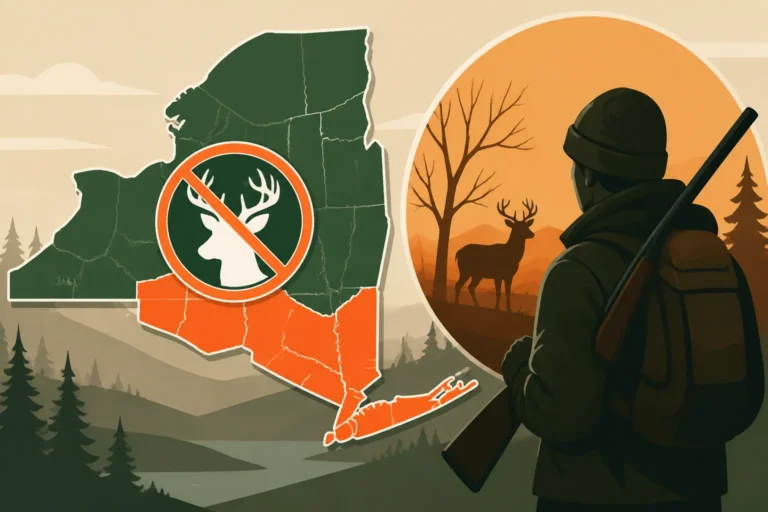
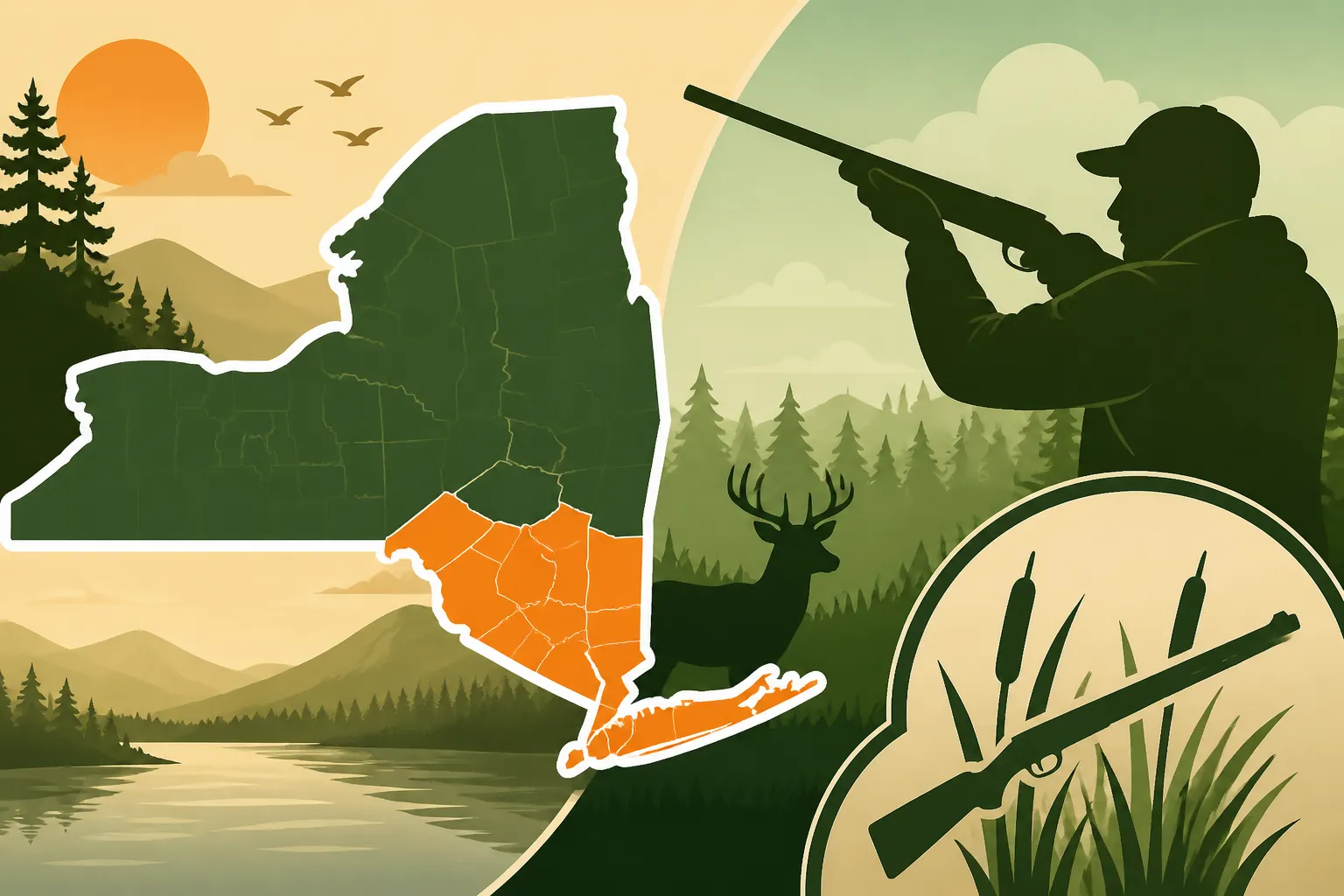
New York is a vast state, and its deer populations and habitats vary dramatically from north to south. The Southern Zone, generally encompassing everything south of the Adirondack and Tug Hill regions, features a mix of agricultural lands, rolling hills, dense hardwoods, and suburban fringes. This diverse landscape supports a robust deer population, often at higher densities than the more remote Northern Zone. Because of these ecological differences, the New York Department of Environmental Conservation (DEC) manages the deer herd in the Southern Zone with a distinct calendar, including specific firearm dates designed to align with breeding cycles, agricultural impact, and hunter access.
The longer, more liberal Southern Zone firearm season, which typically runs through much of November and into early December, is a direct response to these higher deer densities and the need to manage populations effectively. It also usually encompasses the peak of the rut, offering hunters an exciting chance to encounter mature bucks actively seeking does. Knowing that this season is tailored to the region’s specific deer dynamics gives you a better appreciation for why certain dates are chosen and how they impact your hunting strategy.
Key Dates and Duration
For most hunters in the Southern Zone, the general firearm season for deer traditionally opens mid-November and runs for approximately three weeks. While the exact dates shift slightly each year based on the calendar, the core framework remains consistent. This period is typically designed to coincide with, or immediately follow, the peak of the whitetail rut in the region, maximizing hunter success and contributing significantly to the annual deer harvest.
It’s crucial to remember that these dates are for the general firearm season, meaning any legal firearm (rifle, shotgun, handgun, muzzleloader) can be used. It's distinct from the special muzzleloader season, which occurs earlier in October and later in December.
Here’s a typical example of how these dates might fall:
| Year (Example) | Season Type | Opening Date | Closing Date | Duration (Approx.) | Legal Weapons | Notes |
|---|---|---|---|---|---|---|
| 2024 (Typical) | Southern Zone Firearm | November 16th | December 8th | 3 Weeks | Rifle, Shotgun, Handgun | Peak of rut often falls within this window. |
| Southern Zone Bow/Cross | October 1st | November 15th | 6.5 Weeks | Bow, Crossbow | Precedes firearm season. | |
| Southern Zone Muzzleldr | December 9th | December 17th | 1 Week | Muzzleloader only | Follows firearm season. |
Note: These dates are illustrative and based on historical patterns. Always consult the current year's official NYS DEC Hunting and Trapping Regulations Guide for exact dates.
This three-week window provides ample opportunity for hunters, but it also concentrates hunter activity. For a more detailed look at how these dates fit into the bigger picture, you can check out the New York Deer Seasons by Zone overview.
County-Specific Considerations
While the Southern Zone firearm dates largely apply uniformly across its vast geographic area, it’s always wise to double-check for any hyper-local variations or special management areas within specific counties. For instance, certain Wildlife Management Units (WMUs) might have unique antler restrictions or specific Deer Management Permit (DMP) allocations that influence your hunting decisions, even if the season dates themselves are statewide for the Southern Zone. For example, some areas closer to urban centers might have special rules or additional early or late season opportunities to help manage local deer populations.
The DEC's online resources and mapping tools, like the one found on the GoHunt platform, are invaluable for this. You can usually input your specific WMU or county and see if any exceptions apply. Always cross-reference with the official DEC regulations, but tools like GoHunt can provide an excellent visual overlay to help you understand localized rules and boundaries. These platforms often highlight specific WMUs that have unique challenges or opportunities, like those with very high deer densities or those bordering areas with special regulations.
Preparing for the Southern Zone Firearm Hunt
With the dates locked in, your attention shifts to preparation. A successful firearm hunt in the Southern Zone isn't just about showing up on opening day; it requires careful planning, adherence to licensing requirements, understanding your equipment, and smart scouting.
Licensing and Permitting Essentials
Before you even think about stepping into the woods, ensure your paperwork is in order. A valid New York State hunting license is your fundamental requirement. For deer, you'll specifically need a Big Game hunting license, which permits you to harvest one antlered deer.
Beyond that, many hunters in the Southern Zone choose to apply for Deer Management Permits (DMPs), often referred to as antlerless tags. These permits are crucial for managing the deer population and allow you to harvest antlerless deer in specific WMUs. DMPs are distributed through a lottery system, and their availability varies significantly by WMU based on population goals. If you're looking to fill the freezer, understanding and applying for DMPs is paramount. This season is often the prime time to fill those extra DMPs. For more details on this process, delve into New York Deer Management Permits Explained. Knowing which WMUs carry no DMP quota in certain years can also significantly impact your hunting strategy and success.
Legal Firearms and Ammunition
The Southern Zone is where rifle hunters truly shine, as rifles are generally permitted for big game. This is a significant distinction from many parts of the state where shotguns or muzzleloaders might be the only legal firearms. However, it's not a free-for-all when it comes to calibers or types.
For deer, common rifle calibers like .270, .30-06, .308, and 6.5 Creedmoor are popular and effective. Shotguns using slugs are also perfectly legal and are often preferred in areas with shorter sightlines or closer proximity to developed areas. Handguns of appropriate caliber are also an option for some. Regardless of your choice, safety is paramount. Make sure your firearm is sighted in, you're comfortable with its operation, and you're using appropriate ammunition. Lead-free ammunition is not generally required for deer hunting in New York, but it's an ethical consideration for some hunters. For a complete breakdown of what's allowed, check out New York Legal Firearms for Deer Hunting. Always be sure to use ammunition designed for deer hunting, which typically means expanding bullets that will deliver sufficient energy for a clean, ethical kill.
Scouting and Strategy Leading Up to the Opener
Even though the firearm season marks a major shift from archery or muzzleloader hunting, pre-season scouting remains incredibly important. Deer behavior can change as hunting pressure mounts, but understanding their primary travel routes, feeding areas, and bedding locations before the season opens will give you a significant advantage.
Focus on identifying natural funnels, pinch points, and existing deer trails. Look for rubs and scrapes, though these might be a bit past their peak by mid-November. The key is to understand how deer move through the landscape and to anticipate where they'll be seeking refuge or food once hunting pressure begins. Pay close attention to late-season food sources like standing corn, mast crops, or even agricultural fields where deer might be feeding heavily. You can learn more about effective pre-season preparation by reading Scouting New York Public Land Before Season. Many hunters use sophisticated tools, like the mapping features on GoHunt, to identify promising areas and visualize terrain features that funnel deer.
Navigating Hunting Pressure and Conditions
The Southern Zone firearm season is undoubtedly popular, meaning you'll often be sharing the woods with other hunters. Understanding how to navigate this pressure, adapt to the weather, and fulfill your legal obligations after a successful harvest are all critical components of a responsible and enjoyable hunt.
Managing Opening Weekend Crowds
Opening weekend of the Southern Zone firearm season is a special time for many hunters, but it can also be incredibly crowded, especially on easily accessible public lands. This increased pressure can push deer into thicker cover or alter their movement patterns significantly. While some hunters thrive on the excitement of opening day, others prefer to let the initial flurry subside before heading out.
If you plan to hunt opening weekend, consider strategies to avoid the crowds. This might mean walking deeper into public land than others are willing, finding smaller, overlooked parcels, or focusing on areas with difficult access. Early morning starts are key, as is being in your stand or blind well before daylight. Later in the season, after the initial rush, deer often settle back into more predictable patterns, making it a good time for more methodical hunting. For specific tactics on handling these busy times, check out Opening Weekend Crowds in the Southern Zone. Always prioritize safety, knowing that more hunters are in the woods.
Weather Considerations and Gear
Mid-November to early December in the Southern Zone can bring a mixed bag of weather. You might experience crisp, sunny days, but it's just as likely you'll encounter cold rain, sleet, or even early snowfalls. Being prepared for these varying conditions is crucial for comfort and safety.
Layering your clothing is essential. Start with a moisture-wicking base layer, add insulating layers like fleece or wool, and top it off with a waterproof and windproof outer shell. Good quality, insulated boots are a must, especially if you plan on sitting for extended periods. Gloves, a warm hat, and hand warmers can make a significant difference in keeping you comfortable. Don't forget a sturdy backpack for carrying extra layers, water, snacks, and any essentials for a long day in the woods. Dressing properly will allow you to stay focused on the hunt, not on the cold or wet. For advice on staying warm and dry, refer to Clothing for a New York November.
Post-Harvest Reporting Requirements
Harvesting a deer is the culmination of your efforts, but the legal obligations don't end there. In New York, it is mandatory to report your deer harvest within seven days of taking the animal. This is not just a formality; it's vital data for the DEC to monitor deer populations, assess management strategies, and ensure sustainable hunting opportunities for the future.
Reporting is typically done online through the DEC's HuntFishNY platform or by calling a toll-free number. You'll need information from your license and the tag affixed to your deer. Failing to report your harvest can result in penalties, so always make it a priority. After harvest, submitting your deer through the DEC's online system, which can sometimes be accessed or cross-referenced through integrated platforms like GoHunt, is a legal requirement. Make sure you understand the process by reviewing the details in Reporting a New York Deer Harvest Online.
Maximizing Your Opportunities Beyond the Main Season
While the general Southern Zone firearm season is a primary focus, it’s important to remember that it's part of a larger hunting calendar. Understanding how this season integrates with other opportunities can help you extend your time afield and increase your overall success.
Overlapping Seasons and Other Species
The Southern Zone firearm season for deer often overlaps with other hunting seasons, presenting opportunities for multi-species hunts. Most notably, the bear season in the Southern Zone typically runs concurrently with the deer firearm season, giving you a chance to harvest a black bear if you have the appropriate tag. While deer are usually the main focus, keeping an eye out for bear sign and being prepared for a potential encounter can add another layer of excitement to your hunt.
Additionally, small game seasons for species like squirrels, rabbits, and various furbearers are often open during this time. While these might not be your primary target, carrying a small game license and being aware of their presence can offer additional enjoyment or fill a quiet moment in the deer woods. Always ensure you have the correct licenses and tags for any additional species you intend to hunt. For more on bear hunting in New York, consult New York Bear Season by Zone.
The Role of Deer Management Permits (DMPs)
We've touched on DMPs already, but their importance during the Southern Zone firearm season cannot be overstated. This season is often the best window to utilize any antlerless DMPs you've acquired. With the leaves down and visibility improved, and deer often moving during the rut or in response to hunting pressure, filling those antlerless tags becomes more feasible.
The DEC issues DMPs to help manage deer populations and mitigate issues like overbrowsing, crop damage, and deer-vehicle collisions. By harvesting antlerless deer, you're not just filling your freezer; you're actively participating in responsible wildlife management. It’s worth checking the DEC website periodically, even during the season, as some WMUs might offer bonus DMPs or have unused permits available as the season progresses. This is especially true in areas with higher deer densities. You can find detailed information on applying for and utilizing DMPs in How Many DMPs You Can Apply For in 2026.
Transitioning to the Late Season Hunts
Even after the general Southern Zone firearm season closes, your deer hunting opportunities in New York aren't necessarily over. The state often offers extended late-season hunts, typically focusing on archery, crossbow, or muzzleloader, and sometimes including a special "Holiday Hunt" in specific WMUs.
These late-season opportunities, which often take place in December, can be highly productive, especially as deer shift their focus back to feeding and building reserves for winter. While the general firearm season has its unique appeal, don't overlook these later windows. They require different tactics, often focusing on prime food sources and thermal cover, but they can be incredibly rewarding. Preparing for the transition and understanding the specific rules for these later seasons can extend your hunting enjoyment significantly. For those interested in continued hunting, especially during the festive period, exploring the details of Hunting the Southern Zone Holiday Hunt is highly recommended.
Disclaimer
The information provided in this guide is for general informational purposes only and is based on typical New York State hunting regulations. Hunting laws and season dates are subject to change annually by the New York State Department of Environmental Conservation (DEC). It is the hunter's sole responsibility to consult the most current official NYS DEC Hunting and Trapping Regulations Guide for exact dates, rules, and any last-minute changes before engaging in any hunting activity. Failure to do so may result in legal penalties.