Why New York Loosened Antlerless Rules in 2026
It’s no secret that deer management in New York can sometimes feel like a moving target. Just when you think you've got the rules straight, something shifts. If you're wondering why the New York State Department of Environmental Conservation (DEC) decided to loosen antlerless deer rules starting in 2026, you're not alone. Many hunters have been curious about the rationale behind these changes, and frankly, some are just tired of trying to keep up. This guide aims to clear up that confusion, diving deep into the reasons behind the DEC's decision and explaining exactly what these updated rules will mean for you out in the field.
Understanding Deer Management in New York
Before we get into the specifics of why the antlerless rules are changing, it’s helpful to understand the philosophy behind deer management in New York. It's not just about how many deer we see; it's a complex balancing act, weighing ecological health, hunter satisfaction, agricultural impacts, and public safety. The DEC works tirelessly to maintain a healthy and sustainable deer population, one that provides ample hunting opportunities without overpopulating critical habitats or causing undue issues for landowners and motorists. This can be a tough tightrope to walk, especially with diverse landscapes ranging from dense Adirondack forests to sprawling Southern Tier farmlands.
The DEC's Holistic Approach to Deer Numbers
The DEC doesn't just count deer heads; they consider a whole range of factors when assessing the deer population. This includes everything from overwinter survival rates, fawn recruitment, and buck-to-doe ratios to habitat conditions and the prevalence of deer-vehicle collisions (DVCs). They also look closely at agricultural damage reports and forest regeneration impacts, as an overabundance of deer can severely hinder forest health and farmers' livelihoods. It’s a scientific process, relying on harvest data, hunter surveys, and field observations to paint a comprehensive picture. The goal is often to keep deer populations at a level that is compatible with human interests and environmental carrying capacity, which varies significantly from one Wildlife Management Unit (WMU) to another.
The Role of Deer Management Permits (DMPs)
Deer Management Permits, or DMPs, are the primary tool the DEC uses to regulate the antlerless deer harvest in New York. Think of them as supplemental tags, allowing hunters to take an additional antlerless deer beyond what their regular big game license permits. For years, DMPs have been crucial in managing local deer populations, especially in areas where antlerless harvest is needed to control herd growth. Hunters typically apply for DMPs through a lottery system, with the odds of selection varying widely depending on the WMU and the number of permits allocated. If you're interested in maximizing your chances, understanding the nuances of the DMP system is key. You can learn more about specific requirements and availability by checking out our comprehensive guide on New York Deer Management Permits Explained.
Balancing Hunter Opportunity and Herd Health
One of the biggest challenges for any state wildlife agency is finding the sweet spot between providing ample hunting opportunities and ensuring the long-term health of the deer herd. Hunters often want more tags, longer seasons, and the chance to put venison in the freezer. Meanwhile, conservationists and landowners might advocate for reduced populations in certain areas to mitigate damage. The DEC constantly reviews data and listens to feedback to strike this balance. Sometimes, that means conservative antlerless allocations, while at other times, like the upcoming changes, it means increasing opportunities to manage an expanding population more effectively. This dynamic approach means that the rules are never set in stone; they evolve with the deer and the landscape.
The Driving Forces Behind the 2026 Changes
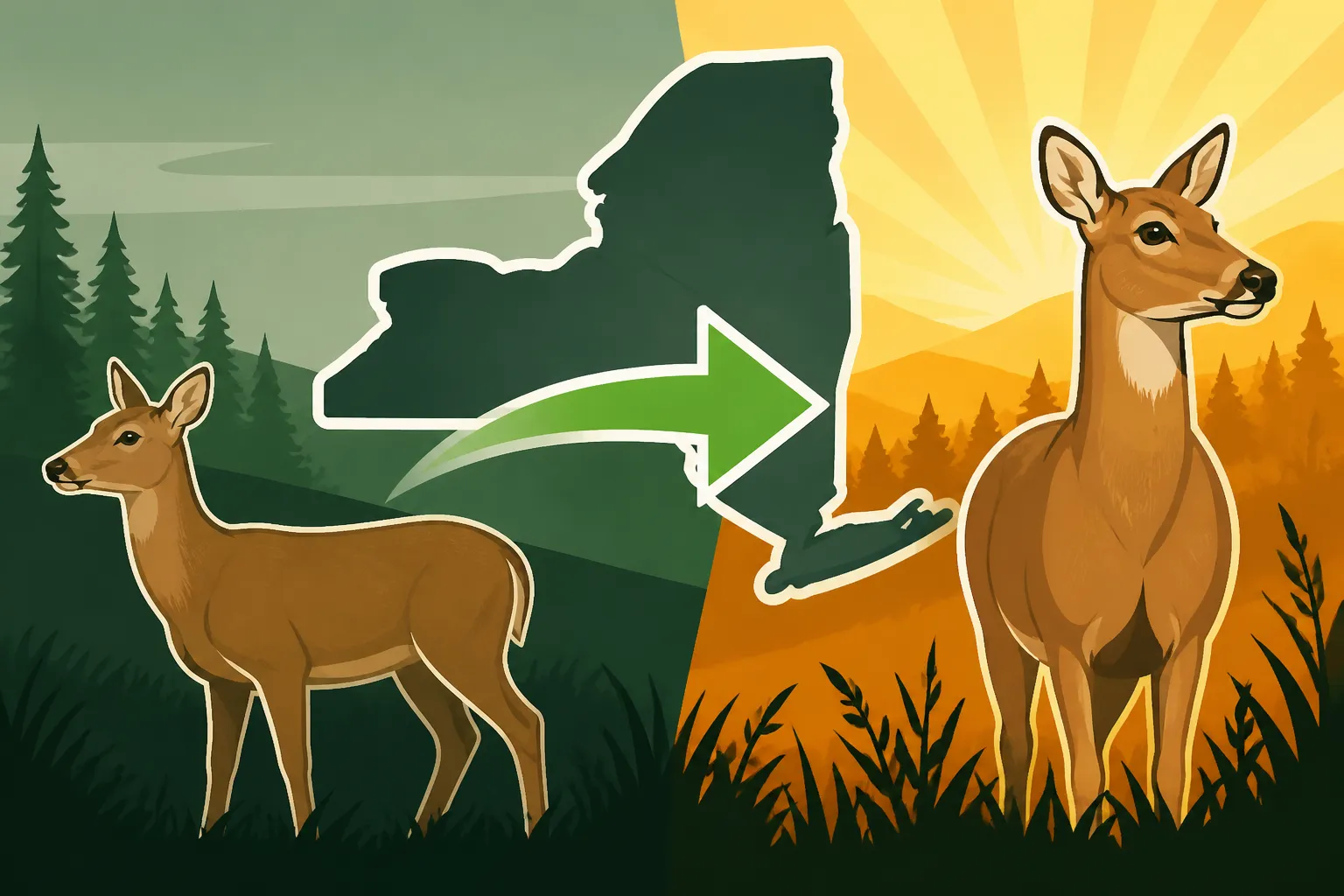
So, why the sudden shift to loosening antlerless rules in 2026? It wasn't a snap decision, but rather the culmination of years of data collection, analysis, and a clear trend in deer populations across much of the state. The DEC identified several key factors contributing to the need for increased antlerless harvest, primarily driven by growing deer numbers and their associated impacts. This move is a proactive measure designed to bring populations back into balance in areas where they've become too high.
Rising Deer Populations in Specific Regions
Despite what some hunters might observe in their favorite hunting spots, overall deer populations in many parts of New York have been robust and, in some cases, expanding. The Southern Zone, in particular, has seen consistent deer herd growth over recent years. While winter severity can always play a role, mild winters and abundant food sources have allowed deer to thrive. The DEC's deer population estimate models track these trends closely. Areas with strong agricultural bases, like the Finger Lakes Region and much of the Southern Tier, often provide ideal conditions for deer, leading to higher deer density by New York Wildlife Unit. When populations exceed ecological or social carrying capacities, it necessitates increased antlerless harvest to stabilize or reduce numbers.
Mitigating Agricultural Damage and Public Safety Risks
With more deer comes more interaction – and often, more conflict – with human interests. Farmers bear a significant brunt of high deer populations, experiencing crop damage that can lead to substantial financial losses. Imagine a herd of deer routinely feasting on newly sprouted corn or tender soybean fields; it’s a frustrating reality for many agricultural producers. Beyond agriculture, public safety is a serious concern. The number of deer-vehicle collisions on New York roads is directly tied to deer density. These accidents pose risks to human lives, cause serious injuries, and result in millions of dollars in property damage annually. The decision to increase antlerless harvest is a direct effort to reduce these negative impacts and enhance safety for all New Yorkers, whether they're on the road or trying to grow a crop.
Hunter Feedback and Participation Trends
It's not just about scientific data; hunter feedback plays a crucial role in shaping management decisions. The DEC regularly solicits input from hunters through surveys, public meetings, and direct communication. There's a persistent demand among hunters for more opportunities to harvest antlerless deer, especially those who prioritize venison for the table or wish to contribute more significantly to herd management. Furthermore, the DEC recognizes that hunter participation is vital for effective management. By making antlerless tags more accessible, they aim to engage more hunters in the effort, recognizing that hunters are the most effective and efficient tool for managing deer populations. The GoHunt platform, for instance, has been instrumental in helping hunters access information about WMUs and application processes, highlighting the growing reliance on digital resources to engage the hunting community.
What the Loosened Rules Mean for Hunters
For you, the hunter, these loosened antlerless rules translate into some tangible changes that will likely impact your hunting strategy and opportunities starting in 2026. This isn't just a tweak; it's a significant shift that could make a real difference in how you approach your deer seasons, especially if you're looking to fill the freezer or focus on herd control in your area.
Increased Antlerless Tag Availability
The most direct impact of these changes will be a noticeable increase in the availability of Deer Management Permits (DMPs). Many WMUs that previously had limited or difficult-to-draw DMPs will see more tags allocated, and some may even transition into what are known as "unlimited" WMUs, where DMPs are available to all who apply. This means that hunters who previously struggled to get an antlerless tag, or those who wanted multiple tags, will find it much easier to acquire them. In fact, a major component of this change is the ability for hunters to apply for up to four DMPs in 2026, a substantial increase from previous limits. This is a game-changer for folks looking to maximize their venison harvest or help manage local populations more aggressively. You can dive deeper into these upcoming changes by reading our article on How Many DMPs You Can Apply For in 2026.
Impact on Hunting Strategy and Success Rates
With more antlerless tags in hand, many hunters will likely adjust their strategies. For those hunting in areas with high deer densities, this could mean an increased focus on taking does earlier in the season, perhaps during the archery or muzzleloader seasons, to improve their chances of filling all their tags. It might also encourage hunters to spend more time in the woods, knowing they have more opportunities. For public land hunters, especially, this expanded opportunity could be a huge boon. Imagine being able to fill a couple of doe tags without having to worry about hitting the lottery just right. This could also mean a slight shift in herd dynamics over time, as a more consistent antlerless harvest can lead to healthier overall populations with better age structures for bucks.
Navigating the New DMP Application Process
While the rules are becoming more permissive, the process of acquiring DMPs will still require attention. Hunters will need to understand the updated application windows, lottery mechanics, and how to select their WMUs strategically. Tools like the GoHunt app or the DEC's online resources will become even more valuable for researching permit availability, drawing odds, and specific WMU regulations. It's crucial to check the DEC's official guidelines each year, as WMU-specific allocations can still fluctuate based on population assessments. For instance, understanding Finding Which WMUs Carry No DMP Quota can be particularly helpful for planning where to focus your efforts for guaranteed antlerless tags. Staying informed and using available resources will ensure you make the most of these new opportunities.
Long-Term Vision for New York's Deer Herd
These loosened antlerless rules aren't a standalone policy; they're part of a broader, long-term vision for managing New York's white-tailed deer population. The DEC is always looking ahead, trying to anticipate challenges and adapt management strategies to ensure healthy deer for generations to come. This means a continuous cycle of monitoring, assessment, and adjustment, all aimed at achieving a sustainable balance.
Sustaining Healthy Deer Populations
The primary goal behind any deer management decision is to sustain a healthy and resilient deer population. This isn't just about raw numbers; it's about the quality of the herd. An overpopulated deer herd can suffer from increased disease transmission, poor body condition, and reduced fawn survival rates due to inadequate food resources. By encouraging a higher antlerless harvest in specific areas, the DEC aims to alleviate these pressures, ensuring that the remaining deer have access to better nutrition and are less susceptible to stress and illness. This helps to maintain the overall vitality of the herd, which benefits everyone, including those who simply enjoy seeing deer in their natural habitat.
Adapting to Ecological and Social Factors
New York's landscape and demographics are constantly changing, and deer management must adapt accordingly. Ecological factors, such as shifts in forest composition, the prevalence of diseases like EHD (Epizootic Hemorrhagic Disease), and the impacts of climate change, all influence deer populations. Simultaneously, social factors, like urban sprawl, evolving public attitudes towards wildlife, and changes in hunter demographics, also play a significant role. The loosening of antlerless rules reflects an adaptation to current conditions, acknowledging that in many areas, deer populations have grown to a point where more aggressive management through hunting is both ecologically sound and socially beneficial. The DEC constantly monitors these variables, and tools like the Scouting With the New York HuntFishNY App become invaluable for hunters and managers alike to understand localized conditions.
The Future of Antlerless Hunting in New York
What does the future hold for antlerless hunting in New York? It’s likely to be characterized by continued flexibility and a data-driven approach. As deer populations ebb and flow, and as hunter participation trends shift, the DEC will continue to adjust regulations. The move to expand antlerless opportunities is a strong indicator that the state is committed to using hunters as a primary tool for managing the deer herd. This means you, as a hunter, will likely have more influence and responsibility in maintaining healthy deer populations. It's an exciting time to be a deer hunter in New York, with more opportunities on the horizon to put venison on the table and actively participate in wildlife conservation. Keep an eye on the official DEC announcements each year, as the journey of deer management is an ongoing one.
| Permit Type | How it works (Pre-2026 General) | How it works (2026 & Beyond) | Typical Use Case |
|---|---|---|---|
| Big Game License | Allows one antlered deer, plus one antlerless in WMUs where allowed. | Same as pre-2026. | Standard annual deer take. |
| Deer Management Permit (DMP) | Lottery system; odds vary by WMU. Max 2 per hunter in some cases. | Up to 4 DMPs can be applied for, potentially easier to draw in many WMUs. | Increasing antlerless harvest, managing local populations. |
| Bonus DMP | Often instant-issue for specific WMUs with very high deer densities. | Continues to be available, possibly in more WMUs, or with fewer restrictions. | Aggressive herd reduction in problem areas. |
Disclaimer
The information provided in this guide is for general informational purposes only and does not constitute legal advice. Hunting regulations in New York are subject to change. Always consult the official New York State Department of Environmental Conservation (DEC) hunting regulations guide, available on their website or at license vendors, before planning your hunt to ensure compliance with all current laws and regulations.