New York Migratory Bird Stamp Cost
There’s a unique excitement that comes with hearing the whistling wings of ducks over a cattail marsh or watching a flock of geese descend into a harvested cornfield. But for many New York hunters, the regulations around migratory birds can feel like navigating a maze, especially when it comes to understanding all the permits and stamps required. This guide aims to demystify one specific, often misunderstood requirement: the New York Migratory Bird Stamp, detailing its cost, purpose, and how to ensure you're fully compliant before heading out for your next waterfowl or woodcock hunt.
Understanding New York's Migratory Bird Stamp
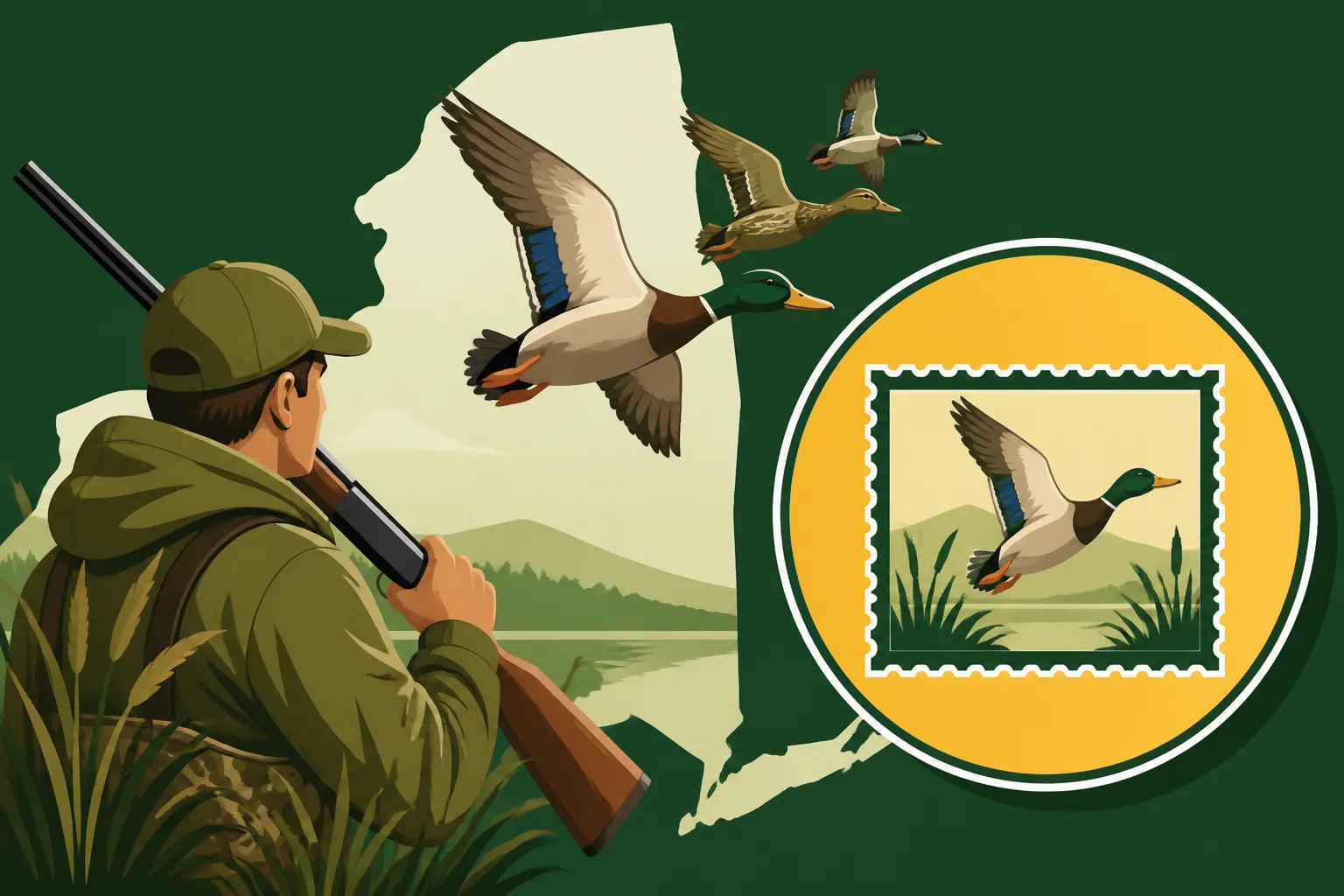
Before we even talk about the cost, let's get down to brass tacks: what exactly is the New York Migratory Bird Stamp, and why do you need it? This isn't just another piece of paper; it's a vital tool for conservation, directly funding habitat projects and management efforts right here in our state. Without it, you simply can't legally pursue many of the feathered game birds we cherish.
What the New York Migratory Bird Stamp Covers
The New York State Migratory Bird Stamp is specifically mandated for anyone aged 12 or older who plans to hunt ducks, geese, brant, or woodcock within the state's borders. It's a crucial component of responsible hunting, ensuring that those who enjoy these resources contribute directly to their sustainability. Think of it as your personal investment in the future of migratory bird hunting in New York. You might be gearing up for an early season Canada goose hunt near Lake Champlain or walking the alder runs for a late-season woodcock in the Southern Tier; either way, this stamp needs to be in your pocket.
It's easy to overlook a single stamp amidst all the licenses and permits, but forgetting this one can lead to unnecessary fines and a ruined hunt. Many hunters, especially those new to migratory bird pursuits, might mistakenly believe their general hunting license or even the Federal Duck Stamp covers everything. However, the New York Migratory Bird Stamp serves a distinct, state-level purpose, providing funds that stay within our state to manage local wetlands and migratory bird populations.
The Difference Between State and Federal Stamps
Here's where it gets a little tricky, and it's a point of confusion for many. Yes, there's a New York State Migratory Bird Stamp, but there's also the Federal Duck Stamp. These are two separate requirements, and for most waterfowl hunters aged 16 and over, you'll need both. The Federal Duck Stamp, officially known as the Migratory Bird Hunting and Conservation Stamp, is a federal requirement for anyone 16 years of age or older hunting ducks, geese, or brant. Its funds go towards the acquisition and protection of wetland habitat in the National Wildlife Refuge System.
The key distinction lies in what each stamp covers and for whom. While both are critical for waterfowl, the New York State stamp uniquely includes woodcock. So, if you're out hunting woodcock in New York, you need the state stamp, but not the federal one. If you're hunting ducks, and you're 16 or older, you need both. Younger hunters might find themselves with different requirements, which we'll delve into later, but for most adults, preparing for New York Waterfowl Hunting by Zone means thinking about both federal and state contributions. Understanding this dual requirement is paramount to staying legal and contributing fully to conservation efforts.
The Exact Cost of the New York Migratory Bird Stamp
Now, let's address the burning question: how much does this crucial stamp actually cost? It’s a small price to pay for the privilege of hunting these magnificent birds and supporting their habitat.
Current Stamp Price and Where the Funds Go
As of the current hunting season, the New York State Migratory Bird Stamp costs $25. This fee is consistent for both resident and nonresident hunters. While no one loves spending extra money, it's important to remember that this isn't just a fee; it's an investment. The entirety of these funds directly supports New York's Migratory Bird Program. This program is responsible for a wide array of activities, including habitat improvement projects, research into bird populations, and crucial management activities that ensure healthy numbers of ducks, geese, brant, and woodcock across the state.
For example, these funds might go towards restoring a wetland area in the Montezuma National Wildlife Refuge region, creating vital nesting and feeding grounds. Or they could support surveys of woodcock populations in the Catskills, helping biologists understand migration patterns and reproductive success. Every dollar from that $25 stamp contributes to tangible conservation efforts that directly benefit the birds we love to hunt. It's a clear demonstration of hunters being leading conservationists, putting their money where their passion is.
Validity Period and Renewal
Another important aspect to understand is the validity period of your New York Migratory Bird Stamp. Unlike some licenses that run for a calendar year, this stamp operates on a specific cycle. Your New York Migratory Bird Stamp is valid from August 1st through July 31st of the following year. This aligns perfectly with the migratory bird seasons, which typically open in early September for resident Canada geese and woodcock, extending through the various duck seasons into late winter.
Because the validity period crosses over the traditional calendar year, it's easy to forget to renew it. Many hunters are used to buying their general hunting license in August or September, and it’s a good practice to purchase your migratory bird stamp at the same time to avoid an oversight mid-season. Mark your calendar for late July or early August to ensure you're always covered. A lapse could mean you miss those crucial opening weekends or find yourself out of compliance during prime hunting opportunities. Checking your New York Waterfowl Zones and Seasons calendar is a good reminder to get all your paperwork in order.
| Requirement | New York State Migratory Bird Stamp | Federal Duck Stamp |
|---|---|---|
| Cost (Current) | $25 | $25 |
| Species Covered | Ducks, Geese, Brant, Woodcock | Ducks, Geese, Brant |
| Age Requirement | 12 and older (for relevant species) | 16 and older (for relevant species) |
| Primary Purpose | NYS habitat restoration & management | Federal wetlands acquisition & protection |
| Where to Purchase | HuntFishNY, License Issuing Agents | HuntFishNY, Post Offices, Sporting Goods |
| Validity Period | August 1st – July 31st (following year) | July 1st – June 30th (following year) |
How to Secure Your New York Migratory Bird Stamp
Getting your stamp is usually a straightforward process, but knowing your options can save you time and hassle, especially if you're a last-minute planner. The New York State Department of Environmental Conservation (DEC) has streamlined the process over the years, making it more accessible than ever.
Purchasing Online Through HuntFishNY
The most convenient way to purchase your New York Migratory Bird Stamp is through the DEC's integrated online licensing system, HuntFishNY. This digital platform allows you to manage all your hunting and fishing licenses, permits, and stamps from the comfort of your home, 24/7. When you log in to your account, you'll find the option to add the Migratory Bird Stamp to your cart, much like you would for your annual New York Hunting Licenses and What They Cost.
Once purchased, the stamp is typically recorded digitally on your hunting license. While you don't receive a physical stamp that you stick on your license as in decades past (the Federal Duck Stamp still offers a physical version, which is often a collector's item), your digital record serves as proof of purchase. Many hunters simply carry their printed license or display it on their smartphone using the HuntFishNY app. Always ensure your phone is charged if you rely on the digital display, especially when you're out hunting in areas with spotty cell service, like some remote Adirondack marshes.
Traditional Vendor Options
For those who prefer a more traditional approach or need to make a purchase while on the road, you can still acquire your New York Migratory Bird Stamp from a network of licensed sporting goods retailers and town clerks throughout the state. These vendors are equipped to process hunting licenses and stamps directly. It's often a great way to pick up some last-minute shells or check local conditions while getting your stamp.
Many of these vendors are local businesses, and supporting them is a great way to engage with the hunting community. Just remember to bring proper identification and any necessary previous license information. They'll print out your updated license, showing the migratory bird stamp as an endorsement. This option is particularly useful if you're traveling to a specific area for a hunt, like heading up to Jefferson County for some Eastern Lake Ontario Duck Marsh Access, and realize you forgot to renew your stamp before leaving home.
Who Must Carry the New York Migratory Bird Stamp
Understanding who needs this stamp is critical to avoid any legal issues. It's not a blanket requirement for all hunters, but rather specific to age and the species being pursued.
Age Requirements for Waterfowl and Woodcock Hunters
The New York State Migratory Bird Stamp is required for all hunters aged 12 and older who are pursuing ducks, geese, brant, or woodcock. This means if you're 12, 13, 14, or 15, you need the New York State stamp, even though you might not need the Federal Duck Stamp (which kicks in at age 16). This distinction is important for youth hunters and their mentors to be aware of. The youth hunting weekend rules, for example, specify who needs what.
For those under 12, New York has specific rules regarding hunting participation, and generally, they are exempt from many license and stamp requirements when properly mentored. However, as soon as a hunter turns 12 and intends to participate in migratory bird hunting, that $25 New York State Migratory Bird Stamp becomes mandatory. This is different from general small game hunting where, for instance, a 12-year-old might only need a junior license. When it comes to migratory birds, the stamp is key.
Resident, Non-Resident, and Special Cases
The requirement for the New York Migratory Bird Stamp is universal for both New York residents and non-residents if they are 12 years or older and hunting the specified migratory bird species. There is no differentiation in price or requirement based on residency. So, whether you're a lifelong New Yorker or visiting from Pennsylvania to enjoy New York Waterfowl Hunting by Zone, the state stamp is a must-have.
There aren't many "special cases" that exempt hunters from this rule, outside of the age limits. Even if you're hunting on private land or participating in a special hunt, if the target species are ducks, geese, brant, or woodcock, and you meet the age requirement, you need the stamp. It’s part of the comprehensive regulatory framework that ensures sustainable hunting practices for these shared migratory resources. The only other major "stamp" requirement you'll likely encounter is the New York Migratory Bird Certification (HIP), which is free but also mandatory for migratory bird hunters.
Maximizing Your New York Migratory Bird Hunting Experience
Having the right licenses and stamps is just the first step. To truly make the most of your migratory bird hunting, you need solid preparation and an understanding of the broader regulatory landscape.
Pre-Season Preparation and Planning
Serious migratory bird hunting begins long before opening day. This involves scouting, understanding flight patterns, and knowing where to set up. Mapping tools like those offered by GoHunt can be incredibly useful for identifying potential hunting spots, be it marshlands, river bottoms, or agricultural fields where geese and ducks feed. You can overlay property boundaries to ensure you’re on public ground or have permission for private parcels, and mark key features like access points, water sources, and potential roosting areas.
When you're planning those early season hunts, whether it's for New York's Early Goose Season Tactics or a September woodcock flush, always double-check your license and stamp situation. It's easy to get caught up in decoy spreads or jump-shooting strategies and forget a simple administrative step. Before you ever load up your gear and head out, confirm that your general hunting license, the New York Migratory Bird Stamp, and if applicable, the Federal Duck Stamp, are all valid and readily accessible. This attention to detail will prevent any mid-hunt surprises or legal headaches.
Essential Certifications Beyond the Stamp
While the New York Migratory Bird Stamp is crucial, it's not the only piece of paper you might need for migratory bird hunting. Remember the Federal Duck Stamp we discussed earlier? If you're 16 or older and hunting ducks, geese, or brant, you'll need that $25 stamp as well. It’s a separate purchase, though it can often be made through the same HuntFishNY system, or at a post office.
Beyond the stamps, all migratory bird hunters in New York are required to complete the Harvest Information Program (HIP) survey, which results in your New York HIP Certification for Bird Hunters. This is a free certification, also obtained through HuntFishNY or licensed vendors, and helps the U.S. Fish and Wildlife Service gather vital data on hunter participation and harvest. This data is essential for managing migratory bird populations across North America. So, before you grab your shotgun, waders, and head to the marsh for some Diver Hunting on Eastern Lake Ontario or try Layout Blind Hunting a Cut Cornfield, make sure you have your general license, both stamps (if applicable), and your HIP certification in hand.
Disclaimer
The information provided in this guide is for informational purposes only and is not a substitute for the official regulations published by the New York State Department of Environmental Conservation (DEC) or the U.S. Fish and Wildlife Service. Hunting regulations can change, so it is the hunter's responsibility to consult the most current official publications annually before hunting.