Free CWD Testing for Herkimer County Hunters
The news of Chronic Wasting Disease (CWD) appearing in a captive deer facility in Herkimer County was a gut punch to every New York hunter. Suddenly, a threat that felt distant became a very real concern in our backyard. It's completely understandable to feel anxious about the health of the deer herd and the safety of the venison you work hard for. This guide is here to walk you through the specifics of free CWD testing available to hunters in the Herkimer County CWD Containment Area, giving you the peace of mind you deserve and helping us all protect New York's wild deer.
Understanding Chronic Wasting Disease and Its Threat to New York
When we talk about CWD, it's easy to get overwhelmed by the scientific jargon, but at its core, it's a serious threat that demands our attention as hunters and conservationists. The very thought of a disease that could decimate our deer population and potentially impact other species is unsettling, to say the least.
What is CWD and Why Should Hunters Care?
Chronic Wasting Disease is a neurological disease that affects cervids, which include deer, elk, and moose. It's caused by abnormal proteins called prions, not a bacteria or virus. These prions slowly accumulate in the brain and nervous system, leading to a progressive degeneration that is always fatal. Think of it as a zombie-like disease for deer – animals become emaciated, stumble, drool excessively, and exhibit behavioral changes before they eventually die. It's truly heartbreaking to witness.
The insidious nature of CWD is that it can take a long time, sometimes years, for an infected animal to show symptoms. This long incubation period means that a deer can be shedding infectious prions into the environment through saliva, urine, and feces long before it looks sick. These prions are incredibly persistent, able to remain viable in soil for years, even decades. This environmental persistence makes it incredibly difficult to eradicate once established in a wild population. For us hunters, this means not only a potential threat to the herd's numbers but also a concern about consuming meat from infected animals. While there's no direct evidence of CWD transmitting to humans, health organizations like the CDC advise caution, recommending that people do not eat meat from CWD-infected animals. This uncertainty is precisely why New York's response has been so vigilant.
The Herkimer County Incident and the Establishment of the CWD Containment Area
The alarm bells truly rang in New York when CWD was detected in a captive deer breeding facility in Herkimer County. This was a critical moment, as it marked the first time the disease was found in the state. The New York State Department of Environmental Conservation (DEC) responded swiftly, recognizing the immediate and severe risk this posed to our wild deer herd. You can read more about The Herkimer County Captive CWD Case to understand the full scope of what happened.
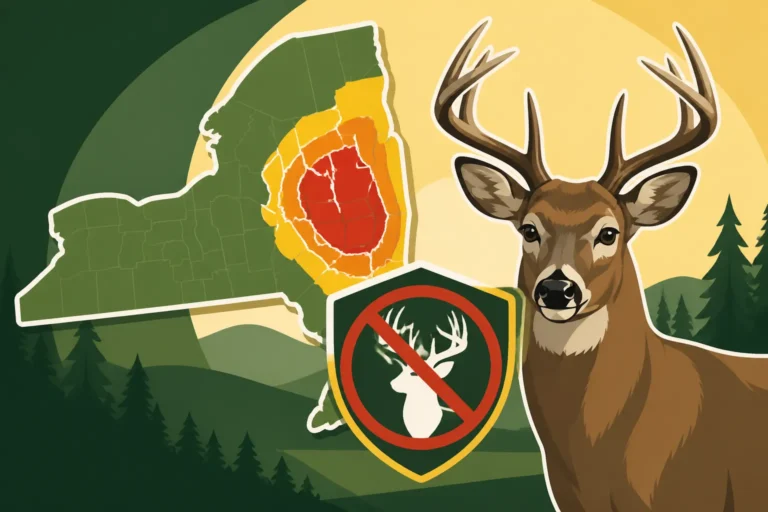
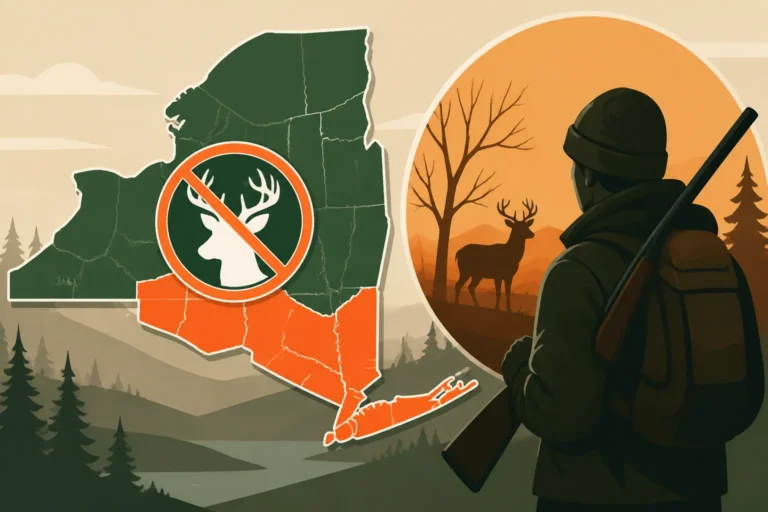
Following the detection, the DEC established a CWD Containment Area. This isn't just a theoretical boundary on a map; it's a very real zone designed to restrict the movement of deer carcasses and parts to prevent the potential spread of CWD. The area initially included specific towns in Herkimer County and parts of Oneida County. For hunters, knowing Which Towns Sit Inside the CWD Containment Area is crucial, as it directly impacts how you can process and transport your harvested deer. The DEC's rapid response included euthanizing the captive herd and initiating intensive surveillance in the wild deer population surrounding the facility. This proactive approach underscores the state's commitment to protecting New York's wild deer resource, which is something we all value deeply. The incident also highlighted Why New York Tracks Captive Deer Facilities so closely, as these can unfortunately be vectors for disease introduction.
Accessing Free CWD Testing for Herkimer County Deer
It’s one thing to hear about CWD, and another to be directly impacted by it. For those of us hunting in or near the Herkimer County CWD Containment Area, the question becomes: what can I do, and how can I get answers about my harvest? Thankfully, the DEC has stepped up to provide a crucial resource.
Who is Eligible for Free Testing and How It Works
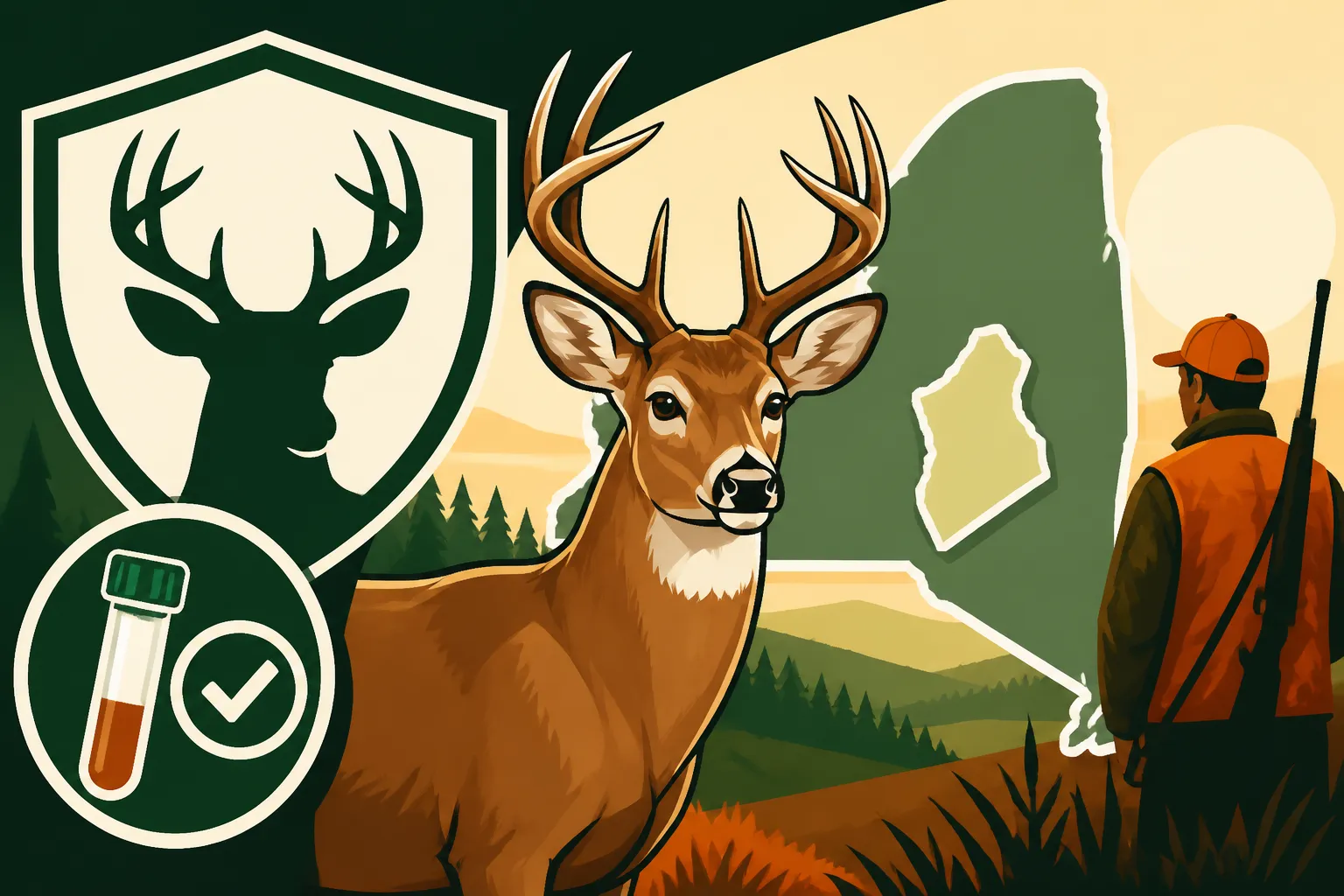
The free CWD testing program is specifically designed for deer harvested within the officially designated CWD Containment Area in Herkimer County. This isn't a statewide blanket offer; it's a targeted effort to monitor the wild deer population in the highest-risk zone following the captive herd incident. If you harvest a deer within this containment area, you are eligible to submit samples for free testing. The process is straightforward, but it requires your participation and attention to detail.
First, you'll need to locate a designated drop-off point or obtain a sampling kit. The DEC provides information on these locations, often at regional DEC offices, specific meat processors, or collection barrels in strategic spots around the containment zone. When you harvest a deer, you'll need to remove the head (or specific lymph nodes if you're processing the deer yourself in the field) and bring it to one of these locations. Some hunters find using an app like GoHunt helpful for pinpointing these specific drop-off locations or understanding the precise boundaries of the WMUs within the containment area. The folks at the collection points will usually help you fill out the necessary paperwork, which includes details about where and when the deer was harvested, your contact information, and your hunting license number. This data is vital for tracking the disease and understanding its distribution. Remember, time is often of the essence, especially if the weather is warm. You want to get that sample submitted as quickly as possible to ensure accurate testing.
The Importance of Participation and How Results Are Shared
Your participation in the free CWD testing program isn't just about your own peace of mind; it's a critical component of New York's overall CWD surveillance strategy. Every sample submitted adds another piece to the puzzle, helping the DEC map the disease, understand its prevalence (or lack thereof), and make informed management decisions. We, as hunters, are the eyes and ears on the ground, and our cooperation is indispensable. Many hunters were keen to know How Many Deer Were Sampled After the Herkimer Case, and this information is essential for assessing risk.
Once your sample is submitted, it's sent to a specialized lab for analysis. The DEC is typically very good about communicating results back to individual hunters. You'll usually be notified by phone or email about whether your harvested deer tested positive or negative for CWD. Receiving a negative result offers tremendous peace of mind, allowing you to confidently process and consume your venison. In the rare and unfortunate event of a positive result, the DEC will provide guidance on what steps to take next, which generally involves proper disposal of the carcass. This rigorous testing program is part of the larger effort discussed in New York CWD Testing for Hunters to keep tabs on the disease. Beyond individual results, the aggregated data from thousands of samples helps protect the broader herd, which is truly what it’s all about for us sportsmen and women.
Navigating Hunting Regulations Within the CWD Containment Area
Hunting in a CWD Containment Area isn't business as usual. It comes with specific rules and regulations designed to prevent the disease from spreading beyond its current boundaries. These rules can feel restrictive, but they are absolutely necessary to protect our wild deer across the state.
Special Carcass and Transport Restrictions
One of the most significant changes for hunters in the Herkimer County CWD Containment Area revolves around carcass movement and transport. The rule is simple in principle but requires careful planning: certain parts of a deer harvested within the containment area cannot be moved out of it. The primary goal here is to prevent the physical movement of infectious prions to new areas.
Specifically, you cannot transport the brain, spinal cord, eyes, spleen, or lymph nodes out of the containment area. These are the parts where CWD prions concentrate the most. What can you transport? Boned-out meat, cleaned skull plates (antlers attached, with all brain tissue removed), capes (without skull tissue), and hides. For many of us who take our deer to a local processor outside the immediate area, or who hunt in the containment zone but live elsewhere, this means you must process your deer within the CWD Containment Area before taking it home. This might require finding a processor who operates within the zone, or being prepared to do extensive field dressing and boning out your deer on-site. It's a bit more work, but it's a small price to pay for safeguarding the health of our statewide deer herd. Make sure you're up-to-date on New York Carcass Transport Restrictions before you head out, as these rules are strictly enforced for good reason.
Enhanced Deer Management and Additional Permits
Beyond carcass restrictions, the presence of CWD in Herkimer County has also influenced deer management strategies within the containment area. The DEC's goal is to control deer populations to reduce the likelihood of disease transmission. Higher deer densities can increase deer-to-deer contact, making it easier for CWD to spread if it were to establish itself in the wild herd.
Because of this, hunters in the CWD Containment Area often have access to enhanced antlerless harvest opportunities. This might include special deer management permits (DMPs) or extended seasons for antlerless deer. For instance, the DEC has been known to issue Extra DMPs Issued Inside the Containment Area to help achieve these population control goals. While some hunters might prefer to target bucks, harvesting antlerless deer is a crucial tool in managing herd health, especially in the face of CWD. These measures are designed to reduce overall deer numbers and minimize the chance of CWD taking hold and spreading. It's also part of the broader discussion of Why New York Loosened Antlerless Rules in 2026 in certain areas, focusing on flexible management to address specific regional challenges, like CWD. Remember to always report your deer harvest, as required for all New York hunters, and this data is especially critical within the CWD zone. You can easily do this by Reporting a New York Deer Harvest Online through the DEC's system.
Here's a quick summary of key actions for Herkimer County CWD Containment Area hunters:
| Action Item | Description | Why It Matters |
|---|---|---|
| Harvest Reporting | Report all deer harvested within the containment area through the DEC's online system or phone. | Provides crucial data for disease surveillance and population management. |
| Free CWD Testing | Submit head (or lymph nodes) of harvested deer from the containment area at designated drop-off points. | Offers peace of mind, informs management, and tracks disease presence. |
| Carcass Restrictions | Do NOT transport brain, spinal cord, eyes, spleen, or lymph nodes out of the containment area. Process deer within the zone. | Prevents the physical spread of CWD prions to new areas. |
| Utilize DMPs | Take advantage of any additional Deer Management Permits or antlerless opportunities offered for the containment area. | Helps manage deer density, which is a key strategy in mitigating CWD spread. |
| Stay Informed | Regularly check DEC website for updates on CWD regulations, new drop-off sites, or changes to the containment area. | Ensures you are always compliant with the latest rules and protecting the herd. |
Looking Ahead: The Future of CWD Management in New York
CWD isn't a problem that will simply disappear overnight. It's a long-term challenge that requires ongoing vigilance and adaptation. As hunters, our role extends beyond just the current season; it's about being stewards of the land and its wildlife for generations to come.
Continued Surveillance and Research Efforts
The DEC, along with wildlife health experts, continues to conduct extensive surveillance across New York State. While the immediate focus has been on the Herkimer County CWD Containment Area, monitoring efforts extend statewide to detect any new outbreaks early. This includes routine testing of road-killed deer, sick deer reported by the public, and hunter-harvested deer in various regions. This ongoing commitment to surveillance is our first line of defense, ensuring that if CWD emerges elsewhere, we can respond quickly and effectively.
Furthermore, research into CWD is constantly evolving. Scientists are working to understand more about prion behavior, disease transmission, and potential new detection methods or even treatments, though a cure still seems a distant hope. The DEC actively participates in these discussions and applies the latest scientific findings to its management strategies. As hunters, being informed about this ongoing work is part of our responsibility. Knowing that experts are tirelessly working to protect the herd gives us some assurance, even in the face of such a formidable disease.
Hunter's Role in Preventing the Spread
Ultimately, the future of New York's deer herd, in the face of CWD, rests heavily on the shoulders of informed and responsible hunters. We have a powerful role to play in preventing its spread.
First and foremost, participate in testing if you hunt in a CWD-affected area. Your individual sample contributes to the larger data set that guides management decisions. Second, adhere strictly to carcass transport restrictions. This cannot be stressed enough. If you kill a deer in the CWD Containment Area, process it there. Do not transport high-risk parts outside the zone. This might mean adapting your traditional hunting camp routine or finding new processing solutions, but it's vital. Third, dispose of carcass waste properly. If you're butchering your deer yourself, ensure that any parts you're not keeping are disposed of in a landfill or buried deeply on the property where the deer was harvested, especially within the containment area. This prevents prions from entering the environment where other deer could pick them up. Finally, and perhaps most importantly, report any sick-looking deer you encounter to the DEC. Symptoms like emaciation, stumbling, or unusual behavior could indicate CWD or other diseases. By being vigilant and reporting suspicious animals, you provide valuable information that could be critical in detecting and containing an outbreak. Our collective efforts, driven by a deep respect for the game we pursue, are the strongest shield we have against CWD.
Disclaimer
The information provided in this article is for general guidance and informational purposes only. Hunting regulations, CWD containment areas, and testing protocols are subject to change. Always consult the most current New York State Department of Environmental Conservation (DEC) hunting regulations and official CWD advisories before hunting.