New York Grouse Season Dates
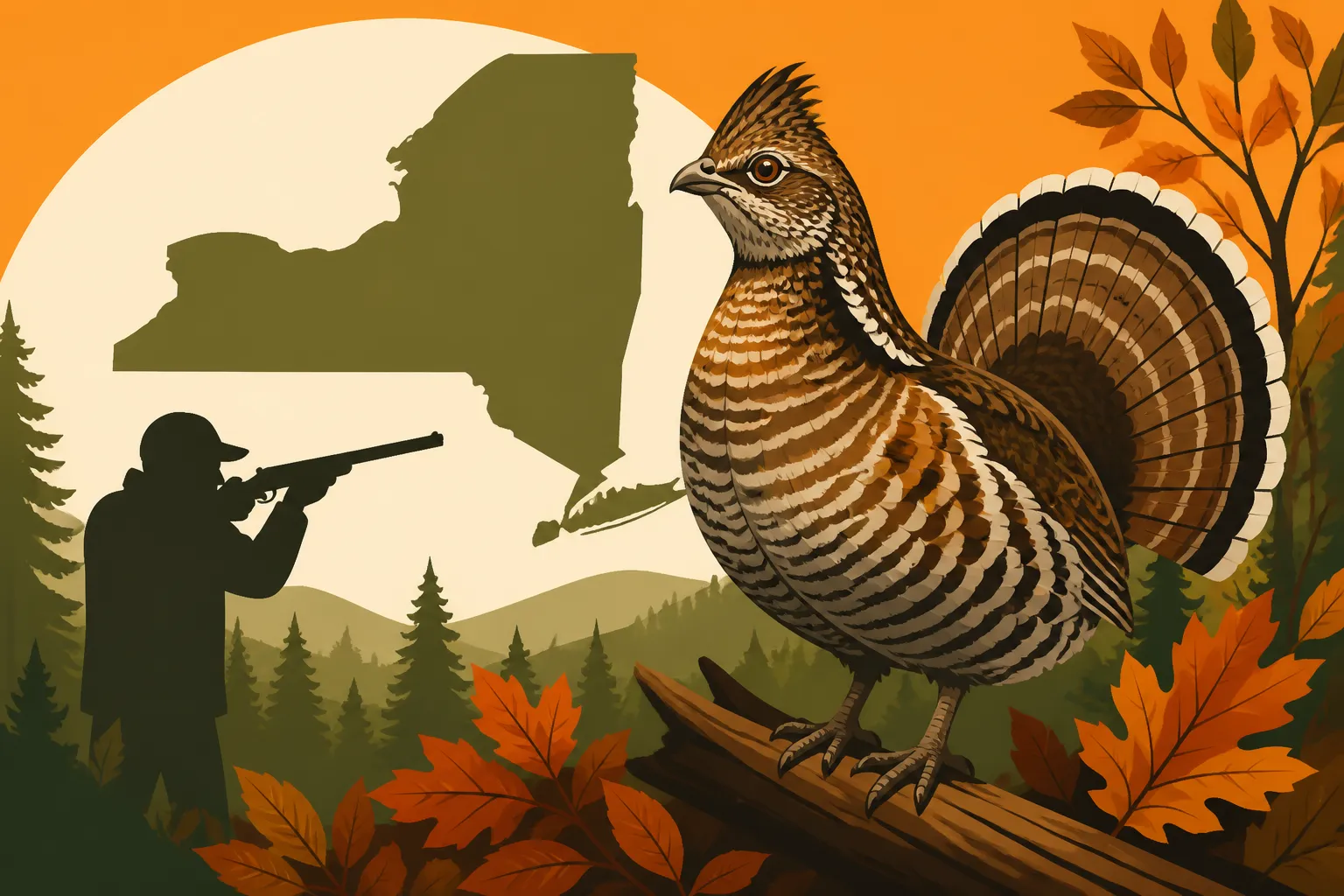
For those of us who live for the explosive flush and the whirring wings of a ruffed grouse, waiting for the New York season to open can feel like an eternity. It’s not just about knowing the dates, but understanding how they fit into the broader hunting landscape and what you need to do to be ready. This guide is going to walk you through everything you need to know about New York's grouse season dates, making sure you’re fully prepared when October rolls around.
Understanding New York’s Ruffed Grouse Season Calendar
New York State is a fantastic place for upland hunting, and ruffed grouse are often at the top of many hunters' lists. Unlike some other game species, the grouse season structure is fairly straightforward, though it’s always wise to double-check the current year's regulations directly from the New York Department of Environmental Conservation (DEC) website. Generally, the season offers a long window, allowing hunters ample opportunity to pursue these feathered rockets.
General Season Openers and Closures
Across much of New York, the ruffed grouse season typically kicks off on October 1st. This is a date etched into the minds of many upland hunters, signaling the beginning of crisp fall days, vibrant foliage, and the chance to walk through prime cover. This consistent opener is a blessing, as it means you don't have to juggle wildly different start times across various regions. The season then extends for several months, typically closing around the end of February. This lengthy season is a real gift, particularly for those who enjoy hunting in the late fall and winter months when deer seasons have either closed or conditions change dramatically.
Historically, the season has remained quite stable, but it’s crucial to remember that wildlife management is dynamic. Factors like habitat changes, population surveys, and even disease concerns can influence regulations. For instance, while generally the dates are uniform statewide, a specific Wildlife Management Unit (WMU) could potentially have a localized adjustment, so always consult the most current DEC regulations. Tools like the GoHunt app are invaluable for having the most up-to-date information right in your pocket, ensuring you're never caught off guard by a subtle change in boundaries or dates.
Zone-Specific Nuances: Northern and Southern Zones
New York is divided into Northern and Southern Zones for deer and bear hunting, but for ruffed grouse, these distinctions usually don’t create drastically different season dates. The statewide October 1st opener and late February closure generally apply across both. However, understanding the characteristics of each zone can help you plan your hunts more effectively within these dates.
- Northern Zone: This zone, encompassing the vast Adirondack Park and surrounding regions, offers immense tracts of public land and a more rugged hunting experience. The early parts of the grouse season here (October and November) often coincide with spectacular fall colors and more moderate temperatures. As the season progresses into December, January, and February, the Northern Zone typically experiences significant snowfall, which can both complicate access and create unique hunting conditions, such as driving grouse into denser cover or targeting conifer stands. Hunters exploring this region might find it helpful to consult guides on Grouse Hunting New York Aspen Cover to understand the preferred habitats during different parts of the season.
- Southern Zone: This zone includes everything south of the Northern Zone line, covering the Catskills, Finger Lakes, Southern Tier, and areas closer to the Greater New York City area. While also opening on October 1st and closing in late February, the Southern Zone generally experiences milder winters than its northern counterpart. This means that late-season hunting might offer more accessible terrain for longer periods. You'll find a mix of state forests, private lands, and Wildlife Management Areas offering diverse grouse habitats.
It's vital to note that while the season dates might be similar, the actual hunting conditions and grouse behavior will differ significantly between zones as winter approaches. Early season grouse might be found along field edges or in younger forest cuts, while deep snow might push them into evergreens or thick briar patches later in the year.
Daily Bag and Possession Limits for Ruffed Grouse
Knowing when you can hunt is only half the battle; understanding how many birds you can legally take is just as crucial. For ruffed grouse in New York, the daily bag and possession limits are straightforward, designed to ensure sustainable populations while providing ample opportunity for hunters.
The Standard Three-Bird Daily Limit
For ruffed grouse across all of New York State, the daily bag limit is three birds. This means that in any single day, you are allowed to harvest up to three ruffed grouse. This limit is consistent, whether you're hunting the rolling hills of the Southern Tier or the vast forests of the Adirondacks. It’s important to respect this limit, not just because it’s the law, but because it’s a key component of responsible wildlife management. Over-harvesting, even accidentally, can impact local populations.
Many hunters will tell you that getting three flushes, let alone three birds in the bag, can be a challenge on any given day, especially later in the season when birds are wary. It often takes a good dog or a lot of legwork to achieve a full limit. For more details on this specific regulation, you can always refer to resources like New York Grouse Daily Bag Limit to stay informed.
Possession Limits and Transport Considerations
In addition to the daily bag limit, there's also a possession limit. For ruffed grouse, the possession limit in New York is typically six birds. This limit applies to the total number of grouse you can have in your possession at any given time, whether they are freshly harvested or from previous hunts stored at home or camp. It's designed to prevent commercialization and to ensure hunters aren't stockpiling game beyond reasonable personal use.
When transporting grouse, especially across state lines, be aware of specific regulations regarding migratory birds, even though ruffed grouse are resident game birds. It's always a good idea to keep a wing or head attached to the bird until it's processed at home, as this helps with identification if a game warden needs to verify the species and legal harvest. While grouse aren't migratory in the same way ducks or woodcock are, basic identification practices are just good habits.
Here's a quick reference table for Ruffed Grouse season dates and limits:
| Regulation Type | Details |
|---|---|
| Season Opener | October 1st (Statewide) |
| Season Closer | End of February (Typically February 28th, Statewide – Always verify current year's dates with NYSDEC) |
| Daily Bag Limit | 3 Ruffed Grouse |
| Possession Limit | 6 Ruffed Grouse |
| Huntable Species | Ruffed Grouse (Note: Spruce Grouse are a protected species in New York and cannot be hunted. Ensure proper identification.) |
Habitat and Timing: Maximizing Your Grouse Season
Understanding the season dates is just the beginning. To truly be successful, you need to align your hunting efforts with where grouse are likely to be found throughout the season. Their habitat use changes as food sources shift and cover needs evolve with the weather. This ecological dance is what makes grouse hunting so engaging.
Early Season: October and Early November
When the season opens on October 1st, New York's forests are often still holding most of their leaves, and temperatures are usually mild. During this time, grouse are widely dispersed, feeding heavily on a variety of berries, insects, and lush green vegetation. They can be found in a diverse range of covers, from young aspen and birch stands to mixed hardwoods with a good understory. This is often an excellent time for those who enjoy Hunting Grouse and Woodcock Together as the woodcock migration is usually in full swing.
Focus your early season efforts on areas with a mix of young, regenerating forest and mature timber. Look for areas with dense saplings and brush, particularly where sunlight penetrates to encourage undergrowth. Old logging roads, clearcuts that are several years old, and the edges of agricultural fields bordering woodlands are all prime spots. Using a mapping tool like GoHunt can help you identify these habitat types and access points across public lands. Remember, a good strategy for Flushing Grouse Without a Dog in the early season often involves slow, deliberate walking through likely cover, paying close attention to thickets and grapevines.
Mid-Season: Late November and December
As New York transitions from fall to winter, leaves drop, and temperatures fall, bringing the first snows. Grouse behavior changes accordingly. They become more reliant on dormant buds, catkins (especially from birch and aspen), and persistent fruits like highbush cranberry. Their primary cover needs shift to denser evergreens – hemlock, spruce, and fir thickets – or incredibly dense deciduous stands that offer protection from predators and weather.
Hunting in the mid-season means adjusting your tactics. Instead of broadly covering diverse habitat, focus on those specific areas where food and thermal cover combine. Look for dense conifer swamps, particularly those with a water source nearby, or the transition zones between mature hardwoods and thick stands of evergreens. Access can start to become a factor, especially in areas with deeper snow, so consider routes and footwear. This period might also coincide with New York's Southern Zone Firearm Season, so remember to wear your New York Blaze Orange Requirements during this overlap to stay safe and visible.
Late Season: January and February
The late season in New York presents the toughest, but often most rewarding, grouse hunting challenges. Deep snow can cover much of the ground, restricting grouse movement and concentrating them into specific wintering habitats. They are almost exclusively feeding on buds and catkins now, and their survival depends on finding secure cover from extreme cold and predators. This often means very dense conifer stands, thick briar patches, or areas of thick, regenerating hardwoods where there's still some protection from the elements.
Hunting during the late season requires dedication and often specialized gear. Snowshoes can be essential for accessing remote cover, especially in the Northern Zone. Grouse can be incredibly wary at this time of year, making a clean shot on a flushing bird a true accomplishment. Some hunters prefer this challenge, as successful late-season grouse hunts can be incredibly memorable. When targeting these dense covers, consider your Best Shotgun Gauge for New York Grouse and Choke Choice for Fast Flushes to ensure you're ready for close, quick shots in heavy brush.
Key Regulations and Ethical Considerations for Grouse Hunters
Beyond season dates and bag limits, there are several other important regulations and ethical considerations to keep in mind when hunting ruffed grouse in New York. Adhering to these not only keeps you legal but also contributes to the conservation of this incredible game bird.
Licensing and Permits
To hunt ruffed grouse in New York, you must possess a valid New York State hunting license. Specifically, a small game license or a combination hunting license that includes small game privileges is required. You can purchase these through the DEC's online licensing system, at a DEC license agent, or by phone. It's always a good idea to purchase your license well in advance of the season. For details on New York Hunting Licenses and What They Cost, refer to the DEC website or an authorized vendor.
There are no additional permits or tags specifically required for ruffed grouse beyond your standard hunting license. However, always carry proof of your license while afield, whether it's a physical copy or stored digitally on your phone via the GoHunt or HuntFishNY app.
Blaze Orange and Safety
Safety is paramount in any hunting endeavor, and grouse hunting is no exception. If you are hunting ruffed grouse during any open firearm deer season (which typically overlaps with much of the grouse season), New York law requires you to wear a minimum of 250 square inches of solid or patterned blaze orange or blaze pink material, visible from all directions. This is a critical safety measure, especially when hunting public lands that may also have deer hunters present.
Even outside of firearm deer seasons, many grouse hunters choose to wear blaze orange as a precautionary measure, particularly when hunting with a group or a dog. It simply makes you more visible. Always be aware of your hunting partners, know where your dog is, and practice safe firearm handling at all times. Never shoot at sound or movement; always positively identify your target and know what is beyond it.
Hunting with Dogs
Many grouse hunters rely on the keen senses of a bird dog – pointing breeds like English setters and German shorthaired pointers, or flushing breeds like English springers and cocker spaniels – to locate and flush birds. Hunting with a dog can significantly increase your success and enjoyment. New York permits the use of dogs for hunting small game, including ruffed grouse, provided the dog is under the immediate control of the hunter.
It's important to keep your dog on public lands where hunting is permitted and to respect private property boundaries. Ensure your dog is wearing appropriate identification and is up-to-date on vaccinations. Additionally, consider investing in a GPS collar for your dog, especially in dense cover, as it can be easy for them to get out of sight. Remember that dog training rules and open seasons for training can vary, so always check those specific regulations.
Identifying Your Target
While this guide focuses on ruffed grouse, it's crucial to be absolutely certain of your target. New York has another grouse species, the spruce grouse, but it is listed as an endangered species and is not legal to hunt. Spruce grouse are found in very specific, often remote, coniferous habitats in the Adirondacks. They have a different plumage, often appearing darker and more heavily barred, and lack the prominent ruff and banded tail of a ruffed grouse. Always confirm your target's identity before taking a shot to ensure you're harvesting a legal bird. The DEC provides excellent resources for species identification, and a little homework before the season can prevent a costly mistake.
Ultimately, hunting ruffed grouse in New York is an experience deeply rooted in tradition and connection to the wild. By understanding the season dates, limits, and responsible practices, you can make the most of your time afield and contribute to the health of New York's grouse populations for years to come.
Disclaimer
Please note that hunting regulations, season dates, and bag limits are subject to change. While this article provides general information, it is your responsibility to consult the most current New York State Department of Environmental Conservation (DEC) hunting regulations guide before heading afield. Always verify specific dates and rules for your target species and hunting location.