The Herkimer County Captive CWD Case
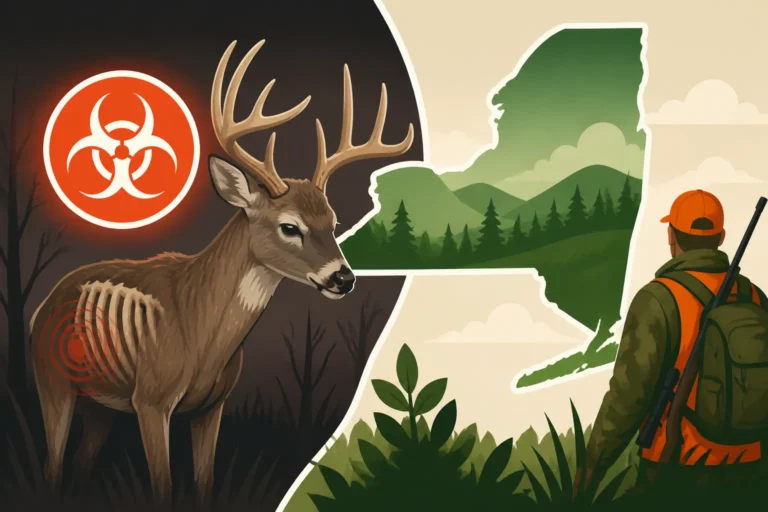
Few things send a colder shiver down a New York hunter's spine than the words "Chronic Wasting Disease." The devastating neurological disease poses an existential threat to our deer, and the unsettling discovery of CWD in a captive deer facility in the region several years ago sparked an immediate, widespread alarm. This guide will walk you through the details of New York's most significant CWD incident, its profound impact on our hunting regulations, and the ongoing efforts to protect our cherished wild deer herd.
Understanding Chronic Wasting Disease CWD
Chronic Wasting Disease (CWD) is a topic that can feel overwhelming, even scary, for hunters and wildlife enthusiasts. It’s a relentless disease, and understanding its nature is the first step in appreciating the extreme measures New York has taken to keep it out of our wild deer and elk populations. It’s not just another sickness; it’s a game-changer for any region it touches.
What CWD Is and How It Spreads
At its core, CWD is a neurological disease, meaning it attacks the brain and nervous system of cervids – animals like deer, elk, moose, and caribou. It belongs to a family of diseases called Transmissible Spongiform Encephalopathies (TSEs), which also includes scrapie in sheep and "mad cow disease" in cattle. What makes CWD so uniquely insidious is its cause: abnormal proteins called prions. These aren't bacteria or viruses, which means they can persist in the environment for an incredibly long time, resisting traditional disinfectants and even extreme temperatures. A deer infected with CWD might shed these prions through its saliva, urine, and feces long before showing any symptoms. These prions then contaminate the soil, plants, and water, creating a persistent reservoir of infection that can spread to other deer. Imagine a deer rubbing its antlers on a tree, leaving behind prions that another deer might encounter days, weeks, or even months later. This environmental persistence is why CWD is so difficult to eradicate once it takes hold in a wild population.
The disease spreads through direct contact between animals, but also indirectly through that contaminated environment. Deer in high-density areas, where social interaction is frequent and shared resources like food plots or mineral licks concentrate animals, are particularly vulnerable. The disease essentially causes the brain to slowly waste away, creating sponge-like holes in the tissue. The symptoms are grim: drastic weight loss (hence "wasting"), stumbling, drooling, lethargy, loss of fear of humans, and eventually, death. There is no known cure or vaccine, and it is always fatal. This stark reality is why every hunter in New York needs to be acutely aware of its dangers and our collective responsibility in monitoring for signs of trouble, which you can learn more about by reviewing the state's efforts against New York's Chronic Wasting Disease Containment Area.
The Dire Threat CWD Poses to Deer Populations
The threat CWD poses isn't just to individual deer; it's a looming catastrophe for entire regional populations and the ecosystems they inhabit. When CWD becomes established in a wild herd, it can lead to long-term population declines, altered age structures (fewer older, healthier bucks), and significant ecological disruption. Picture a herd where a substantial percentage of animals are slowly dying off, becoming more susceptible to predators, accidents, and other diseases in their weakened state. This impacts everything from predator-prey dynamics to plant communities that rely on deer browsing. The disease also raises serious questions about the long-term health and sustainability of hunting.
Beyond the ecological impact, there's a significant economic and cultural toll. Hunting is a huge part of New York's heritage and economy, supporting countless businesses, jobs, and community traditions. If CWD were to become widespread, it could decimate deer populations, leading to reduced hunting opportunities, declining license sales, and a ripple effect across rural economies. The fear and uncertainty surrounding CWD can also erode public trust in wildlife management agencies, and even impact the willingness of hunters to participate in essential population control or monitoring programs. It’s a crisis that strikes at the very heart of our connection to the outdoors and our shared passion for hunting.
Why New York's Wildlife Officials Are So Vigilant
Given the devastating potential of CWD, it’s no wonder that New York’s wildlife officials, specifically the Department of Environmental Conservation (DEC), maintain an incredibly high level of vigilance. Their proactive stance stems from a deep understanding of the disease's irreversible nature and the historical experiences of other states that have battled CWD outbreaks. Once CWD is established in a wild herd, it has proven virtually impossible to eradicate. States like Wisconsin and Colorado have spent decades and millions of dollars trying to manage, but not eliminate, the disease in their wild deer. New York's strategy has always been to prevent CWD from entering the wild population in the first place, or to stamp it out immediately if a captive case is detected.
The DEC conducts extensive surveillance statewide, testing thousands of deer each year, both harvested animals and those found sick or dead. They also have strict regulations concerning the importation of deer and deer parts from CWD-positive states. This isn't just bureaucratic red tape; it's a critical defense mechanism. They know that an outbreak in New York's wild herd would not only devastate deer populations but also irrevocably change hunting in the state, potentially for generations. This constant watchfulness is a testament to their commitment to preserving our wildlife resources and the hunting legacy that we all value so much.
The Herkimer County Incident: A Timeline of Discovery
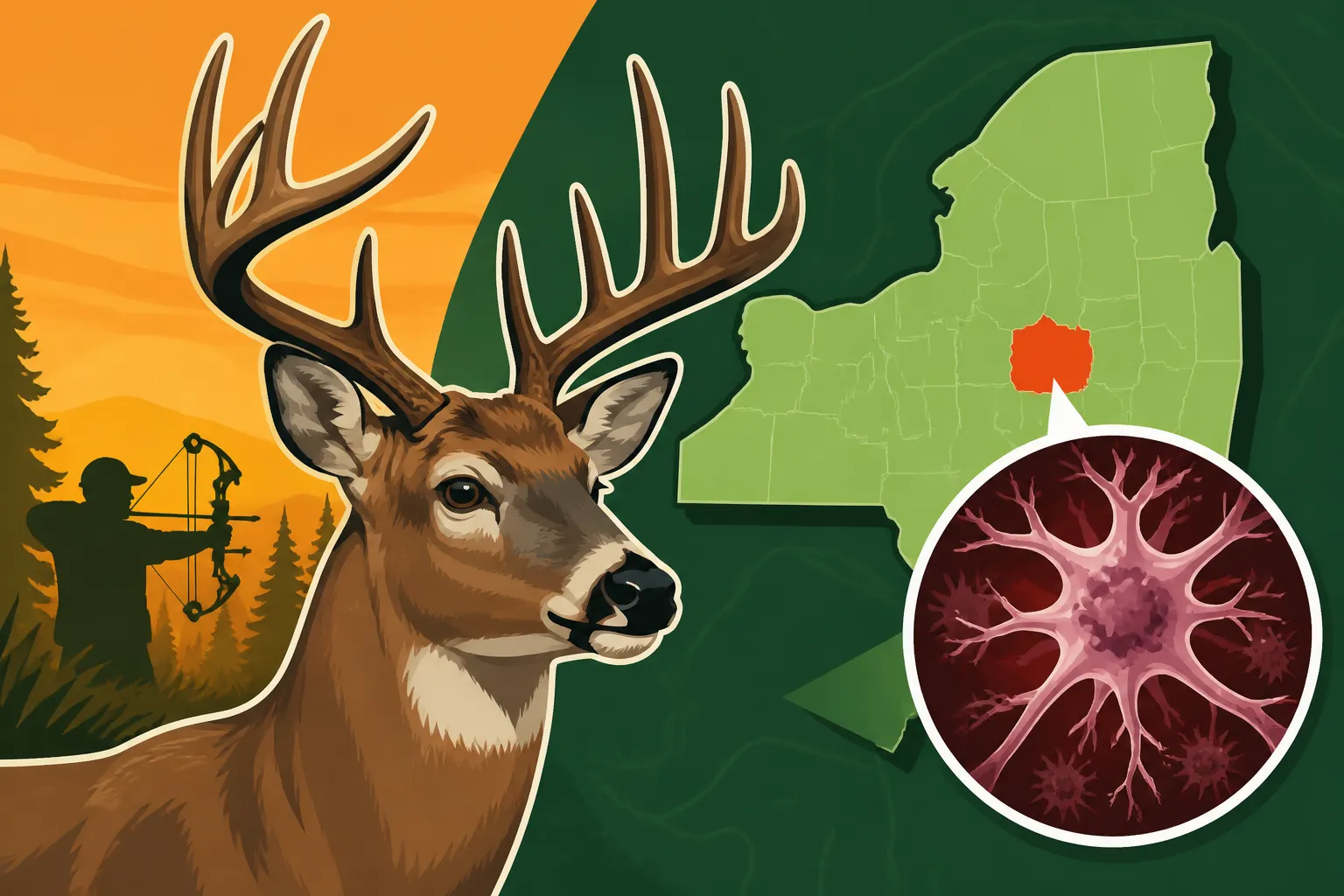
The memory of the 2005 CWD incident, while technically centered in Oneida County, specifically the Town of Verona, cast a long shadow over the entire region, leading to the designation of a CWD Containment Area that encompassed parts of Herkimer County. This was New York's direct confrontation with CWD, and the swift, decisive actions taken remain a benchmark for how to respond to such a dire threat. It was a stressful time for everyone involved, from wildlife biologists to local landowners and hunters.
Initial Detection in a Captive Deer Facility
The alarm bells first rang in March 2005 when CWD was confirmed in a captive white-tailed deer breeding facility in Verona, Oneida County. This was not a wild deer found in the forest, but an animal within a fenced enclosure. The facility raised deer for various purposes, and the disease was identified through routine testing after an animal exhibited symptoms consistent with CWD. For wildlife officials, this was a nightmare scenario: CWD had breached New York’s borders, albeit within a contained environment. The immediate concern was, of course, whether the disease had already escaped the fence and infected wild deer in the surrounding landscape.
The discovery triggered an intense, rapid response. The DEC, in close cooperation with the New York State Department of Agriculture and Markets (NYSDAM), immediately quarantined the affected facility. This meant no animals or animal parts could leave the property, effectively sealing off the potential source of infection. The stakes were incredibly high; New York had, until that point, been a CWD-free state for its wild deer population, and this captive case represented the most serious threat to that status. Hunters across the state held their breath, anxiously awaiting further news, wondering if their hunting grounds could be next.
Swift Response and Containment Efforts
Following the initial detection, the response from state agencies was nothing short of monumental. The first critical step was the depopulation of the entire captive herd at the Verona facility. While heartbreaking, this drastic measure was deemed absolutely necessary to eliminate the known source of the prions. Every deer on the property was euthanized and tested for CWD. This extensive testing provided crucial data, revealing additional infected animals within the herd, further confirming the need for the depopulation. Parallel to this, a significant CWD Containment Area was swiftly established around the facility, extending into adjacent counties, including sections of Herkimer County. This zone was designed to create a buffer, assuming that any potential spillover into the wild would be localized.
Within this containment area, stringent regulations were immediately put into place. These included mandatory testing of all deer harvested by hunters, strict prohibitions on the movement of deer carcasses and certain parts out of the zone, and intensified surveillance of wild deer. The DEC mobilized staff, setting up check stations, collecting samples from harvested deer, and conducting extensive public outreach to inform hunters and residents about the risks and the new rules. This coordinated, all-hands-on-deck approach was critical in isolating the threat and gathering vital information, ensuring that any wild deer showing signs of the disease would be quickly identified. Hunter engagement was key, with many utilizing resources like GoHunt to understand the updated regulations for their specific hunting areas.
Unraveling the Source and Spread within the Facility
Once the immediate containment measures were in place, the focus shifted to understanding how CWD entered the Verona facility and how it might have spread within the captive herd. This epidemiological investigation was a complex puzzle, requiring careful tracing of animal movements and a thorough review of the facility's history. It was determined that the CWD likely entered the facility through the importation of an infected animal from another state known to have CWD. This finding underscored the immense risk associated with moving captive cervids and informed subsequent changes to regulations concerning interstate deer movements.
Within the facility itself, factors like high animal densities, shared feed and water sources, and the prolonged presence of prions in the environment likely contributed to the internal spread. Prions, once shed into the soil, can remain infectious for years, if not decades. This persistence meant that even after depopulation, the ground itself remained a potential source of infection. Therefore, the long-term management of the site involved not just removal of animals but also extensive environmental remediation, including removal of contaminated soil. This deep dive into the incident provided invaluable lessons for New York and other states on the critical importance of rigorous biosecurity measures and strict oversight of captive cervid operations to prevent future introductions of this devastating disease.
Establishing the CWD Containment Area
The establishment of the CWD Containment Area was a pivotal moment in New York's battle against the disease. It wasn't just a lines-on-a-map exercise; it was a comprehensive strategy to manage the risk, monitor for wild CWD, and protect the vast majority of the state's deer herd. For hunters within and adjacent to this area, it meant a significant change in how they approached their seasons.
Defining the Geographic Boundaries and Affected Towns
Immediately following the 2005 CWD detection, the DEC moved quickly to define the CWD Containment Area. This zone, while initially focused around the Verona facility in Oneida County, was drawn to encompass a broader geographic region where potential contact between captive and wild deer, or indirect environmental contamination, was a concern. This included several towns in Oneida County and extended into parts of Madison and, importantly for our discussion, Herkimer County. For example, towns like Schuyler and Frankfort in Herkimer County were designated within this zone due to their proximity and the potential for deer movement.
The boundaries were not arbitrary; they were based on factors like deer movement patterns, prevailing winds, hydrology (how water flows, potentially carrying prions), and local road networks that might influence hunter behavior and carcass transport. Residents and hunters within these towns were immediately notified of the new regulations, often through local media, DEC outreach programs, and specific mapping tools available on the DEC website or via apps like GoHunt. This hyper-local designation was crucial for directing resources and enforcing the new rules where they were most needed. Hunters in these specific areas needed to pay extra attention to where they were hunting relative to the zone lines. The DEC had to clearly delineate these areas to ensure compliance and effective monitoring of the situation. You can often find detailed maps of such zones by looking into resources like New York's Chronic Wasting Disease Containment Area.
Enhanced Surveillance and Testing Protocols
Within the CWD Containment Area, surveillance and testing protocols were dramatically intensified. This wasn't just about collecting a few extra samples; it was a full-scale effort to ascertain whether CWD had jumped from the captive facility into the wild deer population. All deer harvested by hunters within the designated zone were subject to mandatory testing. This meant hunters were required to bring their deer to specific check stations or designated collection sites where DEC staff would collect tissue samples, typically from the brainstem and lymph nodes, which are the preferred tissues for CWD detection.
The sheer volume of samples collected required significant logistical coordination and laboratory resources. The goal was to test enough deer to statistically determine if CWD was present at low levels in the wild herd. In addition to hunter-harvested deer, the DEC also increased surveillance of road-killed deer and any deer found sick or dead within the zone. This comprehensive approach allowed wildlife biologists to gain a clear picture of the CWD status of the wild deer in the containment area, providing the critical data needed to make informed management decisions. The success of this program depended heavily on the cooperation and understanding of the local hunting community, who stepped up to the plate.
Restrictions on Carcass Movement and Deer Parts
One of the most critical aspects of the CWD Containment Area regulations involved strict restrictions on the movement of deer carcasses and certain deer parts. This measure was implemented to prevent the inadvertent spread of CWD prions to other parts of New York, or even to other states, through the transport of an infected deer. Hunters were strictly prohibited from removing whole carcasses or high-risk parts (such as the brain, spinal cord, eyes, spleen, and lymph nodes) from the containment area. This meant that if you harvested a deer in, say, Schuyler or Frankfort, you couldn't just throw it in the back of your truck and take it home to your camp outside the zone without processing it first.
Hunters were generally allowed to transport boned-out meat, capes (without the skull), antlers (without brain tissue), and cleaned skulls or skull plates (free of brain matter). These regulations were designed to allow hunters to still utilize their harvest while minimizing the risk of spreading the disease. Special disposal sites were often established within the zone for hunters to drop off unwanted high-risk parts. While these rules presented a logistical challenge for hunters, especially those from outside the containment area, they were essential in preventing further contamination. The restrictions highlighted the seriousness of the CWD threat and the collective responsibility of hunters in mitigating its spread, a point often emphasized in guides about handling deer after the shot, especially in affected areas.
Impact on Hunters and Local Communities
The CWD incident and the subsequent containment efforts didn't just affect deer; they significantly impacted the lives and routines of hunters and the economies of local communities in and around the designated area. It created a sense of uncertainty and required adaptation, proving once again that hunters are often at the forefront of wildlife conservation efforts.
Changes to Hunting Regulations and Deer Management Permits DMPs
For hunters within the CWD Containment Area, the 2005 incident brought immediate and noticeable changes to hunting regulations. Beyond the mandatory testing and carcass movement restrictions, the DEC often adjusted deer management strategies to help monitor and potentially reduce deer densities in the affected zone. This could include things like issuing additional Deer Management Permits (DMPs) to increase harvest pressure, especially on antlerless deer, with the goal of reducing the overall population and thus the potential for CWD transmission. Hunters could find information on applying for a fourth DMP in 2026 or other bonus tags specifically for CWD zones.
Such changes were not just about controlling deer numbers, but also about gathering more samples for testing. Every deer harvested was a data point, a valuable piece of information in the fight against CWD. Hunters had to be acutely aware of which WMUs (Wildlife Management Units) were part of the containment zone, as the rules applied to them specifically. This meant consulting the DEC regulations more closely than ever before, utilizing tools like the New York HuntFishNY app or other platforms like GoHunt that integrate up-to-date regulatory information. It was a learning curve for many, but the hunting community largely understood the gravity of the situation and adapted to these new, albeit challenging, requirements.
Hunter Cooperation and the Role of Sampling
The success of New York's containment strategy hinged critically on the cooperation of its hunting community. Without hunters willingly bringing their harvested deer for testing, the DEC would have been severely limited in its ability to monitor the wild herd for CWD. The DEC launched extensive public awareness campaigns, explaining the science behind CWD, the risks, and the specific role hunters played in preventing its spread. They emphasized that mandatory sampling wasn't an inconvenience, but a vital contribution to conservation.
Hunters responded overwhelmingly positively. They understood that their actions directly protected the future of deer hunting in New York. They brought their deer to check stations, answered questions, and adapted to the new processing and transportation rules. Many went above and beyond, reporting suspicious-looking deer or helping spread the word about CWD prevention among their peers. This partnership between the DEC and hunters demonstrated the power of a shared commitment to wildlife. The data gathered from thousands of hunter-submitted samples provided the concrete evidence that CWD had not spread widely into the wild population, a testament to this collaborative effort.
Economic and Social Ripples in a Hunting-Rich Region
The CWD incident and the subsequent containment area created significant economic and social ripples, particularly in communities within and adjacent to the zone. For businesses that rely on hunting, such as sporting goods stores, local diners, gas stations, and lodging establishments, the uncertainty and changing regulations could be impactful. While hunting didn't stop, the added complexities might have deterred some hunters from outside the area, or changed local hunting patterns. The cost of enhanced surveillance and testing also represented a significant investment by the state.
Socially, there was a period of heightened concern and discussion within the communities. Hunters gathered at check stations, sharing information and anxieties. There was a collective sense of responsibility, but also frustration with the disease itself and the challenges it presented. Deer camps in the vicinity might have had to adjust their traditional butchering practices or plans for sharing venison. Despite these challenges, the overwhelming sentiment was one of resilience and determination to protect New York's wildlife. The incident brought into sharp focus the deep connection between rural communities and the natural resources that sustain them, highlighting the importance of every hunter’s role in something as simple as reporting a New York deer harvest online to assist in critical data collection.
Preventing Future Outbreaks and Long-Term Strategies
While the immediate crisis of the 2005 CWD incident was successfully contained, the threat of Chronic Wasting Disease is ever-present. New York remains committed to robust, long-term strategies to ensure that CWD does not establish itself in our wild deer herd, continuing to adapt and learn from ongoing research and experiences from other states.
Ongoing Monitoring and Research Efforts
Even with the successful containment of the 2005 outbreak, the DEC has maintained and even expanded its CWD monitoring program across New York State. This is not a "one-and-done" effort. Each year, thousands of wild deer samples are collected and tested from various regions, including road-killed deer, deer found sick or dead, and hunter-harvested animals. This allows wildlife managers to track the CWD status of the herd statewide and detect any new introductions early. Early detection is paramount because it offers the best chance for successful containment and eradication, should another case arise. Hunters can often submit a bear tooth sample for similar wildlife health monitoring programs.
Beyond simple surveillance, New York wildlife agencies also stay abreast of the latest CWD research. This includes studying prion behavior in the environment, genetic resistance in deer, potential transmission pathways, and the efficacy of different management interventions. This scientific foundation is crucial for making informed decisions and refining strategies. Collaboration with national and international CWD experts ensures that New York benefits from a collective body of knowledge, constantly improving our defenses against this persistent threat. The goal isn't just to react, but to be proactive and informed, always one step ahead if possible.
Education and Hunter Awareness Campaigns
A critical component of New York’s long-term CWD prevention strategy is ongoing education and hunter awareness. The DEC understands that hunters are often the first line of defense; they are out in the field, observing deer, and are capable of identifying sick animals or unusual behavior. Therefore, consistent communication about CWD symptoms, carcass handling guidelines, and the importance of reporting suspected cases is essential. Educational materials are regularly updated and distributed through various channels, including the DEC website, hunting license vendors, hunter education courses, and via hunting organizations.
These campaigns emphasize practical advice, such as avoiding the use of natural deer urine lures (which could potentially carry prions), not placing mineral licks or feed that concentrate deer, and properly disposing of carcass waste. They also reinforce the regulations regarding transporting deer and deer parts, especially when hunting in or traveling through CWD-positive areas in other states. Tools like the GoHunt app or the New York HuntFishNY app are invaluable for providing instant access to these guidelines. By keeping hunters informed and engaged, New York empowers its outdoor community to be active partners in preventing CWD and protecting our cherished wildlife.
The Future of Deer Management in a CWD-Threatened Landscape
The shadow of CWD will undoubtedly continue to influence deer management in New York for the foreseeable future, even without a current wild outbreak. The state will likely maintain its conservative approach to captive cervid farming, with strict regulations to prevent future introductions. Furthermore, deer population management strategies will always consider CWD risk. Maintaining healthy deer densities that are in balance with their habitat can reduce stress and limit the potential for disease transmission. This might involve continuing to offer various Deer Management Permits (DMPs) to ensure appropriate harvest levels, especially in areas where densities are high.
The potential for CWD also adds another layer of complexity to discussions about things like antler restrictions or specific harvest quotas. Every management decision must be weighed against its potential impact on CWD vulnerability. New York's ongoing success in keeping CWD out of its wild herd is a testament to the vigilance, science-based management, and the incredible cooperation of its hunting community. It's a continuous effort, and the experiences from the Herkimer County (Oneida County) captive case serve as a constant reminder of the stakes involved in preserving New York's White-Tailed Deer Across New York for future generations.
Here's a summary of key actions and restrictions for CWD containment areas, based on New York's approach:
| Action/Restriction | Description | Purpose |
|---|---|---|
| Mandatory Deer Testing | All deer harvested by hunters within the designated zone must be submitted for CWD testing. | Detect CWD early in wild populations. |
| Carcass Movement Ban | Prohibits the removal of whole deer carcasses or high-risk parts (brain, spinal cord, etc.) from the containment area. | Prevent the spread of CWD prions to uninfected areas. |
| Allowed Deer Parts | Boned-out meat, cleaned skulls/antlers, and hides (without the head) can typically be removed from the zone. | Allow hunters to utilize harvest while minimizing risk. |
| Increased DMPs | Issuance of additional Deer Management Permits (DMPs) to encourage a higher antlerless harvest. | Reduce deer densities and potential for CWD transmission. |
| Surveillance of Dead Deer | Intensified monitoring and testing of road-killed or otherwise deceased wild deer within the containment zone. | Identify any CWD cases outside of hunting harvest. |
| Baiting & Feeding Ban | Prohibitions on practices like baiting or feeding that concentrate deer, increasing direct contact. | Minimize deer congregation and potential for disease spread. |
| Public Education | Active campaigns to inform hunters and residents about CWD, symptoms, safe practices, and regulations. | Foster cooperation and empower community to assist in prevention. |
| Captive Cervid Controls | Strict regulations on captive deer facilities, including testing and import restrictions, to prevent initial entry. | Prevent CWD from entering the state via captive animals. |
Disclaimer
The information provided in this article is for general guidance and informational purposes only. Hunting regulations, CWD containment areas, and related policies can change frequently. Always consult the most current New York State Department of Environmental Conservation (DEC) hunting regulations guide, official DEC CWD advisories, or use the official HuntFishNY app for the most accurate and up-to-date information before planning or engaging in any hunting activities. Adherence to all state and federal laws is the responsibility of the individual hunter.