Chronic Wasting Disease Risk in New York
There's a shadow that looms over deer hunting communities across the country, a worry that can steal the joy from scouting and dampen the excitement of opening day: Chronic Wasting Disease (CWD). For those of us who cherish New York's deer herd and the hunting traditions passed down through generations, the thought of CWD taking root here is truly unsettling. This isn't just a distant problem; it's a very real concern that requires every hunter to be informed and proactive. This comprehensive guide will break down everything you need to know about CWD, its potential risks to New York's deer, and how you can do your part to keep our wild deer healthy and our hunting heritage secure.
Understanding Chronic Wasting Disease
Chronic Wasting Disease is one of the most serious threats facing deer and elk populations today. It's a neurological disease that affects cervids – that's deer, elk, moose, and caribou – and it's always fatal. The thought of a disease that slowly deteriorates an animal's brain and body is a grim one, and it's precisely why hunters and wildlife managers are so vigilant.
Prions: The Rogue Proteins Behind the Disease
Unlike bacterial or viral infections, CWD is caused by abnormal proteins called prions. These aren't living organisms, so antibiotics or antivirals won't work. Think of them as misfolded proteins that cause normal proteins in the brain to also misfold. This cascade effect creates tiny holes in the brain tissue, giving it a sponge-like appearance under a microscope. It's a slow, insidious process that can take years to manifest, making early detection incredibly difficult in wild populations. The prions are incredibly resilient, able to persist in the environment for years, resisting typical sterilization methods. This environmental persistence is one of the factors that makes CWD so challenging to control once it's established in an area.
How CWD Spreads Among Deer
CWD spreads through direct contact between animals, meaning an infected deer can transmit prions to a healthy one through saliva, urine, and feces. Imagine deer congregating at a popular food plot or a shared water source; this is prime real estate for transmission. But it's not just direct contact. Infected animals shed prions into the environment, contaminating soil, plants, and even water. When other deer come into contact with these contaminated areas, they can ingest the prions. Carcasses of infected animals can also leave prions in the soil, which is why proper disposal is so critical. This environmental contamination makes it a tough disease to eradicate once it's present in a landscape.
Recognizing the Signs: Symptoms in Infected Deer
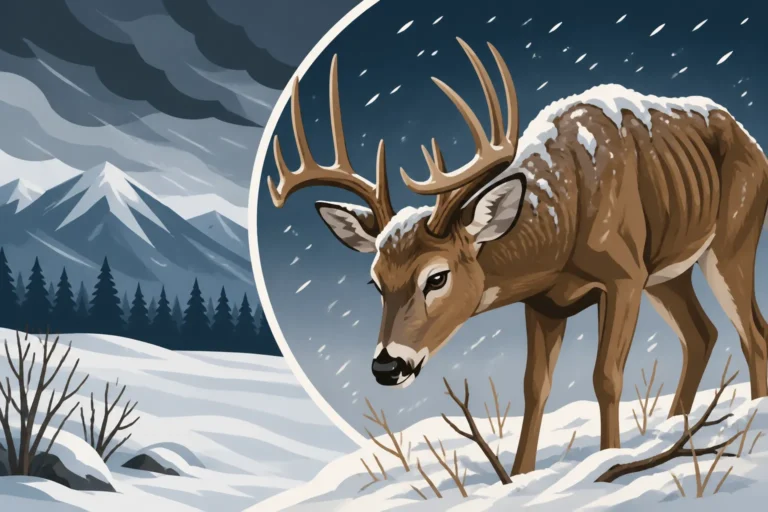
Identifying CWD in the field can be tricky, especially in its early stages. The disease progresses slowly, and infected deer might not show noticeable symptoms for months or even years. However, as the disease advances, you might start seeing a combination of tell-tale signs. These include drastic weight loss, which is where the "wasting" in Chronic Wasting Disease comes from. You might also notice behavioral changes, such as a lack of fear of humans, a wide stance, or repetitive walking patterns. Excessive salivation, drooling, and a dull, blank stare are also common. While these symptoms can also be indicative of other ailments like EHD or brainworm, any deer exhibiting them should be reported immediately to the New York State Department of Environmental Conservation (DEC) for testing.
The Current CWD Situation in New York
New York has been incredibly fortunate compared to many other states, having largely kept CWD out of its wild deer herd. However, vigilance is constant, and there have been close calls that serve as stark reminders of the ever-present threat. The DEC takes CWD incredibly seriously, and hunters play a vital role in their monitoring efforts.
The Herkimer County Incident: A Wake-Up Call
New York's most significant CWD scare occurred back in 2005, centered around a captive deer breeding facility in Oneida County, just bordering Herkimer County. Two captive deer tested positive for CWD, immediately triggering a massive response from the DEC. This wasn't a wild deer, but the proximity to wild populations was terrifying. The quick detection and decisive action to depopulate the affected farm and implement strict surveillance in the surrounding area was a testament to how seriously the state views this threat. This incident highlighted the potential for CWD to enter the state through captive facilities, and it spurred immediate, aggressive measures to prevent its spread to our wild deer. To learn more about this crucial event, you can read our detailed post on The Herkimer County Captive CWD Case.
Establishing the CWD Containment Area
Following the 2005 captive deer case, the DEC established a CWD Containment Area in parts of Oneida and Madison counties, and specifically around the towns of German Flatts, Frankfort, Little Falls, and Schuyler in Herkimer County. While the initial positive animals were captive, the creation of this zone was a proactive step to ensure that if any prions had escaped into the wild, they could be contained and monitored. Within this area, specific regulations were put in place regarding deer carcass movement, baiting, and feeding. These rules are designed to prevent the potential spread of CWD by limiting activities that might concentrate deer or move potentially infected materials. Even though it's been years since the initial incident, this containment area remains a crucial part of New York's defense strategy, and understanding the specific rules for Which Towns Sit Inside the CWD Containment Area is essential for hunters in these regions.
Statewide Surveillance and Testing Efforts
New York operates one of the most extensive CWD surveillance programs in the country. Each year, the DEC collects thousands of deer heads for CWD testing, primarily during the firearm deer seasons. Hunters are actively encouraged to submit their harvested deer, particularly those that appear sick or are taken within or near CWD surveillance areas. This ongoing testing is our early warning system. Without hunters participating and submitting samples, the DEC wouldn't have the data needed to quickly identify if CWD has made its way into our wild herd. It’s a collective effort, and the state provides information on New York CWD Testing for Hunters, including drop-off locations and how to read test results. Many hunters use tools like the GoHunt app to quickly find nearby CWD sample drop-off locations and stay informed about current testing requirements in their hunting units.
Why CWD is Such a Serious Threat to New York's Deer Herd
CWD isn't just another disease; it's an existential threat to deer populations and the hunting heritage we all cherish. Its unique characteristics make it particularly insidious and difficult to manage, posing significant risks that extend far beyond just individual animals.
Ecological Impact: Potential for Population Decline
The primary concern with CWD is its potential to decimate deer populations. While the disease progresses slowly, it is 100% fatal. Once established in a wild herd, the prevalence of CWD can gradually increase, leading to a decline in deer numbers. Imagine a scenario where a significant percentage of bucks and does are succumbing to CWD each year; the reproductive capacity of the herd would diminish, fawn survival rates might drop due to infected mothers, and overall population health would suffer immensely. Over time, this could lead to localized extinctions or severe reductions in deer density, fundamentally altering the ecological balance of New York's forests and fields. The impact on prey-predator dynamics and vegetative browse could be profound, changing the very landscape we hunt.
Economic Impact: Hunter Participation and Local Economies
The ripple effects of a CWD outbreak extend far beyond the deer themselves. Deer hunting is a significant economic driver in many parts of New York. From small-town diners and gas stations to sporting goods stores, taxidermists, and butcher shops, local businesses rely heavily on the influx of hunters during deer season. If CWD were to become widespread, the resulting decline in deer populations or public apprehension about hunting potentially infected animals could lead to a sharp decrease in hunter participation. This would translate into lost revenue for businesses, fewer licenses sold, and ultimately, less funding for conservation programs managed by the DEC. We've seen in other states, where CWD has become prevalent, how it changes hunter behavior and participation, sometimes dramatically reducing the number of people heading into the woods.
Human Health Concerns and Research
While there is currently no conclusive scientific evidence that CWD can spread to humans, the possibility cannot be entirely ruled out. Prion diseases, like Creutzfeldt-Jakob Disease in humans and Bovine Spongiform Encephalopathy (Mad Cow Disease) in cattle, have demonstrated the potential for interspecies transmission. The CDC and other health organizations advise caution, recommending against consuming meat from CWD-positive animals. This uncertainty alone creates significant apprehension among hunters and the general public. Ongoing research continues to explore the potential for CWD transmission to humans and other species, but until more is known, the prudent approach is to take every precaution to prevent exposure and avoid eating venison from infected deer. This is a primary driver behind the strict regulations surrounding testing and carcass handling.
Understanding New York's CWD Regulations and Hunter Responsibilities
New York has some of the most stringent CWD regulations in the country, and for good reason. These rules are designed to prevent the introduction and spread of CWD within the state, protecting both our cherished deer herd and the health of our communities. As hunters, understanding and adhering to these regulations isn't just about compliance; it's a critical part of our ethical responsibility.
Carcass Transport Restrictions
One of the most important regulations concerns the transportation of deer carcasses, especially when crossing state or CWD Containment Area lines. The rule of thumb is simple: don't move high-risk parts. This means that if you harvest a deer in another state where CWD is present, or if you're hunting within New York's CWD Containment Area, you cannot bring whole carcasses or specific high-risk parts like the brain, spinal cord, eyes, spleen, or lymph nodes out of that area. The goal is to prevent prions, which are concentrated in these tissues, from being introduced to new areas.
Instead, you should debone the meat, remove the antlers (with skull plate if desired), and take only the clean skull plate, hide (without the head), and teeth. All high-risk parts must be left or disposed of properly within the area where the deer was harvested. This also applies to taxidermists and processors; they must adhere to strict guidelines when handling deer from CWD zones. For detailed guidance on New York Carcass Transport Restrictions, it’s always best to check the latest DEC regulations before you head afield, especially if you're traveling across state lines or hunting in specific zones.
Baiting and Feeding Bans
Another critical regulation in New York's CWD management strategy is the statewide ban on baiting and feeding deer. While it might seem like a harmless activity to put out some corn or apples to attract deer to your property, this practice can inadvertently contribute to the spread of CWD. When deer congregate at a bait site, they increase direct contact with each other, exchanging saliva, urine, and feces. This creates a perfect environment for prions to accumulate in the soil and be transmitted from an infected animal to many healthy ones.
Even incidental feeding, such as leaving out pet food that deer can access, can be problematic. The ban aims to reduce artificial congregation points and minimize the chances of CWD prions spreading through environmental contamination. While this regulation has been met with mixed feelings by some hunters who enjoy baiting, the scientific consensus is that it's a necessary step to protect our deer herd from a devastating disease.
Mandatory Reporting and Testing
New York relies heavily on hunters as its first line of defense against CWD. If you harvest a deer that appears sick, emaciated, or exhibits any abnormal behavior, it is absolutely crucial to report it to the DEC immediately. Do not consume the meat, and do not process it without guidance from wildlife officials. Beyond suspicious animals, the DEC also conducts voluntary and sometimes mandatory CWD testing in specific areas. If you hunt in a designated surveillance area, you may be required or strongly encouraged to submit your deer head for testing.
This information is vital for the DEC to monitor the health of the herd and detect any potential CWD presence early. Submitting your deer for testing is a civic duty for any responsible hunter. You can often find information on drop-off locations and requirements through the DEC website or by using hunter resources like the GoHunt app which often integrates current DEC guidelines and testing station maps. Knowing how to correctly Reporting a New York Deer Harvest Online also connects to this, as it's part of the responsible hunter's role in wildlife management.
Protecting Yourself and the Herd: Best Practices for Hunters
As New York hunters, we are on the front lines of CWD prevention. Our actions in the field and at home can make a significant difference in protecting our deer herd and ensuring the future of hunting in our state. These best practices are not just suggestions; they are crucial steps every responsible hunter should take.
Safe Field Dressing and Meat Handling
Field dressing a deer is a routine part of hunting, but when CWD is a concern, it's vital to follow extra precautions. Always wear latex or rubber gloves when field dressing any deer. Avoid cutting into the brain, spinal cord, or lymph nodes, as these are the tissues with the highest concentration of prions. If you’re not planning to submit the head for testing, you can leave the entire head and spinal column in the woods, or dispose of them in a licensed landfill if local regulations allow. The key is to minimize the spread of potentially infected material.
When butchering your deer, consider deboning the meat to remove it from the spine and skull. This practice alone significantly reduces any potential risk. While boning out a deer can be more labor-intensive, especially if you're used to processing with bones in, it's a small price to pay for peace of mind. For tips on handling a harvest in cooler conditions, check out our guide on Field Dressing a Deer in Cold Weather. If you're planning to process your deer yourself, ensure your knives and cutting surfaces are thoroughly cleaned and disinfected after use. Bleach solution or specialized prion-deactivating cleaners are recommended for surfaces that may have come into contact with high-risk tissues.
Avoiding Concentration of Deer
One of the most effective ways to prevent the spread of CWD is to avoid practices that concentrate deer. As mentioned earlier, baiting and feeding bans are in place precisely for this reason. Beyond artificial attractants, consider how your hunting practices might inadvertently concentrate deer. For example, consistently hunting the same small food plot day after day might lead to deer congregating in a smaller area.
Instead, spread out your hunting pressure, explore different habitats, and utilize natural food sources. Be mindful of mineral licks, whether natural or supplemental, as these can also become prion hotbeds if an infected deer visits them. The goal is to encourage natural deer movement patterns rather than creating situations where many deer frequently share the same small patch of ground. This includes being smart about where you set up your treestand or ground blind, choosing locations that don't funnel deer into unnaturally tight groups.
Proper Carcass Disposal
Proper carcass disposal is arguably one of the most critical responsibilities for CWD prevention. Never, under any circumstances, dispose of deer carcasses or high-risk parts in open fields, along roadsides, or in areas where other deer can access them. This allows prions to enter the environment and potentially infect other animals for years to come. The best practice is to dispose of high-risk parts (head, spinal column, spleen) in a licensed landfill. Landfills are designed to contain waste and prevent the escape of pathogens into the environment.
If you are processing your deer at home, collect all non-meat waste, including bones, hide, and any internal organs, and double-bag them before taking them to a landfill. If you're in a CWD Containment Area, be extra diligent about understanding specific disposal rules. If you're a long-distance hunter, consider processing your deer completely at your hunting camp or at a local butcher before transporting the deboned meat home. This minimizes the amount of potentially contaminated material traveling across regions.
The Future of CWD Management and Research in New York
While New York has successfully kept CWD out of its wild herd so far, the threat is constant and ever-evolving. The DEC, along with researchers and concerned citizens, continues to work tirelessly on management strategies and scientific research to better understand and combat this disease.
Ongoing Surveillance and Adaptive Management
The DEC's commitment to ongoing CWD surveillance is unwavering. Thousands of samples are collected annually from hunter-harvested deer, road-killed deer, and targeted surveillance animals. This extensive program, detailed further in New York Wildlife Disease Monitoring, acts as the state's early warning system. Wildlife biologists are constantly analyzing data, looking for any signs of CWD, and ready to implement adaptive management strategies if the disease is detected. This might include adjusting hunting seasons, increasing harvest quotas in affected areas (like how the state manages New York Deer Management Permits Explained), or modifying carcass transport rules. The key is to remain flexible and responsive to the latest scientific findings and the evolving CWD landscape. The GoHunt platform is one of many resources that helps hunters stay current with these dynamic regulations and surveillance efforts.
Research and Collaboration Efforts
New York is actively involved in and supports research efforts to better understand CWD. This includes studies on how prions interact with different environments, potential methods for decontamination, and genetic resistance in deer populations. Collaborative efforts with universities, federal agencies, and other state wildlife departments are crucial for sharing knowledge and developing effective solutions. Researchers are exploring everything from new detection methods to potential vaccines or treatments, though these are still in very early stages. By investing in research, New York aims to be prepared with the most up-to-date science should CWD ever become established in its wild deer herd. This collaborative approach is vital because CWD is a regional problem, not just a state-level one.
Hunter Education and Awareness Campaigns
Perhaps the most critical component of CWD management is an informed and engaged hunting community. The DEC regularly conducts outreach and education campaigns to ensure hunters understand the risks, regulations, and their role in prevention. From public forums to online resources, the goal is to empower hunters with the knowledge they need to make responsible decisions. Continuing your hunter education, even after initial certification, is a lifelong process. Resources like those found when searching for New York Hunter Education Requirements often include updated information on CWD. These campaigns stress that every hunter is a CWD ambassador, with the power to either help prevent its spread or inadvertently contribute to it through negligence or ignorance.
Common Misconceptions and FAQs About CWD
The topic of CWD can be complex and sometimes generate confusion or misinformation. Let's tackle some of the common questions and clear up a few misconceptions to ensure New York hunters are working from a foundation of accurate information.
"If I don't see symptoms, my deer is fine."
Misconception: Many hunters believe that if a deer looks healthy, it couldn't possibly have CWD.
Reality: This is one of the most dangerous misconceptions. CWD has a long incubation period, often months to years, during which an infected animal will show no outward signs of disease. A deer can be CWD-positive and appear completely healthy, robust, and active. This is precisely why surveillance testing is so important and why carcass transport restrictions are in place regardless of whether a deer looks sick or not. You cannot tell by looking if a deer is infected, which makes every deer from a CWD-positive area a potential vector for the disease. The DEC regularly samples deer that appear healthy to catch CWD early.
"CWD is just another deer disease, like EHD."
Misconception: Some hunters might compare CWD to other common deer ailments like Epizootic Hemorrhagic Disease (EHD).
Reality: While both affect deer, CWD and EHD are fundamentally different in crucial ways. EHD is a viral disease transmitted by biting midges, and while it can cause significant localized die-offs, especially in the Southern Zone, deer can recover from it and develop immunity. The virus does not persist in the environment for long periods. CWD, on the other hand, is caused by prions, is always fatal, and there is no recovery or immunity. The prions can persist in the environment for years, making long-term eradication extremely challenging. EHD outbreaks are often seasonal and geographically limited, while CWD has the potential for relentless, progressive spread. Learning about the specific differences, as found in resources like EHD Die-Offs in New York Deer, is key to understanding the unique threat of CWD.
"It's too much hassle to follow all the rules."
Misconception: Some hunters might feel overwhelmed by or dismissive of the extensive CWD regulations, viewing them as inconvenient bureaucratic hurdles.
Reality: The regulations regarding carcass transport, feeding bans, and testing are not arbitrary. They are science-based measures designed by wildlife disease experts to protect a resource that is invaluable to all New Yorkers. The "hassle" of deboning a deer or finding a proper disposal site pales in comparison to the potential devastation CWD could wreak on our deer herd, our hunting opportunities, and local economies. Every single regulation is a protective barrier. Understanding the importance of these rules, rather than seeing them as burdens, is crucial for effective CWD prevention. Responsible hunters understand that protecting the herd is a shared responsibility, and sometimes that means a little extra effort.
Here's a quick reference table to help distinguish between CWD and EHD:
| Feature | Chronic Wasting Disease (CWD) | Epizootic Hemorrhagic Disease (EHD) |
|---|---|---|
| Cause | Prions (misfolded proteins) | Virus (transmitted by biting midge) |
| Transmission | Direct contact, environmental (prion shedding) | Biting midge (insect vector) |
| Incubation | Long (months to years) | Short (days to weeks) |
| Mortality | 100% fatal | High, but some deer recover |
| Symptoms | Weight loss, behavioral changes, drooling, neurological issues | Fever, swelling, internal hemorrhages, lameness, oral lesions |
| Environmental Persistence | Prions persist for years in soil | Virus does not persist in environment |
| Human Health Concern | None confirmed, but caution advised | None |
| Recovery | No recovery, always fatal | Some deer develop immunity |
Conclusion: Your Role in Protecting New York's Deer
The threat of Chronic Wasting Disease is a serious and ongoing concern for New York's wild deer and elk. While the state has been fortunate to avoid a widespread outbreak in its wild herd, vigilance and proactive measures are absolutely essential. As hunters, we are not just participants in a sport; we are stewards of the land and its wildlife. Our actions, from understanding the science behind CWD to meticulously following every regulation, directly impact the health and future of New York's deer population.
By staying informed, responsibly managing harvested animals, supporting testing efforts, and adhering to all DEC guidelines, you are playing a crucial role in safeguarding our hunting heritage. Let's work together to ensure that the joy of pursuing deer in New York remains vibrant and healthy for generations to come.
Disclaimer
The information provided in this article is for general guidance and informational purposes only. While every effort has been made to ensure accuracy, hunting regulations and CWD management protocols are subject to change by the New York State Department of Environmental Conservation (DEC). Hunters are strongly advised to consult the official DEC website or their local DEC office for the most current and specific regulations before engaging in any hunting activities.