How Turkeys Were Restored to New York
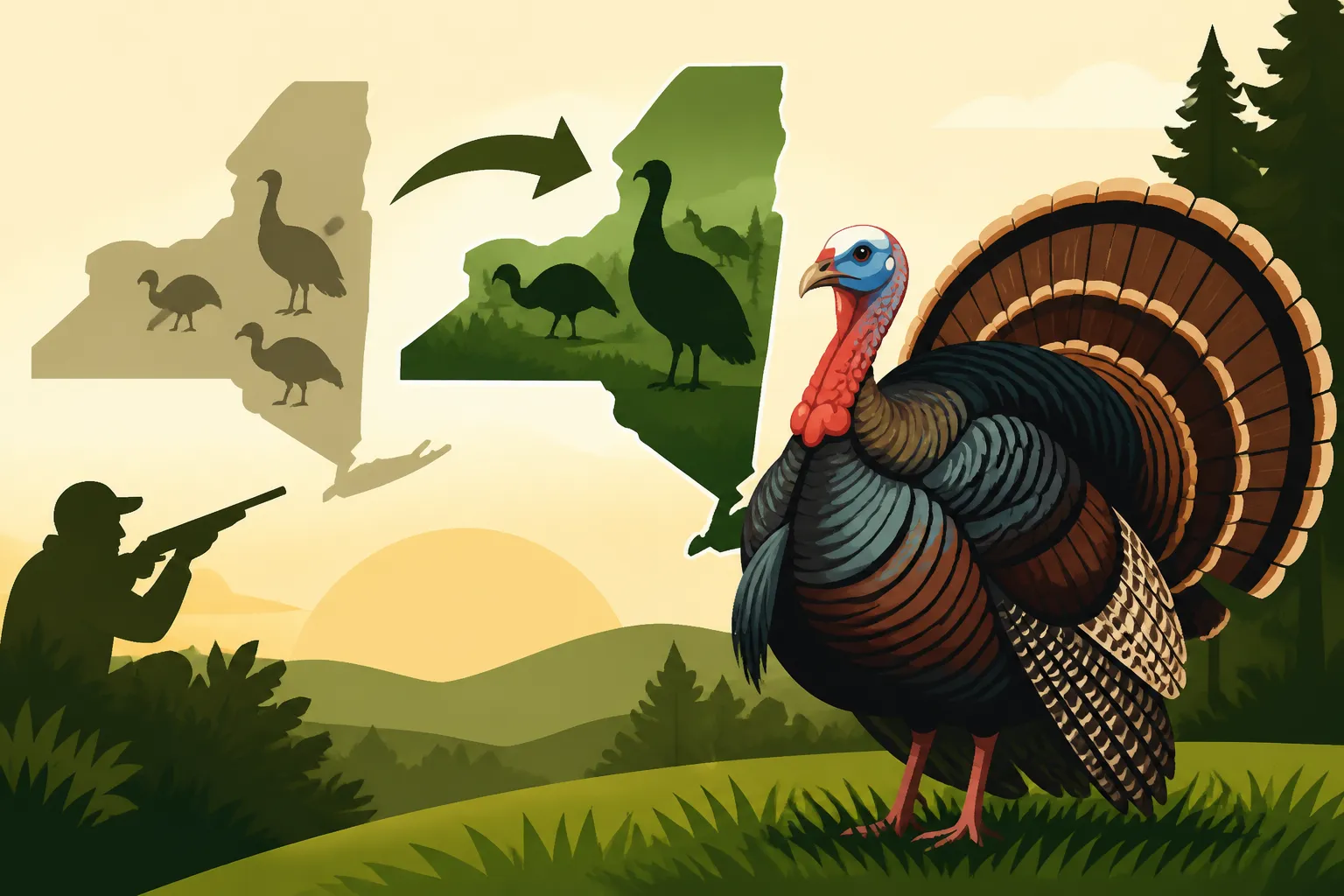
It's easy to take for granted the sight and sound of a wild turkey in New York today, whether it's a flock strutting through an open field or a gobbler thundering from a ridge at dawn. But for a long stretch of history, these magnificent birds were completely absent from our landscape. This guide will walk you through the incredible journey of how wild turkeys, once extirpated, made a triumphant return to New York State.
The Vanishing Act: How Turkeys Disappeared from New York
Imagine a time when the gobble of a wild turkey wasn't heard in New York. It’s hard to picture now, with healthy populations seemingly everywhere, but for over a century, the wild turkey was a ghost in the vast majority of our state. This wasn't some natural decline; it was a direct result of rapid settlement and a lack of understanding about wildlife management.
Forest Clearing and Habitat Destruction
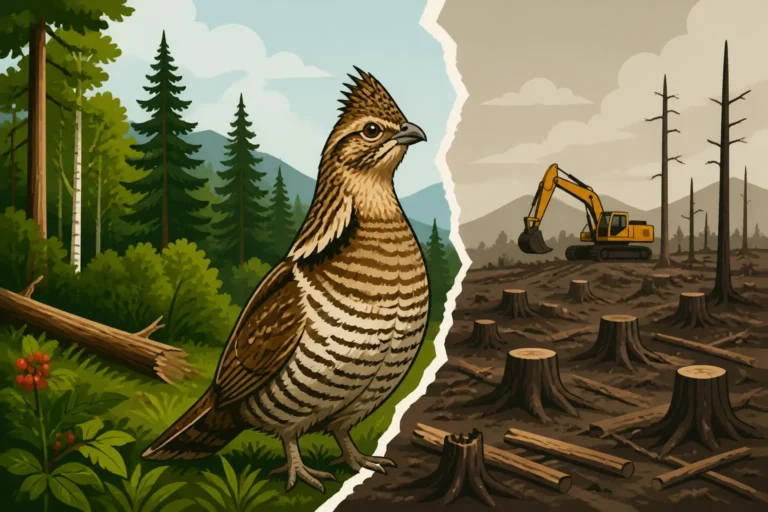
When European settlers first arrived in what would become New York, the landscape was vastly different. Dense, old-growth forests covered much of the state, providing ideal habitat for wild turkeys. These birds thrived in the mixed hardwood forests, relying on mast crops like acorns, beechnuts, and hickory nuts for sustenance, and the thick undergrowth for nesting and cover from predators. However, as towns grew and agriculture expanded throughout the 18th and 19th centuries, these crucial forests were systematically cleared.
Small farms carved out fields from the woodlands, and massive logging operations provided timber for burgeoning industries and construction. This deforestation was rampant, transforming vast tracts of continuous forest into fragmented patches of woods interspersed with open fields. Turkeys, being forest-dependent creatures, simply couldn't survive in this altered landscape. They need extensive woodlands, not just a few scattered trees, to find food, escape predators, and successfully raise their poults. The sheer scale of habitat loss was overwhelming, stripping them of the very foundation of their existence. Without sufficient, connected forestland, even if other factors had been favorable, their long-term survival was simply unsustainable.
Unregulated Market Hunting
Compounding the devastating habitat loss was the relentless pressure of unregulated hunting. In the early days of settlement, hunting was often a matter of subsistence, putting food on the table. However, as towns and cities grew, a market for wild game emerged. Wild turkeys, being large and delicious, became a prime target for market hunters. These individuals hunted without limits, often year-round, using whatever means necessary to harvest as many birds as possible to sell in local markets. There were no seasons, no bag limits, and no real conservation ethic.
Market hunters didn't just target individual birds; they would often locate roosts and decimate entire flocks. This relentless, unchecked harvest, coupled with the diminishing habitat, was a death knell for the wild turkey in New York. By the mid-1800s, wild turkeys were essentially extirpated from the state. The last documented wild turkey in New York before the reintroduction efforts was believed to have been shot in Cattaraugus County around 1844. It's a sobering reminder of how quickly a species can disappear when human activities go unchecked and there's no understanding of sustainable resource management.
Early Attempts and the Roadblocks
The complete disappearance of wild turkeys from New York was a harsh lesson, and it took time for conservationists and wildlife managers to understand how to bring them back. The initial attempts were often well-intentioned but ultimately flawed, due to a lack of scientific understanding about wild turkey ecology.
Failed Stocking with Pen-Raised Birds
When the idea of bringing turkeys back first took hold, the seemingly logical approach was to simply raise birds in captivity and release them into the wild. From the 1930s through the 1950s, various state agencies and private groups released thousands of pen-raised turkeys into New York's recovering woodlands. These birds were often descendants of domestic turkeys or had been raised in facilities, accustomed to human care and provided food. The hope was that they would adapt to the wild and establish breeding populations.
However, these efforts consistently failed. Pen-raised turkeys simply lacked the instincts and survival skills necessary to thrive in the wild. They didn't know how to forage effectively for natural foods, avoid predators, or adapt to the harsh realities of weather. They were often too tame, making them easy prey for coyotes, foxes, and even domestic dogs. Furthermore, they were susceptible to diseases common in captive populations, which could spread to any remaining wild birds or simply doom the released flocks. This method, while seemingly straightforward, proved to be an expensive and disheartening dead end, highlighting the critical difference between a wild animal and one raised in a controlled environment. It became clear that only truly wild birds possessed the genetic makeup and learned behaviors for survival.
Understanding Wild Turkey Ecology
The repeated failures of pen-raised stocking programs forced wildlife biologists to rethink their approach. They realized that simply putting turkeys into the woods wasn't enough; they needed to understand why wild turkeys thrived or failed. This led to a focused effort to study the true ecology of the Eastern wild turkey. Researchers began to meticulously investigate their habitat requirements, dietary needs, breeding behaviors, and predator avoidance strategies. They learned that turkeys needed vast, interconnected tracts of mature forest with a healthy understory, not just any patch of trees. They also discovered the critical role of hard mast (acorns, beechnuts) in their diet, especially for winter survival.
This deeper understanding also highlighted the importance of their inherent wildness – their acute senses, their wariness, and their ability to elude danger. It became apparent that the problem wasn't just where to put turkeys, but what kind of turkeys to put there. This shift in thinking, from simply releasing birds to understanding and replicating the conditions necessary for their wild survival, was the pivotal moment that set the stage for success. Without this ecological knowledge, any further efforts would likely have continued to falter.
The Game Changer: Trap and Transfer Program
The breakthrough in wild turkey restoration came with the advent of the "trap and transfer" program, a revolutionary approach based on sound ecological principles. Instead of trying to create wild turkeys from domestic stock, conservationists recognized the immense value of truly wild birds. The idea was simple: capture wild turkeys from existing, healthy populations and relocate them to suitable, vacant habitats.
The Cannon Net Revolution
The turning point in effectively capturing wild turkeys was the development and refinement of the cannon net. This ingenious device allowed biologists to capture entire flocks of wary wild birds without harming them. The process involves baiting an area, usually with corn, in a location known to hold a robust turkey population. Once a flock of turkeys is accustomed to feeding in the baited spot, a large net, folded and camouflaged, is set up nearby. Attached to the leading edge of the net are small cannons loaded with propellants.
When the turkeys are feeding under the net, biologists, often observing from a hidden blind, remotely trigger the cannons. The cannons fire, propelling weights attached to the net over the feeding birds, effectively trapping them beneath its folds. Wildlife technicians then quickly and carefully extract the birds, place them in transport crates, and conduct health checks and banding before relocating them. This method was incredibly efficient and humane, allowing for the capture of dozens of birds at a time, providing the necessary "seed stock" for new populations. The effectiveness of the cannon net was a true game-changer, making large-scale turkey restoration a viable reality.
Strategic Relocation Efforts
Once healthy wild turkeys could be consistently captured, the next crucial step was determining where to release them. This wasn't a random process; it was a highly strategic effort led by the New York State Department of Environmental Conservation (DEC) biologists. They meticulously scouted potential release sites, focusing on areas with extensive forest cover, diverse food sources, and minimal human disturbance, replicating the kind of prime habitat where turkeys naturally thrived. Many of these initial efforts focused on the Southern Tier counties, which offered large tracts of recovering woodlands after historical logging.
These captured wild birds, typically 10-20 at a time, were transported in specialized crates to pre-selected sites. Crucially, these were wild-trapped birds, meaning they possessed all the instincts for survival in their new environment. The first successful reintroductions began in the late 1950s and early 1960s, primarily using birds trapped from Allegany State Park and later from other states like Pennsylvania. The success of this strategy was almost immediate. Unlike the pen-raised birds, these wild turkeys knew how to find food, avoid predators, and reproduce effectively. The success of these early releases laid the foundation for the impressive turkey population we see across New York today. In fact, many hunters today use tools like GoHunt to scout these very same diverse habitats that were once carefully chosen for reintroductions, looking for optimal areas to find birds.
From Seed Stock to Sprawling Flocks: Population Growth and Expansion
The trap and transfer program proved to be an overwhelming success, transforming small pockets of reintroduction into widespread, thriving populations across New York State. It’s truly one of the greatest wildlife conservation stories in North America.
Key Habitat Features for Recovery
The success of the trap and transfer program wasn't solely due to the wildness of the birds; it was also critically dependent on the availability of suitable habitat. By the mid-20th century, many of New York's cleared lands had begun to revert to forest. Abandoned farms and logging sites slowly healed, providing the necessary cover and food sources. The critical habitat features that fueled this recovery included large, unbroken tracts of mature hardwood forests, particularly those rich in oak, hickory, and beech, which provided abundant hard mast – a vital winter food source.
Additionally, successful turkey habitat includes a diverse understory of shrubs and young trees for nesting cover and protection for poults from predators. Areas with a mosaic of forest, brushy edges, and small clearings were particularly beneficial, offering a variety of resources for different stages of the turkeys' life cycle. The Finger Lakes region, parts of the Catskills, and the Southern Tier provided vast expanses of such regenerating forest, allowing the released birds to establish strong breeding populations and then naturally expand their range. This natural expansion eventually led to birds populating areas far beyond the initial release sites.
Population Peaks and Stabilizations
Once established, New York's wild turkey population grew at an astonishing rate. From a handful of reintroduction sites, turkeys spread throughout suitable habitats across the state. By the late 1970s and 1980s, turkeys were once again common in many areas, and by the 1990s, they had spread into nearly every county in New York with adequate habitat, including some suburban areas where they are now a common sight. This incredible growth was a testament to the hard work of the DEC and the inherent resilience of the wild turkey when given the right conditions.
Today, while the population is still robust, it has largely stabilized. You can find robust New York Turkey Population Trends data from the DEC. After reaching peak numbers in the early 2000s, like many other states, New York has seen some fluctuations and slight declines in certain areas. This stabilization is a natural part of a population reaching its carrying capacity within its available habitat. Factors like habitat changes, predator populations, and disease can all influence these trends. However, the overall picture remains incredibly positive: New York boasts a healthy, huntable wild turkey population, a stark contrast to its complete absence just over a century ago. The widespread presence of wild turkeys is a true success story for conservation efforts driven by scientific understanding and dedicated management.
Ongoing Management and the Future
Even with a thriving turkey population, the work of conservation is never truly finished. The DEC continues to actively manage wild turkey populations through monitoring, research, and adaptive management strategies to ensure their long-term health and stability.
DEC's Monitoring and Research
The New York State Department of Environmental Conservation plays a critical role in the ongoing health of the state's wild turkey population. Their biologists conduct various surveys and research projects to monitor population trends, assess habitat quality, and track critical demographic data. One key component is the annual Summer Wild Turkey Sighting Survey, where volunteers and hunters report turkey sightings, especially broods, to help the DEC estimate reproductive success and overall population health, specifically focusing on Poult-to-Hen Ratios and What They Mean. This data helps them understand current population dynamics and predict future trends.
Additionally, the DEC monitors harvest data submitted by hunters, which provides valuable insights into the age and sex structure of the harvested population. They also conduct habitat assessments, sometimes involving radio-tagging birds to study their movements, nesting success, and survival rates in different landscapes. This scientific approach ensures that management decisions, such as setting hunting seasons and bag limits, are based on the best available data, allowing for sustainable hunting opportunities while protecting the long-term viability of the species. For hunters looking to effectively pursue these birds, understanding the data and historical movements, perhaps by utilizing mapping software, can be beneficial, much like what is offered by GoHunt when looking at potential roosting areas.
Challenges in a Modern Landscape
Despite the incredible success of turkey restoration, modern wild turkey populations in New York face a new set of challenges. One of the primary concerns is habitat fragmentation. While forests have regrown, increasing suburbanization and development can break up large, continuous tracts of forest into smaller, isolated patches. This makes it harder for turkeys to move freely, find mates, and access diverse food sources. It can also increase their exposure to human disturbance and domestic predators.
Disease is another ongoing concern. Avian pox and Lymphoproliferative Disease Virus (LPDV) are examples of diseases that can impact turkey health, though generally not at population-decimating levels in healthy flocks. Furthermore, predation pressure, particularly from coyotes and raccoons, can impact nesting success and poult survival, especially if habitat quality is declining. The changing climate also brings uncertainties, potentially affecting mast crops, insect availability, and severe weather patterns that can impact turkey survival. The DEC continues to study these factors, adapting its management strategies to ensure that future generations can continue to enjoy the spectacle of Wild Turkeys in New York.
The Hunter's Role in Restoration and Conservation
It's impossible to tell the story of wild turkey restoration in New York without acknowledging the absolutely vital role that hunters have played, and continue to play, in these conservation successes. Their passion and financial contributions are truly the backbone of wildlife management.
Funding Through License Sales
The very programs that brought wild turkeys back from the brink of extirpation were, and still are, largely funded by hunters. When you purchase a New York Hunting Licenses and What They Cost, a portion of that fee goes directly to the DEC for wildlife management programs. This is often referred to as the "user-pay, user-benefit" model of conservation. Beyond license fees, hunters also contribute through excise taxes on firearms, ammunition, and archery equipment, thanks to the Pittman-Robertson Act. These funds are then distributed to state wildlife agencies for conservation efforts.
This direct financial pipeline has been instrumental in funding everything from the initial trap and transfer operations to ongoing habitat improvement projects, disease monitoring, and population surveys. Without these hunter-generated revenues, the DEC would have significantly fewer resources to manage not only turkeys but all of New York's wildlife. Hunters aren't just consumers of wildlife; they are the primary funders of its conservation, ensuring that healthy populations thrive for everyone to appreciate, whether they hunt or not.
Sustainable Hunting and Future Stewardship
Beyond financial contributions, hunters are also active participants in sustainable wildlife management. The hunting seasons and bag limits for New York Spring Turkey Season Rules and New York Fall Turkey Zone Windows are carefully set by the DEC based on scientific data, ensuring that harvest levels are sustainable and don't negatively impact the overall population. Responsible hunters adhere to these regulations, understand the importance of ethical hunting, and contribute to the data collection process by accurately reporting their harvests.
Moreover, many hunters are deeply invested in habitat stewardship. They volunteer for habitat improvement projects on public lands, work with landowners to improve habitat on private property, and advocate for sound conservation policies. Their boots-on-the-ground knowledge and passion for the resource make them powerful allies for wildlife. The future of wild turkeys in New York, like many other game species, depends on this continued partnership between hunters, the DEC, and other conservation organizations. It’s a collective effort, built on a legacy of restoring a species and a commitment to ensuring its presence for generations to come. Many hunters now use digital tools, like the GoHunt app, to scout and plan their hunts, further integrating modern technology into responsible stewardship practices.
Wild Turkey Restoration Milestones in New York
Here’s a simplified timeline highlighting key milestones in New York’s wild turkey restoration efforts:
| Year/Period | Event/Significance |
|---|---|
| ~1844 | Last wild turkey reportedly shot in New York (Cattaraugus County), marking extirpation. |
| 1930s-1950s | Early attempts to restore turkeys using pen-raised birds largely failed due to lack of survival instincts. |
| 1950s | Wildlife biologists begin intensive study of wild turkey ecology, realizing the need for wild stock and suitable habitat. |
| Late 1950s | First successful trap and transfer efforts initiated, using cannon nets to capture wild turkeys from Allegany State Park. |
| 1960s-1970s | Wild turkeys from Pennsylvania and other states are introduced to key habitats in New York, particularly the Southern Tier. |
| 1970s-1980s | Turkey populations begin rapid expansion, establishing breeding flocks across suitable counties. |
| 1990s | Wild turkeys successfully re-established across nearly all of New York's suitable habitats. |
| Early 2000s | Population reaches peak levels, leading to widespread hunting opportunities. |
| Present | Population stabilizes, with ongoing monitoring and management to address modern challenges like habitat fragmentation and disease. |
Disclaimer
The information provided in this guide is for general informational purposes only and is not intended as legal advice. Hunting regulations, seasons, and licensing requirements are subject to change. Always consult the official New York State Department of Environmental Conservation (DEC) hunting regulations guide or their website before planning any hunting activities.