New York Deer Herd Size
One of the most common frustrations for deer hunters in New York is trying to gauge just how many whitetails are actually out there. You might hear stories of booming populations in one county and struggling numbers in another, leaving you wondering if your favorite hunting spot is a bust or a goldmine. This guide will delve into how New York's deer herd is estimated, the significant regional differences across the state, and what all of this means for your hunting strategy and overall success.
Understanding How New York Estimates Its Deer Population
It might seem like a simple question: How many deer are in New York? But getting a precise, real-time count of every single deer is a monumental, if not impossible, task. Instead, wildlife biologists and managers use a variety of scientific methods to estimate population trends and densities, which then inform crucial management decisions like setting seasons and allocating Deer Management Permits (DMPs). It's less about a hard census and more about a sophisticated set of calculations and observations that provide a very strong understanding of the herd's health and size.
The Science Behind Deer Surveys
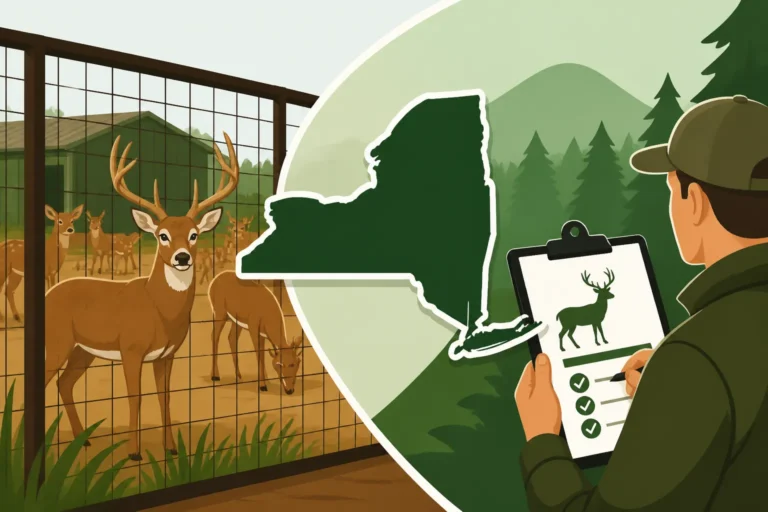
The New York Department of Environmental Conservation (DEC) doesn't just guess when it comes to deer numbers. They employ a combination of methodologies that, when put together, paint a detailed picture. One of the primary data points comes directly from hunters themselves: harvest reports. When you report your deer harvest, whether online through the New York Deer Reporting Requirements system or via phone, that information is critical. It provides data on the number of bucks, does, and fawns taken, which directly contributes to understanding the herd's productivity and overall health.
Beyond harvest data, biologists conduct various surveys. These might include aerial surveys in areas with good snow cover, where deer are more visible. Roadside surveys, where trained observers count deer along specific routes at certain times of the year, also provide valuable indices. Even spotlight surveys, conducted at night, can offer insights into deer numbers and distribution. Specialized studies, sometimes involving game cameras or even tracking collared deer, further refine these estimates. This multi-faceted approach, outlined further in resources like How the DEC Counts New York Deer, ensures that management decisions are grounded in the best available science.
Challenges in Counting Whitetails
Despite these sophisticated methods, counting deer isn't like counting cars in a parking lot. There are significant challenges. New York's diverse landscapes, from the dense forests of the Adirondacks to the open farmlands of the Southern Tier, mean that different survey methods are more effective in certain regions than others. Thick cover, for instance, makes aerial surveys less accurate. Weather conditions can also play a huge role; a lack of snow makes tracking and visual counts much harder in winter.
Furthermore, deer are constantly moving, adapting to food sources, weather patterns, and hunting pressure. Their numbers fluctuate throughout the year due to fawning season, natural mortality, and, of course, the hunting seasons. The goal isn't to get an exact count on a specific day, but rather to understand the population trends – whether it's growing, stable, or declining – and to estimate the density of deer per square mile in different wildlife management units (WMUs). This is why you'll often hear about a New York Deer Population Estimate rather than a precise total.
Regional Variations in New York's Deer Herd
New York is a massive state with incredibly diverse topography and habitat. It stands to reason that the deer herd isn't uniform. What you find in a remote Adirondack wilderness will be vastly different from the deer situation in the suburban fringes of the Hudson Valley or the agricultural heartland of the Finger Lakes. Understanding these regional differences is absolutely paramount for any hunter planning their season.
Southern Zone Densities
The Southern Zone, encompassing much of central, western, and southeastern New York, generally boasts the highest deer densities in the state. This region is characterized by a mix of agriculture, diverse hardwood forests, and suburban edges. The abundance of food sources, from farm crops to a wide variety of mast-producing trees, allows deer populations to thrive. Winters here are typically less severe than in the Northern Zone, leading to higher fawn survival rates and generally healthier deer.
Hunters in the Southern Zone often experience higher success rates, and the DEC frequently uses New York Deer Management Permits Explained to manage these robust populations, offering opportunities for hunters to take antlerless deer. Areas like the Southern Tier and Finger Lakes regions are prime examples, offering significant deer numbers and often attracting a lot of hunter attention. You might find excellent hunting opportunities in Hunting Southern Tier Farmland Deer or exploring the tracts within Hunting Finger Lakes Region Deer.
The Unique Challenges of Northern Zone Deer
Step into New York's Northern Zone, primarily defined by the vast Adirondack Park, and the deer hunting landscape changes dramatically. Here, deer densities are considerably lower than in the Southern Zone. The reasons are multifaceted: the habitat is predominantly mature coniferous and hardwood forest, which, while beautiful, is less diverse in terms of food sources. Winters are long and notoriously harsh, often featuring deep snows and prolonged periods of extreme cold, which can take a heavy toll on deer, especially fawns and older animals.
The term "Adirondack deer" often conjures images of tough, wild whitetails. These deer often live solitary lives, making them harder to pattern, and their populations are much more sensitive to environmental factors. While the number of deer might be lower, the challenge and sense of wilderness can be incredibly rewarding. Hunters need to adjust their expectations and tactics accordingly, understanding that success often requires more effort and different strategies compared to other parts of the state. If you're hunting in this area, resources on Adirondack Deer Density Compared to the Southern Tier can offer further insights.
Hotspots and High-Pressure Areas
Within both zones, certain WMUs or specific areas can become "hotspots" due to exceptional habitat, limited access, or concentrated food sources. Conversely, some areas experience immense Hunting Pressure on New York Public Land, which can make deer more nocturnal and challenging to harvest. For example, public lands bordering agricultural fields in the Southern Tier might hold significant numbers of deer, especially early in the season, but they can also become saturated with hunters.
Using tools like the state's HuntFishNY app or third-party mapping solutions like GoHunt can be invaluable for identifying these areas. GoHunt's detailed satellite imagery and property boundary overlays can help you find less-pressured pockets, even within popular public hunting grounds. Likewise, researching Deer Density by New York Wildlife Unit can reveal which areas historically hold higher numbers, guiding your scouting efforts before the season even begins.
| New York Region | Typical Deer Density (Relative) | Harvest Contribution (Relative) | Habitat Characteristics | Winter Severity | Primary Hunting Challenge |
|---|---|---|---|---|---|
| Southern Zone Farmland | High | High | Agriculture, mixed hardwoods, suburban edges | Mild to Moderate | Hunter pressure, access |
| Catskill Forest | Medium to High | Medium | Steep, mixed hardwood forests, scattered farms | Moderate | Rugged terrain, dispersed deer |
| Northern Zone Forest | Low | Low | Dense conifer/hardwood forest, limited agriculture | Severe | Low density, harsh weather |
| Lake Ontario Plain | Medium | Medium | Agriculture, woodlots, brushy cover | Mild to Moderate | Finding unpressured cover |
Key Factors Shaping New York's Deer Numbers
The size of New York's deer herd isn't static; it's a dynamic entity constantly influenced by a complex interplay of environmental factors, human activities, and natural processes. Understanding these underlying forces helps paint a clearer picture of why deer numbers fluctuate and what future trends might look like. It’s not just about how many tags are issued; it’s about the whole ecosystem.
Habitat Quality and Food Sources
At the very core of deer population dynamics is habitat. Deer need food, water, and cover to survive and reproduce. Areas with a rich diversity of food sources, such as acorns, beechnuts, apples, various forbs, and agricultural crops, can support higher deer densities. Conversely, areas with poor soil, monoculture forests, or limited browse will naturally have fewer deer. Early successional forests – young forests created by logging or natural disturbances – are often prime deer habitat because they provide abundant browse close to the ground.
The presence of water is also critical, especially in drier periods. When habitat quality declines, perhaps due to over-browsing by an excessive deer population, or extensive development, the health of the herd can suffer, leading to lower reproduction rates and increased susceptibility to disease. Hunters often focus on finding Late-Season Food Sources for New York Whitetails because knowing where deer are feeding is key to hunting success. This is why scouting maps, including those with land use details from services like GoHunt, are so valuable for identifying prime feeding areas and the cover deer use between meals.
Winter Severity and Predation Pressure
New York's winters can be brutal, particularly in the northern reaches of the state. Prolonged periods of deep snow and bitter cold can significantly impact deer survival, especially for fawns and older or weaker animals. When deer are forced to expend more energy to move through snow and find scarce food, they deplete their fat reserves, making them vulnerable. A particularly harsh winter can lead to a noticeable dip in the population in certain areas, sometimes taking several years for the herd to fully recover. Information on How Severe Winters Hit Adirondack Deer clearly illustrates this challenge.
Predation also plays a role, though its impact on overall herd size in New York is generally secondary to habitat and winter. Coyotes are the primary deer predators in the state, particularly preying on fawns. While a healthy, robust deer herd can usually absorb some level of predation, studies like New York Predator Impact on Fawn Recruitment show that in areas with already struggling deer numbers or severe winters, predation can exacerbate population declines. Black bears, while typically omnivores, will occasionally prey on fawns as well.
Hunting Pressure and Management Strategies
Human hunting pressure is arguably the most significant factor influencing deer numbers and demographics in New York. The DEC actively manages the herd through regulated hunting seasons, bag limits, and the issuance of Deer Management Permits (DMPs). In areas where deer populations are above desired levels, more DMPs are issued to increase the antlerless harvest, helping to bring the herd into balance with its habitat and reduce conflicts with humans (e.g., deer-vehicle collisions, agricultural damage). You can see how this strategy plays out in efforts like Why New York Loosened Antlerless Rules in 2026.
Conversely, in areas where deer numbers are lower or stable, fewer DMPs might be available, or seasons might be more restrictive. This targeted approach allows the DEC to fine-tune populations across different WMUs. The New York Annual Deer Harvest numbers are meticulously tracked to assess the effectiveness of these strategies and make adjustments for future seasons. Without hunting as a management tool, deer populations would often outgrow their habitat, leading to widespread starvation and disease.
What Herd Size Means for Your Hunting Success
Knowing the overall size of New York's deer herd, and more importantly, the density in your specific hunting area, is far more than just trivia. It directly impacts your hunting opportunities, the availability of antlerless tags, and even the tactics you'll employ in the field. Ignoring these population dynamics is like trying to navigate without a map – you might get somewhere, but it won't be efficient.
Impact on Deer Management Permits DMPs
The most direct impact of deer herd size on hunters is through the Deer Management Permit (DMP) system. These permits, often referred to as "doe tags," allow hunters to harvest an antlerless deer in specific Wildlife Management Units (WMUs). If a particular WMU has a high deer population that the DEC aims to reduce or stabilize, you'll likely see a higher allocation of DMPs, sometimes even "unlimited" options for additional tags. Conversely, in WMUs with lower deer densities or where the herd is recovering, DMPs might be scarce, or even unavailable through the initial lottery.
This system is designed to manage local populations effectively. For hunters, it means that areas with higher deer densities provide more opportunities to fill the freezer, especially if your primary goal is venison. If you're a meat hunter, actively seeking out WMUs with liberal DMP quotas is a smart move, and knowing Which WMUs Carry No DMP Quota or have a limited number is critical for planning. You can often find information on DMP availability and odds of selection on the DEC's website.
Adjusting Tactics to Local Deer Densities
Understanding the deer density in your hunting area should absolutely influence your hunting tactics. In high-density areas, deer sign (tracks, rubs, scrapes) might be abundant, and you may encounter deer frequently. Here, you might focus on ambush points near bedding areas or food sources, knowing that deer movement is relatively consistent. Tactics like rattling and grunting can be effective in areas with a good buck-to-doe ratio, as covered in Rattling and Grunting in New York.
However, in low-density areas, such as much of the Northern Zone, deer sign will be sparser, and sightings might be few and far between. Here, your approach needs to shift from waiting for deer to actively seeking them out. Still-hunting, covering a lot of ground slowly and deliberately, or employing strategic Deer Drives on New York Public Land might be more effective. Hunters in these areas often invest more time in scouting, reading the land for subtle clues, and using mapping apps like GoHunt to identify potential travel corridors or isolated pockets of good habitat where a lone deer might be present. The challenge is greater, but the reward of a hard-earned deer from a low-density area can be incredibly satisfying.
Disclaimer
This article is for general informational purposes only and does not constitute professional advice. Laws, prices and regulations vary by location and change over time. Consult a qualified professional for guidance on your specific situation.