New York Ruffed Grouse Decline
It's a bittersweet feeling for many of us New York hunters these days when we think about ruffed grouse. The drumming of a male grouse was once a common soundtrack in our woods, a sure sign of a healthy population, but now, those encounters feel increasingly rare, leaving us wondering where all the birds have gone. This comprehensive guide will dive deep into the concerning decline of ruffed grouse across New York, exploring the primary causes and what steps are being taken—and what we as hunters can do—to help bring back this iconic game bird.
The Heartbreaking Reality of New York Ruffed Grouse Decline
For generations, the ruffed grouse stood as a symbol of the wild, untamed forests of New York. Every fall, hunters with shotguns and eager bird dogs would hit the thickets, anticipating the explosive flush and challenging shot. Today, however, many grouse hunters are returning home with empty vests and heavy hearts, a stark contrast to the abundant flushes their fathers and grandfathers experienced. This isn't just anecdotal; the numbers paint a clear, and concerning, picture.
Echoes from the Past: What Once Was
If you talk to any seasoned grouse hunter who's been around New York's woods for a few decades, they'll often recount tales of days gone by when flushes were frequent, and limits were often filled. The state's landscape, particularly in regions like the Southern Tier and parts of the Adirondacks, once provided vast expanses of ideal grouse habitat. These were dynamic forests, shaped by natural disturbances like fires, storms, and in earlier times, widespread logging practices that created a mosaic of forest ages. This patchwork of young forests, brushy clearings, and mature timber offered everything grouse needed: dense cover for nesting and protection from predators, abundant food sources like catkins, buds, and berries, and drumming logs for courtship. The sheer volume of this diverse habitat meant that grouse populations thrived, making them a consistent target for upland bird enthusiasts.
The Numbers Don't Lie: Current Population Trends
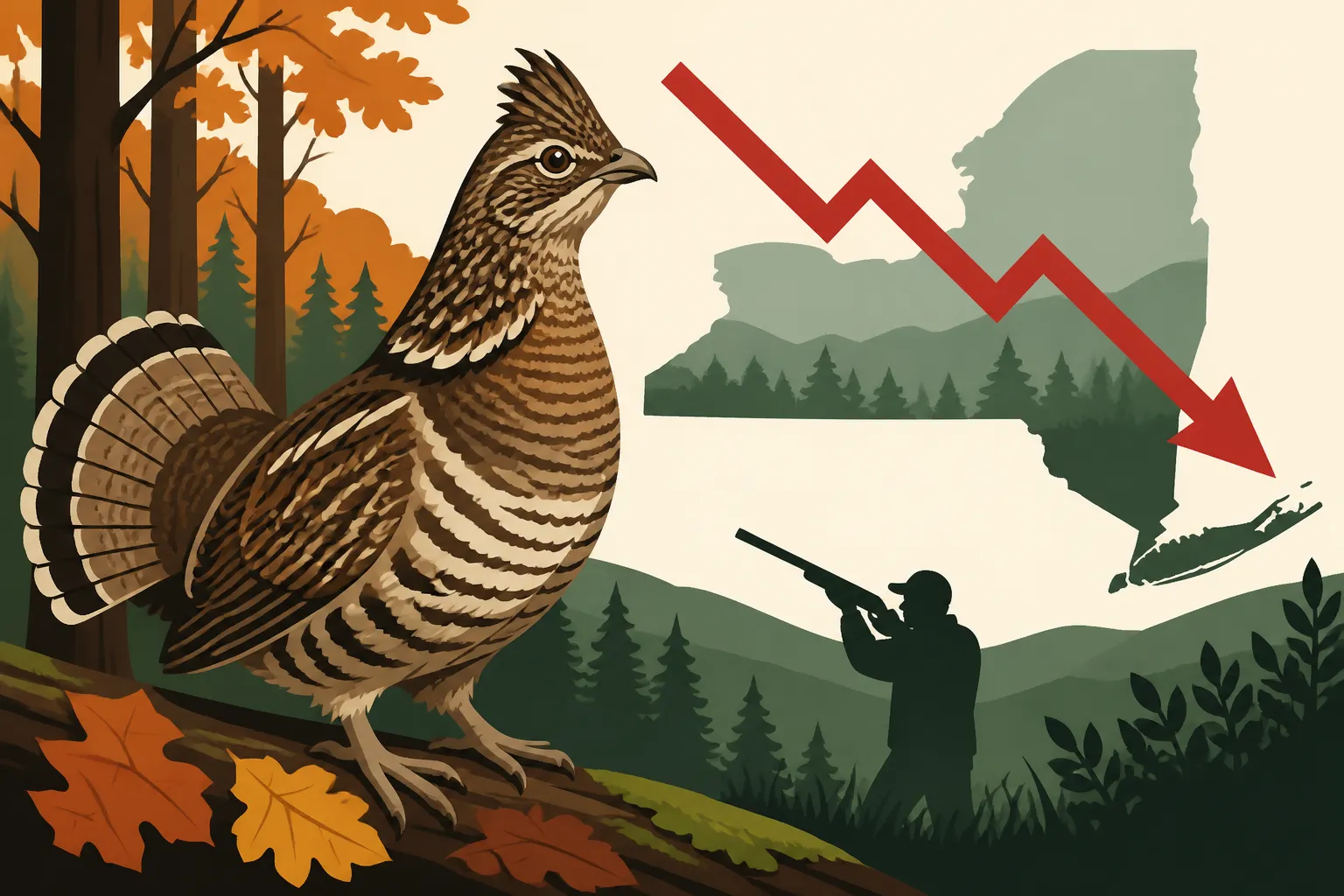
The anecdotal observations of fewer birds are unfortunately backed by scientific data. The New York State Department of Environmental Conservation (DEC) and various conservation organizations have been monitoring ruffed grouse populations for years, and the trend is undeniably downward. Long-term drumming surveys, which count the distinctive sounds male grouse make in spring to attract mates, have shown significant declines across much of the state. While specific numbers can fluctuate regionally and year to year, the overall trajectory points to a persistent and widespread reduction in grouse density. Some areas, particularly those experiencing increased suburbanization and forest maturation, have seen drastic drops, pushing grouse populations to critically low levels. You can often find detailed reports on New York Ruffed Grouse Numbers Today through DEC publications, which confirm these worrying trends. These surveys also contribute to understanding New York Grouse Drumming Surveys, providing crucial insights into population health.
Hunter Frustration and Shifting Expectations
It's completely understandable why New York grouse hunters feel frustrated and a sense of loss. Many of us grew up with the expectation of finding birds in certain traditional coverts, only to find those spots eerily quiet now. This decline forces a hard look at our expectations for a day afield. Instead of anticipating multiple flushes, we might now celebrate a single bird sighted or heard. This shift in reality can be disheartening, turning what was once a robust tradition into a more challenging, sometimes even discouraging, pursuit. The passion for grouse hunting runs deep, and to see such a beloved game bird struggling evokes a powerful desire to understand why and how we can help. The experience of walking miles through prime habitat without a single flush can be incredibly deflating, a stark reminder of the broader ecological changes happening in our state.
Unpacking the Primary Drivers of Grouse Population Loss
The decline of ruffed grouse in New York isn't due to a single culprit but rather a complex interplay of environmental factors and ecological shifts. Understanding these drivers is the first crucial step toward effective conservation and recovery efforts. It’s not just one thing; it’s a perfect storm of challenges that have made life incredibly difficult for these forest dwellers.
Habitat Loss and Fragmentation: The Silent Killer
Perhaps the most significant factor contributing to the grouse decline is the widespread loss and fragmentation of their preferred habitat. Ruffed grouse are specialists when it comes to where they live, relying heavily on what's known as "early successional forest" – young, dense woodlands characterized by thick undergrowth, regenerating saplings, and a high stem count. This type of habitat typically arises after disturbances like timber harvesting, fires, or significant wind events, creating a mosaic of different forest ages.
However, over the past several decades, New York's forests have largely matured. With less widespread logging and fewer natural large-scale disturbances, many of our woodlands have transitioned into mature, closed-canopy forests. While beautiful, these older forests often lack the dense understory that provides crucial escape cover and nesting sites for grouse. Furthermore, suburban sprawl and development continue to eat away at wildlands, breaking up what little suitable habitat remains into smaller, isolated patches. This fragmentation isolates grouse populations, making it harder for them to find mates, move to new food sources, or escape localized threats. This habitat shift is a primary reason Why New York Grouse Numbers Keep Falling across various regions. For instance, Aspen Management and New York Grouse highlights how crucial specific tree species are to creating and maintaining these essential habitats.
Predation Pressures on Nests and Chicks
In a healthy ecosystem with abundant, contiguous habitat, grouse can often cope with natural predation. However, when habitat becomes scarce and fragmented, predation pressure intensifies. Ruffed grouse nests, typically on the ground at the base of trees or logs, are vulnerable to a wide array of predators. Raccoons, skunks, opossums, and foxes are common nest predators that can decimate clutches of eggs and young chicks.
Beyond ground predators, avian predators like hawks and owls also take a toll on adult and juvenile grouse. In fragmented landscapes, where dense cover is less pervasive, grouse become more exposed and easier targets. The edges of forests, particularly where they meet open fields or suburban areas, often concentrate predators, creating "ecological traps" for grouse. These areas might seem appealing to a grouse looking for food along the edge, but they also expose them to a higher risk of predation without adequate hiding spots. The balance of predator and prey is delicate, and when one side is disadvantaged by habitat loss, the impact can be severe.
West Nile Virus: A Modern Threat
Adding to the complexities of habitat loss and predation, a relatively new threat emerged in the early 2000s: West Nile Virus (WNV). This mosquito-borne illness, while widely known for its impact on humans and horses, has been identified as a significant factor in grouse mortality, particularly in regions where it is prevalent. Research has indicated that ruffed grouse are highly susceptible to WNV, and even birds that survive an infection may experience lingering health issues that reduce their long-term survival and reproductive success.
The virus thrives in warmer climates and can be transmitted to grouse when infected mosquitoes bite them. While not every grouse exposed to WNV will die, even sub-lethal infections can weaken birds, making them more vulnerable to predation, less capable of finding food, or simply less able to cope with environmental stresses. This disease adds another layer of challenge to an already struggling population, making recovery even more difficult. The topic of West Nile Virus in New York Grouse has been a subject of ongoing study and concern among wildlife biologists.
The Critical Role of Habitat Management in Recovery
While the challenges facing New York's ruffed grouse population are significant, there is hope. Active and intelligent habitat management is the single most important tool we have to help these birds recover. It’s about more than just letting the woods grow; it’s about intentionally creating the specific conditions grouse need to thrive.
Understanding Early Successional Forests
To understand what effective grouse habitat management looks like, we first need to grasp what an early successional forest truly is. It's not just "young trees"; it's a specific stage of forest regeneration, typically 5 to 20 years post-disturbance, characterized by a dense, tangled growth of saplings, shrubs, and briars. Picture a regenerating clear-cut or an area where a heavy timber stand was recently thinned. You'll see a thick canopy close to the ground, providing unparalleled protection from aerial predators like hawks and owls. The dense vertical structure also makes it difficult for ground predators to move through or spot birds.
Beyond cover, these young forests are teeming with food sources for grouse. Buds, catkins (especially from aspen and birch), berries, and insects are all abundant in different seasons. This dense, diverse, and food-rich environment is precisely what a hen grouse needs to successfully nest and raise her brood, and what a drumming male needs to secure a territory. Without this kind of habitat, even low levels of predation or disease can have an outsized impact on populations, which is why older, open-understory forests often become "ecological sinks" for grouse.
Active Forest Management Techniques
Restoring early successional habitat isn't something that happens by accident in most modern forests; it requires intentional, active forest management. The primary goal is to create disturbances that mimic natural processes and reset the clock on forest succession.
- Timber Harvesting: This is arguably the most effective tool. Targeted clear-cuts or heavy thinnings, particularly in stands of aspen, birch, and other pioneer species, can create ideal grouse habitat. These cuts should ideally be small to medium-sized (5-20 acres) and scattered across the landscape to create a diverse mosaic of forest ages. When planned correctly, these areas will quickly regenerate into the dense, young cover grouse need. Organizations like the Ruffed Grouse Society actively promote and assist landowners and public land managers in implementing these types of cuts.
- Prescribed Burns: In certain forest types, controlled burns can be an excellent way to thin out undergrowth, stimulate new growth of fire-adapted species, and open up the forest floor, creating a more favorable environment for grouse. However, burns require careful planning and execution due to safety concerns and specific ecological conditions.
- Shearing and Mowing: On a smaller scale, or in specific circumstances, mechanical shearing or mowing of brushy areas can also create the necessary dense, low cover. This is often used to maintain existing young forest patches or to create linear cover strips.
These techniques are most effective when applied as part of a long-term forest management plan, creating a rotating supply of young forest habitat. Using sophisticated mapping tools, similar to the detailed topographical and habitat overlays found on services like GoHunt, landowners and managers can identify prime locations for these efforts, ensuring they maximize benefits for grouse.
Collaboration and Conservation Efforts
The task of restoring grouse habitat is too large for any single entity. It requires collaboration between state agencies, conservation organizations, private landowners, and hunters.
- New York State DEC: The DEC plays a vital role in managing state forests and wildlife management areas, often incorporating habitat improvement projects into their plans. They also provide technical assistance to private landowners interested in managing their property for wildlife. Information on New York State Forest Hunting often includes details on management activities.
- Ruffed Grouse Society (RGS): This organization is a national leader in grouse and woodcock habitat conservation. They work with private landowners, public land managers, and state agencies to implement habitat projects, provide educational resources, and advocate for sound forest management policies. They're often at the forefront of efforts to preserve grouse habitat.
- Private Landowners: A significant portion of potential grouse habitat in New York is on private land. Engaging and educating private landowners about the benefits of early successional habitat management is crucial. Programs that offer incentives or technical advice can encourage more widespread habitat creation.
- Hunters and Conservationists: By purchasing hunting licenses, duck stamps, and supporting conservation groups, hunters directly contribute funds that go towards wildlife management and habitat restoration. Advocating for sound forest management policies and volunteering for habitat projects are also ways individuals can make a difference. Many public lands across New York, detailed in resources like Public Hunting Land in New York, are actively managed for a variety of game species, including grouse.
Hunting Strategies in a Changing Landscape
With fewer ruffed grouse on the landscape, hunters need to adapt their strategies and expectations. It's no longer just about stumbling into a bird; it's about focused effort, understanding microhabitats, and having the right tools. The challenge has certainly increased, but the reward of a successful flush remains as thrilling as ever.
Adapting Your Approach to Fewer Birds
The days of simply walking through any patch of woods and expecting multiple flushes are largely gone in many parts of New York. Instead, hunters must become more strategic and discerning in their approach. This means:
- Targeting Prime Coverts: Focus your efforts on areas known to hold early successional habitat, rather than just any woodland. This requires scouting before the season, utilizing aerial maps (which can be enhanced by features on platforms like GoHunt to identify different vegetation types), and even talking to foresters or local DEC staff. Look for young aspen stands, regenerating clear-cuts, old apple orchards gone to brush, or dense alder thickets along streams.
- Slower, More Deliberate Hunting: Instead of fast-paced walking, try a slower, more methodical approach. Pause frequently, listen for bird sounds, and pay close attention to ground sign. Grouse are masters of camouflage, and a quick eye can sometimes spot a bird before it flushes. This is especially true when hunting Grouse Hunting New York Aspen Cover, where the birds blend in seamlessly.
- Hunting the Edges: Grouse often utilize the edges where young cover meets mature timber, or where dense brush transitions to a food source. These transition zones can be highly productive.
- Repeat Visits: If you find a promising covert, even if you don't flush birds on your first visit, consider returning. Grouse move and use different areas based on weather, food availability, and hunting pressure.
Understanding Optimal Coverts: Age and Structure
Not all "young" forest is created equal when it comes to grouse. The ideal covert has a specific age and structure that provides both food and protection. Generally, grouse prefer habitat that is 5 to 25 years old.
- 5-15 Year Old Regeneration: This is often the sweet spot. Trees like aspen, birch, and maples are typically regenerating densely, creating a thick, stemmy environment with branches and foliage extending to the ground. This provides excellent overhead cover from raptors and makes it difficult for ground predators to navigate. The abundance of young buds, catkins, and seeds here is also a major food source. Knowing How Old a Cut Should Be for Grouse can greatly influence your scouting success.
- Alder Thickets: Found along streams, wetlands, and wet bottomlands, dense alder thickets are another prime covert. They offer exceptional cover, and the catkins of alder are a favored food source, especially in late fall and winter. These areas can be tough to navigate but are often worth the effort.
- Mixed Age Stands: The best grouse landscapes aren't uniform. A mosaic of different-aged stands, with young regeneration adjacent to more mature timber (for drumming logs and specific food items like acorns), creates a diverse habitat that meets all of a grouse's needs throughout the year. The presence of these varying forest stages across the landscape is key.
The Role of Dogs and Ethical Hunting Practices
Hunting with a well-trained bird dog can significantly increase a grouse hunter's success and enjoyment, especially in areas with lower bird densities.
- Enhanced Scenting Ability: Dogs, particularly pointing breeds, use their superior sense of smell to locate birds that a human hunter would walk right past. This can lead to more flushes and more opportunities.
- Improved Retrieval: A dog can often retrieve a downed bird from dense cover, preventing lost game and ensuring ethical harvest.
- Making the Hunt More Engaging: Even on slow days, watching a good dog work the cover is a reward in itself, adding another layer of depth to the experience.
- Ethical Considerations: When hunting with dogs, it's crucial to ensure your dog is well-trained, under control, and wearing appropriate safety gear, especially blaze orange. Be mindful of other hunters and respect private property boundaries.
Regardless of whether you hunt with a dog or not, ethical hunting practices are paramount. This includes knowing your target, taking clean shots, and making every effort to recover downed birds. Given the current population challenges, responsible hunting means being a steward of the resource and prioritizing conservation. Considering your gear is important as well; many hunters choose lightweight models for Shotguns for New York Grouse Cover to navigate dense brush.
Future Outlook and What Hunters Can Do
The future of ruffed grouse in New York is certainly a cause for concern, but it's not without hope. Active management, scientific research, and dedicated conservation efforts are underway, and hunters have a vital role to play in shaping this future.
DEC Initiatives and Research
The New York State Department of Environmental Conservation (DEC) continues to monitor ruffed grouse populations and conducts research into the factors influencing their decline. They utilize drumming surveys and hunter harvest data to track trends and evaluate the effectiveness of management strategies. The DEC also works with private landowners through various programs to promote habitat improvement on private lands, recognizing that public lands alone cannot provide all the necessary habitat.
Ongoing research often focuses on understanding the prevalence and impact of West Nile Virus, assessing the success of different timber harvesting prescriptions, and identifying critical habitat areas for protection and enhancement. By staying informed about these initiatives, hunters can better understand the science behind grouse management and support efforts that are proven to be effective. The DEC often publishes reports and updates on game species, including those for Ruffed Grouse and Woodcock in New York, which are valuable resources for understanding current efforts.
Supporting Conservation Through Action and Advocacy
As hunters, we are often the first to notice changes in wildlife populations, and we have a responsibility to act. Our engagement is crucial for the future of ruffed grouse:
- Join Conservation Organizations: Groups like the Ruffed Grouse Society are specifically dedicated to the conservation of ruffed grouse and their habitat. Membership fees and donations directly fund habitat projects and advocacy efforts. Your voice, combined with others, can be a powerful force for change.
- Support Active Forest Management: Advocate for sound, science-based forest management practices on both public and private lands. This often means supporting carefully planned timber harvesting that creates early successional habitat, even if it might initially look "messy" to some. Educate others on the ecological benefits of such practices.
- Volunteer for Habitat Projects: Many conservation groups and state agencies welcome volunteers for habitat improvement projects. Whether it's planting trees, clearing invasive species, or assisting with prescribed burns, hands-on involvement makes a tangible difference.
- Report Observations: Share your observations of grouse (or lack thereof) with the DEC. Data from hunters, especially regarding specific locations and habitat types, can be incredibly valuable for wildlife managers trying to understand population dynamics and habitat use. Using mapping apps, potentially like the ones found on GoHunt, to mark locations of flushes or drumming activity, can provide useful data for local wildlife biologists if you choose to share it.
Long-Term Vision for New York's Ruffed Grouse
The long-term vision for ruffed grouse in New York isn't about returning to some mythical past of endless birds, but rather about establishing healthy, sustainable populations capable of thriving in our modern landscape. This means recognizing that our forests need active management to prevent them from becoming uniform, mature stands that offer little to grouse.
A healthy future for grouse involves a landscape mosaic: a mix of mature forests providing diverse mast crops and drumming logs, interspersed with abundant patches of regenerating, dense young forest. It means a commitment to controlling invasive species that degrade habitat, and continued research into diseases like West Nile Virus. It's a vision that requires patience, persistent effort, and a collective understanding that the woods are dynamic, and sometimes, intervention is necessary for the benefit of all wildlife. By working together, hunters, landowners, and conservationists can ensure that the exhilarating flush of a ruffed grouse remains a vibrant part of the New York hunting experience for generations to come.
Comparing Key Factors in Grouse Decline
| Factor | Description | Impact on Grouse | Severity (Current NY) | Potential Management Solutions |
|---|---|---|---|---|
| Habitat Loss | Maturation of forests, lack of early successional habitat due to reduced logging and natural disturbance. | Reduces nesting sites, escape cover, and food availability. | High | Targeted timber harvests, prescribed burns, selective cutting to create young forest patches. |
| Habitat Fragmentation | Development and infrastructure breaking up large habitat blocks into smaller, isolated areas. | Isolates populations, limits movement, increases "edge effect" predation. | Medium-High | Protecting contiguous forest blocks, working with private landowners to maintain connectivity. |
| Predation | Increased pressure from ground and avian predators, exacerbated by poor cover. | Higher mortality rates for nests, chicks, and adult grouse. | Medium | Improving escape cover through habitat management, some targeted predator control (less common/effective long-term). |
| West Nile Virus (WNV) | Mosquito-borne disease highly lethal to grouse, weakening survivors. | Direct mortality, reduced fitness, lower reproductive success. | High | No direct cure; focus on maintaining healthy, robust populations through habitat to build resilience. |
| Climate Change | Shifting weather patterns, potentially impacting food sources, disease vectors, and nesting success. | Long-term, potentially altering habitat zones and disease prevalence. | Emerging | Broad ecological resilience strategies, monitoring and adapting management plans. |
Disclaimer
The information provided in this article is for general guidance and informational purposes only. Hunting regulations and wildlife populations are subject to change. Always consult the official New York State Department of Environmental Conservation (DEC) regulations and local laws before planning any hunting activity. Safe hunting practices and ethical conduct are paramount.