How Many Geese Winter on Long Island
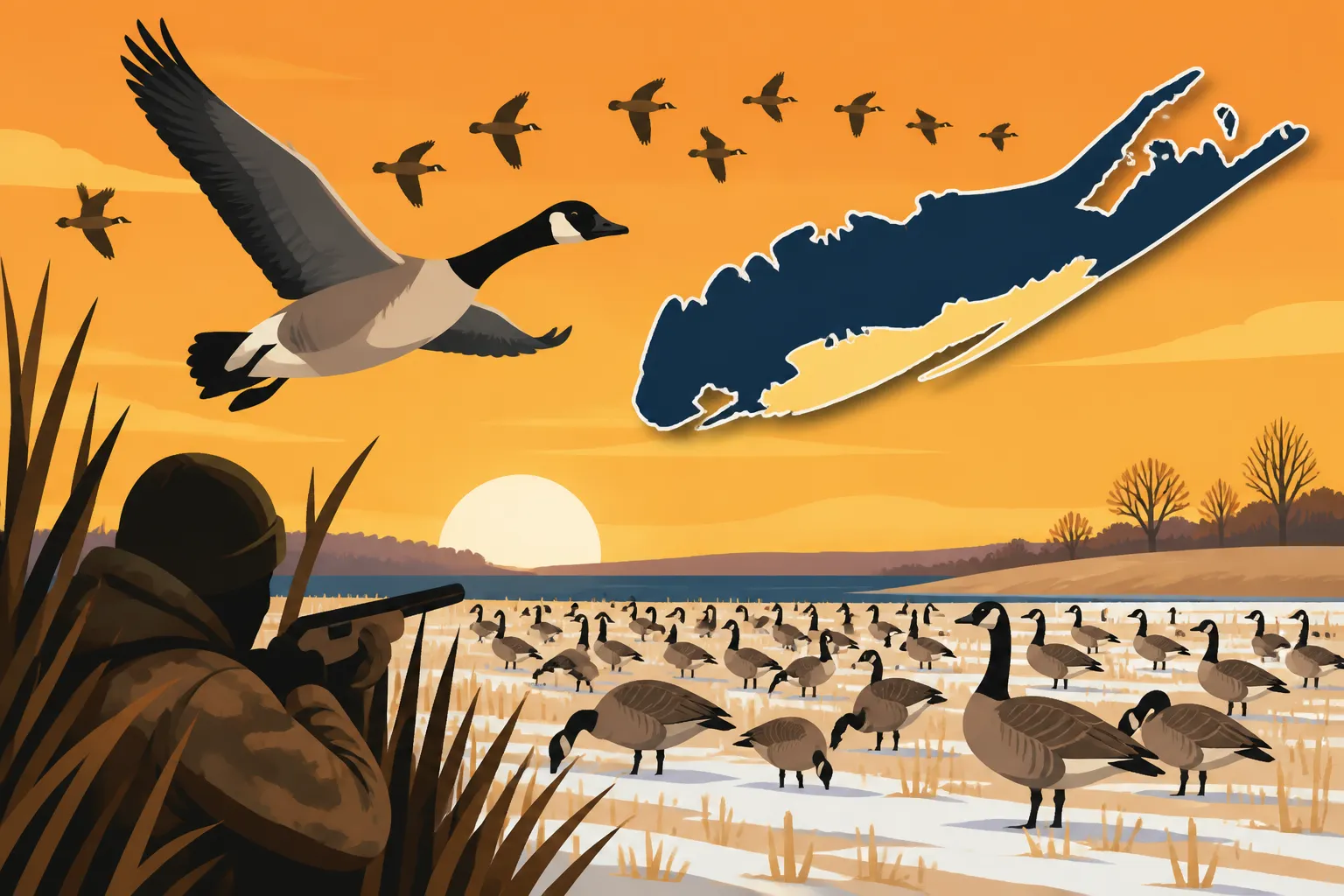
For many New York hunters, particularly those who spend time on the eastern end of the state, the sheer number of Canada geese blanketing fields, ponds, and even suburban lawns during the colder months can be truly astounding. It’s a common frustration to see fields black with birds, yet feel like you're always a step behind them when it comes to hunting. This guide aims to shed light on exactly why Long Island hosts such a massive population of wintering geese, what defines these populations, and how these numbers impact hunters and wildlife management.
Understanding Long Island's Canada Goose Phenomenon
When we talk about Canada geese on Long Island, it's crucial to understand that we're often dealing with two distinct, yet sometimes overlapping, populations: the resident geese and the migratory birds. This dual presence is a significant reason for the consistently high numbers seen throughout the winter.
Resident vs. Migratory Populations
Resident Canada geese are birds that have largely lost their migratory instinct. They were often introduced or established themselves in urban and suburban areas where food is abundant, predators are few, and safe nesting sites are plentiful. These birds typically breed and live out their entire lives within a relatively small geographic area, rarely moving more than a few dozen miles, even in winter. On Long Island, you'll find these resident birds year-round, often congregating in parks, golf courses, agricultural fields, and even corporate campuses. They've adapted incredibly well to human-modified landscapes, and their numbers have steadily grown over decades, often becoming a nuisance in certain areas due to droppings and overgrazing.
Migratory Canada geese, on the other hand, are the true travelers of the flyway. These are the birds that breed in the vast wilderness of northern Canada and, as winter approaches and their northern feeding grounds freeze or get buried under snow, they embark on long journeys south. Long Island sits squarely within the Atlantic Flyway, a major migratory route for waterfowl. As these birds travel, they seek out suitable stopover and wintering habitats offering open water, abundant food, and relative safety. Long Island, with its unique geography and milder coastal climate, presents an incredibly attractive destination for these weary travelers. The confluence of these two groups — a thriving resident population and a consistent influx of migratory birds — creates the spectacular winter concentrations we often observe.
Why Long Island Attracts and Sustains So Many Geese
Long Island's unique blend of natural and developed landscapes creates a near-perfect wintering haven for Canada geese. Several factors contribute to its status as a goose magnet:
- Abundant Food Sources: From manicured golf courses and vast agricultural fields (think corn stubble and winter wheat) to suburban lawns and park grasses, Long Island offers an endless buffet for grazing geese. These areas often provide easily accessible, high-calorie forage that sustains the birds through the colder months. Even during snow cover, many fields on Long Island, particularly in the eastern farming regions, can be scraped clear by hungry birds, or milder coastal conditions simply mean less prolonged snowpack than inland areas.
- Open Water: The island is surrounded by diverse aquatic environments. The Atlantic Ocean to the south, Long Island Sound to the north, and countless bays, estuaries, ponds, and freshwater marshes provide crucial open water. This is vital for geese, offering safe roosting sites where they can escape predators and access fresh water. Even when smaller inland ponds freeze over, the larger bays and the Sound typically remain open, drawing birds to these coastal refuges. Many hunters know the challenge of trying to get birds to commit to decoys when they have miles of open water for refuge.
- Milder Climate: Compared to inland New York or further north, Long Island experiences a significantly milder winter climate. The proximity to the ocean moderates temperatures, leading to less severe cold snaps and less persistent snow and ice cover. This means easier access to food and water for a longer period, reducing the energy expenditure typically associated with harsh northern winters. It’s a comfortable "snowbird" destination for our feathered friends.
- Reduced Predation and Refuge Areas: The developed nature of much of Long Island, while not entirely free of predators, often provides areas where geese feel relatively safe from larger natural predators. Furthermore, many parks, preserves, and even private properties act as de facto refuges where hunting pressure is limited or nonexistent. These areas allow birds to rest and feed undisturbed, drawing more individuals to the general vicinity. Understanding these refuge areas can be key to planning a successful hunt, often forcing hunters to scout perimeter feeding fields. Scouting New York Public Land Before Season with an app like GoHunt can help identify potential holding areas and nearby accessible hunting grounds.
Estimating the Sheer Volume: Challenges and Insights
Trying to pin down an exact, consistent number for how many geese winter on Long Island is like trying to count individual snowflakes in a blizzard – it's incredibly difficult and the number is constantly changing. However, wildlife biologists use various methods to get a strong estimate and track trends, which provides valuable insight into the magnitude of the population.
The Dynamic Nature of Goose Populations
Goose populations are highly dynamic. Numbers fluctuate daily, even hourly, as birds move between feeding areas, roosting sites, and react to weather patterns. A sudden cold front up north could bring a fresh wave of migratory birds down the flyway, while a mild spell might see some birds push further south or even briefly return north. The resident population also contributes to this fluidity, as local birds move around their home ranges. This constant movement makes precise enumeration challenging.
What we do know is that the population of wintering geese on Long Island is substantial, often numbering in the tens of thousands, and some estimates push towards six figures during peak migration and wintering periods. These numbers are a combination of a robust, self-sustaining resident population and the significant influx of migratory birds. The success of conservation efforts for Canada geese over the past decades means that overall populations are very healthy, and Long Island consistently ranks as a critical wintering ground within the Atlantic Flyway.
Methods of Estimation and What They Tell Us
Wildlife agencies, like the New York Department of Environmental Conservation (DEC), employ various survey methods to monitor waterfowl populations. These include:
- Aerial Surveys: Biologists fly established routes at low altitudes, counting birds observed on water bodies, fields, and coastal areas. This is often done at key times during the winter to capture peak populations.
- Ground Counts: Volunteers and professionals conduct counts from specific vantage points, especially in known high-concentration areas like large parks, agricultural fields, and coastal marshes. This can be particularly effective for resident populations.
- Banding Data: Birds are captured, banded with unique identifiers, and released. When these banded birds are later reported (e.g., harvested by hunters, found deceased), it provides valuable data on migration routes, survival rates, and population distribution.
These methods, while not yielding an exact census, provide crucial data for understanding population trends. What they consistently show for Long Island is a significant and stable to increasing resident population, augmented by a large number of migratory birds that find the island's resources irresistible. This data helps wildlife managers make informed decisions about hunting seasons and bag limits, which are designed to manage these populations sustainably. For instance, the regulations often reflect the need to manage both resident and migratory birds, sometimes with different season lengths or bag limits to target specific population segments. Understanding these regulations is key, and using resources like New York Goose Zones and Seasons or New York Resident Population Goose Zone Rules on a platform like GoHunt can help clarify the specific rules for your area.
An Illustrative Look at Goose Distribution on Long Island
While precise numbers for any given day are elusive, we can infer distribution based on typical goose behavior and preferred habitat types.
| Habitat Type | Primary Goose Population | General Use in Winter |
|---|---|---|
| Coastal Bays & Estuaries | Migratory & Resident | Critical roosting sites, especially for large migratory flocks; some feeding. |
| Agricultural Fields | Migratory & Resident | Primary feeding grounds, particularly corn stubble, winter wheat, and rye grass. |
| Golf Courses & Parks | Mostly Resident | Year-round feeding, roosting, and breeding for local birds; some migratory use. |
| Suburban Ponds/Lakes | Mostly Resident | Localized feeding and roosting for resident flocks; limited migratory use. |
| Salt Marshes | Migratory & Resident | Feeding on various grasses and sedges; important for Hunting the Long Island Salt Marshes. |
This table illustrates why a hunter might see large numbers of geese in a variety of settings across Long Island, from the most rural eastern farms to the more developed western parts.
The Impact and Management of Long Island's Wintering Geese
The impressive number of Canada geese wintering on Long Island, while a testament to the birds' adaptability and conservation success, also brings with it a unique set of challenges and management considerations.
Ecological and Human Impacts
The presence of tens of thousands of geese can have significant impacts on both the natural environment and human interests on Long Island. Ecologically, large concentrations of geese can lead to overgrazing of vegetation, especially in sensitive wetland areas or newly planted agricultural fields. Their droppings, which are surprisingly prolific, can contribute to nutrient loading in ponds, lakes, and even coastal waters, potentially impacting water quality and promoting algal blooms. On private properties, particularly golf courses, parks, and even private lawns, the sheer volume of droppings is often considered a nuisance, and the grazing can damage turf. Agricultural damage, while perhaps not as widespread as in some other regions, can also be a concern for Long Island farmers, particularly during planting or early growth stages.
Conversely, the presence of such healthy waterfowl populations is also a positive indicator of viable habitat. Geese are part of the complex ecosystem, and their interactions with other species are numerous. Their feeding habits can, in some cases, help maintain certain vegetation structures, and they are a vital food source for certain predators. For hunters, they represent a significant recreational opportunity, providing many days afield and a valuable source of wild game meat.
Hunting Seasons and Management Strategies
Given the robust populations, hunting plays a crucial role in managing Canada geese on Long Island. Wildlife managers establish hunting seasons and bag limits designed to regulate populations, alleviate nuisance issues, and provide recreational opportunities. These seasons are often stratified, with special early goose seasons targeting primarily resident populations, followed by regular seasons that coincide with the arrival of migratory birds.
Long Island falls into a specific waterfowl zone within New York, and hunters must pay close attention to the unique regulations for this area. For instance, the resident population allows for some generous hunting opportunities, including specialized early seasons. The goal is often to reduce localized nuisance populations while still allowing for a sustainable harvest of migratory birds. Hunters contribute directly to this management by purchasing licenses and stamps like the New York Migratory Bird Certification and the Federal Duck Stamp, which fund conservation efforts.
Hunting strategies on Long Island often involve identifying key feeding and roosting sites. For early resident geese, this might mean scouting suburban fields or smaller ponds where local flocks congregate. Later in the season, during the main migratory push, hunters might focus on larger agricultural fields in the eastern towns like Riverhead or Southold, or major coastal bays and marshes. Setting up decoys, using calls, and understanding flight patterns are all essential tactics. Using detailed mapping tools found on platforms like GoHunt can be incredibly beneficial for identifying potential hunting spots, property boundaries, and access points, helping you to strategize where to set up. Whether you're targeting birds over corn stubble or trying to intercept them as they move between a marsh and a feeding field, understanding the birds' daily routines is paramount.
Long Island's unique geography, situated at the crossroads of human development and a major migratory flyway, ensures that its wintering goose population remains a prominent feature of the landscape. For hunters, this means consistent opportunities, provided they are willing to put in the scouting and adhere to the regulations that help keep these populations healthy and manageable for years to come.
Disclaimer
This article is for general informational purposes only and does not constitute professional advice. Laws, prices and regulations vary by location and change over time. Consult a qualified professional for guidance on your specific situation.