Public Hunting Land in New York
There’s a unique satisfaction that comes from hunting on public land. It’s the challenge of finding game where everyone else has access, the quiet pride of navigating truly wild spaces, and the knowledge that these lands belong to all of us. But let's be honest, figuring out where you can actually hunt in a state like New York, with its diverse landscapes and sometimes complex regulations, can feel like trying to solve a puzzle blindfolded. This comprehensive guide is here to shed light on the vast and varied public hunting opportunities across New York, helping you unlock incredible adventures.
Understanding New York's Public Land Landscape
The dream of quiet timber, untouched swamps, and ridges holding unpressured game is what draws many of us to public land. In New York, these wild places are not just a fantasy; they're a reality waiting for those willing to learn the ropes. However, it's not always easy. The sheer volume of regulations, the varying types of land management, and the often intense competition from other hunters can make public land hunting feel daunting. This section will lay the groundwork, explaining what public land means in New York and the different categories you'll encounter.
The Appeal and the Challenge of Public Land
For many hunters, public land represents the purest form of the pursuit. It’s where you can escape the confines of private property lines and truly test your woodsmanship against wild animals in their natural habitat. There's no landowner to ask permission from (usually!), no lease fees to pay, just the open country waiting. This accessibility is a huge draw, allowing anyone with a license to experience the thrill of the hunt.
However, this accessibility also presents its own set of challenges. Public lands can experience significant hunting pressure, especially on opening days or in easily accessible areas. Finding solitude, let alone finding unpressured game, often means walking further, scouting harder, and thinking outside the box. Regulations can also be a labyrinth, with rules varying dramatically not just by state, but by specific property, making pre-hunt research absolutely critical. It's a trade-off: freedom and affordability for increased effort and adaptability.
Types of Public Land in New York
New York is fortunate to have millions of acres open to public hunting, but not all public land is created equal. Understanding the different classifications is key to knowing what to expect and what rules apply. Each type of land has its own management objectives, which in turn dictate the habitat and hunting experience. You'll find everything from vast, roadless wilderness to actively managed timberlands and wetland complexes designed for waterfowl.
The primary categories you'll encounter include the "Forever Wild" Forest Preserves in the Adirondacks and Catskills, the numerous State Forests, and the Wildlife Management Areas (WMAs). Beyond these, there's a smaller but important parcel of federal land in the Finger Lakes, and various cooperative access programs that open private lands. Each offers a distinct flavor of hunting, and knowing the differences will help you target your efforts more effectively.
The Crown Jewel: Adirondack and Catskill Forest Preserves
When you picture wild New York, chances are you're imagining the Adirondacks or the Catskills. These massive tracts of state-owned land are not only breathtakingly beautiful but also offer some of the most challenging and rewarding public land hunting experiences in the Northeast. They represent the largest blocks of truly wild land, managed under specific constitutional protections that shape the environment and, by extension, the hunting.
The "Forever Wild" Ethos and Its Implications for Hunters
At the heart of both the Adirondack and Catskill Forest Preserves is Article XIV, Section 1 of the New York State Constitution, which declares these lands shall be "forever wild." This powerful declaration means that these lands cannot be leased, sold, or exchanged, nor can the timber be cut. For hunters, this translates into a unique, primitive experience. There are no logging roads carved deep into the backcountry, no clearcuts regenerating thick browse for deer, and very little in the way of human intervention. It’s raw, untamed nature.
What does "forever wild" truly mean for us as hunters? It means vast, mature forests, often with a dense understory in some areas and open, park-like timber in others. Access is primarily by foot, canoe, or designated non-motorized trails. The game populations, especially deer, tend to be lower in density compared to agricultural regions, but the opportunity to pursue an older, wiser buck that has never seen a human from a stand is a real possibility. Understanding What "Forever Wild" Means for Hunters is crucial before you even pack your boots.
Hunting the Adirondack Forest Preserve
The Adirondack Forest Preserve is a behemoth, encompassing over 2.6 million acres of state-owned land within the larger Adirondack Park. Hunting here is an immersive, often physically demanding endeavor. You'll find vast tracts of mixed hardwoods, spruce-fir forests, and countless lakes and streams. Deer densities are generally lower than in the Southern Zone, a consequence of deep snow winters and less diverse habitat, but the black bear population thrives. You can learn more about this incredible resource in The Adirondack Forest Preserve.
Successful hunting in the Adirondacks often involves covering significant ground, reading subtle changes in topography, and finding pockets of preferred browse or shelter. Hunters often focus on transition areas between forest types, benches on hillsides, or the edges of dense conifer swamps where deer might yard up in winter. Finding good sign, like rubs, scrapes, and tracks, requires diligent scouting. Digital mapping tools become your best friend here, helping you understand terrain and identify potential funnels or bedding areas. It's truly a big woods game, where the challenge is as much about navigating the landscape as it is about finding game. You'll want to bone up on Finding Sign in Big Adirondack Timber to maximize your chances.
Hunting the Catskill Forest Preserve
While smaller than the Adirondacks, the Catskill Forest Preserve still offers over 287,000 acres of "forever wild" hunting opportunities, primarily within Ulster, Greene, Sullivan, and Delaware counties. The Catskills are characterized by steep, rugged mountains, deep hollows, and dense forest cover, making for physically demanding hunts. Deer and bear are the primary big game targets, with healthy populations of both. You can dive deeper into the specifics of this region with The Catskill Forest Preserve.
The Catskills, being closer to major metropolitan areas, can experience significant hunting pressure, especially on easily accessible public parcels. The key to success often lies in getting away from the roads and popular trailheads. This means embracing steep climbs and navigating thick cover. Identifying natural funnels, like saddles between peaks or benches along a ridge, becomes paramount. Also, understanding wind and thermals on such broken terrain is crucial. Bear hunting in the Catskills is very popular, with hunters focusing on areas rich in mast crops like acorns and beech nuts during the fall.
State Forests: Accessible and Diverse Opportunities
Beyond the vast wilderness of the Forest Preserves, New York is dotted with hundreds of State Forests. These lands, often less grand in scale individually but numerous in total, offer a completely different, yet equally valuable, public hunting experience. They are typically more accessible, feature a wider array of habitat types, and are actively managed for multiple uses, including timber production and wildlife habitat enhancement.
Characteristics and Management of New York State Forests
New York State Forests are comprised of over 780,000 acres of public land, frequently parcels that were once privately owned farms or timberlands that reverted to state ownership. Unlike the "Forever Wild" preserves, State Forests are actively managed. This means you'll often encounter a mosaic of habitats: mature hardwoods, regenerating clearcuts, pine and spruce plantations, and sometimes even remnants of old fields. This varied landscape is often a boon for wildlife, as the different stages of forest succession provide diverse food sources and cover.
The management often includes selective timber harvesting, which, while sometimes creating temporary disruption, ultimately benefits deer, grouse, and other species by creating early successional habitat and opening the forest floor to sunlight. Roads and trails are generally more prevalent here than in the Forest Preserves, offering easier access to some areas. However, this also means knowing where to look for solitude and unpressured game. For a deeper understanding of these valuable lands, see New York State Forest Hunting.
Finding and Utilizing State Forests
Locating State Forests is relatively straightforward, thanks to resources like the New York DEC's website and modern mapping applications. Tools like onX Hunt and GoHunt allow you to overlay public land boundaries onto satellite imagery and topographical maps, making it simple to identify nearby State Forests. You can zoom in, check for roads, trails, and even identify specific habitat features like old clearcuts or dense cover that might hold game. These apps are indispensable for identifying entry points and planning your approach. You can even use the Scouting With the New York HuntFishNY App to help with this.
Once you’ve identified a State Forest, the real work begins. Scouting, both digitally and on foot, is key. Look for areas with diverse habitat, especially edges where different forest types meet, or where young growth provides cover and food. Old logging roads, stream bottoms, and natural funnels are always good bets. Finding a New York State Forest Near You is a great starting point for your research. Don't be afraid to walk past the initial easy-access areas; many hunters stick close to the roads, so venturing deeper can often put you in front of less disturbed animals.
Common Regulations and Considerations
While State Forests are generally open for public hunting, it's crucial to be aware of common regulations that might apply. Discharging firearms too close to roads or residences is always prohibited, and specific rules often govern the placement and duration of treestands and ground blinds. Most State Forests allow temporary stands for the duration of the season, but permanent structures are typically forbidden, and anything left overnight needs to be clearly labeled with your hunting license number.
Vehicle access is usually restricted to designated parking areas and main roads; driving off-road is almost universally prohibited. If logging operations are active, certain areas might be temporarily closed or heavily disturbed. Always check for current advisories before heading out. Understanding Hunting Pressure on New York Public Land is also important, as these accessible areas can attract crowds. Being prepared to adapt your strategy, such as hunting weekdays or pushing deeper into less accessible blocks, can make a big difference.
Wildlife Management Areas WMAs: Designed for Hunters
New York's Wildlife Management Areas (WMAs) are arguably the jewels in the crown for public land hunters, especially for those targeting specific species or seeking actively managed habitats. Unlike the broader Forest Preserves or State Forests, WMAs are specifically acquired and managed by the DEC with wildlife and public recreation, particularly hunting, as their primary focus.
The Purpose and Design of New York WMAs
WMAs are special places. They are explicitly created and maintained to optimize habitat for various wildlife species, ensuring robust populations for both hunting and observation. This targeted management often involves active habitat work, such as prescribed burns, planting food plots, creating wetlands, or selective timber harvests that benefit specific game animals. This means WMAs often boast some of the most diverse and productive habitats for deer, turkey, waterfowl, and upland birds. How New York WMAs Are Managed provides excellent insight into this work.
Because WMAs are managed with hunters in mind, they often have specific facilities like parking areas, boat launches (for waterfowl WMAs), and clearly marked boundaries. The purpose is to provide accessible, high-quality hunting opportunities. This focused approach distinguishes them from general-use public lands, where recreation might take a backseat to timber production or wilderness preservation.
Hunting Opportunities and Species Focus on WMAs
The type of hunting experience you'll find on a WMA largely depends on its specific management goals. Some WMAs are renowned for their incredible waterfowl hunting, featuring extensive marshes, impoundments, and flooded timber designed to attract ducks and geese. Others might focus on upland birds, with grasslands and early successional forests maintained for pheasants, grouse, or woodcock. Still others are managed primarily for deer and turkey, with a mix of agricultural fields, brushy cover, and mature timber.
For example, a WMA might have a dedicated pheasant stocking program, providing excellent opportunities for hunters and their bird dogs. Or it might feature a large cattail marsh, offering fantastic duck hunting during the migration. It's not uncommon to find areas with restricted hunting methods, such as archery-only zones or specific firearm regulations, all tailored to the local wildlife populations and safety considerations. If you're interested in waterfowling, you might find valuable information in Hunting New York Waterfowl by Zone. Similarly, for upland birds, Pheasant Hunting Western New York Farmland could offer insights.
Navigating WMA Regulations and Pressure
Because WMAs are so popular and specifically managed, they often come with a more detailed set of regulations than other public lands. It's absolutely critical to research the specific rules for the WMA you plan to visit before you go. These rules can cover everything from legal hunting hours, permitted weapons (some might be shotgun-only or archery-only), specific access points, and even required permits for certain hunts. Many WMAs have information kiosks with maps and rules, but checking the DEC website beforehand is always the best practice.
Due to their accessibility and known game populations, WMAs can experience considerable hunting pressure, especially on weekends and during peak seasons. Don't be surprised to find crowded parking lots, particularly during opening weekend. To counteract this, consider hunting on weekdays if possible, or be prepared to walk further than most hunters are willing to go. Using a mapping app like onX Hunt or GoHunt to identify less accessible corners or features that might deter other hunters can give you an edge. Sometimes, setting up a ground blind in a less obvious spot, perhaps on an overlooked field edge or deep in a thicket, can be effective in pressured areas. Check out Using a Ground Blind on New York Public Land for more tactics.
Other Public Hunting Opportunities and Programs
While the Forest Preserves, State Forests, and WMAs form the bulk of New York's public hunting land, there are a few other avenues that hunters should be aware of. These smaller, sometimes more niche, opportunities can provide excellent hunting, especially if you're willing to do a little extra research.
Federal Lands: Finger Lakes National Forest
New York is home to just one National Forest: the Finger Lakes National Forest (FLNF). This roughly 16,000-acre tract, nestled between Seneca and Cayuga Lakes, offers a different flavor of public land hunting. Managed by the U.S. Forest Service, the FLNF is a mosaic of woodlands, open fields, and wetlands, providing habitat for deer, turkey, small game, and various furbearers.
Hunting within the FLNF is largely similar to State Forests, but it's essential to remember that it operates under federal regulations in addition to state hunting laws. Always check the U.S. Forest Service website for any specific rules or closures. The mix of open fields and timber can create excellent edge habitat, often drawing deer and turkey. Its unique position in the Finger Lakes region, known for growing big bucks, makes it an attractive destination for many. Dive deeper into this special area with Finger Lakes National Forest Hunting.
Cooperative and Access Programs
Beyond outright state or federal ownership, New York also has programs that expand public hunting opportunities onto privately owned land. The Public Access Program (formerly the "Posted Land Program") and various cooperative hunting initiatives are designed to open up private acreage to hunters, often in exchange for tax benefits or other incentives for the landowner. These lands are typically marked with specific signage indicating public access.
These programs are invaluable, particularly in regions with high private land ownership. However, they come with their own set of specific rules, which can vary greatly from one property to another. Always look for signage detailing permitted activities, parking areas, and any restrictions (e.g., archery-only, specific dates, or designated species). Treating these lands with the utmost respect is paramount, as continued access depends on hunter adherence to rules and ethical behavior. Learn more about accessing these lands through Posted Land and Public Access Cooperator Farms.
Municipal and County Lands
Occasionally, you might find hunting opportunities on lands managed by counties, towns, or other municipal entities. These are typically smaller parcels, such as county forests, watershed lands, or even some local parks. However, hunting on these lands is much less common and far less uniform in terms of regulations. Access is often highly restricted, and rules can change frequently.
If you are considering hunting on municipal or county land, your due diligence is absolutely critical. You will need to contact the specific county or town government, parks department, or land management agency directly to inquire about hunting policies. Never assume that because it's public land, it's open to hunting. Local ordinances often prohibit firearm discharge or even bowhunting within certain zones, so confirm everything before you even think about stepping foot on such property with your gear.
Navigating Public Land: Tools and Tactics
Finding public land is one thing; successfully hunting it is another. The difference often comes down to how well you prepare and what tools you bring with you. Modern technology has revolutionized the way we scout and navigate, making large tracts of public land far less intimidating than they once were.
Leveraging Digital Mapping Tools (onX Hunt, GoHunt, HuntFishNY)
In today's hunting world, digital mapping tools are no longer a luxury; they're an absolute necessity for public land hunters. Apps like onX Hunt and GoHunt provide invaluable layers that show public and private land boundaries, landowner names, aerial imagery, topographic maps, and even specific habitat features. With these, you can identify legal access points, spot potential bedding areas or funnels from your couch, and mark crucial waypoints like rubs, scrapes, or likely travel corridors.
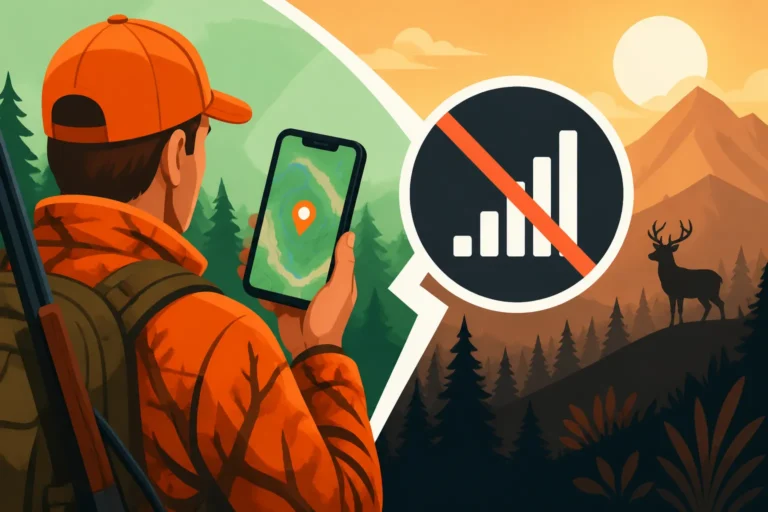
The New York State DEC also offers the Scouting With the New York HuntFishNY App, which provides official maps and information on WMAs and State Forests. The ability to download maps for offline use is crucial, as cell service is often nonexistent in remote public land areas. These apps allow you to know exactly where you are at all times, preventing accidental trespass and helping you recover game. Familiarize yourself with their features – they are truly game-changers for efficiency and safety.
Pre-Season Scouting and Planning
While digital maps are powerful, there's no substitute for boots-on-the-ground scouting. Pre-season visits allow you to verify what you see on a map, discover fresh sign, and get a feel for the terrain, cover, and potential pressure points. Walk the property lines, identify natural funnels like saddles, creek bottoms, or benches that deer will use to travel. Look for old logging roads, often hidden from satellite view by tree cover, which can provide excellent access or act as game trails.
Pay attention to food sources – oak ridges for acorns, apple trees from old homesteads, or regenerating clearcuts. Identify thick cover where deer will bed during daylight hours. Also, observe any human elements: other hunters' stands, obvious trails, or garbage, which indicate pressure. Your goal is to find pockets of unpressured habitat where game feels secure. This critical work, detailed in Scouting New York Public Land Before Season, will significantly increase your odds when the season opens.
Essential Gear for Public Land Success
Heading into public land, especially the larger, more remote tracts, requires a specific mindset and the right gear. Self-sufficiency is key. Beyond your weapon, license, and basic hunting apparel, several items are absolutely essential:
- Navigation: A reliable GPS unit or a smartphone with downloaded maps (and a portable charger!) is non-negotiable. A physical compass and map are excellent backups.
- First-Aid Kit: A comprehensive kit for minor injuries and emergencies.
- Weather-Appropriate Clothing: Layering is vital. New York weather can change quickly, so be prepared for rain, snow, and fluctuating temperatures. Wool or synthetics are excellent choices for moisture wicking and warmth. You might want to explore topics like Packs for a Day on Public Land to ensure you carry everything you need.
- Headlamp/Flashlight: Essential for navigating in the dark, especially if you’re walking in before dawn or out after dusk.
- Water and Food: Carry enough for a full day, plus a little extra for emergencies.
- Game Processing Tools: Field dressing knife, game bags (especially for early season hunts), and possibly a bone saw or gutting gloves. Field Dressing a Deer in Cold Weather can give you tips.
- Emergency Whistle/Signaling Device: For attracting attention if you get lost or injured.
Respecting the Resource: Rules, Ethics, and Conservation
Hunting on public land is a privilege, not a right. It comes with a profound responsibility to understand and abide by all regulations, practice ethical hunting, and contribute to the conservation efforts that make these opportunities possible.
Understanding and Following Regulations
The first and most critical rule of public land hunting is to know the regulations. This goes beyond just season dates and bag limits for your target species. You must understand the specific rules for the piece of public land you are on. These can include:
- Weapon Restrictions: Some areas might be archery-only, shotgun-only, or prohibit certain calibers.
- Treestand/Blind Rules: Regulations on whether you can leave stands overnight, how they must be labeled, and what types are permitted.
- Vehicle Access: Where you can park and if ATVs or other motorized vehicles are allowed.
- Camping Rules: Specifics on primitive camping, campfires, and length of stay.
- Blaze Orange/Pink: New York has specific requirements for wearing hunter orange or pink during certain seasons. Make sure you're compliant with New York Blaze Orange Requirements.
Ignorance of the law is never an excuse. Always consult the current New York State hunting regulations guide, and check for any special rules pertaining to the specific WMA, State Forest, or Forest Preserve area you plan to hunt. A simple mistake can lead to fines, loss of privileges, and give all hunters a bad name.
Ethical Hunting Practices on Public Ground
Ethical conduct on public land extends beyond just following the written rules. It's about respecting the land, the wildlife, and your fellow users, whether they are other hunters, hikers, or birdwatchers. This includes:
- Leave No Trace: Pack out everything you pack in, including spent shell casings, food wrappers, and flagging tape. Leave the land cleaner than you found it.
- Respect Other Users: Be mindful of where other hunters are set up. If you encounter non-hunters, be courteous and give them space. Public land is for everyone.
- Responsible Shot Placement: Ensure a clean kill. Track thoroughly and recover all game. Nothing tarnishes the image of hunters more than wounded game or unrecovered animals.
- Considerate Access: Park in designated areas and avoid blocking gates or roads. Be quiet when accessing your spot, especially in the dark.
- Reporting Violations: If you witness poaching or unethical behavior, report it to the DEC. Protecting the resource is everyone's responsibility.
The Role of Hunters in Conservation
The vast majority of public hunting lands and wildlife management programs are funded directly or indirectly by hunters. Through the purchase of hunting licenses, stamps, and excise taxes on firearms, ammunition, and archery equipment (known as the Pittman-Robertson Act), hunters provide a consistent and substantial stream of funding for wildlife research, habitat restoration, land acquisition, and law enforcement.
By purchasing your license and actively participating in hunting, you are directly contributing to the conservation of these wild places and the animals that call them home. It’s a powerful testament to the hunter’s role as a true conservationist. Embrace this role, respect the privilege, and help ensure that New York's public hunting lands remain vibrant and accessible for generations to come.
Disclaimer
This article is for general informational purposes only and does not constitute professional advice. Laws, prices and regulations vary by location and change over time. Consult a qualified professional for guidance on your specific situation.