The Catskill Forest Preserve
Navigating New York's vast public lands can feel like trying to find a needle in a haystack, especially when you're looking for that perfect hunting spot far from the crowds. Many hunters get overwhelmed by the sheer scale and often rugged nature of places like the Catskill Forest Preserve, leading to frustration and missed opportunities. This comprehensive guide is designed to cut through that confusion, offering practical, boots-on-the-ground advice for understanding, accessing, and successfully hunting the challenging yet incredibly rewarding terrain of the Catskill Forest Preserve.
Understanding the Catskill Forest Preserve's Unique Landscape
The Catskill Forest Preserve isn't just a patch of woods; it's a living, breathing testament to New York's commitment to wild lands. For a hunter, this means both immense opportunity and specific challenges that are important to understand before you ever lace up your boots. Forget manicured trails and easy access; this is big country that demands respect and preparation.
The "Forever Wild" Ethos and Its Impact on Hunting
At the heart of the Catskill Forest Preserve, much like its Adirondack cousin, is the "Forever Wild" clause of the New York State Constitution. This isn't just a catchy phrase; it's a legal cornerstone that dictates how these lands are managed. For hunters, it means that logging, mining, and most forms of commercial development are strictly prohibited. The forest is allowed to grow and evolve naturally, creating vast expanses of mature timber and diverse ecosystems. This contrasts sharply with many State Forests, where active timber management might create younger, brushier habitat.
While the "Forever Wild" designation protects the wild character we cherish, it also means that prime young browse for deer can be less common in some areas, pushing deer to concentrate in specific pockets where natural disturbances or microclimates create favorable conditions. You won't find large, clear-cut blocks designed to create deer habitat here. Instead, you're hunting an ancient, continuous forest system. It's a wilderness experience, and that's precisely what draws many of us to its rugged embrace. This ethos shapes everything from the type of game you'll find to how easy it is to traverse the land.
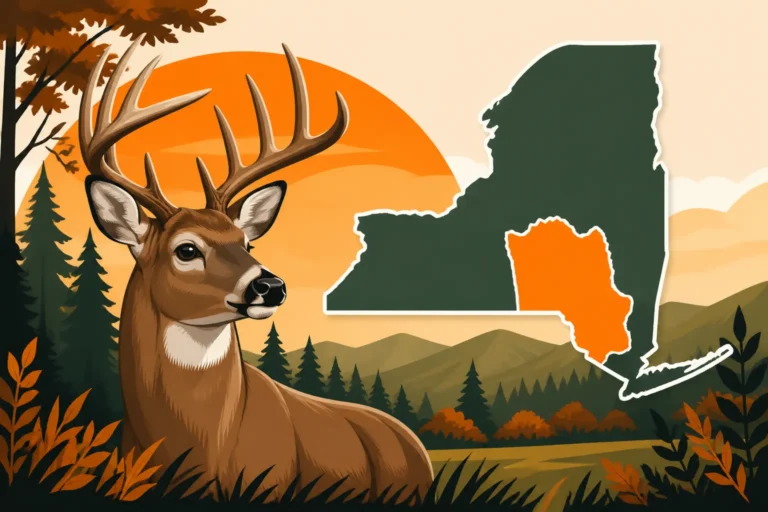
Furthermore, it's easy to confuse the Catskill Park with the Catskill Forest Preserve. The Catskill Park is a much larger, roughly 700,000-acre area, encompassing both public and vast tracts of private land. The Catskill Forest Preserve refers specifically to the public lands within that park boundary, owned by New York State. This checkerboard pattern of ownership means you always need to be hyper-aware of property lines, especially when planning a hunt or retrieving game. Don't assume all land within the park boundary is fair game.
Topography and Terrain: What to Expect Underfoot
If you're used to hunting flat farm country or gentle rolling hills, the Catskills are going to be a rude awakening, but a beautiful one. This region is defined by its steep, rocky ridges, deep, V-shaped ravines, and dramatic elevation changes. Peaks like Slide Mountain, Hunter Mountain, and Blackhead Mountain aren't just scenic; they dictate everything about how game moves and how you hunt them. The climb can be grueling, especially with a pack or, heaven forbid, a deer on your back.
The ground underfoot is often littered with rocks, roots, and slippery leaves, especially during the fall hunting seasons. Expect to be climbing, descending, and navigating across uneven surfaces for most of your hunt. This isn't country for flip-flops; good, ankle-supporting boots are non-negotiable. The sheer physical exertion required can be a major factor, and you'll quickly realize why many of the best hunting spots are often found a mile or more off the nearest road, simply because fewer hunters are willing to put in the effort to get there.
These terrain features also create natural funnels and pinch points that are goldmines for the observant hunter. A steep, rocky ridge might force deer to use a specific saddle or bench for travel, concentrating their movement. Deep ravines, while tough to cross, can act as highways for game seeking cover or easier travel paths. Understanding how game animals relate to this complex topography is key to unlocking hunting success here. It’s a challenge, but the rewards—a hard-earned buck from wild country—are immense.
Forest Composition and Habitat Diversity
The Catskill Forest Preserve is predominantly covered by mature hardwood forests. You'll find vast stands of oak, maple, and beech, especially at lower and mid-elevations. These trees are critical because they provide vital food sources for deer and bear, particularly acorns and beech nuts during the fall. A good mast crop year can significantly influence game distribution, concentrating animals in certain areas and making hunting more predictable. Conversely, a poor mast year can scatter game as they search for alternative food sources.
Interspersed with these hardwoods, especially in cooler, higher elevations or along stream beds, you'll encounter pockets of evergreens like hemlock, spruce, and balsam fir. These conifers offer crucial thermal cover during harsh winter months and provide excellent bedding areas for deer seeking refuge from the wind and snow. Bears will also utilize these thickets for bedding and security. The transition zones between these different forest types—where hardwoods meet evergreens—are often productive areas to focus your efforts, as they offer both food and cover.
While the "Forever Wild" mandate limits large-scale commercial logging, natural disturbances like windstorms, ice storms, or insect outbreaks can create smaller patches of younger forest growth. These areas, though often harder to find, are crucial for browse-dependent species like deer and ruffed grouse. Keep an eye out for these pockets of regenerating forest, even if they are small, as they can draw and hold game that might otherwise pass through the more mature timber. It’s a subtle dance of nature, but one that provides vital diversity in a predominantly mature forest.
Key Game Species You'll Find in the Catskills
Hunting the Catskill Forest Preserve means adapting your tactics to the specific species that thrive in this rugged environment. While deer are often the primary target, the Catskills also offer excellent opportunities for black bear and, in some areas, wild turkeys and upland birds. Each species presents its own unique challenges and requires a deep understanding of their behaviors within this mountainous habitat.
Whitetail Deer: Adapting to Mountain Life
Whitetail deer in the Catskills are different from their flatland cousins. The population density here is generally lower than in agricultural areas, but the deer that do call these mountains home are often older, wiser, and incredibly adept at using the terrain to their advantage. They are masters of evasion, using the steep slopes, rocky outcroppings, and dense cover to disappear at the first hint of danger. This makes hunting them a true test of woodsmanship and patience. You're not just hunting a deer; you're hunting a mountain deer.
These deer thrive on a diet of browse and mast crops. Look for them feeding in areas with good acorn or beech nut production, particularly on south-facing slopes that receive more sun. They'll bed in thick evergreen cover on benches or near the tops of ridges, always with an escape route planned. Understanding how deer utilize contour lines is critical: they'll often travel along benches or use the bottom of steep ravines as hidden highways. Finding reliable food and cover, and then figuring out the travel corridors between them, is the Catskill deer hunter's perpetual puzzle.
One of the biggest realities of hunting these animals in this terrain is the recovery. When you finally connect with a deer in the Catskills, the celebration is often quickly followed by the daunting thought of getting it out. The terrain that makes the hunting so challenging also makes the retrieval incredibly demanding. Expect a tough pack-out, especially if you're deep in a ravine or high on a ridge. It’s why many experienced Catskill hunters study topography maps not just for finding deer, but for planning potential extraction routes. This might be where you find yourself Dragging a Deer Off a Catskill Ridge.
Black Bear: A Growing Presence
The Catskills are home to a robust and growing black bear population, offering fantastic opportunities for bear hunters. Unlike some regions, New York's bear hunting regulations do not permit baiting, which means you're hunting truly wild, free-ranging bears on their natural feeding and travel patterns. This adds another layer of challenge and satisfaction to a successful hunt. The Catskills are a stronghold for these magnificent animals, and encounters are not uncommon, even when specifically deer hunting.
Bears in the Catskills are opportunistic omnivores. In the fall, their diet shifts dramatically to focus on calorie-rich foods like acorns, beechnuts, and wild berries. They will also gorge on apples from old orchards if they can find them. Concentrating your hunting efforts in areas with abundant natural food sources is often the most productive strategy. Look for disturbed leaves under oak or beech trees, fresh scat, or tracks in soft ground, especially near water sources. Bears need a lot of calories to prepare for winter denning, so they will be actively foraging.
Hunting bears in this manner often requires a blend of still-hunting and careful scouting. You might spend hours slowly working through a productive oak flat or a berry patch, hoping to intercept a bear on its feeding rounds. Spot-and-stalk tactics can be effective if you catch a bear out in a more open area, but the dense cover often makes this challenging. Patience and persistence are key, as bears are incredibly wary. Many hunters find success by combining their deer hunts with bear hunting, as both species often frequent similar areas during the fall. For those interested in the unique pursuit of these animals, Spot-and-Stalk Tactics for Catskill Bears offers a deep dive.
Wild Turkey and Upland Birds
While primarily known for big game, the Catskill Forest Preserve also supports populations of wild turkeys and, to a lesser extent, ruffed grouse and woodcock. Turkey hunting, particularly during the spring season, can be very rewarding. Turkeys thrive in mixed hardwood forests with interspersed clearings and fields, which can be found along the edges of the preserve or in areas with more varied terrain. They use the mature timber for roosting and the forest floor for foraging insects, acorns, and seeds.
Finding turkeys often means covering ground, listening for gobblers on the roost, and understanding their travel patterns from roosting sites to feeding areas. They can be found at various elevations, often preferring benches and ridges with good visibility. While the Catskills can be physically demanding for turkey hunting, the reward of calling in a big gobbler against a backdrop of stunning mountain scenery is unforgettable. Patience, good calling skills, and the willingness to move are essential for success.
Ruffed grouse and woodcock are present but typically in lower densities than in areas with more active forest management. Grouse require early successional habitat – young, brushy forest stands that provide dense cover and food. These areas can be harder to find within the mature Catskill Forest Preserve, often occurring in old logging roads, small clearings from natural disturbances, or along the edges where public and private land meet. Woodcock prefer moist, alder-filled bottomlands or dense, wet thickets. Identifying these specific micro-habitats within the vast forest is the key to finding these elusive birds. It will require dedicated effort and keen observation, but finding them can be incredibly rewarding. For a deeper look, consider Grouse Hunting New York Aspen Cover, though in the Catskills, you'll be looking more for mature alder runs and occasional young timber.
Navigating and Accessing the Preserve
Getting into the Catskill Forest Preserve is the first step, but it's not always straightforward. This isn't a place with endless parking lots and clearly marked trails every hundred yards. You'll need to know how to identify access points, understand the different land classifications, and be prepared for backcountry travel. Planning your entry and exit is just as important as planning your hunt itself.
Trailheads, Parking, and Public Access Points
Accessing the Catskill Forest Preserve often means utilizing designated trailheads, which typically have small parking areas. These trailheads are the gateways to the interior, but they can be few and far between, especially for the truly remote sections. Some popular hiking trails might offer access, but always be mindful of other users and remember that hunting safety is paramount. You might also find access via unmaintained or seasonal dirt roads that lead into state land, but these can be rough and require a capable vehicle.
It’s crucial to scout these access points ahead of time, either physically or using mapping tools. Don't rely solely on a vague description; verify the parking situation and the condition of the access road. Often, the best hunting begins a mile or two beyond where most day-hikers turn back, requiring you to physically hike deeper into the preserve. This initial effort weeds out a lot of casual hunters, leaving the deeper woods to those willing to work for it.
Modern mapping applications are invaluable here. Tools like onX Hunt or even the state's official resources can help you identify public land boundaries, trail systems, and potential parking areas. You can overlay aerial imagery with property lines, making it clear exactly where state land begins and where private property requires permission. Using Scouting With the New York HuntFishNY App or leveraging onX Layers for New York Land Status can dramatically improve your preparation and confidence when entering new terrain. Just remember that technology is a tool, not a replacement for good old-fashioned map-reading skills and a compass, especially in areas with no cell service.
Understanding Wilderness vs. Wild Forest Areas
Within the Catskill Forest Preserve, lands are designated either as "Wilderness" or "Wild Forest" areas, and these classifications have significant implications for hunters. Wilderness Areas are managed for their pristine, undeveloped character. This means no motorized vehicles are allowed, no permanent structures, and typically no designated campsites (though primitive camping is permitted). Human impact is minimized, making them incredibly challenging but equally rewarding for hunters seeking true solitude.
Wild Forest Areas, on the other hand, are a bit more lenient. While still protected, they may allow for some limited motorized access (on designated roads), lean-tos, and more developed camping facilities. Many public hunting opportunities exist within both classifications, but the practical realities of hunting deep in a Wilderness Area — think multi-day pack-in hunts, navigating without trails, and the immense challenge of game retrieval — are far more demanding. Most hunters will find themselves primarily utilizing Wild Forest areas due to easier access and slightly less restrictive rules.
Always check the specific regulations for the area you plan to hunt. While the core "Forever Wild" principle applies to both, the nuances of use can vary. Knowing whether you can drive down a specific two-track or if you need to be prepared for an entirely foot-based approach from the main road can drastically alter your hunt plan. These distinctions directly impact how far you can get into the woods and what kind of gear you need to bring.
Planning for Remote Backcountry Hunts
Hunting the interior of the Catskill Forest Preserve means embracing the backcountry. This isn't a quick morning hunt; it often requires multi-day excursions or at least a full day's commitment to reach remote areas. Physical fitness is paramount. You'll be climbing steep grades, crossing rugged terrain, and potentially packing out hundreds of pounds of meat over long distances. Don't underestimate the physical toll this environment takes. Start training well before the season.
Proper gear is non-negotiable for remote hunts. Beyond your weapon, you'll need reliable navigation tools (GPS, map, compass), a headlamp, fire-starting materials, a first-aid kit, emergency shelter, and sufficient food and water. Cell service is notoriously unreliable deep in the Catskills, so don't count on your phone for navigation or emergencies. Consider a satellite messenger or two-way radio for communication in areas where cell service is non-existent. Inform someone of your detailed plans, including your route, expected return time, and a list of emergency contacts.
Weather in the Catskills can change rapidly and dramatically. A sunny autumn morning can quickly turn into a cold, wet, or even snowy afternoon, especially at higher elevations. Be prepared for all conditions with appropriate layering, waterproof outerwear, and insulation. Planning for an overnight stay, even if you don't intend to, can be a life-saving precaution. Understanding atmospheric conditions and how they influence game movement, like Wind and Thermals on a Catskill Ridge, will also be crucial for your success and comfort. The Catskills offer a true wilderness hunting experience, but they demand respect and thorough preparation.
Essential Hunting Strategies for Catskill Terrain
Hunting the Catskills isn't about sitting in a blind overlooking a food plot; it's about active hunting, reading the land, and adapting to the wild. The rugged topography and dense cover demand specific strategies that leverage the strengths of the hunter and exploit the habits of the game. Forget what you might know about hunting flatter, more agricultural lands – the Catskills play by their own rules.
Still-Hunting the Ridges and Hollows
Still-hunting is perhaps the most effective and rewarding method in the Catskill Forest Preserve. This technique involves moving slowly and deliberately through the woods, pausing frequently to observe, listen, and scan for subtle signs of game. It's about blending in with the environment, becoming part of the forest, rather than trying to force an encounter. The dense cover often means that deer will be close before you see them, making slow movement and acute senses crucial.
Focus your still-hunting efforts on the natural travel corridors and feeding areas. Deer often use benches – flatter sections along a ridge – as highways to travel undetected. Saddles, the low points between two ridges, are also excellent pinch points where deer are funneled. As you move, pay close attention to fresh tracks, rubs, scrapes, and droppings. These "signposts" tell you where deer are active. Remember, you're not just looking for deer; you're looking for where deer have been and where they are likely to be.
The key to successful still-hunting in the Catskills is patience and quietness. Take a few steps, then stop and stand motionless for several minutes, scanning the woods with your eyes, not just your head. Use your binoculars to pick apart distant thickets. The deer often see or hear you first, so the goal is to spot them before they bust you. It’s an immersive, intimate way to hunt, and it’s why many dedicated Catskill hunters swear by it. Mastering Still-Hunting Catskill Ridges will significantly increase your odds.
Stand Hunting: Locating Key Travel Corridors
While still-hunting is often productive, strategically placed treestands or ground blinds can also be effective in the Catskills, especially during the rut or over consistent food sources. The challenge lies in finding truly productive stand locations within the vast, uniform timber. You can't just hang a stand anywhere; you need to identify key travel corridors, pinch points, or feeding areas that concentrate deer movement.
Look for saddles between ridges, distinct benches that deer use as travel routes, or areas where evergreen thickets meet hardwoods. Funnels created by changes in elevation, rock outcroppings, or small, deep ravines can be excellent places to set up. During the early season, focus on areas with consistent mast crops, like oak or beech ridges. Later in the season, when temperatures drop, look for areas with good thermal cover – thick hemlock stands where deer will bed down to escape the cold.
When choosing a stand site, always consider your entry and exit routes. The last thing you want is to spook every deer in the area as you walk to or from your stand. Plan your approach to be quiet, downwind, and under the cover of darkness. In this steep terrain, Entry Routes on Steep Catskill Ground can make or break a stand hunt. Look for routes that minimize noise and scent disturbance, perhaps using a contour line or a small stream bed to mask your approach. A well-placed stand in the Catskills can yield incredible results, but it takes careful scouting and strategic thinking.
Incorporating Drives: When and How to Execute
Deer drives can be a highly effective tactic in the dense, rugged cover of the Catskill Forest Preserve, particularly when hunting with a small group. The goal is to strategically push deer from their bedding areas or thickets towards waiting standers. This isn't about randomly walking through the woods; it's a coordinated effort that requires careful planning, communication, and a good understanding of deer behavior in the terrain. Drives can be especially useful on public land to move deer out of areas that receive high hunting pressure.
For small groups of three or four hunters, effective drives focus on smaller, manageable blocks of cover, such as a thick evergreen patch on a ridge or a dense laurel hell in a ravine. The drivers move slowly and deliberately, making just enough noise to encourage deer to move, but not so much that they panic and blow out of the area in random directions. The standers, meanwhile, are positioned along anticipated escape routes – saddles, benches, or the edges of dense cover where deer will naturally try to slip away.
Communication between drivers and standers is paramount. Two-way radios are invaluable for coordinating movements and ensuring everyone knows where others are located for safety. Before starting a drive, walk the area and identify potential escape routes and safe shooting lanes. Always discuss safe shooting zones and ensure that no one is shooting in the direction of other hunters. For groups of three or four, Deer Drives With Three or Four Hunters offers a detailed breakdown of how to maximize effectiveness and safety in this challenging landscape. It’s a physical, engaging way to hunt, and when executed correctly, it can be incredibly productive.
Gear Considerations for Rugged Mountain Hunting
The Catskills demand more from your gear than many other hunting environments. The steep terrain, variable weather, and often remote nature of the hunts mean that durability, reliability, and functionality are paramount. Skimping on essential gear here isn't just uncomfortable; it can be dangerous. Be prepared for anything the mountains throw at you.
Footwear and Clothing for Variable Conditions
Your feet are your most important asset in the Catskills. Invest in high-quality, waterproof, and extremely supportive hiking or hunting boots. They need to stand up to sharp rocks, slippery leaves, mud, and potentially snow, all while providing excellent ankle support to prevent twists and sprains on uneven ground. Break them in well before the season starts – new boots on a steep Catskill climb are a recipe for blisters and misery. Look for boots with aggressive traction to maintain grip on slippery slopes.
For clothing, layering is key. The Catskills can experience significant temperature swings, from crisp autumn mornings to surprisingly warm midday sun, followed by chilly evenings or sudden cold fronts. A good layering system allows you to adapt to these changes, shedding layers to prevent sweating on uphill climbs and adding them back for warmth during static periods. Start with a moisture-wicking base layer, add insulating mid-layers (fleece or synthetic down), and finish with a waterproof and windproof outer shell.
Wool is an excellent choice for hunting clothing in the Catskills due to its natural warmth, breathability, and ability to insulate even when wet. It's also remarkably quiet, which is a significant advantage when still-hunting through dense timber. Forget noisy synthetics that rustle with every step. For its superior qualities in challenging conditions, many hunters swear by Wool for Wet Snow and Quiet Movement. Don't forget a blaze orange or pink outer layer for visibility and safety, as required by New York law during certain seasons.
Navigation and Safety Tools
In the expansive and often trackless Catskill Forest Preserve, reliable navigation is not optional – it's absolutely essential. While smartphone apps with GPS capabilities are incredibly useful, do not rely solely on your phone. Cell service is notoriously spotty or non-existent in much of the preserve. Always carry a dedicated GPS unit (like those offered by Garmin or Magellan) and, crucially, a physical map and compass. Know how to use them. Mark your starting point, your vehicle location, and any key landmarks.
Beyond navigation, a comprehensive safety kit is paramount. This should include a powerful headlamp (with extra batteries), a fire starter (waterproof matches, lighter, fire steel), a whistle for signaling, a well-stocked first-aid kit, and an emergency blanket or lightweight shelter. Consider carrying a small saw or folding shovel for clearing shooting lanes or digging a hasty shelter. A satellite messenger device, such as a Garmin inReach or Zoleo, is highly recommended for communicating out of cell service and for emergency SOS capabilities. It's not a luxury; it's a lifeline.
The debate of GPS Units Versus Phone Apps often arises, but in the Catskills, the smart choice is usually both, with a strong emphasis on the dedicated GPS and analog backup. Phones can die from cold, get wet, or simply lose signal. A rugged GPS unit is often more reliable in extreme conditions. Always tell someone your exact hunting location and expected return time. Safety in the backcountry is about preparation, not just luck.
Weapon Choices and Practical Range
When choosing a weapon for the Catskills, consider the typical shot distances and the ruggedness of the environment. For rifle hunters, shots are often shorter in the dense timber – perhaps 50 to 150 yards – but you might occasionally encounter a longer shot across an open clearing or down a logging road. A versatile caliber that performs well at these varied ranges is ideal. A .30-30, for example, is a classic choice for thick cover, offering plenty of knockdown power for deer and bear at typical woods ranges. For a deeper discussion, check out .30-30 in Thick Catskill Cover.
| Caliber/Weapon Type | Typical Ranges (Yards) | Key Advantage in Catskills | Considerations |
|---|---|---|---|
| Rifle (e.g., .30-30, .308) | 50-200 | Versatility, power | Good for varied cover. Ensure ethical shot placement at all distances. Scope durability is key for bumps and scrapes. |
| Shotgun (Slugs) | 25-100 | Legal in certain zones | Less range but effective within its limits. Good for dense areas where long shots are rare. |
| Archery (Compound/Recurve) | 0-40 | Stealth, long seasons | Requires close encounters. Challenging for steep angles (uphill/downhill). Broadhead choice important. |
| Crossbow | 0-50 | Ease of use, precision | Offers advantages of archery with rifle-like aiming. Range limitations similar to traditional bow. |
| Muzzleloader | 50-150 | Dedicated season, tradition | Requires careful weatherproofing. One shot means high pressure. |
For bowhunters, the steep terrain presents unique challenges. Practicing uphill and downhill shots is crucial, as the angle can significantly impact arrow placement. Your draw weight should be comfortable enough to hold steady for these awkward shots. Fixed blade broadheads are often favored for their reliability in hitting bone, which is a consideration if a deer takes off into thick cover. Crossbows offer a blend of archery season access with rifle-like precision, and they are gaining popularity in New York for their ease of use in challenging conditions.
Regardless of your weapon choice, ensure it is sighted in and you are proficient with it. The Catskills are not the place to be second-guessing your shot. Additionally, protect your weapon from the elements. A good sling for a rifle or a sturdy bow case is invaluable when hiking over rugged ground. Keeping your optics clear and your action free of debris is critical for reliability.
Preserving the Catskills for Future Hunters
Hunting in the Catskill Forest Preserve is a privilege, and with that privilege comes a responsibility to protect and preserve this incredible resource for generations to come. Our actions today directly impact the future of hunting and the health of the ecosystem. Being a good steward of the land means adhering to ethical practices, respecting others, and actively supporting conservation.
Practicing Leave No Trace Principles
The "Forever Wild" ethos isn't just a legal designation; it's a call to action for every user of the Catskill Forest Preserve. Practicing Leave No Trace principles is fundamental to preserving the wild character of these lands. This means packing out everything you pack in – every wrapper, every spent shell casing, every piece of trash. Leave the forest exactly as you found it, or better. Don't leave any trace of your presence.
Proper waste disposal is also critical. If you are camping overnight, know how to properly dispose of human waste at least 200 feet from water sources and trails. Minimize campfire impacts by using existing fire rings, keeping fires small, and ensuring they are completely out before you leave. Avoid cutting live trees for firewood; collect only dead and downed wood. The goal is to ensure that the next hunter, hiker, or nature enthusiast experiences the same pristine wilderness that you did, without seeing signs of previous human activity. It's about respecting the wildness of the place.
Beyond physical trash, leaving no trace also extends to ethical considerations. Avoid excessive marking of trails with flagging tape; use natural landmarks or a GPS to navigate. Do not disturb historical or archaeological sites. The Catskills are a place of natural beauty and cultural significance, and our role as hunters is to be guardians, not destroyers, of its integrity.
Respecting Private Land Inholdings and Boundary Lines
One of the persistent challenges and potential sources of conflict in the Catskill Park is the checkerboard ownership pattern of public and private lands. While the Forest Preserve is publicly owned, many large and small tracts of private land are interspersed within the broader park boundary. Respecting these private land inholdings is not just good etiquette; it's a legal and ethical imperative. Trespassing can lead to fines, loss of hunting privileges, and, perhaps most importantly, erode public trust and landowner goodwill.
Before you ever step foot into the woods, use detailed maps (like the New York DEC's official maps or third-party apps such as onX Hunt) to identify public land boundaries. Pay close attention to these lines while you are hunting, especially if you are near the edge of the preserve. Finding New York Property Lines is easier than ever with digital tools, but remember that GPS signals can drift, and old survey markers can be hard to find. When in doubt, err on the side of caution.
If a game animal crosses onto private land, you cannot simply retrieve it without permission. You must contact the landowner and secure permission before entering. Having a plan for this contingency, perhaps by identifying nearby landowners ahead of time, can save a harvest and prevent an ethical or legal transgression. Good relationships between hunters and landowners are vital for maintaining hunting access in New York, and respecting private property is the cornerstone of that relationship.
Supporting Conservation Efforts
As hunters, we are often the most ardent conservationists, and supporting the health of the Catskill Forest Preserve is a direct extension of that. Your hunting license fees, big game tags, and habitat stamps directly fund wildlife management, habitat improvement, and law enforcement efforts across New York State. This revenue is crucial for maintaining healthy game populations and public access.
Beyond direct financial contributions through licensing, consider getting involved in local conservation groups or hunter organizations that advocate for public lands and wildlife. Participate in hunter harvest surveys accurately and promptly; this data is vital for wildlife biologists to manage populations effectively. If you see illegal activity, such as poaching or environmental damage, report it to the appropriate authorities. Being an ethical, engaged hunter means taking an active role in the stewardship of our natural resources.
The Catskill Forest Preserve is a wild, beautiful, and challenging place to hunt. It demands respect, preparation, and skill, but it offers unparalleled rewards: solitude, stunning scenery, and the chance to truly test your woodsmanship against wild game. By understanding its unique character, employing sound strategies, and committing to responsible practices, you can enjoy successful and memorable hunts here for years to come, ensuring this "Forever Wild" treasure remains vibrant for all.
Disclaimer
This article is for general informational purposes only and does not constitute professional advice. Laws, prices and regulations vary by location and change over time. Consult a qualified professional for guidance on your specific situation.