Getting Private Land Permission in New York
It's a familiar feeling for many New York hunters: you’ve spent countless hours scouting public land, walked miles through thick cover, only to find fresh boot prints or an old treestand hung just where you planned to be. The dream of finding that quiet, less-pressured corner of the woods often leads us to consider private land, but the idea of knocking on a stranger's door can feel intimidating. This guide is all about navigating that challenge, offering practical advice and a roadmap for how to respectfully approach landowners and successfully gain private hunting permission in our great state.
Understanding the Landscape: Why Private Land Matters in New York
New York offers a remarkable amount of public hunting land, from the sprawling Adirondack Forest Preserve to numerous State Forests and Wildlife Management Areas. And yet, for many hunters, the desire for private ground remains strong. It's not about being exclusive; it's about the unique hunting opportunities and the different kind of experience private land can offer, especially in certain parts of the state.
The Lure of Unpressured Game
Imagine slipping into a secluded woodlot during the peak of the rut, knowing you’re likely the only hunter within earshot. This is the primary allure of private land. While public areas can certainly hold big bucks and healthy turkey flocks, they often come with a level of human disturbance that can make game animals much warier. Deer, in particular, become incredibly adept at patterning human movement on public lands, often going nocturnal or seeking out the thickest, nastiest cover during daylight hours once the orange army hits the woods.
On private parcels, especially those that aren't heavily hunted or managed, game animals might not face the same constant pressure. This can translate to more consistent daytime movement, less skittish behavior, and a generally more relaxed hunting experience. Think of a farmer's woodlot surrounded by cornfields in the Southern Tier, where deer funnel between bedding and feeding, perhaps never seeing a hunter until you respectfully gain access. The difference in animal behavior can be profound, making private ground a truly exciting prospect.
The Realities of Public Land Pressure
Don't get me wrong, New York's public lands are incredible, and I spend a good chunk of my season on them. However, it's also a reality that some areas, particularly those with easy access or known for good hunting, can become quite crowded. Opening weekend of firearm season in the Southern Zone, for example, can see trailheads overflowing with vehicles. It can be incredibly frustrating to put in the hard work of scouting, find fresh sign, and then arrive on opening morning to discover multiple vehicles already parked, indicating others have beaten you to your chosen spot.
This kind of pressure forces deer into predictable patterns: they retreat deeper into cover, move primarily at night, or simply relocate to quieter areas. While there are certainly tactics for Finding Ground Others Walk Past on public land, and it's always worth exploring areas further from roads, the inherent pressure is a factor you simply can't ignore. Knowing that you have private land as an option can take some of that pressure off, allowing you to diversify your hunting strategies throughout the season. You can learn more about general Hunting Pressure on New York Public Land to understand the dynamics at play.
Balancing Public and Private Access
For many seasoned New York hunters, it's not a matter of choosing either public or private land; it's about having access to both. Public land offers adventure, vast landscapes, and the challenge of truly wild animals. Private land, on the other hand, can provide consistency, a more predictable experience, and the chance to focus on specific habitat or game management.
Having both in your toolkit means you have options. If a particular public WMA is overrun, you might have a private woodlot to retreat to. If you're struggling to fill your antlerless tags on public ground, a private parcel near agricultural fields might offer a better chance. It's about maximizing your opportunities and tailoring your hunt to the conditions and your goals. By cultivating relationships and gaining permission on private land, you're essentially expanding your personal hunting portfolio and making yourself a more versatile and successful hunter in the long run. The goal isn't to replace public land, but to complement it beautifully.
The Art of the Ask: Initial Approaches to Landowners
So, you've decided to take the plunge and seek private land permission. This isn't just about showing up; it's an art form that requires preparation, respect, and a genuine understanding of the landowner's perspective. Your approach can make all the difference between a quick "no" and a valuable, long-term hunting opportunity.
Timing is Everything
One of the biggest mistakes new hunters make when seeking permission is waiting until the last minute. Showing up in the week leading up to archery season, or worse, on opening day, while wearing camo and carrying your bow, sends all the wrong signals. Landowners are often busy with their own preparations, farm work, or simply don't want to be bothered by a stranger with immediate demands.
The best time to ask for hunting permission is long before the season even begins – think late spring, early summer, or even after the previous hunting season closes. This allows you to approach them when they're less stressed, have more time to talk, and aren't feeling rushed or pressured. It also gives you time to build a rapport, demonstrate your reliability, and perhaps even offer some help around the property. A casual conversation in July about how deer are impacting their crops, for instance, can be a much more fruitful opening than a desperate plea in November.
Presenting Yourself Professionally
First impressions are absolutely crucial. When you approach a landowner, you're not just representing yourself; you're representing all hunters. If you show up looking disheveled, unkempt, or wearing your hunting gear, you might immediately trigger a negative response. Instead, dress neatly in clean, casual clothes – something you'd wear to a neighbor's barbecue. Think politeness, respect, and a friendly demeanor.
Introduce yourself clearly and state your purpose directly but courteously. Explain that you're a responsible hunter seeking permission, and perhaps mention how you respect property rights and practice ethical hunting. Make eye contact, listen attentively to their responses, and be prepared for a "no." A polite "no" today doesn't mean a "no" forever; a rude or pushy approach, however, will slam the door shut permanently. Remember, you're asking for a privilege, not asserting a right.
Preparing Your Pitch
Before you even knock on that door, have a clear, concise pitch prepared. What are you asking for? Is it deer hunting? Turkey? Both? Specific dates or just access? Be precise about your intentions. Landowners appreciate clarity and honesty. If you're hoping to hunt a specific woodlot or field edge, point it out on a map if you have one.
Consider what you can offer in return. This isn't always about money. For many landowners, especially farmers, help with chores can be invaluable. Offer to help fix fences, clear brush, check on livestock, or even share a portion of any game you harvest. For example, Asking a New York Farmer for Permission often works best when you can genuinely offer a helping hand with something like deer damage to crops or a problematic coyote population. These offers show you're not just there to take, but to contribute to the property's well-being. This demonstrates respect and can turn a hesitant "maybe" into an enthusiastic "yes."
Research and Reconnaissance: Before You Knock
"Luck favors the prepared," as they say, and nowhere is that more true than when seeking private land permission. You wouldn't go into the woods without scouting, and you shouldn't approach a landowner without doing your homework. Thorough research can save you time, prevent awkward encounters, and significantly increase your chances of success.
Identifying Promising Properties
Before you even think about approaching someone, you need to identify parcels that are worth hunting. This involves more than just looking for "woods" on a map. You're looking for signs of good habitat, proximity to known travel corridors, or parcels that might be less desirable to other hunters, making them more accessible to you. Are there thickets for bedding cover? Water sources? Food plots or agricultural fields nearby? Does the property border public land, creating a natural funnel for deer moving between pressured and unpressured areas?
Often, the most promising properties aren't the huge, sprawling estates, but smaller, perhaps neglected woodlots or swampy areas that are difficult for the landowner to manage themselves. These can be golden opportunities. Look for properties that might have been logged recently, creating new growth and excellent deer browse, or areas with thick cover that provide sanctuary.
Utilizing Mapping Tools and Technology
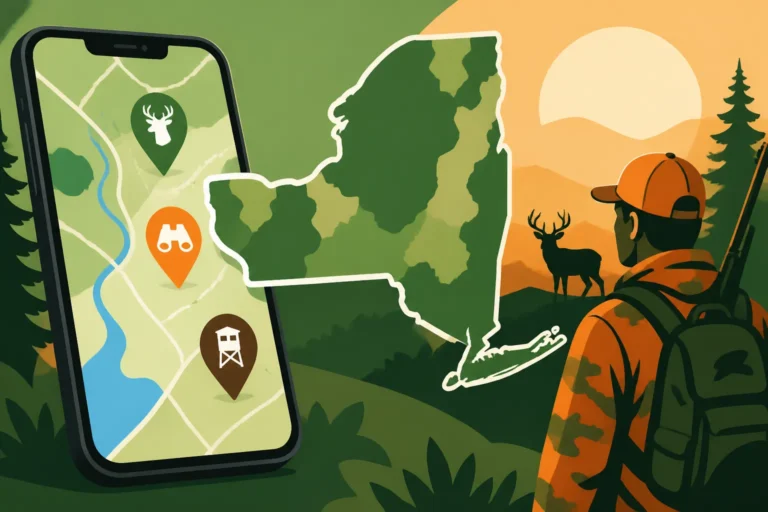
In today's hunting world, mapping apps are indispensable, especially when it comes to private land. Tools like onX Hunt are game-changers. They allow you to overlay public and private land boundaries, identify landowner names and addresses, and even see topographical features and aerial imagery. This means you can pinpoint exactly who owns a parcel you’re interested in and identify any potential access issues before you even leave your couch. Being able to confidently point to a specific parcel on a map and say, "I'm interested in hunting this corner here, Mr. Smith," shows a level of professionalism and preparation that landowners appreciate.
While onX Hunt is excellent for detailed property boundary information and landowner contacts, broader scouting tools can also be useful. Even general mapping resources can help you understand game movements. Being familiar with the terrain and knowing where Finding New York Property Lines are located is not just helpful for your pitch, but crucial for staying legal and respectful once you have permission. You can also use services like Scouting With the New York HuntFishNY App for another layer of public land information that might border your target private parcel.
Understanding New York Trespass Laws
This is a non-negotiable step. You must understand New York's trespass laws before you even consider stepping foot on private land. In New York, simply put, if land is posted with "No Trespassing" signs or cultivated/fenced, you generally need explicit permission to enter. Even if it's not posted, if it's clearly private, you still need permission.
Being knowledgeable about What New York Trespass Law Requires not only keeps you out of legal trouble but also demonstrates to the landowner that you are a responsible and law-abiding individual. This builds trust immediately. Furthermore, be aware of whether Do You Need Written Permission in New York? for certain activities or if the landowner prefers it. While verbal permission is often sufficient, having something in writing can prevent misunderstandings down the road for both parties. Always err on the side of caution and respect.
| Factor | Public Land (General) | Private Land (With Permission) |
|---|---|---|
| Pressure | High, especially during peak seasons/near access | Generally lower, depends on landowner's hunting activity |
| Access | Open to all licensed hunters | Exclusive or limited to specific individuals |
| Scouting | Extensive competition, game may be wary | More reliable, game patterns less disrupted |
| Habitat | Varies, often managed for multiple uses | Can be tailored for game, less disturbance |
| Flexibility | Limited by regulations, other hunters | More flexibility in stand placement, timing (with agreement) |
| Relationship | Impersonal, shared resource | Personal, built on trust and mutual respect |
| Effort to Gain | Minimal (license & tags) | Significant (research, approach, relationship building) |
Building Trust and Maintaining the Relationship
Gaining permission is just the first step; maintaining that permission is an ongoing commitment. Think of it less as a transaction and more as cultivating a long-term relationship. Landowners are granting you a privilege, and their continued generosity depends entirely on your behavior and reliability.
The Value of Respect and Reliability
Once you have permission, every action you take on that property reflects directly on you and, by extension, on the hunting community. Always show up when you say you will, and if you can't, communicate immediately. Never overstay your welcome or violate any agreed-upon terms, no matter how minor. This includes respecting specific hunting zones, times, or game limits the landowner might impose above and beyond state regulations.
Treat their property with more care than you would your own. This means closing gates, never leaving trash, not driving off designated trails without explicit permission, and being mindful of livestock or other property features. A simple act like picking up a piece of litter you didn't create goes a long way. This consistent display of respect and reliability is the bedrock of a lasting hunting relationship.
Going Above and Beyond
To truly solidify your access, consider going beyond the minimum requirements. Don't just show up to hunt; offer your help outside of hunting season. A simple call in spring to ask if they need a hand with anything can work wonders. This could involve clearing downed trees after a storm, helping with fence repairs, pulling invasive weeds, or even just checking on their property if they're away. If you harvest an animal, offering to share some of the venison or turkey breast is a thoughtful gesture.
For landowners experiencing issues with nuisance animals, such as coyotes preying on livestock, offering your services can be a huge bonus. Remember, you're looking for ways to be an asset, not just a visitor. These small acts of goodwill demonstrate your commitment and show that you value the relationship beyond just the hunting opportunities.
Communication is Key
Open and clear communication is paramount. Always, and I mean always, let the landowner know when you plan to be on their property. A quick text or phone call, even if they've given you open access, shows courtesy and ensures there are no surprises or conflicts with other activities they might have planned. "Hey Mr. Jones, just letting you know I'm heading out to the back forty for an evening sit. I'll be out by dark." This simple gesture can prevent a lot of headaches.
If you observe anything unusual on their property, like damaged fences, suspicious vehicles, or signs of trespassers, report it to them promptly. This reinforces that you're looking out for their interests. Also, be open to discussing any concerns they might have, whether it's about specific areas they want to keep clear or certain times when they prefer you not to hunt. Proactive and respectful communication will ensure a smooth and long-lasting partnership.
Navigating Common Landowner Concerns
When you ask for permission, landowners aren't just thinking about whether you'll shoot a deer. They have a range of concerns, from safety to property damage, that you need to be prepared to address thoughtfully and reassuringly. Understanding these worries and having good answers ready will significantly improve your chances.
Safety Concerns and Liability
One of the primary concerns for any landowner is safety. They worry about accidents, injuries, and potential liability if something goes wrong on their property. It's a very real concern, and you need to treat it seriously. Be prepared to explain your safety practices:
- Proof of Competence: Offer to show your hunter education certificate and valid hunting license. This immediately tells them you've been formally trained in safe firearm and archery handling.
- Responsible Practices: Explain that you always know your target and what's beyond it, use proper backstops, and are careful with your treestand setups. If you're hunting with a firearm, explain your understanding of safe zones of fire.
- Understanding Liability: In New York, the Recreational Use Statute (General Obligations Law § 9-103) generally limits a landowner's liability for injuries to individuals recreating on their unposted property, as long as no fee is charged. While this offers some protection to landowners, you shouldn't rely solely on it. Emphasize that you take full responsibility for your own safety and actions, and adhere to all safety regulations.
Reassuring them that you are a highly responsible and experienced hunter who prioritizes safety above all else can alleviate much of their apprehension.
Property Damage and Respect
Landowners work hard to maintain their property, and the thought of a hunter causing damage is a significant deterrent. This concern can manifest in many ways: tire tracks in muddy fields, damaged fences, trash left behind, or even a gut pile too close to their home.
Address these concerns head-on:
- Leave No Trace: Emphasize that you subscribe to "leave no trace" principles. Everything you bring in, you take out.
- Vehicle Access: Discuss and agree upon specific access points and routes for your vehicle. Never drive off-road without explicit permission, and be mindful of wet conditions that could cause ruts.
- Stand Placement: Discuss where you plan to hang stands or set up blinds. Reassure them you won't damage trees and will remove all equipment at the end of the season. Treestand Rules on New York Public Land can give you a good baseline for general ethical practices that you can apply and discuss with a private landowner.
- Ethical Practices: Explain how you will handle game after the harvest, including field dressing away from high-traffic areas or homes.
By showing you respect their land as if it were your own, you build immense trust.
Impact on Livestock or Other Activities
Many private parcels in New York are working farms or residences with other activities happening. Landowners worry about hunters interfering with their operations, disturbing livestock, or creating conflicts with family members or other recreational users.
- Farm Operations: Inquire about their farming schedule. Knowing when they're planting, harvesting, or moving cattle means you can avoid being in their way. You certainly don't want to be setting up a deer stand when they're trying to get a tractor into the field.
- Livestock Safety: If livestock are present, explain your commitment to their safety. You'll keep gates closed, avoid shooting in the direction of pastures, and never cause undue stress to their animals.
- Other Users: Ask if there are other family members, neighbors, or permitted users (hikers, birdwatchers, etc.) who use the property. Discuss designated "no-go" zones or times to avoid conflicts. For instance, a landowner might be happy for you to hunt a back woodlot but prefer you stay far from their home or barn where children and pets play.
By showing genuine consideration for their livelihood and daily life, you demonstrate that you're a thoughtful guest and not just someone focused solely on their own hunt.
Alternative Permission Strategies
While knocking on doors and striking up conversations is a tried-and-true method, there are other avenues for gaining access to private land or land with limited public access in New York. Exploring these options can broaden your opportunities and provide additional pathways to finding those special hunting spots.
New York's Public Access Cooperator Farms
Did you know New York has programs where private landowners open their land for public hunting? The state partners with farmers and other landowners, offering them certain benefits (like signage, patrol, or assistance with nuisance wildlife) in exchange for allowing public hunting access on their property. These "Public Access Cooperator Farms" are a fantastic resource, especially in agricultural areas where large tracts of public forest might be scarce.
While it's not the same as exclusive private permission, it's a valuable way to hunt private ground that might otherwise be off-limits. These areas are typically signed, and hunters are expected to follow specific rules outlined by the DEC and the landowner. It’s definitely worth looking into What Access New York Cooperator Farms Allow and how to go about Finding a Posted-Land Cooperator Farm in your desired hunting area. It provides a unique blend of private land quality with public accessibility.
Hunting Leases and Agreements
For hunters seeking more formal, long-term, and often exclusive access to private land, a hunting lease is a popular option. This involves a legal agreement between the hunter (or a group of hunters) and the landowner, where the hunter pays a fee for the right to hunt on the property for a specified period, usually a year. Leases offer several advantages:
- Exclusivity: You often get exclusive hunting rights, meaning no other hunters will be granted access.
- Long-Term Security: A lease provides guaranteed access for the duration of the agreement, allowing you to invest time in habitat management, stand placement, and long-term scouting.
- Clear Rules: The lease agreement typically outlines all the rules, responsibilities, and liabilities for both parties, minimizing misunderstandings.
However, leases come with a cost, which can vary significantly depending on the acreage, location, and quality of the hunting. New York Hunting Lease Costs can range from reasonable to quite expensive, making it a more significant financial commitment. If you're considering this route, research Finding a New York Hunting Lease through online services, local real estate agents specializing in rural properties, or by networking within hunting clubs.
Networking and Community Involvement
Sometimes, the best access comes not from a cold call, but through a warm introduction. Getting involved in your local community, especially within the hunting and conservation circles, can open doors you didn't even know existed.
- Sportsmen's Clubs: Join a local sportsmen's club, conservation organization, or even a local chapter of a national hunting group. These organizations often have members with private land, or they might know landowners who are looking for responsible hunters.
- Community Events: Attend local fairs, community events, or even church gatherings. Strike up conversations with people; you never know who owns property or knows someone who does.
- Be Known as a Good Hunter: Develop a reputation as a safe, ethical, and responsible hunter. People are far more likely to grant permission to someone they know or someone vouched for by a trusted acquaintance. Word-of-mouth is still incredibly powerful.
By being an active and positive member of your community, you increase your visibility and trustworthiness, making it much easier for potential landowners to say "yes" when the opportunity arises.
Disclaimer
This article is for general informational purposes only and does not constitute professional advice. Laws, prices and regulations vary by location and change over time. Consult a qualified professional for guidance on your specific situation.